Table of Contents >> Show >> Hide
- What You’ll Learn
- Japanese Pagoda Tree 101 (Name, Size, and Personality)
- Quick Care Snapshot
- Choosing the Right Site (This Is Where Most Mistakes Start)
- How to Plant a Japanese Pagoda Tree (Step-by-Step)
- Watering and Feeding: The “Establishment” Phase Is Everything
- Pruning and Training for Strength (Because the Wood Can Be Weak)
- Common Problems (What’s Likely, What’s Not, and What’s Just Ugly)
- Cultivars Worth Knowing (Especially If You Want Better Form)
- What to Expect Over Time (The Honest Timeline)
- Real-World Grower Experiences (500+ Words of Lessons People Learn the Hard Way)
- 1) “I planted it near the walkway… and now my broom has a social life.”
- 2) “It grew fine… until the wind snapped a big limb.”
- 3) “I watered it like a houseplant, and it acted offended.”
- 4) “It took forever to bloom… and then it suddenly did.”
- 5) “I didn’t realize it wasn’t actually from Japan.”
- 6) “The pods are cool… until my dog tried to taste-test them.”
- Conclusion
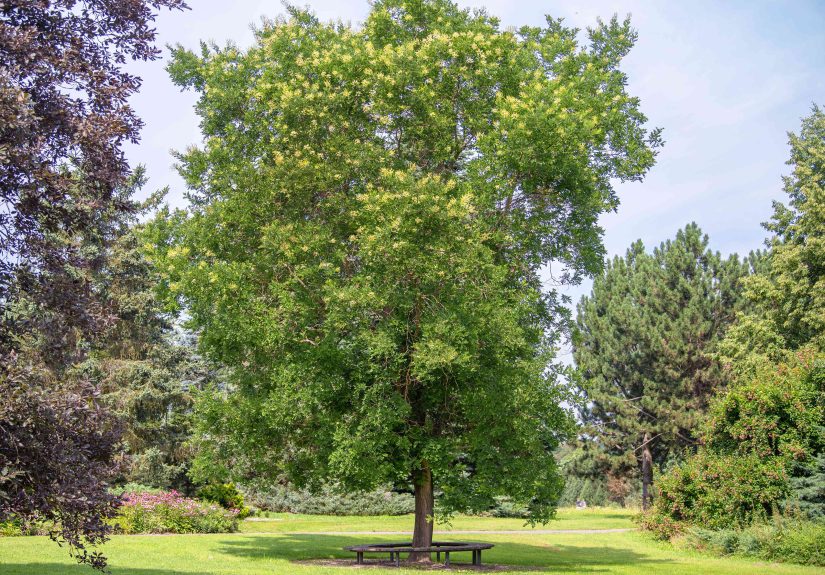
The Japanese pagoda tree is one of those plants with a résumé that sounds made up: a “Japanese” tree that’s
actually native to China and Korea, famous for flowers that show up when most trees have already clocked out for
the season, and tough enough to handle city life without acting dramatic about it. If you want a large shade tree
with late-summer blooms (and you don’t mind a little litter), the Japanese pagoda treealso called the Chinese
scholar treemight be your new backyard celebrity.
This guide covers how to plant it, how to keep it healthy, how to prune it so it doesn’t try to cosplay as a
broken umbrella in a windstorm, and what to expect over the long haulbecause yes, it can take years before you
get the full flower show. Patience is part of the care plan. (The tree is basically teaching you mindfulness,
whether you asked for it or not.)
Japanese Pagoda Tree 101 (Name, Size, and Personality)
Botanically, you’ll often see this tree listed as Styphnolobium japonicumand you may still spot the older
name Sophora japonica in plant labels or nursery catalogs. It’s a deciduous tree in the pea/legume family,
valued for its fine-textured compound leaves and creamy-white, pea-like flowers that form in showy clusters (often
in July and August, depending on your region). After flowering, it produces distinctive pods that look like a
“string of beads,” because they’re constricted between seeds.
Mature size matters here: this is not a “cute little corner tree.” In many landscapes, it can grow into a
medium-to-large shade tree roughly 50–75 feet tall and about as wide. Translation: give it space, or it will take
space. (Trees are very confident roommates.)
Quick Care Snapshot
- Light: Full sun is best; tolerates partial shade.
- Soil: Prefers well-drained loam; adapts to sand or clay if drainage is reasonable.
- Water: Moderate during establishment; more drought-tolerant once rooted in.
- Growth rate: Moderate.
- Flowers: Late summer (often July–August). Young trees may take years to bloom well.
- Urban tolerance: Handles heat, pollution, and tough city conditions better than many flowering trees.
- Watch-outs: Litter from petals/pods; weak wood if not trained; leafhopper issues in some areas; potential invasiveness in parts of the U.S.
Choosing the Right Site (This Is Where Most Mistakes Start)
If you want your Japanese pagoda tree to thrive, start with two questions:
Can I give it sun? and Can I give it room?
1) Prioritize sun for flowers
Full sun tends to deliver the best flowering and a sturdier, more balanced canopy. The tree can flower in light
shade, but if you plant it where it only gets a couple hours of sun, you’re basically asking it to do Broadway on
a flashlight battery.
2) Leave space for a wide crown
Plan for the mature spread, not the “aw, it’s so small” nursery phase. Keep it away from overhead lines, narrow
side yards, and spots where a 50–75-foot canopy will end up scraping the roof or swallowing the driveway.
A good rule: if you’re planting it “near” something you care about, redefine “near.”
3) Think about litter and foot traffic
During bloom, petals can drop and form a noticeable blanket on the ground. Seed pods and leaves can also create
seasonal litter. This isn’t a crisismore like “nature’s confetti,” except you’re the one holding the broom.
If you hate sweeping sidewalks, don’t plant it right next to the front walkway, patio, pool deck, or driveway.
4) Drainage matters more than “perfect soil”
Japanese pagoda tree prefers rich, well-drained soil, but it’s adaptable. What it doesn’t love is constantly wet,
poorly drained ground that keeps roots oxygen-starved. If your yard stays soggy after rain, fix drainage or choose
a different tree. A “tough” tree still needs air around its roots.
How to Plant a Japanese Pagoda Tree (Step-by-Step)
The goal is simple: get roots established quickly, avoid planting too deep, and set up the tree for strong
structure from the beginning.
- Pick the right season.
In many U.S. regions, planting in fall or early spring works well for deciduous trees. Cooler temperatures mean
less stress and more root growth. - Dig a wide hole, not a deep one.
Make the hole wider than the root ball so new roots can expand easily, and keep the depth so the root flare
ends up at or slightly above the surrounding soil grade. - Check the root flare and loosen circling roots.
If the tree is container-grown, inspect for roots circling the pot. Gently tease or cut circling roots so they
don’t keep spiraling after planting. - Backfill with the native soil (mostly).
You can mix in a small amount of compost if your soil is extremely poor, but avoid creating a “perfect soil
bubble” that discourages roots from moving outward. - Water deeply to settle soil.
After planting, water slowly and thoroughly so soil settles around roots without leaving air pockets. - Mulch like you’ve read a tree-care article before (because you have).
Apply 2–3 inches of mulch in a wide ring, but keep it pulled back from the trunk. Mulch should look like a
donut, not a volcano. - Stake only if needed.
If the site is windy or the tree is top-heavy, staking can help short-term. But remove stakes earlyusually
within the first yearso the trunk can develop natural strength.
Watering and Feeding: The “Establishment” Phase Is Everything
Watering the first 1–2 years
Most newly planted trees fail from inconsistent watering, not from “mystery diseases.” Your job during the first
growing season is to keep the root ball evenly moistnot soaked, not bone-dry, and not on a chaotic schedule like
“I remember watering… once… in June.”
- First few weeks: Water deeply and regularly, especially during heat or drought.
- First growing season: Deep water when rainfall is lacking; aim for steady moisture.
- Second year: Reduce frequency gradually, encouraging deeper rooting.
Once established
After roots spread into the surrounding soil, Japanese pagoda tree is known for tolerating heat and some drought.
That doesn’t mean “never water again,” especially in extreme summers, but it does mean it’s less needy than many
flowering trees once it’s settled.
Fertilizer: don’t overdo it
If you planted in reasonably good soil and the tree is putting on healthy growth, you may not need fertilizer at
all. Over-fertilizing can push soft, fast growth that’s more prone to breakage and pests. If growth is weak, do a
soil test and correct what’s actually missing instead of guessing. (Trees appreciate accuracy.)
Pruning and Training for Strength (Because the Wood Can Be Weak)
Japanese pagoda tree can develop a broad crown, but its wood is often described as weak and vulnerable to strong
winds or heavy snow loads if the structure isn’t managed. The best way to prevent storm damage later is
early structural pruning.
Start training early
- Encourage a strong central leader (especially in the first several years).
- Remove or reduce co-dominant stems that create weak attachments.
- Space major branches vertically so you don’t get a cluster of heavy limbs emerging from the same spot.
- Remove crossing/rubbing branches before they cause wounds.
When to prune
Many gardeners do major pruning during dormancy, but specific guidance for this tree often points to
fall pruning. Regardless of timing, skip aggressive pruning during extreme heat, and remove dead or damaged
branches whenever you notice them.
A practical example
If you’re using this as a street or lawn tree and it tends to branch low when grown “in the open,” plan your
pruning to create clearance. In other words, don’t wait until year eight to discover you’ve raised a gorgeous
living speed bump over your sidewalk.
Common Problems (What’s Likely, What’s Not, and What’s Just Ugly)
The good news: many references describe Japanese pagoda tree as having no major insect or disease issues.
The realistic news: “no major issues” doesn’t mean “invincible.” Here are the most common troublemakers.
Leafhoppers and “witches’ broom”
Leafhoppers can kill young stems and trigger dense clusters of growth called “witches’ brooms.” If you notice
weird, broomy tufts or dieback on new growth, check for leafhopper activity. Managing tree stress (especially
drought stress) and selecting resistant cultivars where available can help.
Cankers, twig blight, and other diseases
Twig blight and canker are sometimes noted, along with issues like powdery mildew, rust, and verticillium wilt.
Most of the time, good airflow, correct watering, and pruning out infected twigs/branches (with clean tools)
keep these from becoming landscape disasters.
Storm breakage
Because weak wood is a known concern, your “pest control” includes good pruning. A well-trained structure is less
likely to lose limbs in wind or under heavy snow.
Safety note: pods and seeds
Some horticulture references caution that the seeds (and pods) are toxic if ingested. If you have small children
or pets that snack on yard “mystery objects,” treat the area under the tree like a seasonal cleanup zone and
remove pods promptly.
Cultivars Worth Knowing (Especially If You Want Better Form)
One of the best “cheat codes” for Japanese pagoda tree success is choosing a cultivar with improved structure and
fewer common issues. Form can be variable, so buying a named selection can save you years of corrective pruning.
- ‘Regent’ Often noted for improved performance and resistance to leafhopper problems; can also
flower well earlier than the species in some plantings. - Millstone™ (‘Halka’) Known for a more symmetrical form and reduced susceptibility to certain
problems such as canker in some references; typically a bit smaller than the species. - ‘Pendula’ A weeping form with pendulous branches (ornamental, but it needs the right setting).
What to Expect Over Time (The Honest Timeline)
Year 1: rooting, not blooming
In the first year, your main success metric is healthy new growth and good leaf colornot flowers. Focus on
watering, mulch, and avoiding trunk damage.
Years 2–5: structure building
This is when light, thoughtful pruning pays off. You’re shaping a framework that can carry a big canopy for
decades. Think of it as building a house: you don’t want to discover your “foundation” is wobbly during the first
major storm.
Years 5–10+: flowers begin (often)
Many sources note that young trees may take up to 10 years to flower, and the most impressive flowering can come
much later. The late-summer blooms are worth it, especially because they arrive when few other trees are in bloom.
Hot summers can encourage more showy flowering.
Ongoing: manage litter and volunteers
Expect seasonal cleanup: fallen petals, leaves, and pods. In some regions, this tree is also flagged as a
potential emerging invasive threat, so remove seedlings and avoid planting near natural areas where it could
spread. If you’re in a sensitive region, choose cultivars and stay on top of pod cleanup.
Real-World Grower Experiences (500+ Words of Lessons People Learn the Hard Way)
Gardeners and landscapers who grow Japanese pagoda tree tend to repeat the same storiesbecause the tree is
consistent. Tough? Yes. Perfect? No. Here are the most common “I wish someone told me” experiences, packaged into
advice you can actually use.
1) “I planted it near the walkway… and now my broom has a social life.”
The late-summer flower drop can be dramatic in the best waylike the tree is throwing itself a parade. But the
cleanup is real, especially if the tree is right over high-traffic pavement. People who love the blooms but hate
litter often end up relocating seating areas, power-washing patios, or learning to embrace the concept of
“seasonal mess.” The simplest solution is location: plant it where petals can decompose in mulch or lawn, not
where they become a slip-and-slide on concrete.
2) “It grew fine… until the wind snapped a big limb.”
A lot of growers don’t think about pruning until something breaks. The Japanese pagoda tree can develop weak
attachments if it’s allowed to form multiple heavy leaders or if several major limbs emerge from one point on the
trunk. The most successful long-term plantings are the ones that get early structural pruningsmall cuts, done
regularlyrather than one dramatic pruning event later. People who prune early tend to report fewer storm losses
and a canopy that ages more gracefully.
3) “I watered it like a houseplant, and it acted offended.”
Overwatering is a surprisingly common mistake. New trees need steady moisture, but they don’t need swamp
conditions. Growers who water shallowly every day often end up with roots that stay near the surface and a tree
that struggles the first time you miss a week. The better pattern is deeper, slower watering that encourages
roots to chase moisture downward. Once established, many people notice the tree handles heat well and doesn’t
panic during moderate dry spellsespecially compared with fussier flowering trees.
4) “It took forever to bloom… and then it suddenly did.”
Impatience is the most relatable “problem” with this tree. Homeowners sometimes plant it expecting quick flowers,
then wonder if they bought the wrong species when the tree stays bloomless for years. Gardeners who stick with it
often describe the first good bloom as a surprise: one summer it’s just green and polite, and the next summer it
throws creamy-white flower clusters like it’s been practicing behind your back. The best advice here is simple:
buy it for the canopy and toughness first, and consider the flowers a bonus that improves with age and heat.
5) “I didn’t realize it wasn’t actually from Japan.”
This one is more of a fun fact than a problem, but it comes up constantly. Many people plant it for a Japanese
garden theme, only to learn it’s native to China and Korea and became associated with Japan because of plantings
around Buddhist temples. In practice, it can still fit beautifully into Japanese-inspired landscapesespecially
when paired with stone, gravel paths, lanterns, and underplantings like ornamental grasses or shade-tolerant
groundcovers. Just know the name is historical branding, not a passport stamp.
6) “The pods are cool… until my dog tried to taste-test them.”
The pods really do look like beads on a string, and they can hang on for a while. But because the seeds/pods are
often flagged as toxic if ingested, experienced growers with pets or young kids treat pod cleanup like a seasonal
habitsimilar to picking up acorns if you have an oak. The tree can still be a great choice for family yards; it
just rewards basic awareness and timely raking.
Bottom line from real-world experience: success with Japanese pagoda tree is mostly about site choice,
early pruning, and smart watering during establishment. Do those three things, and
the tree usually behaves like the tough, late-blooming, city-tolerant showpiece it’s famous for.
Conclusion
If you want a large shade tree with fragrant, late-summer flowersand you’re willing to give it room and manage
seasonal litterthe Japanese pagoda tree can be a standout. Plant it in full sun when possible, focus on deep,
consistent watering during the first couple of years, and train the structure early with thoughtful pruning. Add
a cultivar selection to the mix (especially in places where leafhoppers or cankers are common), and you’ll set
yourself up for decades of filtered shade, pollinator-friendly blooms, and a tree that handles urban stress better
than many ornamentals.