Table of Contents >> Show >> Hide
- Why Grow Your Own Popcorn?
- Choose the Right Popcorn Variety
- Give Popcorn the Site It Wants
- When to Plant Popcorn
- How to Plant Popcorn the Right Way
- How to Care for Popcorn During the Growing Season
- Prevent Cross-Pollination Headaches
- Common Problems When Growing Popcorn
- When to Harvest Popcorn
- How to Cure and Dry Popcorn for Good Popping
- How to Store Homegrown Popcorn
- Is Growing Popcorn Worth It?
- Common Experiences Gardeners Have When Growing Popcorn
- Final Thoughts
- SEO Metadata
If you have ever looked at a bowl of popcorn and thought, “You know what this snack needs? A dramatic backstory,” then good news: you can grow it yourself. Popcorn is not just movie-night confetti. It is a real garden crop, a type of corn with a hard outer shell and the right amount of internal moisture to explode into fluffy magic when heated. In other words, it is the overachiever of the corn family.
Learning how to grow popcorn is surprisingly straightforward once you understand one thing: this is still corn. It wants sun, warm soil, steady moisture, decent fertility, and enough neighboring plants to pollinate properly. Give it those basics, and you can harvest colorful ears that dry down into kernels for homegrown popping. The result is practical, fun, and just a little smug in the best possible way.
This guide covers everything from choosing a variety to curing your harvest so the kernels actually pop instead of sitting in the pan like tiny yellow rocks pretending to be useful.
Why Grow Your Own Popcorn?
Popcorn earns its place in the garden because it does double duty. During the season, it looks handsome and dramatic, with tall stalks, tassels, and ornamental ears in shades of yellow, red, blue, or multicolor. After harvest, it gives you a pantry staple that feels far more exciting than another zucchini. Again.
Growing popcorn also teaches you a lot about corn in general: pollination, timing, soil fertility, drying, and storage all matter. If you can grow popcorn well, you are not just raising snack food. You are learning how to manage a crop from seed to shelf.
Choose the Right Popcorn Variety
The first step is picking a variety that matches your climate and growing season. Popcorn varieties can mature anywhere from roughly 85 to 120 days, so gardeners in shorter-season regions need to pay attention to the days-to-maturity listed on the seed packet. If the ears do not fully mature before frost, the popping quality will be disappointing, and nobody wants a harvest that turns into decorative disappointment.
Popular home-garden varieties include strawberry-shaped mini ears for ornamental appeal, classic yellow popcorn for reliable popping, and compact varieties for smaller spaces. When choosing seed, look for three things: maturity that fits your season, plant size that fits your garden, and a reputation for good popping quality rather than just pretty ears.
What to Look for on the Seed Packet
- Days to maturity that fit your local frost-free season
- Plant height that matches your space and wind exposure
- Ear size and kernel color you actually want to harvest
- Whether the variety is hybrid or open-pollinated if seed saving matters to you
Give Popcorn the Site It Wants
Popcorn grows best in full sun and fertile, well-drained soil. A soil pH around slightly acidic to neutral is ideal, and rich organic matter helps the plants stay vigorous. This is not a crop for soggy soil, deep shade, or that one corner of the yard where you keep hoping vegetables will “figure it out.” They will not.
Before planting, loosen the soil well and mix in compost or aged manure if your ground is lean. If you use fertilizer, do not guess wildly. Corn is a hungry crop, especially for nitrogen, but a soil test gives you a much better idea of what your garden actually needs. Popcorn appreciates a fertile start and then another feeding later in the season.
When to Plant Popcorn
Popcorn should be direct-sown outdoors after the danger of frost has passed and the soil has warmed up. Cold, wet soil slows germination and can rot seed before it even gets started. This is one of those crops that rewards patience. If spring feels chilly and moody, wait until conditions settle down.
Unlike tomatoes, popcorn is not asking for an indoor head start. It grows best when seeded straight into the garden where it will mature.
How to Plant Popcorn the Right Way
Sow seeds about 1 to 2 inches deep and space them roughly 8 to 10 inches apart. Rows are typically spaced about 18 to 30 inches apart depending on the variety and your gardening style. The most important layout rule is this: plant popcorn in blocks or several short rows, not one long lonely row.
Because corn is wind-pollinated, pollen needs to fall from tassels onto silks throughout the patch. A square or block planting makes that far more likely than a narrow strip. Good pollination equals well-filled ears. Bad pollination equals ears with embarrassing bald spots.
A Smart Backyard Layout
If you are working in a small garden, think “chunky square,” not “runway.” Even a modest patch of several short rows gives better results than stretching plants along a fence line like they are waiting for a bus.
How to Care for Popcorn During the Growing Season
Water Consistently
Popcorn needs steady moisture, especially once tassels appear and ears begin to develop. Dry stress during pollination and kernel fill can reduce yield and leave you with poorly filled cobs. Water deeply enough to keep the root zone evenly moist, and do not let the soil swing from bone dry to swampy.
Mulch can help conserve moisture and suppress weeds, which is useful because young corn does not enjoy competing with aggressive weeds for water and nutrients.
Feed It at the Right Time
Popcorn is not shy about its appetite. A side-dressing of nitrogen when plants are several inches tall or around knee-high can support strong stalk and ear development. Many gardeners feed once after early growth takes off and again around tasseling or silking if the soil is not especially rich.
Too little fertility can leave plants pale and underwhelming. Too much fertilizer, especially without enough water, can create its own problems. The goal is steady, balanced growth, not corn on a bodybuilding program.
Keep the Patch Clean
Weed early and gently, especially while the plants are young. Once corn gets tall and shades the ground, it becomes more competitive, but early-season weed pressure can slow it down. A clean patch also helps with airflow and reduces stress on the plants.
Prevent Cross-Pollination Headaches
If you are also growing sweet corn, keep it away from popcorn. Corn types can cross-pollinate, and that is especially bad news for sweet corn quality. A sweet corn patch pollinated by popcorn can turn out starchier and tougher than expected, which is a heartbreaking way to ruin summer dinner.
To avoid that mess, separate popcorn and sweet corn by distance or by timing so they do not tassel and silk at the same time. Garden guidance commonly recommends a few hundred feet of isolation, or staggering planting dates so flowering does not overlap. If you plan to save seed from open-pollinated popcorn, isolation matters even more.
Common Problems When Growing Popcorn
Poor Pollination
This is one of the biggest reasons homegrown popcorn disappoints. If ears have missing kernels, incomplete tips, or sparse fill, the culprit is often weak pollination. The fix is usually better spacing and block planting, not more wishful thinking.
Drought Stress
Dry conditions during tasseling, silking, and kernel development can shrink yields fast. Popcorn is not especially forgiving during those stages, so consistent moisture matters.
Pests and Diseases
Popcorn can face many of the same issues as sweet corn, including aphids, ear-feeding insects, borers, smut, and stalk or root rots. Good sanitation, crop rotation, healthy soil, and proper spacing go a long way. If you have ongoing pest pressure in your area, check local extension guidance for the best management options rather than launching a random backyard chemistry experiment.
Bird and Wildlife Damage
Birds may peck newly planted seed, and raccoons have a spectacular talent for showing up right before harvest like tiny masked produce critics. If wildlife is a recurring problem, physical barriers are often the most effective solution.
When to Harvest Popcorn
Popcorn is harvested much later than sweet corn. You are not picking tender ears for fresh eating. You are waiting for full maturity, when the husks are brown, the kernels are hard and glossy, and the stalks are drying down. The ears should feel firm and mature, not milky or soft.
Many gardeners leave the ears on the stalk as long as weather allows, then harvest once conditions turn dry and mature. If heavy rain, early frost, or pests threaten the crop, harvest the ears and finish drying them indoors in a warm, well-ventilated place.
How to Cure and Dry Popcorn for Good Popping
This is where a lot of homegrown popcorn succeeds or fails. Freshly harvested popcorn usually needs additional curing before it will pop well. After harvest, remove the husks or pull them back, then hang the ears in mesh bags or place them where air circulates freely. A warm, dry, well-ventilated room is ideal.
Let the ears cure for several weeks, then test-pop a small batch. Popcorn generally performs best at about 13 to 14.5 percent moisture. Too wet, and it pops small, rough, or chewy. Too dry, and it may partly pop or refuse to pop well at all. Yes, popcorn is dramatic about moisture, and unfortunately it is right.
How to Know If It Is Ready
There is no need to overcomplicate it. Shell a few kernels and pop them. If the texture is small and tough, give the ears more drying time. If many kernels stay unpopped and seem overly dry, the kernels may need a little moisture restored.
If the Kernels Get Too Dry
A classic home fix is to put shelled popcorn into a jar, add a small amount of water, seal it, and shake it occasionally over a few days before testing again. That gentle reconditioning can improve popping performance when the kernels have dried past their sweet spot.
How to Store Homegrown Popcorn
Once the popcorn pops well, shell the rest of the ears and clean out the chaff. Store kernels in airtight containers in a cool, dry place. Glass jars work especially well because they help hold moisture more consistently than flimsy bags, and they let you admire your harvest like the proud corn curator you have become.
Good storage protects both flavor and popping quality. Heat and very dry air can slowly reduce performance over time, so a cool pantry, cellar, or refrigerator is often better than a warm cabinet over the stove.
Is Growing Popcorn Worth It?
Absolutely, if you enjoy growing something a little different and do not mind waiting for the full process from seed to snack. Popcorn is not the fastest crop in the garden, but it is deeply satisfying. You plant a handful of hard kernels, spend the summer tending tall green stalks, then end up with jars of food that literally transforms when heated. Few vegetables offer that level of theatrical payoff.
It is also a great crop for families, hobby gardeners, and anyone who likes their garden to be equal parts productive and fun. You can grow it for eating, decorating, seed saving, or all three.
Common Experiences Gardeners Have When Growing Popcorn
One of the most common experiences gardeners have with popcorn is underestimating how much pollination matters. The patch looks healthy, the stalks are tall, the tassels are dramatic, and everything seems to be going beautifully. Then harvest day arrives and the ears are only half filled. That moment teaches a lesson quickly: popcorn is not a plant you tuck into a single skinny row and expect miracles from. Gardeners who switch to short blocks or square plantings usually notice a major improvement the next season.
Another shared experience is surprise at how long the crop stays in the ground. People who are used to sweet corn often expect a similar timeline, but popcorn is a slower, more patient story. The ears need to mature fully and then dry down. Many first-time growers spend late summer staring at brown husks and wondering whether the crop is ready, overripe, or plotting against them. In reality, waiting is part of the process. Popcorn teaches restraint, which is not always a gardener’s strongest personality trait.
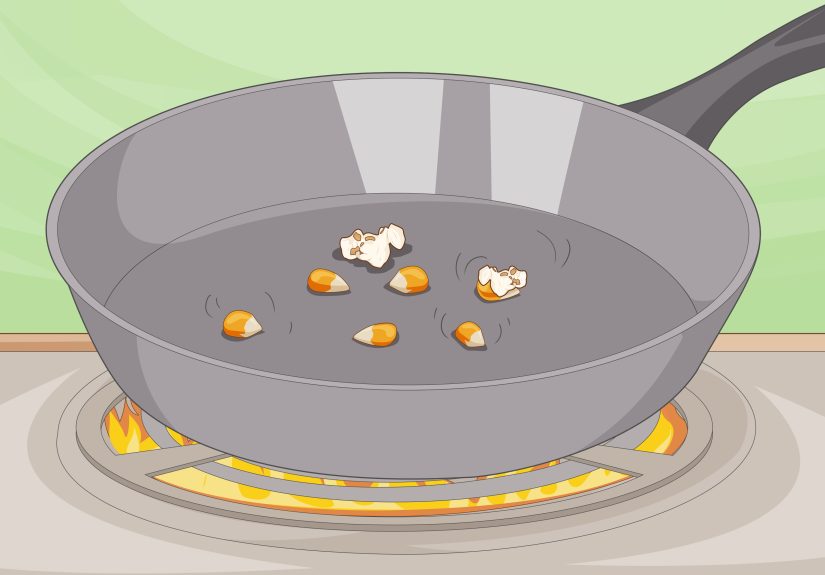
Gardeners also tend to remember their first test-pop. It is a tiny kitchen ceremony with very high emotional stakes. You shell a few kernels, toss them into a pot, and wait to discover whether all those weeks of watering, feeding, and protecting from raccoons have led to glory or chewy disappointment. Sometimes the first batch is not perfect. Maybe it is too moist and a bit tough. Maybe it is too dry and leaves too many unpopped kernels. But that small test is incredibly useful, because it turns curing from guesswork into something practical and repeatable.
There is also the visual pleasure of the crop itself. Even gardeners who grow popcorn mainly for eating often end up admiring it as an ornamental plant. The stalks add height and structure to the garden, and colored ears can be beautiful enough to display before shelling. Some people end up growing a second variety the next year simply because they want prettier jars in the pantry. That is the kind of problem most gardeners are happy to have.
Experienced growers often say that popcorn becomes easier once you stop treating it like a novelty. It is not a gimmick crop. It is corn, with all the same needs for sun, fertility, spacing, and moisture, plus the extra post-harvest requirement of proper drying. Once gardeners respect those basics, results become much more reliable. A strong season usually looks like this: warm planting weather, steady summer moisture, a block layout for good pollination, harvest at full maturity, then patient curing before storage.
Perhaps the best part of the experience is what happens after the garden season ends. In winter, a jar of homegrown popcorn feels like stored sunshine with better crunch. It is practical food, but it also carries memory: the heat of July, the rustle of dry leaves in fall, the stubbornness of waiting for the ears to finish curing. Growing popcorn connects the garden to the kitchen in a very direct way. It is satisfying not because it is complicated, but because the whole cycle is visible. You can see the work, taste the result, and improve the process every year.
Final Thoughts
If you want a crop that is useful, attractive, and just plain fun, popcorn is hard to beat. The secret is not fancy equipment or rare gardening talent. It is simple, consistent care: warm soil, full sun, enough nitrogen, steady water, proper pollination, and patient curing after harvest. Do that, and your backyard can produce a snack with serious bragging rights.
So yes, you can absolutely learn how to grow popcorn at home. And once you hear that first bowl of kernels pop from a harvest you raised yourself, store-bought bags may suddenly feel a little less magical.