Table of Contents >> Show >> Hide
- 1) Understand What He’s Actually Going Through (Because It’s Not “Just Divorce”)
- 2) Be the Calm, Not the Comment Section
- 3) Help Him Build a “Recovery Routine” (Not a Personal Rebrand)
- 4) Nudge Him Toward Support That Actually Works
- 5) Help Him Protect the Kid Relationship (Without Taking Sides)
- 6) Practical Help: Because Heartbreak Hates Paperwork
- 7) Watch for Red Flags (And Know Exactly What to Do)
- 8) The Long Game: Help Him Rebuild Identity and Joy
- Conclusion
- Real-World Experiences and What Actually Helps (Bonus )
Divorce is one of those life events that can make a confident adult man suddenly forget how to eat vegetables, respond to texts, or locate his own socks.
It’s not just “a breakup with paperwork.” It can be grief, identity whiplash, financial stress, parenting changes, and lonelinessall in one deluxe bundle.
If you’re trying to help a man get over a divorce (a friend, brother, coworker, or partner), you don’t need a psychology degree or a cape.
You need a steady presence, a little strategy, and the willingness to sit in the awkward with him without turning it into a TED Talk.
This guide gives practical, real-world ways to support himemotionally and logisticallywithout lecturing, enabling, or accidentally becoming his unpaid life manager.
You’ll also get concrete examples of what to say, what not to say, and how to spot when it’s time to bring in professional help.
1) Understand What He’s Actually Going Through (Because It’s Not “Just Divorce”)
Many men experience divorce as a full-body stress event: appetite changes, sleep problems, irritability, brain fog, and a weird mix of relief and grief.
Even if he initiated the split, he may mourn the life he expected to havehome routines, holidays, “our” friends, and the role he played inside the marriage.
Grief can look different in men
Some men don’t show sadness the way movies do. Instead, you might see:
- Anger or sarcasm (“I’m fine” delivered like a threat)
- Overworking (suddenly “very passionate” about late-night emails)
- Isolation (disappearing into the couch and a video game marathon)
- Risky coping (more alcohol, impulsive spending, reckless dating)
Grief vs. depression: know the line
Divorce grief is common. But prolonged hopelessness, inability to function, heavy substance use, or talk of “what’s the point” can signal depression.
Men can also show depression through irritability, agitation, or escapist behaviornot just crying. If you’re seeing major red flags, it’s time to escalate support
(we’ll cover exactly how later).
2) Be the Calm, Not the Comment Section
The most powerful thing you can do is give him a safe place to be messy without being judged, fixed, or force-fed positivity.
Early after divorce, his emotions may be like a shaken soda can: calm on the outside, chaos under the cap.
Your role isn’t to pry the cap off. Your role is to help him stop shaking it.
What to say (simple, sturdy, and actually helpful)
- “I’m here. Do you want to vent or do you want ideas?”
- “That sounds brutal. I get why you’re wrecked.”
- “You don’t have to go through this alone.”
- “What’s the hardest part today?” (today is manageable; “forever” is terrifying)
- “Want company for a walk / coffee / gym?” (movement + connection is a cheat code)
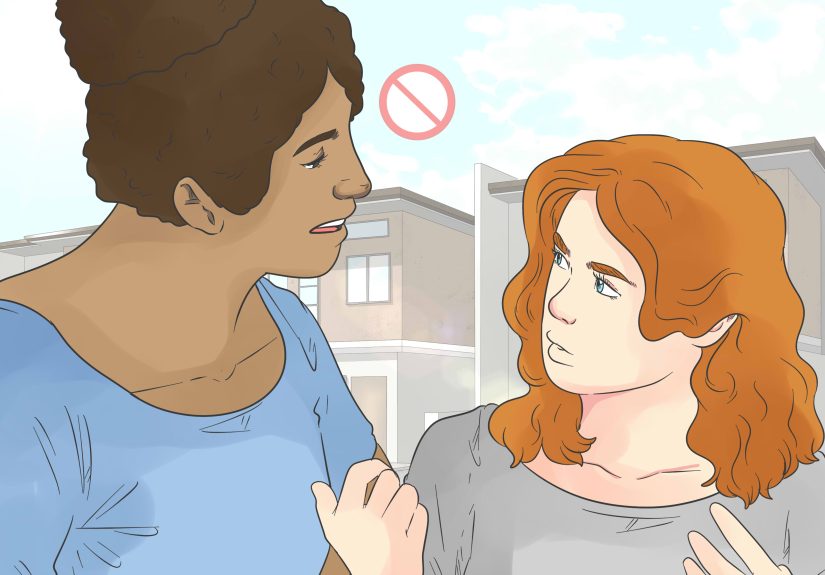
What not to say (even if you mean well)
- “You’ll find someone better.” (Too soon. Also: not the point.)
- “At least…” anything. (His brain will hear: “Stop feeling.”)
- “So what really happened?” like you’re hosting a reality show reunion.
- “My cousin’s divorce was worse.” (Competitive suffering is still suffering.)
If he keeps repeating the same story, don’t get impatient. Repetition is often the mind’s way of trying to file a chaotic experience into something it can understand.
You can gently guide him toward the present: “If you had to pick one thing you need this week, what would it be?”
3) Help Him Build a “Recovery Routine” (Not a Personal Rebrand)
After divorce, some men try to “outperform” pain. They’ll overhaul everything overnight: new wardrobe, new dating app profile, new personality, new protein powder.
Change can be healthybut emotional recovery works best with boring, consistent basics. Think: fewer dramatic plot twists, more steady chapters.
Start with the Big Three: sleep, food, movement
- Sleep: Encourage a consistent bedtime/wake time. A tired brain makes terrible decisions and writes even worse late-night texts.
- Food: Keep it simple: real meals, not “coffee + regret.” Offer to meal prep together or drop off something healthy.
- Movement: Exercise is a proven stress reducer and mood booster. A daily walk counts. So does lifting. So does dancing badly in the kitchen.
Stress relief that doesn’t come in a bottle
Divorce stress can push people toward quick numbing: alcohol, drugs, endless scrolling, impulsive hookups, or “just one more” gaming session at 2 a.m.
You can help by offering alternatives that still feel masculine and doable:
- Gym session, hiking, pickup basketball
- Comedy show, funny podcast, movie night (laughter is not trivial; it’s a nervous system reset)
- Breathing exercises or mindfulness that doesn’t feel like a spa commercial
- Hands-on projects: fixing something, woodworking, cooking, restoring a caranything that gives a sense of control
Set a gentle boundary around alcohol
If his “coping plan” is three drinks every night, you don’t have to scold him. But you can be honest and specific:
“I’m worried the drinking is making the lows worse. Want to do a dry week with me and see how you feel?”
If he’s using alcohol heavily, encourage professional supportespecially if it’s affecting work, parenting, or safety.
4) Nudge Him Toward Support That Actually Works
Some men avoid therapy because they think it’s “just talking about feelings,” which sounds about as appealing as filing taxes in a sad room.
Reframe it in terms that match how many men prefer to operate: tools, strategy, performance, health, outcomes.
How to bring up therapy without making it weird
- Make it practical: “A therapist is like a coach for the hardest season of your life.”
- Lower the bar: “Try three sessions. If it’s not helpful, you’re allowed to fire them.”
- Offer logistics: “Want me to help you find someone who takes your insurance?”
- Normalize it: “A lot of people use therapy for divorce stress and co-parenting transitions.”
Other options if he refuses therapy (for now)
- Divorce support groups (structured, peer-based, less intimidating)
- Men’s groups focused on accountability and emotional health
- Co-parenting classes if kids are involved
- Primary care doctor if sleep, anxiety, or depression symptoms are severe
The key is helping him find a place where he can process the loss without turning every conversation into “fine” and a shrug.
5) Help Him Protect the Kid Relationship (Without Taking Sides)
If children are involved, divorce recovery isn’t just about “moving on.” It’s also about stabilizing the family system so the kids don’t become emotional collateral.
You can support him by steering him toward consistency and calmespecially when emotions are high.
Co-parenting support that matters
- Encourage routine: regular pickup times, homework rhythms, predictable weekends
- Keep conflict away from kids: no venting to children, no “your mom/dad is…” commentary
- Help him communicate cleanly: short, respectful messages; focus on logistics; avoid re-litigating the marriage
- Remind him it’s a long game: kids remember who showed up consistently, not who won arguments
If he starts using the kids as messengers or emotional support, that’s a compassionate redirection moment:
“I get ityou’re hurting. But they need you to be the safe place, not the battlefield.”
6) Practical Help: Because Heartbreak Hates Paperwork
Divorce often comes with a mountain of admin: legal steps, housing changes, budgeting, insurance, passwords, scheduling, and a thousand tiny decisions.
Emotional load + logistical load is how people end up eating cereal for dinner while staring at a stack of unopened mail.
This is where you can be a hero without saying a single inspirational quote.
High-impact ways to help (that don’t require therapy credentials)
- Do a “life reset” checklist together: bills, bank accounts, subscriptions, insurance, beneficiaries
- Offer a work sprint: “Let’s spend one hour knocking out the annoying stuff.”
- Help him set up a new home base: basic furniture, kid-friendly setup, a functional kitchen
- Encourage financial clarity: new budget, debt plan, and realistic goals
Important: don’t become his full-time executive assistant. Support should increase his independence, not replace it.
If you feel resentful, you’ve crossed a boundary. Reset kindly and early.
7) Watch for Red Flags (And Know Exactly What to Do)
Most divorce pain is painful-but-normal. But some signs mean he needs more than friendly support:
- Talking about wanting to die, not wanting to be here, or feeling like a burden
- Severe sleep deprivation for weeks
- Heavy substance use or increased risk-taking
- Not showing up to work, parenting responsibilities, or basic hygiene
- Isolation that becomes total disappearance
If you’re worried about immediate safety
In the United States, you can call or text 988 for the Suicide & Crisis Lifeline (24/7). If there’s immediate danger, call emergency services.
If he’s not in immediate danger but you’re concerned, stay with him (physically or on the phone) and help him reach professional support.
It’s better to be “dramatic” than to be quiet and regret it later.
8) The Long Game: Help Him Rebuild Identity and Joy
Divorce can leave a man wondering: “Who am I if I’m not a husband?” That question is heavybut it’s also an opening.
Healing isn’t about erasing the marriage. It’s about integrating it into his story without letting it be the only chapter.
Encourage a new sense of self (without forcing it)
- Values check: “What kind of man do you want to be in two years?”
- Rebuild friendships: invite him places; don’t wait for him to initiate
- Purpose: volunteering, coaching, mentoringanything that creates meaning
- Small wins: consistent routines, new skills, healthy habits
About dating: don’t push, don’t shame
Some men jump into dating to prove they’re “fine.” Others avoid dating out of fear. Either way, you can help by keeping it grounded:
“You don’t have to rush. But you also don’t have to punish yourself forever.”
A good sign he’s ready is when dating feels like curiosity and connectionnot anesthesia.
Conclusion
Helping a man get over a divorce is less about grand gestures and more about consistent, human support:
listen without judgment, nudge him toward healthy routines, offer practical help, and encourage real resources when he’s stuck.
If kids are involved, stability matters as much as healing. And if you see serious red flags, treat them seriouslysupport can be lifesaving.
Most importantly: don’t try to “fix” him. Be the friend who helps him remember he’s still a whole personjust rebuilding.
Recovery isn’t linear. Some days he’ll feel strong, and some days he’ll get emotionally clotheslined by a song in a grocery store.
Your steady presence makes those days survivableand eventually, smaller.
Real-World Experiences and What Actually Helps (Bonus )
Below are composite, real-life patterns people commonly report after divorceespecially menand the kinds of support that tend to help the most.
Think of these as “field notes” from the messy middle, not perfect fairy-tale arcs.
The “I’m Fine” Guy (who is not fine)
This man insists he’s okay, cracks jokes, and changes the subject the moment feelings appearlike emotions are a subscription he never agreed to.
What helps most is low-pressure consistency: regular invites, short check-ins, and activities that don’t require a deep talk upfront.
Instead of “How are you really doing?” (which he’ll dodge), try: “Gym at 6?” or “I’m grabbing tacosride with me.”
Over time, movement and companionship lower the guardrail enough for honesty to sneak in.
The Angry Narrator (who tells the story like it’s a courtroom drama)
He replays the divorce like he’s preparing closing arguments. The anger can be a protective cover for grief and humiliation.
What helps is validation plus a redirect: “Yeah, that sounds unfair. What’s one thing you can control this week?”
If you only validate, he can get stuck in rage. If you only redirect, he feels dismissed. The combo is the sweet spot.
The “New Life, Who Dis?” Rebrand (overnight glow-up, zero processing)
He’s suddenly dating, traveling, and buying furniture like a man haunted by beige walls. Some change is healthy.
But if it looks frantic, it may be avoidance.
What helps is gentle pacing: “I love that you’re getting out there. Are you sleeping and eating okay?”
Encourage routines and a little quiet timebecause the feelings don’t vanish; they just wait in the lobby.
The Shutdown (quiet, isolating, hard to reach)
This is the man who stops responding, cancels plans, and fades out. He may feel ashamed, depleted, or afraid of burdening others.
What helps is showing up without making it dramatic.
Drop off food. Offer a quick errand run. Send a simple message: “No need to replyjust want you to know I’m here.”
If isolation becomes severe or you see signs of depression, it’s time to encourage professional support and crisis resources if needed.
The Dad Who’s Trying (and terrified of messing up)
Many divorced dads feel intense pressure to “get it right” while navigating schedules, emotions, and sometimes conflict with their ex.
What helps is practical support and reassurance:
help him set up a kid-friendly space, plan easy meals, and create a consistent routine.
Remind him that being a steady, present parent matters more than being perfect.
And when he slips into guilt spirals, anchor him: “Your kids don’t need a flawless dad. They need a reliable one.”
Across all these experiences, the pattern is clear: the best support is specific, consistent, and human.
Not “Call me if you need anything” (he won’t), but “I’m coming by Saturday with groceries.”
Not “Move on already,” but “This hurts, and you’re not alone.”
When the support is steady, men tend to regain stability fasterbecause they’re not rebuilding in isolation.