Table of Contents >> Show >> Hide
- Start With a Value Strategy (Not a Sledgehammer)
- Step 1: Get a Pre-Upgrade Home Checkup
- Step 2: Win on Curb Appeal (Because Buyers Judge Hard)
- Step 3: Make the Home Feel Brighter, Cleaner, and Bigger
- Step 4: Prioritize Kitchens and Baths (But Don’t Overdo It)
- Step 5: Upgrade What Buyers Can’t See (But Absolutely Care About)
- Step 6: Improve Energy Efficiency (Because Bills Are Part of “Value”)
- Step 7: Respect the Home’s Character (Yes, It’s a Value Feature)
- Step 8: Add Functional Space the Right Way
- Step 9: Stage Like a Buyer (Because You’re Selling a Feeling)
- What Usually Adds the Most Value: A Practical Priority List
- A Few “Don’t Do This” Tips (Learn From Other People’s Regrets)
- Conclusion: Turn Your Old Home Into a High-Value Home (Without Losing Its Soul)
- Extra: Real-World Experiences and Lessons From Increasing Old-Home Value
- Experience 1: The “Curb Appeal Saved the Deal” Story
- Experience 2: The “Old House Smell” That Quietly Lowered Offers
- Experience 3: The Kitchen That Didn’t Need a Full Gut
- Experience 4: The Safety Upgrade That Prevented Negotiation Chaos
- Experience 5: The “Historic Charm + Modern Comfort” Combo That Wins
Older homes have that “they don’t make ’em like they used to” charmsolid framing, real plaster, original trim, and enough character to make new construction
blush. But when it comes to resale value, charm alone won’t pay the appraisal. Buyers (and lenders) still want safe systems, low maintenance, good efficiency,
and a house that doesn’t scream, “Surprise! I’m a weekend project with a mortgage.”
The good news: you don’t have to gut your home or turn it into a trendy showroom to raise its value. The highest-impact upgrades for older homes usually come
down to three things: (1) fixing what scares buyers, (2) improving what buyers see first, and (3) making everyday living feel modern without erasing the
home’s soul. Let’s do thatstrategically, affordably, and with the least amount of “why is the ceiling making that noise?” possible.
Start With a Value Strategy (Not a Sledgehammer)
Before you spend a dollar, decide what kind of value you’re targeting:
appraisal value (what the bank recognizes), market value (what buyers will pay), and livability value
(what makes your home feel great while you’re still living there). The sweet spot is projects that hit all three.
Rule of thumb: Fix “red flags” first
In older homes, red flags can quietly nuke offers: old roofs, outdated electrical panels, leaky plumbing, poor drainage, musty basements, or ancient HVAC.
These aren’t glamorous upgrades, but they remove fearand fear is expensive.
Then focus on “first 10 seconds” and “daily touchpoints”
First impressions (curb appeal, entry, smells, light) and daily touchpoints (kitchen workflow, bathrooms, storage, lighting, temperature comfort) are where
buyers form emotional attachment. Emotional attachment is what makes someone pay more than they planned. (It’s also how people buy $11 strawberries, but
that’s another article.)
Step 1: Get a Pre-Upgrade Home Checkup
If your home is 30, 50, or 100+ years old, you’ll save money by diagnosing before renovating. Consider a pre-listing inspection or a focused evaluation by
licensed pros (roofing, electrical, plumbing, foundation). You’re not looking for perfectionyou’re looking for surprises you can fix on your timeline, not
during negotiations.
Older-home “usual suspects” to evaluate
- Roof + gutters + drainage: water damage is a buyer’s #1 nightmare fuel.
- Electrical safety: outdated panels, ungrounded outlets, DIY wiring, old fixtures.
- Plumbing lines: galvanized pipes, aging shutoffs, slow drains, hidden leaks.
- Foundation/basement moisture: grading, sump pumps, ventilation, cracks (and whether they’re cosmetic or structural).
- Hazards in vintage homes: lead paint (common pre-1978) and asbestos (common in certain older materials).
If you do only one “adult” thing before upgrading, do this: control water. A dry, well-drained old home is worth more, easier to insure, and far less likely
to trigger inspection drama.
Step 2: Win on Curb Appeal (Because Buyers Judge Hard)
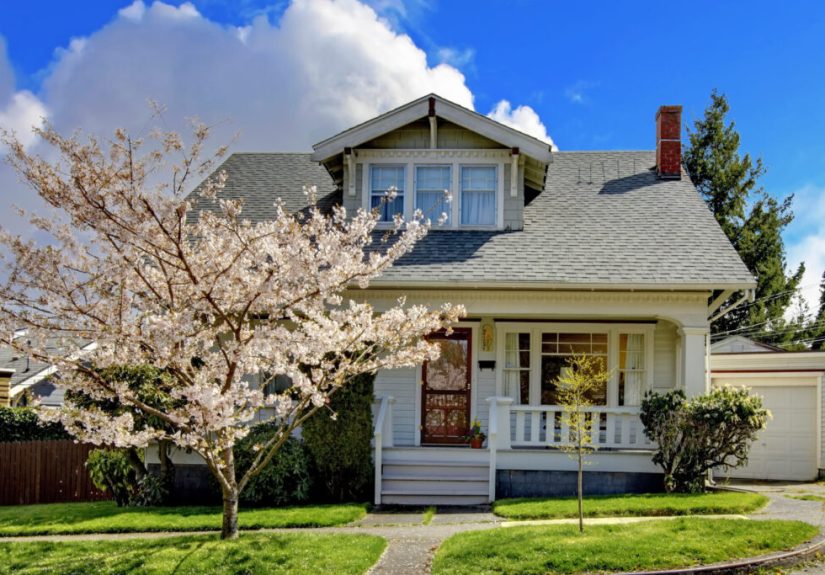
You can be a wonderful person with a messy front yard. Your house cannot. Curb appeal is the fastest way to increase perceived home valueespecially for
older homesbecause it signals maintenance, pride of ownership, and fewer future headaches.
High-impact curb appeal upgrades for older homes
- Front door + hardware: a refreshed entry feels like a new home without the new-home price tag.
- Exterior paint touch-ups: focus on trim, shutters, railings, and peeling areas first.
- Landscaping cleanup: fresh mulch, edged beds, trimmed shrubs, and tidy paths.
- Outdoor lighting: warm, well-placed lighting makes your home feel safer and more premium.
- Pressure washing: siding, walkways, and porchesinstant gratification in spray form.
If your garage door faces the street, don’t ignore it. Replacing or upgrading visible exterior elements often ranks among the strongest “value retained”
projects in national remodeling ROI summaries.
Step 3: Make the Home Feel Brighter, Cleaner, and Bigger
“Increase home value” isn’t always about adding square footage. Sometimes it’s about removing visual friction so buyers experience the space as generous and
cared-for.
Old-home magic tricks that actually work
- Declutter and depersonalize: let buyers see the room, not your collection of novelty mugs.
- Deep clean: especially kitchens, bathrooms, baseboards, windows, and floors.
- Paint in buyer-friendly neutrals: keep historic character, but avoid colors that feel like a dare.
- Upgrade lighting: old homes often suffer from dim fixtures and dark corners.
Pro tip: If your home smells like “old house,” don’t mask itsolve it. Musty odors can come from moisture, dusty ducts, old carpets, or poor ventilation.
Fixing the source protects value and helps buyers relax.
Step 4: Prioritize Kitchens and Baths (But Don’t Overdo It)
Kitchens and bathrooms sell homes. Buyers may forgive a small bedroom. They rarely forgive a scary bathroom. The goal is not “luxury magazine spread”it’s
“clean, functional, updated, and easy to maintain.”
Smart kitchen updates for an old home
- Refresh cabinets: paint, stain, or reface instead of replacing when boxes are solid.
- Swap hardware: modern pulls/knobs are cheap and instantly noticeable.
- Upgrade counters (strategically): durable, neutral surfaces photograph well and age well.
- Update lighting: add under-cabinet lighting and a brighter ceiling fixture.
- Replace tired appliances only if needed: matching, clean, and functional beats “fancy but random.”
Bathroom upgrades that feel expensive (without being expensive)
- New vanity + faucet: immediate modern vibe.
- Re-grout / re-caulk: the “why does it look dirty?” problem disappears fast.
- Replace the mirror and lighting: it’s basically a face-filter for your bathroom.
- Improve ventilation: quiet exhaust fans reduce moisture and mold risk.
A full kitchen gut can be satisfying, but major remodels don’t always return dollar-for-dollar. Many homeowners get better value by doing a
minor kitchen remodel that improves function and finishes while keeping a sensible budget.
Step 5: Upgrade What Buyers Can’t See (But Absolutely Care About)
In an older home, “good bones” is only valuable if the bones aren’t attached to a nervous system from 1952. Mechanical and safety upgrades protect value,
increase buyer confidence, and reduce inspection negotiations.
Electrical: make it safe and modern
Consider updates like adding GFCI outlets where required (kitchen, baths, garage), replacing unsafe or outdated panels, and ensuring wiring is done to modern
standards by licensed electricians. Bonus points for enough outletsolder homes often have the outlet-to-room ratio of a medieval castle.
Plumbing: prevent “surprise waterfall” moments
If your home has galvanized pipes, recurring leaks, or weak water pressure, consult a plumber about targeted replacements. Also consider replacing old
shutoff valves and modernizing supply lines in kitchens and baths during cosmetic updates.
HVAC: comfort sells
A home that heats/cools evenly feels higher quality. Simple improvementsduct sealing, tune-ups, smart thermostats, and improved insulationcan make a home
feel newer without changing its historic character.
Step 6: Improve Energy Efficiency (Because Bills Are Part of “Value”)
Energy efficiency is a value multiplier: lower utility costs, better comfort, and fewer drafts. For older homes, the biggest wins often come from
air sealing and insulationespecially in attics and crawl spacesfollowed by HVAC optimization.
Where to start in an older home
- Seal air leaks: around doors, windows, attic penetrations, and basements.
- Add attic insulation: one of the most cost-effective upgrades in many climates.
- Weatherstrip and caulk: small materials, big comfort.
- Upgrade to efficient lighting: LEDs are cheap, bright, and buyer-friendly.
- Consider window strategy carefully: storm windows, repairs, and selective replacements can beat “replace all windows” budgets.
If you’re selling, document these improvements. Buyers love receipts almost as much as they love not freezing in the hallway.
Step 7: Respect the Home’s Character (Yes, It’s a Value Feature)
One of the biggest mistakes in “updating” an old home is stripping away what makes it special. Original trim, solid wood doors, built-ins, hardwood floors,
and vintage architectural details can increase appealespecially when paired with modern comfort.
Modernize without erasing history
- Restore original floors when possible (or match them thoughtfully when you can’t).
- Keep trim and millwork crisp with careful repairs and paint.
- Upgrade fixtures in a style that complements the era instead of fighting it.
- Choose timeless finishes over hyper-trendy ones (buyers have long memories).
Think of it like this: you’re not trying to make your 1920s bungalow cosplay as a 2026 glass cube. You’re trying to make it the best version of itself.
Step 8: Add Functional Space the Right Way
Adding usable square footage can increase home value, but it’s also where budgets go to do extreme sports. The best “space” projects are the ones that add
function without overbuilding your neighborhood.
Safer bets for older homes
- Finish a basement (properly): moisture control first, then flooring, walls, lighting, and egress considerations.
- Create a dedicated office nook: even a small, well-lit workspace can be a selling point.
- Improve storage: closets, pantry upgrades, mudroom-style drop zones.
- Outdoor living: a simple deck/patio and seating area increases lifestyle appeal.
Big additions can pay off in certain markets, but they also add complexity. If your goal is maximum resale value, a well-executed “better use of existing
space” project often beats a massive addition.
Step 9: Stage Like a Buyer (Because You’re Selling a Feeling)
Once upgrades are done, presentation becomes part of value. Buyers decide quickly whether a home “feels right,” and staging helps them imagine living there.
You don’t need a designer budgetjust thoughtful editing.
Staging essentials that help older homes shine
- Let the light in: clean windows, open curtains, add mirrors thoughtfully.
- Use consistent finishes: matching bulbs (color temperature), cohesive hardware, tidy transitions.
- Highlight architectural details: fireplaces, built-ins, trim, bay windowsmake them focal points.
- Photograph-ready rooms: living room, kitchen, primary bedroom, and main bath matter most.
What Usually Adds the Most Value: A Practical Priority List
Every market is local, but national ROI patterns show some consistent winnersespecially exterior and “replacement” projects that reduce buyer maintenance
anxiety. If you’re deciding where to invest first, this order is a solid starting point for many older homes:
- Fix water and safety issues: roof leaks, drainage, electrical hazards, plumbing leaks.
- Boost curb appeal: entry, exterior touch-ups, landscaping, lighting.
- Improve comfort and efficiency: air sealing, insulation, HVAC optimization.
- Update kitchens/baths (smartly): refresh, don’t necessarily gut.
- Lighting + paint + floors: the “looks new” trifecta.
- Storage and functional space: organization sells, clutter repels.
A Few “Don’t Do This” Tips (Learn From Other People’s Regrets)
- Don’t over-customize: bold design choices can shrink your buyer pool.
- Don’t ignore permits: unpermitted work can derail sales and appraisals.
- Don’t DIY lead safety in pre-1978 homes: use lead-safe practices and the right pros when needed.
- Don’t overspend for your neighborhood: the nicest house on the block is rarely the most profitable.
- Don’t chase trends: timeless, clean, and functional usually wins in resale.
Conclusion: Turn Your Old Home Into a High-Value Home (Without Losing Its Soul)
To increase the home value of your old home, focus on what buyers and appraisers reward: a dry and well-maintained structure, safe and updated systems,
strong curb appeal, and modern comfort. The best strategy isn’t “renovate everything.” It’s making targeted improvements that remove risk, upgrade daily
living, and highlight the unique character that made you love the house in the first place.
Start with inspections and priorities. Fix water and safety. Make the exterior welcoming. Modernize kitchens and bathrooms intelligently. Improve energy
efficiency so the home feels comfortable and affordable to run. Then stage it like a buyerbright, clean, and easy to imagine living in. That’s how older
homes move from “cute but concerning” to “charming and confident.”
Extra: Real-World Experiences and Lessons From Increasing Old-Home Value
Since every old home has its own personality (and occasionally its own opinions), it helps to learn from the kinds of scenarios homeowners commonly run into.
Below are practical, experience-style lessons that come up again and again when people try to increase home valuewithout turning their lives into a
never-ending renovation montage.
Experience 1: The “Curb Appeal Saved the Deal” Story
A homeowner with a 1940s cape cod planned a big interior renovation first. But local agents kept repeating the same phrase: “People decide before they step
inside.” So they pivoted. Instead of tearing out a perfectly functional kitchen, they replaced the worn-out front steps, updated the entry door hardware,
added clean landscaping lines, and installed simple outdoor lighting. They also pressure-washed the driveway and repainted the trim where it had started to
peel.
The result wasn’t just “prettier.” It changed how buyers interpreted everything else. Once the exterior looked cared for, buyers assumed the home was
maintained. Inside, they noticed the original hardwoods and built-ins instead of obsessing over small imperfections. Lesson: for older homes, curb appeal is
often the highest-leverage “confidence upgrade” you can buy.
Experience 2: The “Old House Smell” That Quietly Lowered Offers
Another common situation: a beautiful older home that shows wellexcept for the basement smell. Homeowners often try candles, plugins, or open-house baking
tactics. But buyers can tell when you’re hiding something. In many cases, the real fix is a combination of moisture control and cleanliness: improving gutter
drainage, making sure downspouts extend away from the foundation, sealing small air leaks, running a dehumidifier, and cleaning or replacing old absorbent
materials (like basement carpet).
The big lesson is that “invisible issues” create “invisible discounts.” Buyers don’t always say, “I’m lowering my offer because of moisture risk,” but their
gut does. And their gut has a calculator. Fixing odor sources can lift perceived value faster than many cosmetic projects.
Experience 3: The Kitchen That Didn’t Need a Full Gut
A classic old-home dilemma: dated kitchen cabinets, but structurally solid. Homeowners often assume they must replace everything to increase value. In many
real-world cases, a smarter approach is a “high-impact refresh”: repaint or refinish cabinets, add modern hardware, upgrade lighting, replace an outdated
faucet, and choose a durable, neutral countertop if the existing one is damaged or visually overwhelming.
This style of update tends to photograph well, feels modern to buyers, and avoids the budget explosion of moving plumbing, rewiring every outlet, and
discovering a surprise wall that is definitely not square. Lesson: a kitchen that feels clean, bright, and functional can sell as “updated” even when the
footprint stays the same.
Experience 4: The Safety Upgrade That Prevented Negotiation Chaos
In older homes, buyers and inspectors pay close attention to safety: electrical panels, GFCI outlets in the right places, properly vented bathrooms, and
visible signs of DIY work. Homeowners who proactively address obvious concerns often avoid last-minute repair demands or credits during negotiations.
A common pattern: replacing a questionable panel or correcting a handful of visible electrical issues doesn’t feel “fun,” but it can make financing smoother
and protect appraisal confidence. Buyers may not gush about it during a showing, but they absolutely relaxand relaxed buyers write stronger offers. Lesson:
sometimes the best “value upgrade” is removing reasons for a buyer to hesitate.
Experience 5: The “Historic Charm + Modern Comfort” Combo That Wins
Many homeowners find that the highest-value version of an older home is not a total makeoverit’s a careful blend. Think restored wood floors, crisp original
trim, and tasteful vintage-inspired fixtures paired with modern lighting, good insulation, reliable HVAC, and a layout that supports real life (like a drop
zone near the entry or better storage).
Buyers who shop older homes often want the character, but they don’t want the inconvenience. When they see a home that keeps its charm while quietly
delivering comfortno drafts, no mystery smells, no “one outlet per room” energyit stands out. Lesson: keep what makes the home special, but upgrade what
makes the home easy.
If you take one message from these experience-style lessons, make it this: increasing an old home’s value is mostly about confidence. Buyers pay more when
they believe the home has been cared for, is safe, and will be comfortable to live in. You build that belief through targeted upgradesespecially the ones
that reduce maintenance anxietywhile letting the home’s original personality do the rest.