Table of Contents >> Show >> Hide
- What a Manual Transfer Switch Actually Does
- Generator vs. Power Station: Same Goal, Different Homework
- Before Installation: What to Decide First
- What You Typically Need for a Manual Transfer Switch Installation
- How Installation Usually Works
- Step 1: Plan the Load Schedule
- Step 2: Mount the Transfer Switch
- Step 3: Install the Power Inlet Box
- Step 4: De-Energize and Open the Panel
- Step 5: Move or Tie the Selected Circuits
- Step 6: Connect the Inlet and Backup Source Path
- Step 7: Install Required Breakers and Labels
- Step 8: Test the System Under Controlled Conditions
- Common Installation Mistakes to Avoid
- Special Advice for Power Station Owners
- Real-World Experience: What People Learn After the Install
- Final Thoughts
- SEO Tags
Note: This article is for informational purposes and web publication. Installing a manual transfer switch involves working inside electrical equipment and should generally be handled by a licensed electrician who follows local code, the manufacturer’s instructions, and permit/inspection rules.
The power goes out. The fridge starts sweating. The Wi-Fi dies. Somebody in the house immediately asks whether the generator is “that loud thing in the garage,” which is exactly where it should not run. This is the moment a manual transfer switch earns its keep.
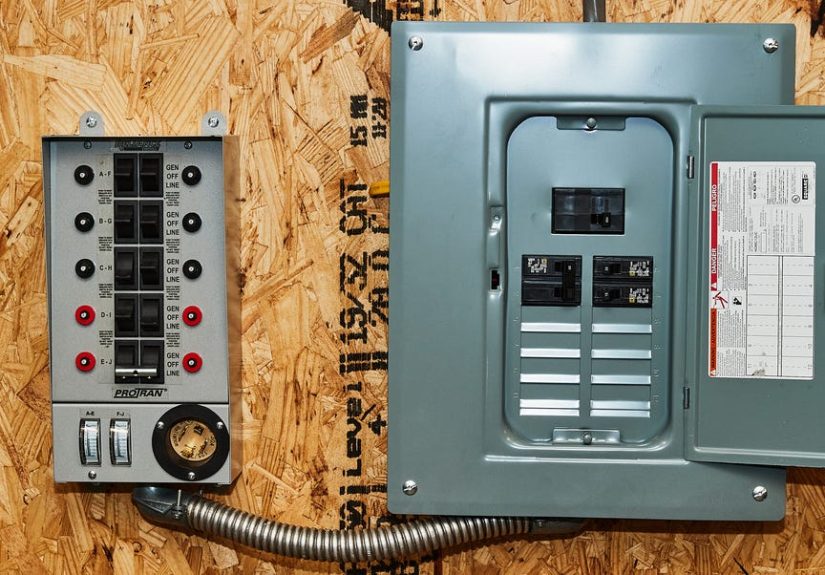
A manual transfer switch gives you a safe, code-minded way to connect backup power to selected home circuits. Instead of running extension cords through the house like you’re hosting a very stressed-out science fair, a transfer switch lets you power essentials such as the refrigerator, furnace blower, lights, sump pump, garage door opener, or internet equipment. Better yet, it helps prevent dangerous backfeeding into utility lines.
If you are planning backup power for a gas generator or a portable power station, this guide walks through what a manual transfer switch does, how installation usually works, what to check before buying one, and where people commonly get tripped up. Spoiler: it is usually not the toggle switches. It is the planning.
What a Manual Transfer Switch Actually Does
A manual transfer switch is a device that lets you choose between two power sources for selected circuits: normal utility power or backup power from a generator or power station. The switch is designed so both sources cannot feed the same circuits at the same time. That separation is the entire ballgame.
Without a proper transfer device, sending generator power into household wiring can backfeed toward the utility side. That creates a serious electrocution and fire hazard, and it can also damage equipment. In plain English: a transfer switch is the grown-up, legal, and safe way to bring backup power into your panel setup.
Most residential manual transfer switches are meant for critical loads, not every circuit in the house. That means you choose the circuits that matter most during an outage. Think refrigerator, freezer, medical devices, modem/router, a few lighting circuits, furnace or boiler controls, and maybe a sump pump. Think less “hot tub and three hair dryers.”
Generator vs. Power Station: Same Goal, Different Homework
The words “generator” and “power station” get tossed around like they are twins. They are more like cousins who dress similarly at family reunions.
Portable Generator
A gas, propane, or dual-fuel generator typically offers strong surge capability and is a common match for manual transfer switches. Many homes use a 30-amp, 120/240-volt inlet for this setup, though some larger systems use 50 amps. The generator must stay outdoors, well away from doors, windows, and vents.
Portable Power Station
A battery power station can also work with a manual transfer switch, but compatibility matters more than marketing slogans. Some smaller or mid-size systems connect only to 120-volt transfer switches and are meant for a limited number of circuits. Larger split-phase systems may support 120/240-volt home backup. Before buying anything, confirm the output voltage, amperage, inlet type, neutral strategy, and whether the manufacturer officially supports transfer-switch use.
That last point is important because “has outlets” is not the same as “is designed to feed selected home circuits.” Backup power is one of those categories where close enough is not, in fact, close enough.
Before Installation: What to Decide First
1. Choose the Circuits You Actually Need
Start with a realistic outage plan. Which loads matter most during a blackout? A refrigerator and freezer are obvious. A sump pump may be non-negotiable. A furnace or boiler can be critical in winter, while a few bedroom circuits, kitchen receptacles, and internet gear make life much less annoying.
Manual transfer switch installations usually work best when you select essential loads rather than trying to make the backup source behave like the utility company. The backup power source must have enough capacity for the loads you expect to run at the same time.
2. Match Voltage and Amperage
Confirm whether you need a 120-volt or 120/240-volt setup. Also check the input rating: 30-amp and 50-amp configurations are common. Your transfer switch, inlet box, cord, and backup power source all need to speak the same electrical language. If one component says 30A and another says 50A, that is not a fun surprise. That is a redesign.
3. Confirm Circuit Count and Load Type
Some transfer switches handle six circuits, others ten, and some whole-home style manual systems handle more. Also confirm whether you need support for any 240-volt loads or multi-wire branch circuits. Those details affect switch selection, breaker layout, and wiring method.
4. Check Neutral Bonding and Grounding
This is where many installations go from “simple” to “why is this tripping?” Some backup systems use a bonded neutral, some do not, and the transfer equipment may or may not switch the neutral. The installation needs one correct neutral-to-ground bonding strategy, not two competing ones. This is one reason power-station installations deserve extra homework before you buy.
5. Ask About Permits and Inspection
Local electrical rules still matter, even if your cousin swears he has “done tons of these.” Many jurisdictions require a permit and inspection for generator transfer equipment. Your electrician should confirm the requirements with the local authority having jurisdiction before installation begins.
What You Typically Need for a Manual Transfer Switch Installation
Every brand is a little different, but a typical installation may include:
- A listed manual transfer switch or generator-ready panel
- An outdoor power inlet box matched to the source and amperage
- The proper power cord set for the generator or power station
- Compatible breakers, if the switch does not come preconfigured
- Conduit, fittings, cable, connectors, and labeling materials
- A load plan showing which branch circuits will be moved or tied in
Some kits are pre-wired and include wattmeters or clearly labeled toggles, which makes operation easier after installation. Easier does not mean casual, though. It still has to be installed correctly.
How Installation Usually Works
This is the big-picture process most homeowners should understand, even if a licensed electrician performs the work.
Step 1: Plan the Load Schedule
The installer identifies which branch circuits will be backed up and compares those loads against the output of the generator or power station. This is where reality politely taps the dream on the shoulder. You may want the refrigerator, freezer, microwave, well pump, two bathrooms, and central air. Your backup source may want a quieter life.
Step 2: Mount the Transfer Switch
The transfer switch is usually mounted near the main service panel or load center for a short, clean wiring path. The location should allow safe access, follow clearance rules, and make labeling easy to read during an outage. If the equipment is designed for indoor use, it stays indoors. If a specific enclosure is rated for outdoor use, it must still be mounted according to the manufacturer’s instructions.
Step 3: Install the Power Inlet Box
The inlet box is typically mounted outside in a practical location where the generator or power station cable can connect safely. For gas generators, this helps keep the machine outdoors while still feeding the transfer equipment. Placement should reduce cord hazards and avoid goofy routing that invites damage, puddles, or accidental yanking.
Step 4: De-Energize and Open the Panel
This is the part where professional training matters. The installer shuts down power as required, verifies it is off, opens the service equipment, and prepares the selected branch circuits for transfer-switch integration. Even with the main off, parts of service equipment can remain hazardous. This is why “I watched a video” is not a license.
Step 5: Move or Tie the Selected Circuits
The electrician routes the chosen branch-circuit conductors from the main panel to the manual transfer switch according to the wiring diagram for that specific model. Each circuit is then associated with a labeled switch position so you know what each toggle controls during an outage.
Step 6: Connect the Inlet and Backup Source Path
The conductors between the inlet box and transfer switch are installed based on the equipment rating, conductor requirements, and local code. This is also where the installer verifies the neutral and grounding approach, especially if the backup source is a portable power station or a bonded-neutral generator.
Step 7: Install Required Breakers and Labels
Many systems require specific breaker types and clear labeling. Labels matter more than people think. When the lights are out and everyone is grumpy, “Kitchen Small Appliance 1” is more helpful than “Maybe Left Side Counter?” Proper signage at the service equipment may also be required to indicate the presence and location of standby power.
Step 8: Test the System Under Controlled Conditions
Once installed, the system should be tested. The installer verifies that utility and backup sources stay isolated, selected circuits energize correctly, the inlet and cord are matched properly, and the generator or power station can handle the expected load. This is also the time to spot nuisance trips, mislabeled circuits, and any neutral-related weirdness before the next storm does it for you.
Common Installation Mistakes to Avoid
- Undersizing the backup source: If the generator or power station cannot support the chosen loads, the setup will be frustrating or unusable.
- Buying the wrong voltage configuration: A 120-volt-only device will not magically behave like a 120/240-volt system because you believe in it.
- Ignoring neutral bonding: This can cause tripping, odd voltage behavior, or unsafe conditions.
- Skipping permit and inspection rules: Local code is not a suggestion box.
- Poor labeling: A backup system should be obvious enough to operate by flashlight at 2:00 a.m.
- Forgetting AFCI/GFCI implications: Some transfer-switch arrangements require the correct breakers in the switch enclosure to maintain that protection while on backup power.
- Indoor generator operation: Never do this. Ever. Not in the garage. Not with the door cracked. Carbon monoxide does not care about optimism.
Special Advice for Power Station Owners
If you are using a power station instead of a fuel generator, do not assume every model is ready for panel integration. Confirm all of the following before purchase:
- Supported use with a manual transfer switch or listed home-backup device
- Output voltage and phase configuration
- Continuous wattage and surge capability
- Maximum input/output amperage
- Inlet compatibility and cord type
- Whether the unit is intended for six, ten, or more circuits
- Neutral bonding instructions from the manufacturer
A small power station may be perfect for refrigeration, lighting, charging, and Wi-Fi, but not for large 240-volt loads. A bigger split-phase model can do much more, but the installation planning becomes more technical. Battery backup is wonderfully quiet, but electricity still expects you to follow the rules.
Real-World Experience: What People Learn After the Install
Once a manual transfer switch is installed, most homeowners immediately say some version of the same thing: “I should have done this sooner.” Not because the installation is glamorous, but because outages feel completely different afterward. The panic drops. The house becomes manageable. You stop making desperate extension-cord decisions that seem clever only in the dark.
One of the biggest real-world lessons is that the planning phase matters more than the hardware hype. People often spend weeks comparing generator brands, fuel types, or battery chemistry, then pick circuits in five rushed minutes. That is backward. The smartest installs start with a load list: what must run, what would be nice to run, and what can absolutely wait. A refrigerator and a few lights? Easy. Add a sump pump, boiler controls, and internet gear? Still practical. Add central air, an electric dryer, and every kitchen appliance because “it would be nice”? Suddenly the budget and the equipment both start coughing politely.
Another common experience is discovering that labeling is not a small detail. During a real outage, no one wants to play breaker-panel trivia by flashlight. Homes with neatly labeled transfer switches are calmer, faster, and safer to operate. Homes without good labels turn into group projects nobody wanted. Someone flips the wrong switch, somebody else complains the freezer is warming up, and the one person who remembers the circuit map is out buying ice.
People also learn that fuel logistics and energy discipline matter just as much as installation quality. Generator owners quickly figure out that runtime, refueling, maintenance, and noise are part of the ownership experience. Power-station owners learn the battery version of the same lesson: every watt counts, recharging takes planning, and backup power feels a lot bigger when you are selective about what you run. In both cases, the manual transfer switch helps by keeping the focus on essential circuits instead of random plug-in chaos.
Electricians often say the smoothest projects are the ones where the homeowner already understands their priorities. The roughest ones are usually not caused by the switch itself, but by mismatched expectations. For example, someone buys a compact backup source and expects whole-home luxury. Or they assume every power station works with every transfer switch. Or they do not think about inlet location until the day of installation, when the perfect wall turns out to be terrible for cord routing, weather exposure, or service access.
There is also a comfort factor people do not always expect. Once the system is in place and tested, outages become procedural instead of dramatic. Roll out the generator or position the power station, connect the inlet, transfer the selected circuits, and manage load. That routine feels especially valuable in storms, heat waves, and winter outages when stress is already high. The setup does not just power appliances. It buys clarity.
The final lesson is simple: the best transfer switch installation is the one that fits the house, the backup source, and the homeowner’s actual habits. Not the one with the flashiest brochure. Not the one a neighbor bragged about over the fence. The one that safely powers the loads you truly need, is labeled clearly, tested properly, and operated with confidence. That is the difference between backup power as a gadget and backup power as a real home resilience plan.
Final Thoughts
Installing a manual transfer switch for your generator or power station is one of the smartest upgrades you can make for outage readiness. It creates a safer, cleaner, and more practical path for backup power than cords draped through doors and windows. It also forces a useful question: what does your home really need when the grid goes down?
The best setup is not necessarily the biggest. It is the one that matches your loads, your backup source, your panel, and your local code requirements. Choose the right circuits, verify voltage and amperage, respect neutral-bonding details, install proper labeling, and test the system before storm season arrives. When done correctly, a manual transfer switch turns outage power from a scramble into a plan.