Table of Contents >> Show >> Hide
- What Are Leaf-Footed Bugs?
- Leaf-Footed Bug Identification: What to Look For
- What Damage Do Leaf-Footed Bugs Cause?
- When Are Leaf-Footed Bugs Most Active?
- How to Kill Leaf-Footed Bugs Effectively
- 1. Destroy the Eggs
- 2. Handpick Nymphs and Adults
- 3. Vacuum Clusters When Numbers Are High
- 4. Remove Weeds, Debris, and Overwintering Sites
- 5. Pick Fruit Promptly and Clean Up at Season’s End
- 6. Use Row Covers Early
- 7. Try Trap Crops Carefully
- 8. Encourage Natural Enemies
- 9. Use Insecticidal Soap, Neem, or Other Low-Impact Products on Young Stages
- 10. Use Pyrethrin or Pyrethroid Products Only When Necessary
- The Best Time to Control Leaf-Footed Bugs
- Common Mistakes Gardeners Make
- How to Prevent Leaf-Footed Bugs Next Season
- Final Thoughts
- Extra Experience: What Gardeners Usually Learn the Hard Way About Leaf-Footed Bugs
- SEO Tags
Leaf-footed bugs look like they were designed by a committee that could not decide between “stink bug,” “miniature alien,” and “garden troublemaker.” Unfortunately, your tomatoes, peppers, pomegranates, citrus, and other crops do not find them charming. These sap-sucking pests pierce fruit, seeds, and stems with needle-like mouthparts, leaving behind damage that ranges from cosmetic blemishes to ruined harvests.
If you are searching for how to kill leaf-footed bugs, the good news is this: you do not need to declare war on your entire backyard. The smartest approach is targeted, timely, and slightly ruthless. Catch the eggs early, hit the nymphs before they mature, remove the hiding spots, and only bring out sprays when lower-impact methods are not enough. In other words, think integrated pest management, not random garden panic.
This guide covers leaf-footed bug identification, the signs of damage, the difference between these pests and beneficial look-alikes, and the most effective control methods for home gardens and landscapes.
What Are Leaf-Footed Bugs?
Leaf-footed bugs are true bugs in the family Coreidae. Many species in the genus Leptoglossus are the ones gardeners run into most often. They feed by piercing plant tissue and sucking out juices, especially from fruit, seeds, nuts, and tender stems. They are common in vegetable gardens, orchards, and landscapes, and they tend to become more obvious as fruit begins to ripen and the season heats up.
They are called “leaf-footed” because many adults have flattened, leaf-like expansions on their hind legs. Not every species shows off this feature dramatically, but enough do that the name stuck. Fair enough. If your bug has stylish back legs and terrible manners around tomatoes, you are probably in the right article.
Leaf-Footed Bug Identification: What to Look For
Adult Leaf-Footed Bugs
Adult leaf-footed bugs are usually brown, gray-brown, or dark brown and often measure about 1/2 to 1 inch long. Many have a pale zigzag or white stripe across the wings. Their bodies are narrow compared with stink bugs, and the hind legs often have those signature flattened sections that look like little paddles or leaves.
Eggs
One of the easiest ways to catch an infestation early is to look for the eggs. Leaf-footed bug eggs are usually golden brown to bronze, cylindrical, and laid end-to-end in tidy rows or chains. You may find them on stems, leaf midribs, twigs, or the underside of leaves. They look weirdly organized for such chaotic insects.
Nymphs
Newly hatched nymphs are often bright orange, red, or reddish-brown with dark legs and dark heads. As they grow, they become darker and more gray-brown. Young nymphs usually do not yet have the obvious leaf-shaped hind legs that adults show, which is why gardeners sometimes misidentify them.
Do Not Confuse Them With Assassin Bugs
This is important. Leaf-footed bug nymphs are often mistaken for assassin bug nymphs, and assassin bugs are beneficial predators. If you see a cluster of colorful young bugs, pause before smashing first and identifying later. Leaf-footed bugs are plant pests. Assassin bugs are pest hunters. One steals your harvest; the other helps defend it.
Are They Kissing Bugs?
Usually, no. Leaf-footed bugs are also sometimes confused with kissing bugs because both are true bugs with long mouthparts. But leaf-footed bugs are plant feeders, not blood feeders. They are after your vegetables, not your sleep schedule.
What Damage Do Leaf-Footed Bugs Cause?
Leaf-footed bug damage can show up in several ways, depending on the crop and the timing of feeding. Their piercing-sucking mouthparts puncture fruit and seeds, and the saliva they inject can distort growth or leave behind discoloration.
In vegetable gardens, these pests are especially notorious on tomatoes, peppers, tomatillos, eggplant, okra, beans, and peas. On tomatoes, feeding often causes yellow or pale spots, dimples, cloudy patches, pitting, or soft sunken areas. Small fruit may abort entirely. On peppers and similar crops, damage may show up as corky spots, deformed fruit, or reduced quality.
In orchards and fruit plantings, leaf-footed bugs can injure citrus, pomegranate, almonds, pistachios, and other crops by damaging seeds and fruit tissues. Sometimes the injury is obvious on the outside. Sometimes the fruit looks fine until you cut it open and discover internal browning, rot entry points, or damaged seed structures. That is a very rude surprise.
When Are Leaf-Footed Bugs Most Active?
Many species overwinter as adults in protected areas such as debris piles, dense vegetation, palm fronds, woodpiles, tree crevices, or sheltered spots around the yard. In spring, they emerge, disperse, feed, and lay eggs. Several generations can develop during the warmer months, which is why populations often seem to explode by late summer or fall.
That timing matters. If you wait until adults are flying all over your ripening tomatoes like they own the place, control becomes much harder. The best results usually come from early scouting and quick action against eggs and young nymphs.
How to Kill Leaf-Footed Bugs Effectively
If you want real control, think in layers. No single trick is perfect, but several practical steps together can make a dramatic difference.
1. Destroy the Eggs
This is the easiest, cheapest, and most satisfying method. Inspect stems, leaf veins, and undersides of leaves for those neat rows of bronze eggs. Scrape them off with a gloved hand, a dull knife, or a piece of tape, then crush them or drop them into soapy water. Taking out an entire future gang in one move is excellent garden efficiency.
2. Handpick Nymphs and Adults
For small gardens, hand removal works surprisingly well. Knock nymphs and adults into a bucket of water mixed with dish soap. Early morning is the best time because the bugs are cooler, slower, and less likely to fly off in theatrical outrage. Adults can be fast when warmed up, so timing matters.
3. Vacuum Clusters When Numbers Are High
If you find groups of nymphs gathered on stems, fruit, or trap crops, a handheld vacuum can help remove them quickly. Empty the contents into soapy water right away. This method is especially useful when handpicking turns into an accidental cardio session.
4. Remove Weeds, Debris, and Overwintering Sites
Leaf-footed bugs often build up on weeds and nearby host plants before moving into crops. Keep the area around your garden clean. Remove plant debris, unmanaged weeds, leftover fruit, and junk piles that provide shelter. If you have fruit trees or heavily infested ornamentals nearby, sanitation matters even more.
5. Pick Fruit Promptly and Clean Up at Season’s End
Do not leave damaged or overripe fruit hanging around as a pest buffet. Harvest ripe produce on time, remove fallen fruit, and clean up crop residue at the end of the season. In fruit plantings, thorough cleanup can reduce the number of adults that overwinter nearby and come back hungry next year.
6. Use Row Covers Early
Floating row covers can block adults from reaching young plants, but timing is everything. Put them on before bugs arrive and before eggs are laid. If you install them late, you may trap pests inside with an all-you-can-eat reservation. Row covers work best early in the season and on crops where pollination access can be managed appropriately.
7. Try Trap Crops Carefully
Some gardeners use sunflowers or other attractive plants as trap crops to lure leaf-footed bugs away from vegetables. This can work, especially when the trap crop is monitored closely and pests are removed or treated there. The catch is obvious: if you plant a trap crop and ignore it, you may simply create a leaf-footed bug daycare center next to your tomatoes.
8. Encourage Natural Enemies
Leaf-footed bugs do have natural enemies, including egg parasitoids, tachinid flies, and some generalist predators. A diverse garden with flowering plants and fewer broad-spectrum insecticide applications gives beneficial insects a better chance to help. Biological control is not instant, but it is part of a long-term strategy that keeps pest pressure from snowballing.
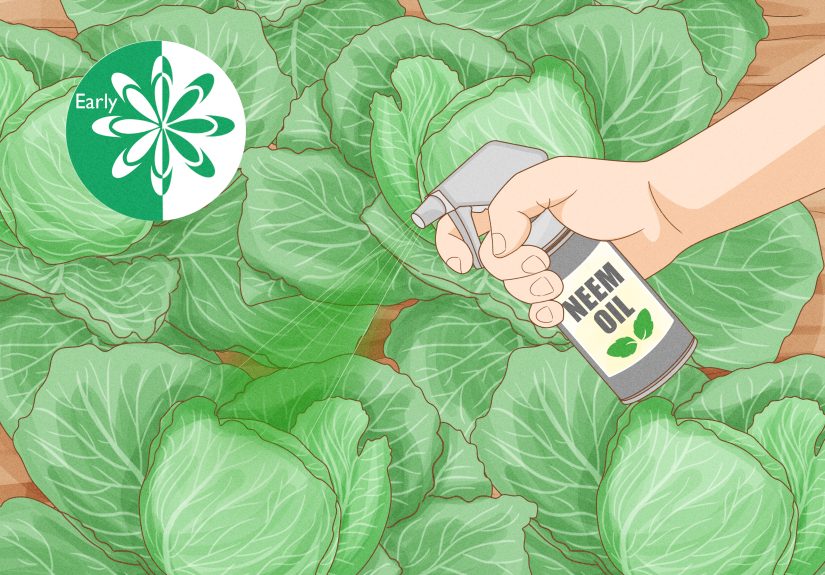
9. Use Insecticidal Soap, Neem, or Other Low-Impact Products on Young Stages
When populations rise above what you can tolerate, lower-impact products can help, especially on nymphs. Insecticidal soaps, neem-based products, horticultural oils, kaolin clay, or certain contact products may reduce feeding or kill younger bugs when applied thoroughly. Coverage matters. Sprays that barely mist the plant and miss the insects are basically garden perfume.
Always read the product label, confirm the crop is listed, and follow all safety directions and preharvest intervals. Do not spray during the hottest part of the day, and avoid treating when pollinators are active on blooming plants.
10. Use Pyrethrin or Pyrethroid Products Only When Necessary
For heavier infestations, gardeners sometimes turn to pyrethrin or pyrethroid-based insecticides. These may work better on nymphs and on adults when sprayed directly, especially early in the morning before the bugs warm up and take flight. Still, broad-spectrum products can also harm beneficial insects and pollinators, so they should not be the first move or the default move.
If you choose this route, spot-treat carefully rather than spraying everything in sight like you are filming an action movie. Precision helps protect helpful insects and reduces unnecessary pesticide use.
The Best Time to Control Leaf-Footed Bugs
The most effective time to control leaf-footed bugs is when you first spot the eggs or the young nymphs. Adults are mobile, harder to kill, and more likely to escape direct sprays. Eggs cannot run. Nymphs cannot fly. That is not just strategy; that is math.
Scout plants at least once or twice a week during warm weather, especially tomatoes, peppers, tomatillos, pomegranates, citrus, and sunflowers. Check stems, leaf midribs, fruit clusters, and any sunny areas where bugs like to gather. If you catch them early, you can often avoid major damage without heavy chemical use.
Common Mistakes Gardeners Make
Ignoring the Eggs
Many people only notice leaf-footed bugs once adults are everywhere. By then, the easy stage is long gone. Egg removal is one of the most underrated control methods.
Spraying Too Late in the Day
Warm adults are active and quick to fly. Morning treatments are often more effective because the bugs are sluggish.
Killing Beneficial Look-Alikes
Misidentifying assassin bugs can make pest problems worse. Learn the difference before you go full executioner.
Letting Trap Crops Become Pest Nurseries
A trap crop only works if you manage it. Otherwise, it becomes a recruiting center.
Relying on One Method Alone
Leaf-footed bug control works best when you combine sanitation, scouting, hand removal, barriers, and selective treatment. One tactic may help. Several tactics usually solve the problem.
How to Prevent Leaf-Footed Bugs Next Season
Prevention starts before the first bug appears. Clean up the garden thoroughly after harvest. Remove dropped fruit, crop residues, and weeds that can support feeding or shelter. Watch for early spring adults, especially if you had infestations the previous year. Use row covers on young plants when practical, and start scouting before fruiting plants become irresistible.
Another smart move is to plant on time. In some regions, earlier planting can help crops mature before leaf-footed bug numbers peak later in the season. That will not make the bugs disappear, but it can shift the timing in your favor.
Final Thoughts
If you are wondering how to kill leaf-footed bugs, the answer is not “spray first and ask questions later.” The best control plan starts with identification, then moves quickly to egg removal, nymph control, sanitation, and targeted treatment only when needed. That approach protects your harvest without turning your whole garden into collateral damage.
In short, leaf-footed bugs are beatable. Annoying? Absolutely. Persistent? Yes. Invincible? Not even close. Once you learn their habits, timing, and favorite hiding places, you can make life much harder for them and much better for your tomatoes.
Extra Experience: What Gardeners Usually Learn the Hard Way About Leaf-Footed Bugs
In real gardens, leaf-footed bug infestations often begin with confusion rather than panic. A gardener notices a few strange brown bugs on tomatoes and assumes they are harmless visitors. Then a pepper develops pale, corky spots. A tomato that looked perfect yesterday suddenly shows yellow blotches and a soft dimple. A week later, the same gardener finds a neat row of bronze eggs on a stem and realizes the “few bugs” have already submitted a change-of-address form for the whole family.
One of the most common experiences is discovering that these pests are far easier to manage early than late. Gardeners who check plants regularly usually say the same thing: once they started looking for eggs and young nymphs, control got easier. Instead of chasing adults with a spray bottle and bad language, they were removing egg chains in seconds and knocking clusters of nymphs into soapy water before serious damage spread.
Another lesson many gardeners learn is that timing beats intensity. A light, consistent response often works better than one dramatic weekend of overreaction. Handpick in the morning. Check the undersides of leaves every few days. Keep weeds down. Remove overripe fruit. Repeat. It is not glamorous, but it works. The opposite approach is also common: someone ignores the problem for two weeks, then tries to solve it with a heroic amount of spraying. Usually the bugs are still around, the beneficial insects are gone, and the gardener is now annoyed on multiple levels.
Gardeners also learn quickly that leaf-footed bugs are masters of ambush by proximity. You may have one tomato plant covered in them while the plant two feet away looks untouched. That uneven distribution can feel random, but it actually helps if you pay attention. The plant that attracts them first can become your scouting station. Check that plant often, and you can catch the next wave before it spreads.
Trap crops teach another memorable lesson. Sunflowers can attract leaf-footed bugs, which sounds brilliant right up until the gardener forgets to monitor the sunflowers. Then the trap crop becomes a pest condo with excellent amenities. Used properly, trap crops can help. Used casually, they become a very efficient bug marketing campaign.
Perhaps the most useful experience-based takeaway is this: good identification prevents bad decisions. More than a few gardeners have nearly wiped out beneficial assassin bugs because the nymphs looked suspiciously similar at first glance. Once you learn to spot the difference, you stop killing allies and start focusing on the real culprits.
So yes, leaf-footed bugs are frustrating. But experienced gardeners tend to end up with the same conclusion. Scout early, act fast, stay consistent, and do not let the adults convince you they are in charge. They are not. They are just freeloaders with fancy legs.