Table of Contents >> Show >> Hide
- Why a Hand Stamped Citrus Wall Works So Well
- Best Places to Use a Citrus Accent Wall
- Supplies You’ll Need
- Pick a Color Palette Before You Pick Up a Brush
- Step 1: Prep the Wall Like You Mean It
- Step 2: Paint the Base Coat
- Step 3: Make the Citrus Stamp
- Step 4: Test the Stamp Before Touching the Wall
- Step 5: Plan the Layout
- Step 6: Stamp the Wall
- Step 7: Add Details and Depth
- How to Make the Wall Look More Expensive
- Common Mistakes to Avoid
- Is a Sealer Necessary?
- Final Thoughts
- Real-Life Experience: What This DIY Actually Feels Like
- SEO Tags
If your walls are feeling a little too beige, a little too boring, and a little too “I gave up sometime around 2023,” a hand stamped citrus wall DIY might be exactly the juicy upgrade your room needs. This project combines the charm of a painted accent wall with the playful, handmade look of block printing. The result is cheerful, custom, and surprisingly classy when done right. Think less kindergarten potato stamp, more boutique breakfast nook in a home you bookmarked and immediately became jealous of.
The beauty of a hand stamped citrus wall is that it looks artistic without demanding mural-level talent. You do not need to be the next great American painter. You just need a smart plan, a simple citrus stamp, a little patience, and the ability to resist dumping half a gallon of paint onto the wall in one emotional moment. In this guide, you’ll learn how to make a stamped citrus wall that looks intentional, polished, and full of personality.
Why a Hand Stamped Citrus Wall Works So Well
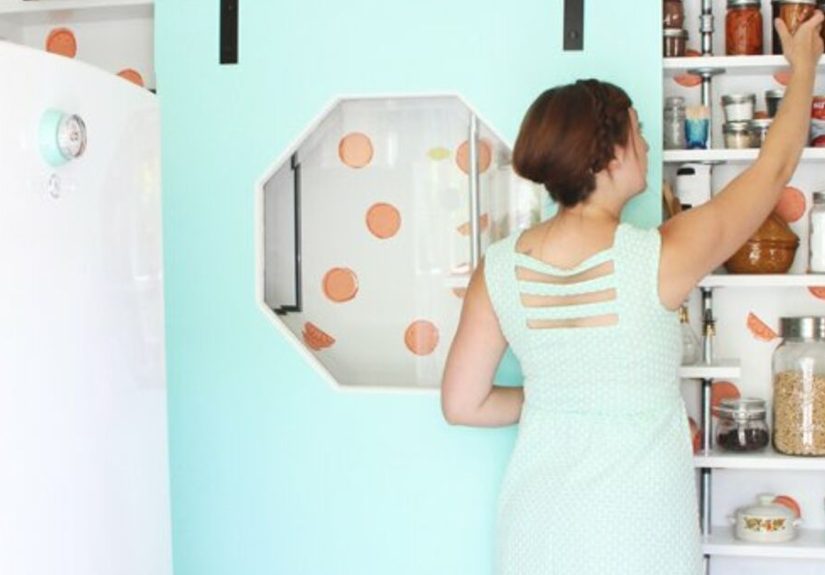
A citrus pattern is one of those rare decorating ideas that feels both fresh and timeless. Lemons, oranges, limes, and grapefruit slices bring natural color, rounded shapes, and a sunny mood to a space. They work especially well in kitchens, breakfast corners, mudrooms, laundry rooms, kids’ play spaces, and even powder rooms that could use a bit of fun.
Unlike wallpaper, a stamped wall DIY gives you more control. You can choose the scale, spacing, color palette, and level of perfection. Want a neat repeated pattern? Go for it. Prefer something loose and organic that feels hand painted? Also great. A citrus wall design can lean whimsical, retro, coastal, cottagecore, or modern depending on the colors and layout you choose.
Best Places to Use a Citrus Accent Wall
Before you break out the paint, decide where this project will live. A hand stamped citrus wall looks best when it has room to stand out. Great options include:
- Kitchen breakfast nooks: A lemon or orange motif feels right at home near coffee, toast, and mild morning chaos.
- Laundry rooms: Citrus makes even folding socks feel slightly less insulting.
- Pantries: A cheerful pattern turns a storage area into a design moment.
- Powder rooms: Small walls are easier to stamp and big on visual payoff.
- Kids’ spaces: Bright fruit shapes feel playful without being cartoonish.
If you’re new to decorative painting, start with one accent wall rather than all four. That keeps the project manageable and helps the citrus pattern feel special instead of overwhelming.
Supplies You’ll Need
One reason this DIY wall art project is so popular is that the supply list is simple. You’re mostly working with standard wall-painting tools plus a handmade stamp.
For the wall
- Interior wall paint for the base color
- Primer, if your wall needs it
- Painter’s tape
- Drop cloths
- Spackling or patching compound
- Fine-grit sandpaper or sanding block
- Microfiber cloth or damp rag
- Roller, tray, and angled brush
For the citrus stamp
- Craft foam sheets or dense foam
- Scissors or craft knife
- Acrylic block, small wood block, or flat scrap wood as the stamp base
- Strong craft glue
- Small foam roller, foam pouncer, or sponge
- Craft paint or sample-size interior paint in citrus colors
- Paper plates or a shallow paint tray
- Pencil, ruler, and optional compass for drawing circles
You can technically stamp with a real orange or lemon half, but for a wall, that usually gets messy fast. It is adorable in theory and chaotic in practice. A handmade foam stamp gives you cleaner lines, better control, and zero chance of your wall smelling like brunch.
Pick a Color Palette Before You Pick Up a Brush
The most successful citrus wall paint ideas start with a limited palette. Choose a base color and two to four accent colors. Here are a few easy combinations:
- Classic fresh: warm white wall, lemon yellow fruit, soft green leaves
- Orange grove: creamy beige wall, orange slices, olive leaves
- Pink grapefruit: blush wall, coral and pale peach citrus, sage green accents
- Modern citrus: white wall, muted mustard, terracotta, dusty green
Test your colors first. A paint shade that looks sunny on a sample card can read neon banana in full daylight. Paint a swatch board or poster board before committing. This is not cowardice. This is wisdom.
Step 1: Prep the Wall Like You Mean It
A beautiful stamped wall starts with a smooth, clean surface. Skip this step, and your cute fruit wall can end up looking like the citrus rolled through a construction zone.
- Remove nails, hooks, outlet covers, and anything else attached to the wall.
- Clean the surface to remove grease, dust, and grime.
- Fill holes or dents with patching compound.
- Once dry, sand rough spots until smooth.
- Wipe away dust and let the wall dry completely.
- Prime if the wall has repairs, stains, dark paint, or uneven sheen.
If you’re working in an older home and you need to sand old painted surfaces, use proper safety precautions and follow lead-safe practices. That is the kind of detail that is not glamorous but is very much smarter than pretending old paint dust is part of the vibe.
Step 2: Paint the Base Coat
Once the wall is prepped, apply your base color. Use a roller for the large surface and an angled brush to cut in around trim, corners, and the ceiling line. Most walls look better with a full, even coat and enough dry time before any decorative work begins. Do not rush into stamping over tacky paint unless your dream aesthetic is “abstract mud.”
Let the base coat cure well before you begin the pattern. A fully dry wall helps your stamp land crisply and reduces the chances of smudging.
Step 3: Make the Citrus Stamp
This is the fun part. Draw a circle on craft foam and cut it out. Inside that circle, create the design of a citrus slice: a ring for the rind and wedge-like segments radiating from the center. Glue the foam pieces onto your stamp base. Keep the design simple and bold, because tiny details tend to disappear once paint enters the chat.
You can make a few variations:
- Full citrus slice for the main pattern
- Half slice for edges and layered layouts
- Small leaf stamp for extra movement
- Tiny dot stamp for seeds or filler accents
Use a foam roller or sponge to apply a thin, even layer of paint to the stamp. Thin is the keyword here. If the stamp is overloaded, the lines blur and the segments lose definition.
Step 4: Test the Stamp Before Touching the Wall
Stamp on kraft paper, poster board, or leftover drywall first. This test run helps you figure out:
- How much paint to load onto the stamp
- How hard to press
- How crisp your lines appear
- Whether your colors look balanced
- How far apart the motifs should be
This is where most of the magic happens. You’ll almost always realize you need less paint and lighter pressure than you thought. The first practice print may look like a fruit medallion. The second may look like a wheel. By the third, you’re in business.
Step 5: Plan the Layout
A good stamped wall pattern feels spontaneous, but it is usually guided by at least a little strategy. Use a pencil, level, and measuring tape to lightly mark the wall. You do not need to draw every fruit, but reference points help keep the pattern from drifting sideways halfway through.
Layout options for a citrus wall DIY
- Grid pattern: neat, evenly spaced rows for a clean, modern look
- Scattered toss: more playful and organic, great for casual spaces
- Vertical columns: ideal for narrow walls or pantry corners
- Border or band: a row of citrus near the ceiling, chair rail, or backsplash area
- Half-drop repeat: a wallpaper-inspired arrangement that looks polished and layered
If you want the wall to feel more designer than crafty, keep the spacing intentional and repeat the stamp in a rhythm. Random is good. Accidentally chaotic is less good.
Step 6: Stamp the Wall
Now for the main event. Start in a less noticeable area or near one corner until you get your rhythm. Load the stamp lightly, line it up, and press it straight onto the wall. Hold for a moment, then lift without sliding.
Work in sections. Reload the paint as needed, but avoid soaking the stamp. If you want a more layered, hand-painted look, let some prints be slightly lighter than others. That small variation actually adds charm.
Tips for crisp results
- Use less paint than you think you need
- Press evenly, not aggressively
- Keep a damp cloth nearby for fast cleanup
- Step back every few rows to check spacing
- Let one color dry before layering another on top
If you make a mistake, wipe it while it is still wet. If it dries, let it cure, paint over it with the base color, and try again. Congratulations: you have now unlocked the true spirit of DIY.
Step 7: Add Details and Depth
Once the main fruit pattern is done, you can stop there or add a few finishing touches. A small brush can help you paint in simple leaves, stems, or tiny shadow details. You can also alternate citrus colors for more movement, such as lemon, lime, and orange repeating across the wall.
Keep these details restrained. The wall should feel fresh and airy, not like a produce aisle exploded. In most cases, a simple fruit slice plus an occasional leaf is enough.
How to Make the Wall Look More Expensive
If you want a hand stamped accent wall that feels elevated, not overly crafty, focus on these upgrades:
- Use a soft, sophisticated background color instead of stark white
- Limit the palette to a few harmonious tones
- Make the pattern slightly oversized for a custom mural feel
- Repeat the same spacing so the design feels intentional
- Style the room simply afterward so the wall becomes the focal point
Pair the finished wall with natural wood, woven textures, brass, white ceramics, or simple linen curtains. The citrus motif already brings the fun. The rest of the room can take a breath.
Common Mistakes to Avoid
- Stamping on a dirty wall: paint adheres better to a clean surface.
- Skipping the test board: your wall is not the place for first-date energy.
- Using too much paint: this causes bleed and mushy lines.
- Ignoring layout marks: patterns can drift fast without guides.
- Overcrowding the design: negative space is your friend.
- Rushing dry time: patience is cheaper than repainting.
Is a Sealer Necessary?
For most indoor accent walls, you do not need a separate topcoat as long as you’re using appropriate wall paint products and the room is relatively low impact. If the wall is in a splash-prone area, such as a breakfast nook near heavy kitchen action, check the paint manufacturer’s guidance before applying any clear protective finish. Compatibility matters, and no one wants a cloudy surprise after all that good citrus work.
Final Thoughts
A hand stamped citrus wall DIY is one of those rare projects that is affordable, creative, and genuinely fun to live with. It brings color, personality, and a custom look to your home without requiring a truckload of supplies or a fine arts degree. Better yet, it is flexible. You can go bold and juicy, soft and vintage, or modern and minimal.
The real secret is not fancy equipment. It is preparation, testing, and restraint. Prep the wall well. Practice your stamp. Use less paint. Trust the pattern. And remember: handmade charm is part of the appeal. If every orange slice looks machine-perfect, you may have accidentally become a wallpaper printer.
Real-Life Experience: What This DIY Actually Feels Like
If you have never made a hand stamped wall before, it helps to know what the experience is really like beyond the pretty final photos. At first, it feels a little ridiculous. You stand there holding a homemade foam orange slice, staring at a clean wall you just painted, and your brain whispers, “Are we sure this is design and not a cry for help?” Then you make the first test print, and suddenly the idea clicks.
The first few stamps are usually the most awkward. You press too hard, or not hard enough. One lemon looks amazing, and the next one looks like it got flattened in cartoon traffic. That is normal. By the time you’ve done a handful of practice prints, your hands start to understand the pressure, the paint amount, and the rhythm. That’s when the project goes from stressful to weirdly satisfying.
One of the best parts of this DIY citrus wall is how quickly the room’s mood changes. Even before the wall is finished, the pattern starts creating energy. A bland little breakfast corner begins to feel brighter. A laundry room suddenly looks like it has opinions. The space stops feeling purely functional and starts feeling styled. That shift is a big reason people fall in love with painted wall projects. The transformation feels personal because you made every part of it.
There is also something refreshing about the handmade quality. In a world full of factory-perfect finishes, a stamped wall has tiny variations that make it feel warm and original. One slice may be slightly lighter. Another may sit a little more tilted. Together, those little imperfections create movement and charm. They read as artistic, not messy, as long as your spacing stays intentional and your colors stay cohesive.
Timing-wise, this project is usually more manageable than people expect. The wall prep can feel like the boring part, but it is what makes the fun part actually fun. Once the base coat dries and the stamp is ready, the process becomes rhythmic. Roll paint, stamp, step back, smile, repeat. You may even hit that rare DIY sweet spot where you lose track of time because you’re too busy admiring your own competence.
Of course, there are little surprises. Your shoulders may complain. Your painter’s tape may decide to be dramatic. You will probably step back at least once and convince yourself the pattern is crooked, only to realize five minutes later that it looks perfectly fine. This is the standard emotional cardio of home projects. Keep going.
What makes the finished result especially rewarding is that guests notice it. Not in a polite “Oh, nice wall” way, but in a “Wait, you did that yourself?” way. It sparks conversation because it does not look generic. A hand stamped citrus wall has personality. It feels cheerful without trying too hard, decorative without being fussy, and playful without turning the room into a theme park fruit stand.
In the end, the experience is less about creating a flawless wall and more about making a space feel alive. You start with paint, foam, and a plan. You end with a room that feels sunnier, more custom, and far more memorable. That is a pretty good return for a weekend DIY, a little patience, and a temporary willingness to have yellow paint on at least one finger at all times.