Table of Contents >> Show >> Hide
- What Is Café Con Leche, Exactly?
- Ingredients and Tools
- The Golden Rule: Strong Coffee + Hot Milk
- Classic Café Con Leche (The Everyday 1:1 Method)
- How to Make It Without an Espresso Machine
- Cuban-Style Café Con Leche (With Sweet “Crema”)
- Flavor Variations That Still Taste Like Café Con Leche
- Ratios That Actually Make Sense (With Examples)
- Milk Temperature and Texture: The Quiet Make-or-Break Detail
- Troubleshooting: Fix Your Cup Fast
- Serving Ideas (Because This Drink Deserves Friends)
- Conclusion
- SEO Tags
Café con leche literally translates to “coffee with milk,” which sounds so simple it almost feels like cheating.
But here’s the twist: when you do it right, it doesn’t taste like “coffee… plus… milk.” It tastes like a
single, cozy thingbold, silky, and balancedlike your morning decided to put on a nice sweater.
This guide walks you through the classic method (no espresso machine required), explains the milk
temperature sweet spot (yes, it matters), and gives you a few regional riffslike Cuban-style café con leche
with that famously sweet, foamy “crema” moment. Along the way, you’ll get practical ratios, flavor tweaks,
and troubleshooting so your mug tastes intentional… not accidental.
What Is Café Con Leche, Exactly?
Café con leche is a traditional coffee drink found across Spain and many Latin American communities. At its
core, it’s strong coffee (often espresso or espresso-like coffee) combined with hot milkusually in a roughly
equal ratio, though plenty of households adjust it to taste.
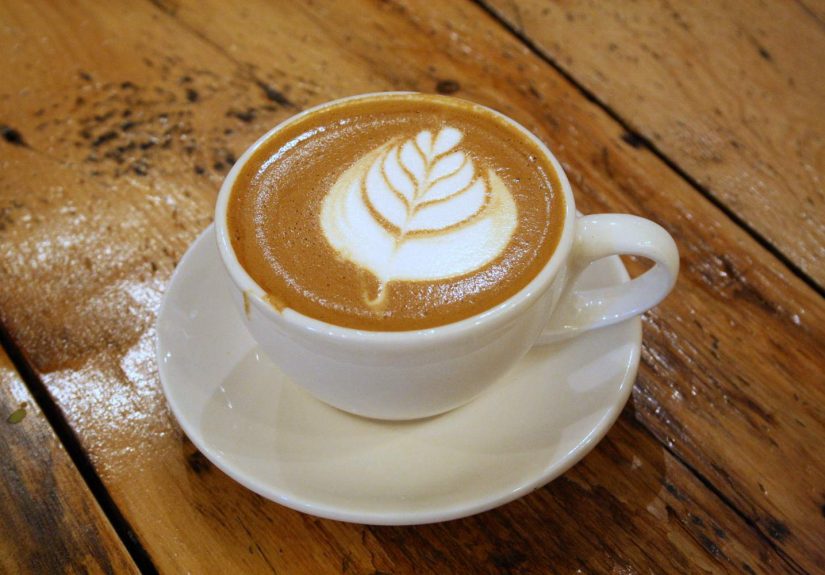
The defining detail isn’t fancy latte art or a towering foam cap. It’s the strength of the coffee and the
properly heated milk that gives the drink its smoothness without tasting watered down or scorched.
Think “comforting café” instead of “coffee shop performance.”
Café con leche vs. latte vs. café au lait vs. cortado
These drinks live in the same neighborhood and borrow each other’s sweaters. The simplest way to tell them apart:
- Café con leche: strong coffee + hot milk, commonly near a 1:1 balance (but flexible).
- Latte: typically more milk than coffee, often with steamed milk texture and a layer of microfoam.
- Café au lait: commonly brewed coffee + hot milk (often not espresso-based), French-style vibe.
- Cortado: smaller drink where espresso is “cut” with a modest amount of milk.
Ingredients and Tools
Ingredients
- Coffee: espresso, moka pot coffee, or very strong brewed coffee
- Milk: whole milk is classic, but 2% or plant milks work with small adjustments
- Sweetener (optional): sugar, brown sugar, or sweetened condensed milk for a richer twist
- Optional flavoring: cinnamon stick, vanilla, or a tiny pinch of salt (seriouslytiny)
Tools (choose your adventure)
- Espresso machine or moka pot or French press/AeroPress/drip coffee maker
- Small saucepan (or microwave-safe mug) for heating milk
- Whisk, handheld frother, or even a jar with a lid (for foam, if you want it)
- Thermometer (optional, but it turns “guessing” into “consistent”)
The Golden Rule: Strong Coffee + Hot Milk
A great café con leche is built on two pillars:
(1) coffee that can stand up to milk, and
(2) milk that’s hot and smooth, not boiled and grumpy.
If your coffee tastes perfect black but disappears once milk shows up, it wasn’t strong enough for this job.
And if your milk tastes “cooked” (or forms a skin like it’s auditioning for a role as “Soup Topper #3”),
it got too hot. The best cups land in the middle: bold coffee, sweet dairy.
Classic Café Con Leche (The Everyday 1:1 Method)
The classic ratio is often described as equal parts coffee and milk. You can absolutely tweak itsome people
prefer more milk for a gentler cup. Start with 1:1, taste, and adjust like a responsible adult who still wants dessert.
Step 1: Brew the coffee (make it stronger than your usual)
Use one of these approaches:
- Espresso machine: pull a standard double shot (about 2 ounces / 60 ml).
- Moka pot: brew as directed; it produces concentrated, espresso-like coffee.
- French press: use a slightly higher coffee dose (or a finer grind) to produce a bolder brew.
- AeroPress: use less water and a shorter brew for a concentrated cup.
- Drip: brew “strong” if your machine has that setting, or increase grounds slightly.
Quick example (single mug): Brew about 4 ounces (120 ml) of strong coffee as your base.
This gives you room to add about 4 ounces (120 ml) hot milk for a balanced 8-ounce drink.
Step 2: Heat the milk to the sweet spot
Heat milk until it’s hot and steamy, but not boiling. If you want a target range, aim for
about 155–165°F (68–73°C). That’s hot enough to feel luxurious and café-like,
without the scorched flavor that shows up when milk goes too far.
Stovetop method: Warm milk in a small saucepan over medium-low heat, stirring occasionally.
Pull it off the heat when you see tiny bubbles around the edge and steam rising.
Microwave method: Heat in a microwave-safe cup in short bursts (30–45 seconds),
stirring between rounds until hot.
Step 3: Optional foam (because texture is fun)
Café con leche doesn’t require thick foam, but a little airy top layer can make it feel extra special.
Whisk the hot milk vigorously, use a handheld frother, or shake warmed milk in a tightly sealed jar
(then pour gently).
Step 4: Combine and sweeten
Pour coffee into your mug, then add hot milk in roughly equal volume. Sweeten to taste.
If you’re using sugar, stir while the drink is hot so it dissolves quickly.
How to Make It Without an Espresso Machine
Option 1: The moka pot method (closest “espresso-like” vibe)
- Fill the moka pot base with water up to the valve.
- Add coffee to the basket (level it; don’t pack it down aggressively).
- Brew over medium heat until the coffee finishes flowing.
- Mix with hot milk in your preferred ratio (start 1:1).
Why it works: moka pot coffee is concentrated enough to keep its personality when milk joins the conversation.
Option 2: Strong French press café con leche
- Add slightly more coffee than usual (or brew with less water).
- Steep about 4 minutes, press, and pour.
- Add hot milk, taste, and adjust.
Option 3: AeroPress “short coffee” café con leche
- Brew a concentrated cup using less water.
- Add hot milk in a 1:1 ratio first.
- Adjust milk amount if you want it gentler.
Cuban-Style Café Con Leche (With Sweet “Crema”)
In many Cuban households and cafés, café con leche often leans sweet, and it may feature a whipped sugar-and-coffee foam
made from the first concentrated drops of coffee. This adds sweetness and a creamy mouthfeel without needing a ton of foam.
How to do the Cuban-style sweet crema
- Put 1–2 tablespoons sugar in a heat-safe cup or small bowl (adjust to taste).
- As your moka pot (or espresso) starts brewing, catch the first teaspoon or so of coffee.
- Whisk that coffee into the sugar quickly until it becomes a pale, creamy paste.
- Finish brewing the coffee, then stir it into the crema.
- Add hot milk and serve.
Tip: This method is fast and a little dramaticin the best way. You’re basically making coffee frosting,
but socially acceptable for breakfast.
Flavor Variations That Still Taste Like Café Con Leche
Spain-style simplicity
Keep it clean: strong coffee + hot milk + optional sugar. Serve in a glass if you want the classic café look.
The goal is balance, not dessert.
Cinnamon-kissed café con leche
Warm your milk with a cinnamon stick, then remove it before combining. This gives gentle spice without turning your drink
into a candle.
Sweetened condensed milk “Spanish latte” twist
If you want it richer and sweeter, stir a spoonful of sweetened condensed milk into the coffee before adding hot milk.
It’s not the only traditional approach, but it’s popular and undeniably cozy.
Dairy-free café con leche
Oat milk is often the easiest swap for creaminess. Soy can foam nicely. Almond milk is lighter and may taste “nutty” next to coffee.
Heat gently and avoid boiling to reduce separation.
Ratios That Actually Make Sense (With Examples)
You’ll see a few common ratios in the wild. Here’s how they taste:
- 1:1 (coffee:milk): bold, balanced, classic café con leche.
- 1:2: milder, creamier, great if you like a softer coffee edge.
- 2:1: stronger and punchier, closer to “milk-cut coffee” territory.
Example for an 8-ounce mug:
Start with 4 ounces strong coffee + 4 ounces hot milk (1:1).
Prefer it gentler? Try 3 ounces coffee + 5 ounces milk (roughly 1:1.7).
Want it bolder? Try 5 ounces coffee + 3 ounces milk (roughly 1.7:1).
Milk Temperature and Texture: The Quiet Make-or-Break Detail
Heating milk isn’t just about “hot.” It changes flavor and texture. Warm milk tastes sweeter than cold milk
because heat makes natural lactose sweetness more noticeable. But boil it and you’ll get a cooked taste that can
overpower the coffee.
If you have a thermometer, aim around 155–165°F. If you don’t:
heat until it’s steaming and you can’t comfortably hold your finger on the side of the pitcher for more than a second or two.
No rolling boil. No lava.
Troubleshooting: Fix Your Cup Fast
“It tastes weak.”
Strengthen the coffee base: use a moka pot, brew with less water, increase grounds, or switch to a darker roast.
Café con leche needs coffee that can stand up to milk.
“It tastes bitter.”
Bitter usually means over-extraction or too-dark coffee for your palate. Try a slightly coarser grind,
shorten brew time (for immersion methods), or add a little more milk. Also: don’t let moka pot coffee sit on the burner
too long once it’s finished.
“My milk tastes weird.”
If it tastes cooked, it got too hot. Heat more gently next time and remove it earlier. Stir while heating to prevent scorching.
“My dairy-free milk separated.”
Some plant milks split when they meet very hot coffee (acidity + heat). Try slightly cooler coffee, slightly cooler milk,
or a barista-style plant milk designed for hot drinks.
Serving Ideas (Because This Drink Deserves Friends)
Café con leche is a breakfast MVP and a solid afternoon pick-me-up. Pair it with toast, pastries, churros,
or something savory if you’re living your best life.
Pro move: Preheat your mug with hot water, dump it, then build your drink. Your café con leche stays hotter longer,
and you feel like a wizard.
Conclusion
Making café con leche at home is less about expensive gear and more about getting the basics right:
brew coffee strong enough to stay present, heat milk to steamy-hot (not boiled), and combine them in a ratio that matches your taste.
Once you’ve nailed the foundation, the variationsCuban sweet crema, cinnamon warmth, condensed milk richnessare just different outfits
for the same comforting idea.
Real-World Café Con Leche Experiences
The funniest thing about café con leche is how quickly it stops being “a recipe” and becomes “a ritual.” It starts innocently:
you warm milk, you brew coffee, you combine them, you feel proud. Thenwithout warningyou begin developing opinions.
Strong opinions. Opinions like: “This tastes better in a glass,” or “This mug heats unevenly,” or “I can hear the milk starting to boil
from across the room, and I will not allow it.” Congratulations. You have become the café con leche person in your household.
One of the most common real-life moments happens the first time you switch from regular drip coffee-with-a-splash-of-milk to a concentrated
coffee base with a true 1:1 ratio. The drink suddenly feels unifiedlike the coffee and milk signed a peace treaty. It’s not just “coffee
plus dairy.” It’s rounded, mellow, and still unmistakably coffee. The experience is especially noticeable if you normally take your coffee
black, because café con leche doesn’t taste like you “diluted” anythingit tastes like you “built” something.
If you use a moka pot, there’s an entire sensory side quest attached: the aroma that shows up early, the gentle sputter as it finishes,
and that tiny window where the coffee is perfect and you feel like a pro. People often describe it as oddly calminguntil they forget and let
it keep heating, which is when the flavor can turn from “bold” to “why is this angry?” That little lesson becomes part of the experience, too:
café con leche rewards attention, but it also forgives you quickly if you adjust the milk ratio and keep moving.
The milk portion has its own “aha” moment. The first time you heat milk to the right temperaturehot, steamy, not boilingyou realize why cafés
obsess over it. Properly heated milk tastes sweeter and smoother, and it makes the coffee taste more chocolatey and less sharp. Many home cooks
notice they need less sugar when the milk is heated correctly. And when you whisk or froth it just a bit, the drink gets this gentle top layer
that feels indulgent without being heavy. It’s the difference between “I made a drink” and “I made a moment.”
Then there’s the social experience. Café con leche is the kind of drink people offer guests because it’s welcoming and customizable. Someone who
likes bold coffee can go 2:1. Someone who wants it mellow can go 1:2. You can put out sugar, cinnamon, and maybe a splash of vanilla, and suddenly
you’re hosting a tiny coffee bar without even trying. The drink scales beautifully for brunch, too: brew a bigger batch of strong coffee, keep milk
warm on low heat (stirring so it doesn’t scorch), and let everyone build their cup. It feels communal in a way that “grab a pod” never quite does.
Over time, people tend to attach café con leche to specific parts of their day: slow weekend mornings, a mid-afternoon reset, the post-lunch pause
when you want something comforting but not dessert. The “experience” becomes less about perfect technique and more about familiarityknowing how hot
the milk should feel, knowing how strong you like the coffee, knowing exactly which mug makes it taste like home. That’s the real payoff:
a simple drink that turns into a small daily luxury you can actually repeat on purpose.