Table of Contents >> Show >> Hide
- What Makes a Hat an “Ushanka”?
- Plan Your Ushanka: Fit, Warmth, and “Do I Want Fluffy Drama?”
- Supplies and Tools Checklist
- Pattern Options: Draft Your Own or Start From an Earflap/Trapper Base
- Cutting Faux Fur Without Turning Your House Into a Snow Globe
- Step-by-Step: Sew a Classic Ushanka (Faux Fur Outer + Warm Lining)
- Pro Tips for Sewing Faux Fur (So Seams Look “Magic” Instead of “Math”)
- Design Variations That Make Your Ushanka Look Custom
- Care and Storage
- Troubleshooting (Because Sewing Has Plot Twists)
- Conclusion: Your Winter, Your Rules
- Experience Notes: What Makers Learn After Their First Ushanka (and Wish They Knew Earlier)
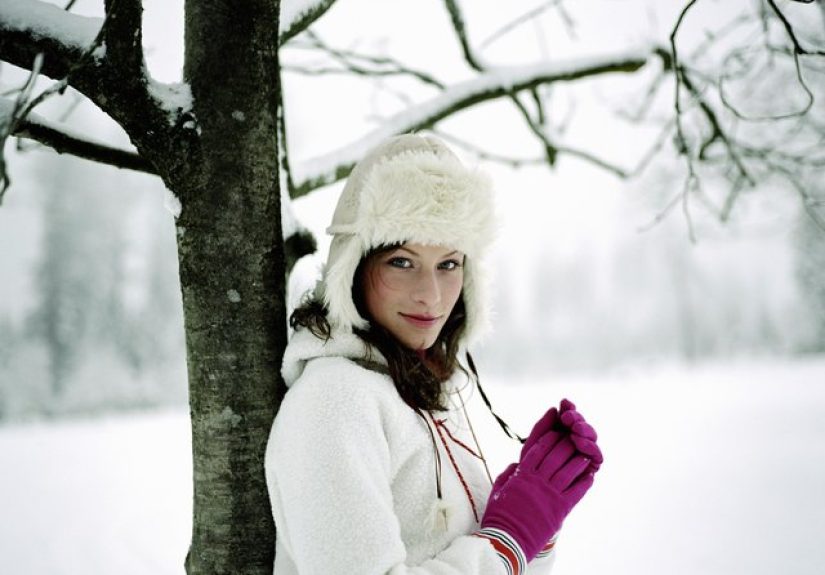
Some winter hats whisper “cozy.” An ushanka shows up in a fur-lined swagger and announces, “I laughed at the weather forecast.” Traditionally, an ushanka is a warm hat with ear flaps you can tie up on the crown or fasten under your chinaka a trapper/bomber/earflap hat’s most iconic cousin.
This guide walks you through how to make an ushanka hat with a clean, wearable finishwhether you’re sewing with faux fur, fleece, wool blends, or a quilted shell. We’ll cover planning, pattern choices, cutting tips (so your workspace doesn’t look like a shed husky exploded), step-by-step assembly, and pro tricks that make the hat look store-bought in the best way.
What Makes a Hat an “Ushanka”?
An ushanka hat has a few signature elements:
- Crown: the top of the hat (often rounded or slightly boxy).
- Ear flaps: side flaps that cover ears and cheeks; they can tie up or down.
- Front flap: a short brim-like piece (optional, but very “ushanka”).
- Back flap: a neck guard (optional, but highly recommended if wind is rude where you live).
- Warm lining: fleece, faux fur, sherpa, flannel, quilted liningpick your comfort level.
- Ties/closures: straps, snaps, buttons, or toggles to secure the flaps.
Plan Your Ushanka: Fit, Warmth, and “Do I Want Fluffy Drama?”
1) Measure Your Head (So the Hat Doesn’t Become a Headband)
Use a soft tape measure around your head where the hat will situsually across the forehead and around the widest part of the back of your head. Common adult measurements fall around 21–24 inches. Write your number down. Then decide how you like hats to fit:
- Snug fit: subtract about 1/4 inch (especially if using stretchy fleece).
- Comfort fit: use your exact measurement.
- Roomy fit: add 1/4–1/2 inch (useful if you’ll wear it over thick hair or a thin beanie).
2) Choose Fabrics That Match Your Climate
Think of fabric selection like choosing a winter playlist: what works for “crisp autumn” is not always built for “wind trying to steal your soul.” Great options include:
- Outer shell: faux fur, wool coating, heavy fleece, canvas, denim, twill, quilted nylon.
- Lining: fleece, microfleece, flannel, sherpa, faux fur, minky, quilted lining.
- Insulation (optional): fusible fleece, batting, or a thin insulating layer for extra warmth.
Pro comfort tip: If your outer is faux fur, consider a smoother lining (fleece or quilted lining) around the forehead. Faux fur is warm, but “fluffy forehead” isn’t everyone’s vibe.
3) Decide Your Ushanka Style
Pick one of these builds based on your patience and your fabric stash:
- Classic faux fur outer + fleece lining: warm, iconic, beginner-friendly.
- Wool outer + faux fur lining: looks high-end and handles wind well.
- Reversible ushanka: two “good sides,” great for gifting, slightly more detail work.
- Quilted shell + fleece lining: sporty, lighter bulk, easy to clean.
Supplies and Tools Checklist
- Sewing machine (a basic one works!) + thread
- Universal or denim/jeans needle (heavier fabrics may need a sturdier needle)
- Walking foot (helpful, optionalbut great for slippery or thick layers)
- Fabric scissors, clips (or pins for non-fur fabrics), ruler, marking tool
- Hand-sewing needle (for closures and finishing touches)
- Optional: fusible fleece or batting for insulation, interfacing for structure
- Closure: ribbon ties, twill tape, elastic loops + buttons, snaps, or toggles
Pattern Options: Draft Your Own or Start From an Earflap/Trapper Base
Option A: Use an Earflap/Trapper Hat Pattern
If you want the fastest route to “wow, I made this,” start with an earflap or trapper hat pattern and add the ushanka details (front flap + optional back flap + fur trim). Many patterns already solve the tricky geometry: how the crown meets the side panels and how ear flaps sit comfortably.
Option B: Draft a Simple Ushanka Pattern (Beginner-Friendly)
This approach uses common hat shapes and lets you customize the ear flaps and flaps placement.
Pieces you’ll draft:
- Side band: a long curved rectangle that wraps the head
- Crown: one oval OR 4–6 “wedge” panels (gores) for a rounded top
- Ear flaps: two mirrored pieces shaped like a rounded triangle with a soft curve
- Front flap: a short rounded flap (like a mini brim)
- Back flap (optional): a wider flap that protects the neck
Quick drafting idea (works great for fleece and many linings):
- Measure head circumference (example: 23″).
- Decide seam allowance (example: 3/8″).
- Draft the side band length at about head circumference + ease (0 to 1/2″), plus seam allowance at ends.
- Band height is typically 4–5.5 inches depending on how deep you want the hat.
- Crown oval: start around 1/3 of circumference for the width and adjust during a test fit (a paper mockup helps).
Yes, hat geometry feels like it was invented by someone who hates beginners. That’s why a quick test fit (paper or cheap fleece) is your best friend.
Cutting Faux Fur Without Turning Your House Into a Snow Globe
1) Respect the Nap (The Fur’s Direction)
Faux fur has a “nap,” meaning the fibers lay in a direction. For an ushanka, you usually want the nap to flow downward from crown to flaps. Mark arrows on the back of your pattern pieces so every piece is cut consistently.
2) Cut From the Back, Not Through the Pile
To avoid chopping the fibers (and to keep seams neat), cut faux fur from the backing side. Use the sharpest scissors you own and take small snipsdon’t bulldoze through the pile. If you use a craft blade for the backing, do it carefully and slowly, on a protected surface, and consider having an adult help supervise if you’re newer to cutting tools.
3) Control the Mess
Faux fur sheds. Plan for it like it’s a guest who “just needs a place to stay for one night.” Helpful tactics:
- Cut on a hard surface you can wipe down.
- Keep a small vacuum or lint roller nearby.
- Wear a mask if the fuzz kicks up easily.
- After cutting, shake pieces outside (or gently brush loose fibers into a trash bin).
Step-by-Step: Sew a Classic Ushanka (Faux Fur Outer + Warm Lining)
This build gives you the classic look with a comfortable lining. Adjust seam allowances to match your pattern (common: 3/8″ or 1/2″).
Step 1: Cut Your Pieces
Cut each pattern piece from:
- Outer fabric (faux fur or shell fabric)
- Lining (fleece, flannel, quilted lining, etc.)
- Optional insulation (fusible fleece/batting) for the crown and side band
Label everything. Faux fur looks identical when it’s in a pile. Your future self will thank you.
Step 2: Prep the Flaps
For each flap (ear, front, back):
- Place outer and lining pieces right sides together (fur side to lining side).
- Stitch around the curved edges, leaving the top edge open (the edge that will attach to the hat).
- Trim seam allowance slightly on curves (notches help it lie flat).
- Turn right side out, then topstitch close to the edge if your fabric allows (topstitching on long-pile fur can disappear, which is great).
Comfort note: On ear flaps, many people prefer the lining side against the skin (fleece feels softer than fur for some). You can also make the ear flaps fully fur-lined for maximum warmth. Your ears, your rules.
Step 3: Sew the Outer Hat Shell
Your pattern may vary, but the usual sequence is:
- Sew crown panels together (or attach the crown oval to the side band).
- Sew the side band into a loop (if it’s a separate piece), then attach it to the crown.
- If your pattern uses side panels instead of a band, stitch the panels into a “bowl” shape, then close the top seam.
Faux fur sewing tip: Use a slightly longer stitch length and guide the fur away from the seam line as you sew so it doesn’t get trapped inside the stitches.
Step 4: Sew the Lining Hat
Repeat the same steps as the outer shellcrown + sidesusing your lining fabric. If you’re adding insulation, fuse it to the lining pieces (or baste it) before assembling.
Step 5: Position and Attach the Flaps to the Outer Shell
This is where it starts looking like a real ushanka.
- With the outer shell right side out, pin or clip the flaps to the lower edge (raw edge aligned with the shell’s raw edge).
- Place ear flaps centered over the ears (usually slightly behind the midpoint of the hat’s side).
- Front flap goes centered at the front; back flap centered at the back.
- Baste the flaps in place within the seam allowance.
Fit check: Try the shell on before you sew everything permanently. Make sure the ear flaps cover ears comfortably without pulling the crown forward or back.
Step 6: Join Outer and Lining
- Turn the lining inside out.
- Insert the outer shell into the lining so right sides are together (outer fur side facing lining right side).
- Match seams and clip/pin around the bottom edge, sandwiching the flaps in between.
- Stitch around the bottom edge, leaving a 3–4 inch turning gap (often at the back).
Step 7: Turn, Shape, and Finish the Bottom Edge
- Turn the hat right side out through the gap.
- Push the lining inside the outer shell and smooth the seam.
- Close the turning gap by hand stitching or a neat topstitch.
- Topstitch around the bottom edge if your fabric combination allows (it helps keep lining from rolling out).
Step 8: Add Closures (The “Actually Wear It Outside” Step)
Classic options:
- Ties: add twill tape or ribbon to the ends of ear flaps.
- Buttons + loops: sew elastic loops to one flap and buttons to the other.
- Snaps: great for a clean finish; reinforce the area with interfacing.
- Toggles: cozy, outdoorsy look.
Also consider adding a way to fasten the ear flaps up on the crown (a small button or snap near the top works well). That’s the classic ushanka silhouette.
Pro Tips for Sewing Faux Fur (So Seams Look “Magic” Instead of “Math”)
- Brush fibers out of seams: After sewing, use a comb or your fingers to pull trapped fur out of the seam line so stitches disappear.
- Trim pile in seam allowance: Reduces bulk and helps seams lie flatter.
- Longer stitch length: Thick fabrics can pucker with tiny stitches; longer stitches often feed better.
- Use clips instead of pins: Faux fur backings can be thick; clips keep layers aligned without distortion.
- Go slow over bulky intersections: Especially where flaps meet the side seam. If needed, hand-walk the machine (turn the handwheel) over thick spots.
Design Variations That Make Your Ushanka Look Custom
1) Add a Quilted Crown for Structure
If your fur is super floppy, a quilted lining or a thin layer of insulation in the crown adds structure and warmth. It can also make the hat look more “tailored” and less “sleepy teddy bear.”
2) Make a Two-Tone Ushanka
Use a wool or canvas shell with faux fur only on the flaps. You get the ushanka vibe without committing to full “winter luxury pelt energy.”
3) Make It Reversible
Choose two fabrics you love, skip topstitching that would look weird on one side, and place closures so they work either way (snaps are great here).
4) Adjust for Kids (or Small Heads)
Kids’ hats benefit from softer closures (ties instead of hard hardware) and slightly longer ear flaps for coverage. Always test fit with a quick mockup if you’re resizing.
Care and Storage
- Spot clean first: especially for faux fur.
- Check your fabric labels: some faux fur and quilted shells can be gentle-washed; others prefer hand washing.
- Air dry: heat can flatten pile and distort synthetic fur.
- Store fluffy hats loosely: crushing faux fur for months can make it look tired. Give it space like it’s a diva coat.
Troubleshooting (Because Sewing Has Plot Twists)
My hat is too tight.
This usually happens when seam allowances eat your circumference or the lining is bulky. Fixes: reduce seam allowance slightly on the side seams, or add a small panel at the back seam. For future hats, add 1/4–1/2 inch ease.
My hat is too loose.
Take in the back seam or add a short elastic section in the back lining band. For fleece, you can reduce ease next time.
My seams look bald.
Brush the pile out of the seam line. If you cut through the fur fibers, the seam can look “trimmed.” Cutting from the backing side helps prevent this.
My machine hates the thickness.
Try a heavier needle, longer stitch length, and slower speed. A walking foot can help layers feed evenly.
Conclusion: Your Winter, Your Rules
Making an ushanka hat is one of those projects that looks intimidatinguntil you realize it’s just a warm crown plus smartly placed flaps. Focus on fit, keep the nap direction consistent, and treat bulky layers with patience. Do one test fit, sew slowly over thick spots, and brush out seams like you’re giving your hat a tiny spa day.
Once you’ve made one, you’ll start imagining versions for every scenario: a sleek quilted commuter ushanka, a full faux-fur “snow monarch” ushanka, or a wool-and-sherpa classic that looks like it walked out of a vintage ski lodge. And the best part? Your ears will finally stop sending complaint emails.
Experience Notes: What Makers Learn After Their First Ushanka (and Wish They Knew Earlier)
Most people don’t “accidentally” make a perfect ushanka on the first try. Not because it’s impossiblebecause hats have sneaky variables: fabric thickness, nap direction, and the fact that human heads are not identical round balloons (even if some days feel like they are). The good news is that the learning curve is friendly, and the second ushanka is often the one that makes you say, “Oh. I get it now.”
The first big realization is fit. A paper pattern can look correct and still feel tight once you add faux fur, insulation, and a lining. Makers often learn to treat “bulk” like it’s part of the measurement. If you’re using thick faux fur plus a fluffy lining, adding a little ease isn’t cheatingit’s comfort engineering. Many people also discover that the best fit isn’t always the same front-to-back as it is side-to-side. If your hat wants to slide forward, shifting the ear flaps slightly back can balance the silhouette and keep the crown centered.
The second lesson is about faux fur behavior. Faux fur is forgiving visually (it hides stitches like a champ) but demanding during construction. Makers commonly notice that seams look “flat” until they brush the fur out of the seam linethen suddenly everything looks professionally finished. The “aha” moment is realizing that finishing faux fur is half sewing, half grooming. A quick comb-out can be the difference between “DIY” and “did you buy that?”
Then there’s the bulk crossroads: where ear flaps meet the side seam, and where front/back flaps stack with the lower edge seam. Makers often learn to plan those intersections. One smart trick is to reduce layers wherever you can: trim seam allowances, grade layers (trim one seam allowance narrower than the other), and reinforce only the closure points instead of adding interfacing everywhere. It’s also common to learn that clips can be easier than pins for thick stacksespecially if your fabric backing is stiff or your layers keep shifting.
Closures are a surprisingly personal choice. Some people love ties because they’re soft and adjustable. Others find ties annoying (dangling ends, knots, wind). Snaps feel sleek and quick, but they need reinforcement so they don’t rip out over time. Buttons and loops look classic, but you want to place them so the flaps sit comfortably against the jaw without squeezing. Makers who gift ushankas often choose closures based on the recipient: snaps for commuters, ties for kids, toggles for “cabin-core” aesthetics.
Finally, people learn that an ushanka is a style playground. Once the basic construction makes sense, the hat becomes a canvas: contrast flaps, quilted crowns, faux fur trim only on the edges, or a reversible version that flips from “practical” to “dramatic” depending on mood. The most common experience is this: you start making one ushanka, finish it, try it on, and immediately start planning the next one. Winter may be cold, but your sewing queue will be warm.