Table of Contents >> Show >> Hide
- Step 1: Start With the Backpack Itself (Because the Bag Matters)
- Step 2: The “Backpack Physics” Rule (How to Pack It Without Wrecking Your Back)
- Step 3: The Core “Teen Girl Backpack Essentials” Checklist
- Step 4: Pack for Your Schedule (Not for Every Possible Timeline)
- Step 5: Organization Tricks That Actually Work
- Step 6: Keep It Comfortable and Backpack-Safe
- Step 7: A Simple 3-Minute Packing Routine (Night + Morning)
- Real-Life Packing Experiences (The Stuff You Learn the Hard Way)
- Conclusion
Packing a school bag is basically a daily game of “What will I need to survive six classes, one pop quiz, and a hallway traffic jam that feels like a music festival?” The goal isn’t to carry your entire bedroom on your back. The goal is to pack smart: the right stuff, in the right place, with enough organization that you’re not digging for a pencil like it’s an archaeological excavation.
This guide breaks down exactly how to pack a school bag (without overpacking), plus the best teen girl backpack essentials to keep you prepared, comfortable, and low-key unbotheredeven when your schedule is chaotic.
Step 1: Start With the Backpack Itself (Because the Bag Matters)
Before we talk supplies, let’s talk backpack basics. A good school backpack should feel like an upgradenot a punishment. Look for features that make daily carrying easier:
- Wide, padded shoulder straps (thin straps = shoulder pain, no thanks).
- A padded back panel to make books/laptops less pokey.
- Multiple compartments so everything has a home (and doesn’t become a snack-and-pencil dust soup).
- A laptop sleeve if you carry a device.
- Water bottle pocket on the outside (so leaks don’t happen inside).
- Optional chest/waist strap if you carry heavier loadshelps with stability.
Fit is also a big deal. Ideally, your backpack sits comfortably on your back and doesn’t hang super low. If it’s bouncing on your lower back like a trampoline, tighten the straps. If it’s riding up near your neck like it’s trying to become a scarf, loosen a bit.
Step 2: The “Backpack Physics” Rule (How to Pack It Without Wrecking Your Back)
If you only remember one thing from this article, make it this: heavy items go closest to your back. That’s the easiest way to keep the weight centered and reduce strain.
The quick packing order
- Heaviest (textbooks, binder, laptop) in the main compartment, closest to the back panel.
- Medium weight (notebooks, planner, lunch) next, toward the middle.
- Light stuff (pencil pouch, small cosmetics bag, chargers) toward the front pockets.
- Liquids (water bottle) in an outside pocket whenever possible.
Also: use both shoulder straps. One-strap carrying might look cool for exactly seven seconds, until your shoulder starts filing formal complaints.
Step 3: The Core “Teen Girl Backpack Essentials” Checklist
The perfect backpack is built around daily must-haves plus a few “I’ve got myself covered” items. Think: prepared, not overloaded.
School essentials (the non-negotiables)
- Planner or school agenda (paper or digitaljust pick one and actually use it).
- Notebook(s) or binder for the day’s classes.
- Pencil pouch with pencils, pens, highlighters, eraser, and a spare.
- Calculator (if needed for math/science).
- Index cards or sticky notes for quick studying or reminders.
- Student ID, locker key, or bus pass (in a zip pocket so it doesn’t disappear).
Tech essentials (for modern school life)
- Laptop/Chromebook or tablet (if required).
- Charger (the “I forgot it” regret is real).
- Earbuds or headphones for study periods (if allowed).
- Portable power bank (optional, but clutch on long days).
- A small cord organizer so your bag doesn’t become a tangled octopus.
Hydration and snack basics
- Reusable water bottle (outside pocket!).
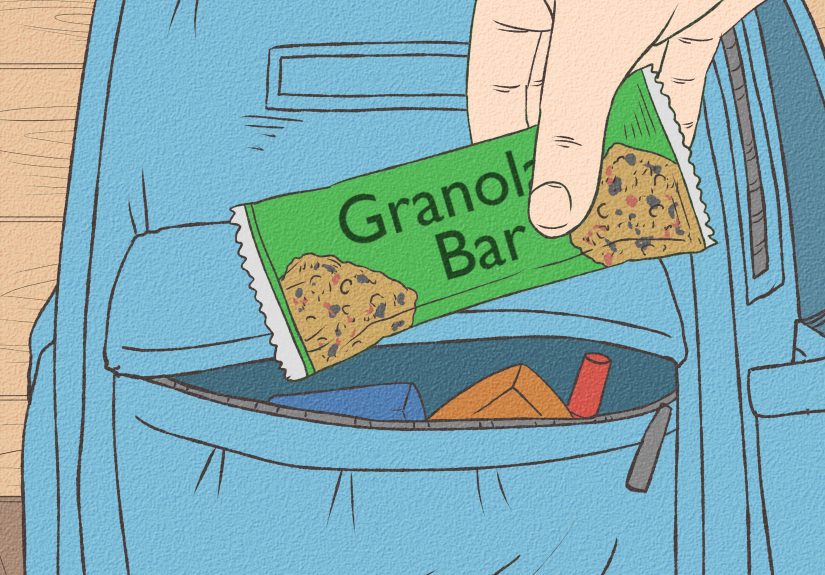
- Small snack like granola bars, crackers, or trail mix for after-school activities.
- Napkins (because sometimes the cafeteria is… adventurous).
Hygiene and “feel-good” essentials
These aren’t “extra.” These are the difference between feeling gross all day and feeling like a functional human.
- Tissues (for allergies, cold classrooms, or the occasional dramatic moment).
- Hand sanitizer (especially after lunch or group work).
- Lip balm (dry lips are distracting).
- Hair ties and bobby pins (because hair has a talent for chaos).
- Mini deodorant (stick or roll-on usually travels better than spray).
- Travel-size lotion (winter hands get rough fast).
- Small pack of wipes (handy for spills or quick cleanups).
A discreet “period-prep” pouch (for anyone who menstruates)
If you’ve ever had your period show up early, you already know why this matters. A small pouch keeps everything private and easy to grab.
- Pads or liners (a couple is usually enough for backup).
- Tampons (only if you use them).
- Spare underwear (rolled small in the pouchfuture you will be grateful).
- A zip bag for discreet storage if you need it.
- Wipes or tissues for quick cleanup.
Pro tip: restock the pouch once a week. Running out right when you need it is the kind of plot twist nobody asked for.
Mini emergency kit (small, but powerful)
You don’t need a full hospital in your backpackjust a few basics.
- Bandages (a couple sizes).
- Antiseptic wipes (for small scrapes).
- Mini pack of tissues (again, always useful).
- Safety pin (button emergencies happen).
- A spare phone contact card (good idea even if you have a phone).
Important: rules vary by school. If you’re thinking about carrying any medication, follow school policy and talk with a parent/guardian or school nurse first.
Step 4: Pack for Your Schedule (Not for Every Possible Timeline)
The fastest way to a heavy backpack is packing for a day you’re not actually having. Use your schedule to pack what you needand leave the rest at home or in your locker.
Example: “Regular class day” loadout
- Planner
- 2–3 notebooks or one binder with dividers
- Pencil pouch
- Device + charger (if needed)
- Water bottle
- Hygiene pouch
- Snack (optional)
Example: “PE day” loadout
- Everything above, plus:
- Small gym bag (if allowed) or a dedicated compartment pouch
- Deodorant and hair ties (mandatory for post-PE confidence)
- Mini towel (optional but useful)
Example: “After-school club or practice” loadout
- Snack and/or small lunch add-on
- Portable charger if you’ll be out late
- Extra layer (light hoodie) if your school is freezing
Step 5: Organization Tricks That Actually Work
“Organized backpack” sounds like a mythical creature, but it’s realif you give everything a category.
Use the pouch system
- Pencil pouch: writing tools only.
- Tech pouch: charger, cables, earbuds.
- Hygiene pouch: sanitizer, lip balm, deodorant, hair ties.
- Period-prep pouch: keep it separate and discreet.
Do a weekly “backpack reset”
Pick one day (Sunday night works) and do a 5-minute cleanout:
- Throw out trash (wrappers, old handouts you don’t need).
- Move papers into folders.
- Restock essentials (tissues, pads, wipes).
- Check pens/pencils (the “why do I have zero ink?” surprise is avoidable).
Make “grab-and-go” pockets
Put your most-used items in the easiest place:
- Front pocket: tissues, lip balm, hand sanitizer.
- Small zip pocket: ID, keys, bus pass, a little cash (if you carry it).
- Main compartment: books and binder close to your back.
Step 6: Keep It Comfortable and Backpack-Safe
A school backpack shouldn’t feel like you’re training for an extreme hiking show. If it’s too heavy, it can cause discomfort and make you lean forwardyour body’s way of saying, “Please stop.”
Comfort rules that save your shoulders
- Wear both straps to distribute weight evenly.
- Tighten straps so the bag sits snugly against your back.
- Use all compartments so weight isn’t pulling in one direction.
- Pack heavy items close to your back (yes, we’re repeating itbecause it works).
- Lighten the load by carrying only what you need for that day.
Warning signs your backpack is too heavy
- You lean forward when wearing it.
- Your shoulders hurt or you get red strap marks.
- You struggle putting it on or taking it off.
- You feel numbness or tingling (not normallighten up and tell an adult).
Step 7: A Simple 3-Minute Packing Routine (Night + Morning)
Night before (2 minutes)
- Check tomorrow’s schedule.
- Pack the right notebooks/binder sections.
- Charge your device and put the charger in the tech pouch.
- Refill water bottle (or set it by your bag).
Morning (1 minute)
- Add lunch/snack.
- Grab your water bottle.
- Quick pocket check: ID/keys/phone.
This routine sounds small, but it prevents the classic morning chaos: “Where’s my charger?” “Why is my homework not here?” “Who put three random rocks in my backpack?” (It’s always a mystery.)
Real-Life Packing Experiences (The Stuff You Learn the Hard Way)
Let’s be honest: nobody becomes a backpack organization genius overnight. Most of us learn by living through tiny school-day disasters and deciding we don’t want a sequel. Here are a few real-life style lessons that make your “how to pack a school bag” routine actually stick.
1) The “leaky water bottle incident” is a canon event. It happens when your bottle is tossed into the main compartment next to worksheets you definitely needed. The fix is simple: always use the outside pocket, and if your backpack doesn’t have one, keep the bottle upright in a corner and place it in a sealed sleeve or pouch. Bonus points if you do a quick cap-check before you zip upfuture you will respect this.
2) The charger is either with you… or it doesn’t exist. The amount of panic caused by a dying Chromebook at 1:12 p.m. is unreal. The trick is to stop treating your charger like a free-range animal. Give it a home (a tech pouch), and it lives there. When you get home, it either stays in the pouch or goes directly to charging your deviceno couch detours where it disappears into the cushion dimension.
3) Pencil pouches are less about aesthetics and more about sanity. You don’t want to be the person dumping an entire backpack on the floor to find one pen. (And if your school has tile floors, everything you own will scatter like confetti.) Keep your writing tools in one pouch and restock once a week. If you’re always losing pens, add two cheap backupsthis is not the time for moral purity.
4) “Just in case” is good… until it’s 47 pounds of “just in case.” The biggest backpack mistake is packing for every possible scenario: extra shoes, three novels, a full-size hairspray, and a folder from last semester you’re emotionally attached to for no reason. A smarter approach is to pack for tomorrow, not for the entire school year. If you have a locker, use it. If you don’t, use a weekly reset to remove anything you haven’t touched in five days.
5) The period-prep pouch is confidence in bag form. Even if your period is regular, school schedules aren’t. Having a small, discreet pouch means you’re not stressed, you’re not improvising with questionable amounts of toilet paper, and you can help a friend if they need it. The experience-based tip here is to keep it simple: a couple pads/liners, wipes or tissues, and spare underwear. Restock on the weekend. It’s a quiet little system that makes school life smoother.
6) Your backpack should support your daynot become the day. When your bag is too heavy, it affects everything: how you walk between classes, how tired you feel, and whether your shoulders ache by lunchtime. The practical trick many students swear by is keeping the heaviest items closest to your back and tightening the straps so the bag sits snugly. It looks more put-together and feels way better. Also, wearing both straps is the easiest “instant upgrade” you can doyour posture will thank you.
Packing well is less about being perfect and more about building a routine you can repeat on busy mornings. If your bag is organized, your day feels calmereven when the day itself is not calm. And that’s the real goal: fewer surprises, more control, and zero emergency backpack archaeology.
Conclusion
When you know how to pack a school bag the smart way, you stop carrying extra weightphysically and mentally. The best teen girl backpack essentials are the ones that support your real day: school supplies you’ll use, a few comfort items that keep you feeling fresh, and small emergency backups that save you from awkward moments.
Keep it simple, pack heavy items close to your back, use pouches to stay organized, and do a weekly reset so your backpack doesn’t turn into a chaotic time capsule. Your shouldersand your future selfwill be very grateful.