Table of Contents >> Show >> Hide
- Before you lift: 3 quick safety checks
- How to pick up a dog properly: 7 steps
- Size and body-shape tweaks
- Special situations: pain, injury, fear, and “no thank you” dogs
- Common mistakes (and why dogs hate them)
- Teach a pick-up cue: cooperative care in real life
- FAQ
- Conclusion
- Real-life experiences and lessons learned
Picking up a dog looks like the simplest part of pet parentinguntil you do it wrong and your dog turns into a wiggly eel, yelps, or gives you that “human, why?” side-eye. The truth is: lifting is a handling skill. Done well, it keeps your dog comfortable, protects sore backs and shoulders (yours and theirs), and helps prevent the classic “oops” momentsscratches, twists, dropped dogs, and accidental nips from startled pups.
This guide explains how to pick up a dog properly in seven clear steps, with practical tweaks for puppies, long-backed breeds, seniors, and nervous dogs. You’ll also get a quick training plan (cooperative care) so your dog can opt in instead of feeling ambushed.
Before you lift: 3 quick safety checks
1) Ask: “Do I actually need to pick my dog up?”
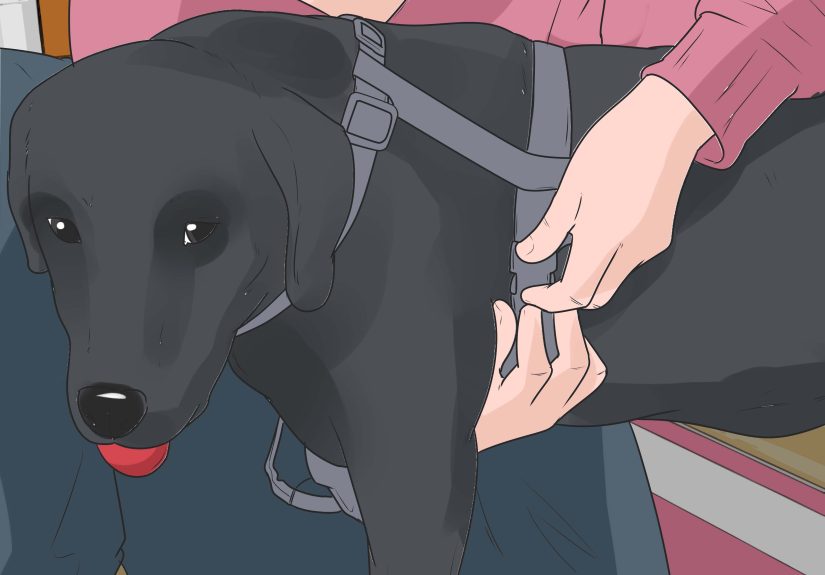
If your dog can walk safely, letting them walk is usually less stressful than being hoisted into the air. Save lifting for true needs: moving away from a hazard, getting into a car, stepping onto a vet scale, navigating stairs when mobility is limited, or supporting a dog who can’t stand well. When possible, use ramps, stairs, or a harness assistespecially for bigger dogs.
2) Read body language like it’s a text message
Dogs communicate “no thanks” with stiffening, leaning away, tucked tail, whale eye (showing the whites), lip licking, growling, or freezing. If you see that, pause. A fearful or painful dog is more likely to snapnot because they’re “bad,” but because they’re protecting themselves. The safest lift is the one you don’t force.
3) Protect your back (and your fingers)
Plan your route and your landing spot first. Squat with your knees, keep your spine neutral, and lift with your legs. Don’t twist while liftingpivot with your feet. And if your dog is heavy or squirmy, recruit a helper. “I can lift anything” is how chiropractors stay in business.
How to pick up a dog properly: 7 steps
The golden rule is simple: support both ends. Your dog’s chest needs security, and their hindquarters need support so the spine stays comfortable and they don’t feel like they’re sliding out of your arms.
Step 1: Approach calmly and get a “yes”
Approach from the side (not head-on like a movie villain). Speak in a normal voice. Offer a small treat. If your dog leans in or stays relaxed, that’s a “yes.” If they back away or stiffen, don’t force ituse an alternative or train the skill first.
Step 2: Set your stance and squat
Stand close with feet about shoulder-width apart. Squat down so you’re level with your dog. This makes the lift steadier and less startling. It also keeps your lower back from filing a complaint.
Step 3: Support the chest behind the front legs
Slide your first arm under the chest, just behind the front legs. Think “seatbelt,” not “armpit drag.” Your forearm should cradle the ribcage; your hand can rest on the far side of your dog’s body for stability.
Step 4: Support the hindquarters
Bring your other arm under the belly to support the rear (under the thighs or just in front of the back legs). This is the part many people skipand it’s the part dogs definitely notice. Supporting the hind end keeps the dog level, reduces wobbling, and helps protect the spine.
Step 5: Lift smoothly and keep the body level
Lift in one steady motion using your legs. Keep your dog close to your body as you rise. Avoid jerking or twisting; if you need to turn, pivot with your feet once you’re stable.
Step 6: Hold close to your chest (secure, not crushing)
Hold your dog against your torso like a gentle “bear hug.” Close contact feels safer for many dogs and reduces strain on your arms and back. If the rear starts to dangle, re-adjust so your second arm supports the hindquarters again.
Step 7: Set them down slowly, paws first
Lower by bending your knees. Place all four paws on the ground before releasing your hold. Finish with a treat so “being picked up” predicts good things, not surprise sky-diving.
Size and body-shape tweaks
Puppies and toy breeds: the two-hand scoop
With small dogs, a two-hand scoop usually works best: one hand/arm supports the chest, the other supports the rear, lifting as a unit with the spine fairly straight. Bring them close to your body immediately. Tiny dogs often panic when held away from your chest like a fuzzy microphone.
Long-backed dogs (dachshunds, corgis, mixes): keep the spine supported
Long-bodied dogs are extra sensitive to “rear-end dangling.” Always support the front and back, keep the body level, and avoid twisting during the lift. If your dog has a history of back pain, consider ramps and a supportive harness as your default instead of frequent carrying.
Top-heavy builds (bulldogs, pugs): support the chest and stay close
Top-heavy dogs can feel unstable if the front end droops. Keep the chest supported, hold them close to your torso, and make sure the hindquarters are supported so they don’t “slide” backward.
Big dogs: use equipment and teamwork
For many large dogs, the safest way to “pick them up” is: you don’t. Use ramps, steps, non-slip mats, or a harness assist. If you must lift a big dog (injury emergency), use two people: one supports the chest/shoulders, the other supports the hips/rear, and you lift together on a count of three.
Special situations: pain, injury, fear, and “no thank you” dogs
When pain is possible, assume it’s real
If your dog suddenly starts yelping, stiffening, or refusing to be picked up, treat it like a health clue. Common culprits include arthritis, sore hips, shoulder strain, or back pain. Stop lifting and call your veterinarianespecially if your dog is a senior, a long-backed breed, or recently injured.
Helping a dog who can’t stand well
If your dog needs help getting up or walking, a towel sling or supportive harness can reduce strain on their joints and your back. For short trips (like bathroom breaks), support the hindquarters with a sling rather than lifting by the collar, letting legs drag, or trying to “power lift” a painful dog.
Fearful or defensive dogs: safety first
When a dog is scared, being lifted can feel like being trapped. Keep your face away from their head, avoid reaching over them, and use treats to guide movement when possible. If a dog is growling, snapping, or guarding, avoid lifting unless it’s absolutely necessary for safetyand consider professional help for handling and training.
Kids and strangers
Rule of thumb: if it’s not your dog, don’t pick it up unless the owner says yesand the dog’s body language also says yes. For kids, supervise every lift. Teach the “dog elevator rule”: squat, support chest and rear, hold close, and land slowly.
Common mistakes (and why dogs hate them)
- Front-legs-only lifts (“armpit carry”): can stress shoulders and feels unstable.
- Scruffing or grabbing skin: can hurt adult dogs and leaves the body unsupported.
- Lifting by collar or leash: can strain the neck and trigger panic.
- Hugging around the neck / face close to teeth: risky and often threatening.
- Sudden swoop-and-grab: startles dogs and increases squirming.
- Twisting while lifting: bad for your back and can torque your dog’s spine.
Teach a pick-up cue: cooperative care in real life
If you want a dog who’s calm in your arms, build it like any other behavior: in small steps, with rewards. This approach fits into cooperative care training, which aims to make handling predictable and less stressful by giving dogs more agency.
A simple 1-minute practice (most days)
- Say a cue like “Up?” and feed a treat. No lifting yet.
- Next reps: cue → touch under the chest → treat → release.
- Add rear support: cue → touch chest and rear → treat → release.
- Tiny lift: cue → lift 1 inch for 1 second → treat → set down.
- Build duration slowly (seconds, not minutes).
Stop while your dog is still relaxed. The goal is “predictable and safe,” not “endure it.” A dog who trusts the process is easier to handle than a dog who’s bracing for surprise gravity.
FAQ
Should I pick up my dog when they’re growling?
Usually, no. A growl is information and a request for space. If lifting is required for safety, prioritize caution and seek professional help to improve handling tolerance.
My dog squirmsshould I grip tighter?
Instead of squeezing harder, bring your dog closer to your torso and re-check your support points (chest and hindquarters). Practice shorter lifts with treats. If squirming is new or sudden, check for pain.
What’s the best way to put a dog down?
Reverse the lift: bend your knees, lower smoothly, place all four paws on the ground, then release. The landing matters as much as the pickup.
Conclusion
Picking up a dog properly is less about strength and more about strategy: read your dog, support both ends, lift smoothly, and land gently. Do that consistently, and you’ll have a calmer dog, fewer slips, and far fewer “sorry, buddy” treats given out of pure guilt.
Real-life experiences and lessons learned
Experience #1: The “wiggly eel” small dog. A very common household scene goes like this: the human reaches down quickly, the dog stiffens, and suddenly the dog is wriggling like they’ve been invited to compete in an Olympic gymnastics routine. In many cases, the dog isn’t being stubbornthey feel unstable. Owners often report immediate improvement when they switch from a mid-belly scoop to a two-point cradle: one arm supporting the chest behind the front legs, the other supporting the hindquarters. The dog’s rear stops dangling, the spine stays more level, and the dog feels “held” instead of “suspended.” Pair that steadier lift with a calm cue (“Up?”) and a treat before and after. Keep the first holds shortone second is plenty. Many dogs relax fast when the lift becomes predictable, brief, and rewarded.
Experience #2: The senior who “randomly” started protesting. Another frequent story: an older dog who tolerated lifts for years suddenly yelps when being carried into the car, or freezes and refuses to be picked up. It’s easy to mislabel this as attitude, but in real life, it’s often discomforthips, knees, shoulders, or back painand lifting amplifies it. A ramp or sturdy steps can feel like magic because the dog can climb at their own pace with less joint strain. Adding a supportive harness gives the handler a stable place to guide and assist without grabbing awkwardly under the belly. The big takeaway is simple: if a dog’s tolerance for being lifted changes, treat it as a health clue and talk to your veterinarian.
Experience #3: Long-backed breeds and “the dangling rear.” Long-bodied dogs teach a lesson in physics: if you let the rear drop, the spine has to fight gravity. Owners who use a one-hand belly scoop commonly notice bracing, a tucked tail, or a quick yelpespecially in dachshunds and corgi mixes. When those owners switch to supporting both ends, keeping the body level, and avoiding twisting during the lift, dogs often look visibly calmer. Over time, some long-backed dogs stop bracing the moment hands go under them because the lift has become consistently comfortable. The technique matters, but so does the consistency: one good lift doesn’t erase ten bad ones.
Experience #4: The pick-up cue that prevents panic. Dogs who dislike handling often improve when the lift becomes a choice instead of a surprise. A practical pattern many trainers recommend is “micro reps”: cue “Up?”, touch chest and rear, treat; then cue, lift one inch for one second, treat; then gradually build duration across days. The funny part is that the lift becomes boringwhich is exactly what you want. Just as important is practicing the landing. Some dogs don’t fear being in the air as much as the sudden “drop” at the end. When owners consistently bend their knees, place all four paws down, and only then release, the dog’s anxiety around being carried often drops quickly.
Experience #5: Kids mean well, gravity does not. Puppies and children are a chaotic combo. Children often hold a puppy away from their body, squeeze the belly, or let the rear legs swingthen everyone is upset when the puppy squeaks. A practical fix is teaching “dog elevator rules” and rehearsing with a stuffed animal first: squat, support chest and rear, hold close, and land slowly. Turn it into a calm routine with a count (“1-2-3 lift, 1-2-3 land”) and make “ask an adult first” non-negotiable. When adults coach mechanics and supervise, kids become safer handlersand puppies learn that small humans can be predictable, too.
If there’s one universal lesson from real households, it’s this: support both ends and keep it calm. That one adjustment reduces squirming, lowers stress, and makes carrying a dog safely feel routine instead of like an accidental stunt show.