Table of Contents >> Show >> Hide
- What Exactly Is Dog Tooth Violet?
- Choose the Right Planting Spot
- How to Plant Dog Tooth Violet
- How to Grow Dog Tooth Violet Well After Planting
- Propagation: Slow, Steady, and Worth It
- Common Problems and Practical Fixes
- Best Companion Plants for a Woodland Garden
- Experience-Based Notes: What Gardeners Usually Learn the Hard Way
- Final Thoughts
Dog tooth violet is one of those plants with a terrible stage name and excellent manners. First, it is not a violet. Second, in American gardening, the plant most people mean is usually Erythronium americanum, also called trout lily or yellow dog tooth violet. Some catalogs also use the same common name for the European species Erythronium dens-canis. Either way, you are dealing with an elegant spring bloomer that appears early, steals the spotlight, and then exits before summer gets loud.
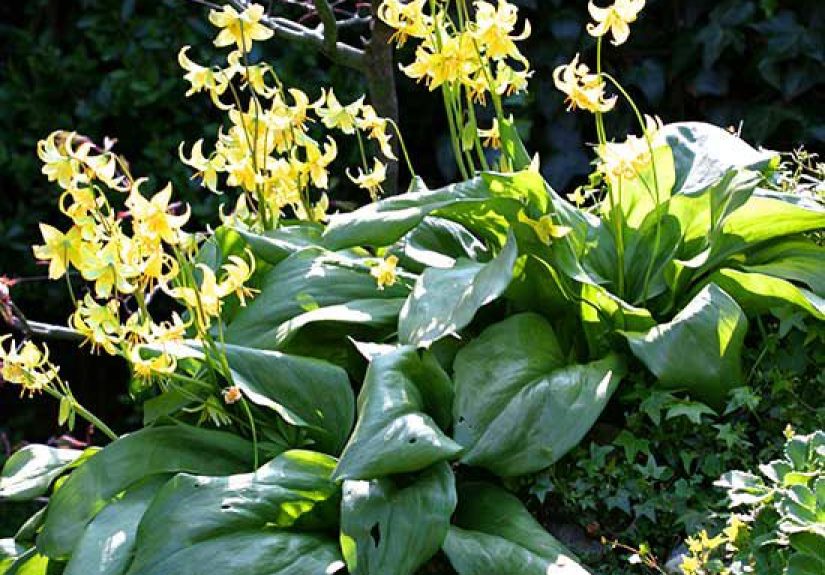
That brief performance is exactly why gardeners love it. Dog tooth violet is a classic spring ephemeral, which means it grows, blooms, and stores energy before deciduous trees leaf out. In a woodland garden, that makes it pure magic. One week the soil looks sleepy; the next week, mottled leaves and nodding flowers are putting on a tiny woodland opera. Then, just as you start feeling emotionally attached, the plant goes dormant. Rude? Maybe. Charming? Absolutely.
If you want to plant and grow dog tooth violet successfully, the trick is to stop thinking like a summer annual gardener and start thinking like a forest floor. This plant wants rich, leafy soil, cool roots, steady moisture, and patience. Lots of patience. The reward is a naturalized drift of early spring flowers that looks far more expensive than it actually is.
What Exactly Is Dog Tooth Violet?
The name “dog tooth violet” gets applied to more than one Erythronium species, so it helps to clear up the identity parade before you plant anything. In the United States, the most common native form is Erythronium americanum, widely known as trout lily, yellow trout lily, fawn lily, or yellow dog tooth violet. It has mottled leaves, yellow reflexed flowers, and a strong preference for moist woodland conditions.
You may also encounter Erythronium dens-canis, a European species sold in ornamental bulb catalogs. It is also lovely and has similar cultural needs, but it is not the same plant as the native American trout lily. For a U.S. woodland garden or a native-style planting, Erythronium americanum is usually the star of the show. If you are shopping online, always check the botanical name, because common names in gardening can behave like gossip: loud, inconsistent, and occasionally unhelpful.
Whichever species you choose, the overall growing formula is similar. These are low-growing, bulb- or corm-forming woodland plants that bloom in early spring and then disappear into dormancy by late spring or early summer. That disappearing act is normal. It does not mean the plant is unhappy. It means the plant is doing what nature taught it to do long before people invented patio planters and panic.
Choose the Right Planting Spot
Light: Think Spring Sun, Summer Shade
Dog tooth violet does best where it can soak up light in early spring before trees leaf out, then enjoy protection from hot summer sun. Dappled shade, open woodland, or the north or east side of a house can work beautifully. If the site feels like a cool, leafy place where ferns, trilliums, or hostas would be comfortable, you are in the right neighborhood.
Soil: Rich, Humusy, and Well-Drained
This is not a plant for compacted, crusty, sun-baked ground. It prefers soil that is rich in organic matter, slightly acidic to neutral, and consistently moist but well-drained. Woodland soil with decomposed leaves is ideal. In a garden bed, amend the area with compost or leaf mold before planting. Heavy clay can work if you improve drainage and texture, but soggy winter puddles and summer concrete are both bad news.
Moisture: Even, Not Swampy
Dog tooth violet likes moisture during active growth in spring. The soil should stay lightly damp, never bone dry. At the same time, standing water can rot the bulbs or corms. The sweet spot is even moisture with good drainage. Think “forest after a gentle rain,” not “forgotten sponge at the bottom of the sink.”
How to Plant Dog Tooth Violet
The best time to plant dog tooth violet is usually in fall, when dormant bulbs or corms are available. Some growers also sell plants “in the green,” meaning while they still have foliage. If you go the dormant route, plant them as soon as possible and do not let them sit around drying out for weeks. These are not bulbs that enjoy being treated like spare hardware in a garage drawer.
Prepare the site by loosening the soil and mixing in compost or leaf mold. Plant bulbs or corms about 4 inches deep to the tip in a natural-looking cluster rather than stiff rows. Water well after planting so roots can begin developing in fall. This matters because dog tooth violet starts building next season’s success well before spring flowers appear.
After planting, avoid piling on thick decorative mulch. A light layer of shredded leaves is fine, and natural leaf litter is even better, but a heavy mulch blanket can interfere with the woodland feel these plants prefer. Once the planting area is set, let it settle into a more natural rhythm rather than constantly fussing over it.
A Good Basic Planting Formula
Use this simple setup for the best odds of success:
- Partial shade or bright deciduous woodland shade
- Moist, rich, organic soil with good drainage
- Fall planting for dormant bulbs or corms
- A light natural leaf layer instead of thick bark mulch
- Clusters, drifts, or pockets instead of single scattered plants
How to Grow Dog Tooth Violet Well After Planting
Watering
During spring growth, keep the soil evenly moist. That is the season when the plant is photosynthesizing, flowering, and storing energy. If spring is dry, water gently but deeply. Once the foliage yellows and fades, you can scale back. The plant is going dormant, not auditioning for a rescue mission.
Fertilizing
Dog tooth violet is not a heavy feeder. In fact, woodland natives generally do not want rich, high-nitrogen treatment. A modest annual topdressing of compost or decomposed leaves is usually enough. Skip the urge to overfeed. You are not growing a giant pumpkin. You are building a woodland community.
Leave the Foliage Alone
This part is important. Do not cut back the foliage while it is still green. Those mottled leaves are the solar panels that recharge the underground corm. Let them yellow and collapse naturally before cleaning up. If you tidy too early, next year’s bloom show may become next year’s polite apology.
Do Not Disturb Established Plants
Once dog tooth violet settles in, leave it alone. This plant does not transplant well, especially when dug from established colonies. It prefers to stay put, spread gradually, and form long-lived patches. In some woodlands, colonies can persist for decades and even longer. So plant it with commitment, not with the energy of someone rearranging throw pillows every weekend.
Propagation: Slow, Steady, and Worth It
You can propagate dog tooth violet by seed or by offsets, but this is not the plant for gardeners who want instant gratification and a dramatic before-and-after slideshow by Tuesday.
Growing from Seed
Seed-grown plants are rewarding but slow. Seeds need a warm, moist period followed by a cold period to germinate well, and it can take several years before seedlings mature enough to flower. In practical terms, growing from seed is a long game best suited for patient gardeners, native plant enthusiasts, or people who enjoy cheering for tiny green things with unreasonable dedication.
Natural Spreading
In the right conditions, dog tooth violet will gradually form colonies. The native American species spreads by underground growth and also by seed, with ants helping move seeds around thanks to their fatty attachments. That sounds wonderfully dramatic, but the real takeaway is simple: give the plant time, and it will start making more of itself.
Should You Divide It?
Only if absolutely necessary, and with caution. Most experts recommend minimal disturbance. Rather than dividing established clumps just because you can, it is better to let the patch naturalize. If you want more plants, buy ethically propagated stock or start from seed rather than raiding a mature colony.
Common Problems and Practical Fixes
Dog tooth violet is refreshingly low-drama when planted in the right site. It generally has no major insect or disease issues. The real problems are usually environmental, not biological.
Problem: No Flowers
Young plants often produce only one leaf and do not flower. That is normal. In established colonies, plenty of non-blooming foliage can still be healthy. Too much shade, drought, or recent disturbance can also reduce flowering. Translation: the plant may not be broken; it may just be immature or annoyed.
Problem: Foliage Disappears Early
If the leaves vanish in late spring or early summer, that is natural dormancy. If they scorch or collapse unusually early, the site may be too dry or too sunny. Improve moisture retention with compost and leaf mold, and make sure nearby plants are not stealing all the available water.
Problem: Plants Never Establish
This usually points to poor soil, drought, aggressive competition, or bulbs that dried out before planting. Dog tooth violet likes a stable woodland-style environment. It is not a fan of harsh exposure, constant digging, or the gardening equivalent of moving house every month.
Best Companion Plants for a Woodland Garden
Dog tooth violet looks best when planted as part of a layered shade garden rather than as a lonely curiosity. Pair it with other spring ephemerals and woodland natives that enjoy similar conditions. Excellent companions include Virginia bluebells, trillium, spring beauty, Dutchman’s-breeches, bloodroot, toothwort, wild geranium, and shade-tolerant sedges.
This approach also solves the “vanishing act” problem. When dog tooth violet goes dormant, later-emerging woodland plants can cover the space and keep the bed attractive. Think of it as succession planting with better manners. One plant bows out, another enters, and the garden keeps looking intentional instead of mysteriously empty.
Experience-Based Notes: What Gardeners Usually Learn the Hard Way
Gardeners who succeed with dog tooth violet usually report the same lesson first: this is a plant that rewards observation more than interference. In the beginning, many people make the classic mistake of treating it like a standard ornamental bulb. They tuck it into an open perennial bed, give it more sun than it wants, forget that spring soil dries faster than expected, and then wonder why the flowers are underwhelming or absent. The second year is often when the realization hits: dog tooth violet is not fussy, but it is specific. Once you match the site to the plant, everything gets easier.
Another common experience is learning to appreciate foliage as much as flowers. People buy dog tooth violet for the blooms, but mature colonies often produce far more leaves than blossoms. At first that can feel disappointing. Then one spring morning, when the light hits a drift of mottled leaves and a few yellow flowers float above them, the whole planting suddenly makes sense. It is not supposed to look like a box-store bulb display. It is supposed to look like spring wandered in quietly and knew exactly what it was doing.
Gardeners also learn patience in a very direct way. A newly planted patch may not look dramatic right away. In fact, the first couple of seasons can be a little humbling. The plants emerge, do a small amount of charming work, then disappear. Some gardeners panic and dig around to check on them. This is almost always a terrible idea. Experienced growers eventually learn to mark the planting area, trust the dormancy cycle, and resist the urge to “fix” a plant that is simply resting underground.
Moisture management is another recurring theme. In a naturally leafy woodland bed, dog tooth violet often settles in beautifully with minimal attention. In a more exposed suburban garden, the same plant may need occasional spring watering to mimic woodland conditions. Gardeners who succeed tend to notice patterns: the healthiest colonies are often near deciduous trees, on the north side of a structure, or in soil enriched year after year with fallen leaves. In other words, the plant thrives where the garden behaves a little less like a showroom and a little more like a forest edge.
One of the most satisfying experiences comes a few years in, when the colony begins to look established rather than newly installed. That is when gardeners start noticing the small ecological details too: early bees visiting the flowers, neighboring ephemerals blooming in sequence, and the bed shifting from spring brightness to summer shade without looking awkward. Dog tooth violet teaches a different kind of gardening success. It is less about control and more about timing, restraint, and setting up conditions that allow the plant to be itself. Once that clicks, growing it becomes less of a project and more of a seasonal ritual.
Final Thoughts
If you want a flashy plant that blooms for months and begs for compliments, dog tooth violet may not be your diva. But if you want a woodland wildflower with character, ecological value, and a wonderfully brief spring performance, it is hard to beat. Plant it in rich, moist, leafy soil. Give it dappled light, patience, and a little peace. Then let it naturalize at its own pace.
That is really the secret to growing dog tooth violet well: stop fighting its rhythm. This plant knows exactly when to wake up, how long to shine, and when to disappear. The gardener’s job is simply to provide the right stage.