Table of Contents >> Show >> Hide
- Quick plant ID: “Inch plant” vs. Tradescantia zebrina
- Why propagation works so well (spoiler: nodes do the heavy lifting)
- Before you start: the 5-minute setup that makes everything easier
- Method 1: Water propagation (fast, fun, and extremely satisfying)
- Method 2: Soil propagation (direct, sturdy, and less transplant shock)
- Method 3: Layering (the “I didn’t even try” method)
- Aftercare: how to grow your new inch plant into a lush, full stunner
- Common propagation problems (and how to fix them)
- Safety notes: pets, skin, and outdoor spreading
- FAQ: quick answers you’ll actually use
- 500+ Words of Real-World Grower Experiences (What People Commonly Learn the Hard Way)
- Conclusion
If you’ve ever owned an inch plant (Tradescantia zebrina), you already know two universal truths:
(1) it grows like it’s trying to win a speed-running competition, and (2) it looks so good doing it that you forgive
it for flopping dramatically over the edge of the pot like a tiny purple-green soap opera.
The best part? Propagating it is ridiculously easy. With a few snips, you can turn one trailing plant into a full,
bushy basketor several giftable “plant babies” that make you look way more responsible than you feel. This guide walks you
through reliable propagation methods (water, soil, and layering), explains why nodes matter so much, and helps you avoid the
classic “why is my cutting turning to mush?” moment.
Quick plant ID: “Inch plant” vs. Tradescantia zebrina
“Inch plant” is a common name that gets used for multiple Tradescantia species, so it can be a little messy.
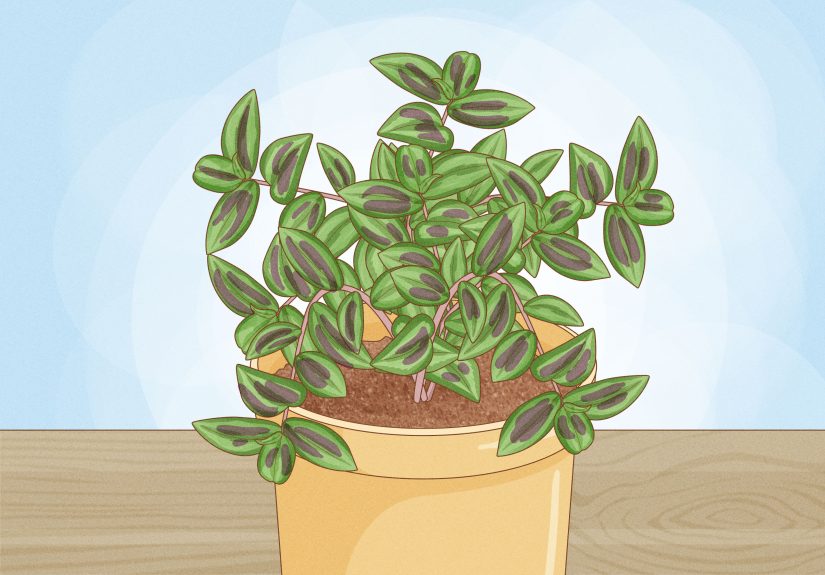
Tradescantia zebrina (also sold under older names like Zebrina pendula or Tradescantia pendula)
is the striped, purple-and-silver beauty most people mean when they say “inch plant.” It’s a fast-growing trailer whose
stems can root where they touch soilbasically the plant equivalent of “I can sleep anywhere.”
Why propagation works so well (spoiler: nodes do the heavy lifting)
Tradescantia zebrina produces roots most easily from nodesthose little bump zones along the stem where
leaves attach. If you remember only one thing from this article, make it this: no node, no roots.
A cutting with multiple nodes gives you a faster, sturdier start and usually less drama.
Before you start: the 5-minute setup that makes everything easier
What you’ll need
- Clean scissors or pruners (or a sharp knife)
- A small jar or glass (for water propagation)
- A small pot with drainage holes (for soil propagation)
- Fresh potting mix (ideally well-draining; you can mix in perlite if you have it)
- Optional: rooting hormone (nice, not necessary)
- Optional: a clear plastic bag or humidity dome (helpful in very dry homes)
Choose a parent stem like a plant matchmaker
Pick stems that are:
- Healthy (no rot, no mystery goo, no crunchy brown sections)
- Not flowering (not required, but non-flowering stems often root faster)
- Not too woody (newer, flexible growth roots easily)
Best time to propagate
You can propagate indoors year-round, but spring and summer typically give the fastest rooting and growth because the plant is
naturally in “go mode.”
Method 1: Water propagation (fast, fun, and extremely satisfying)
Water propagation is popular because you can literally watch roots form. It’s like a tiny science experiment that also becomes
home décor.
Step-by-step: how to root inch plant cuttings in water
- Take a cutting 4–8 inches long. Aim for 3–5 nodes. Cut just below a node.
- Remove the lower leaves. Strip leaves off the bottom 1–2 inches so no leaves sit underwater (wet leaves = rot party).
- Place the cutting in water. Submerge at least 1–2 nodes. Keep the remaining leaves above the waterline.
- Put it in bright, indirect light. A bright windowsill with filtered light is ideal.
- Refresh the water regularly. Swap in clean water every few days to a week, especially if it looks cloudy.
- Wait for roots, then transplant. When roots are a few inches long and branching, move the cutting to soil.
What to expect (typical timeline)
- Days 3–10: Early root nubs may appear at nodes.
- 1–3 weeks: Roots lengthen and branch; growth looks sturdier.
- After transplant: Some droop is normal for a few days as it adapts to soil life.
Pro tip: make your final pot bushy from day one
Instead of rooting one long cutting, root several shorter cuttings and plant them together.
For example, split a long stem into three pieces, each with 2–3 nodes. One pot + multiple cuttings = instant fullness.
Method 2: Soil propagation (direct, sturdy, and less transplant shock)
Soil propagation is the “set it and forget it” option. You skip the water phase and let roots form directly in the medium the plant
will live in long-term.
Step-by-step: root inch plant cuttings in soil
- Prep your pot. Use a small pot with drainage holes and a lightly moist, well-draining mix.
- Take a cutting with multiple nodes. Again, 3–5 nodes is a great target.
- Remove lower leaves. Clear the bottom nodes so they can be buried.
- Plant the nodes. Insert the cutting so at least 1–2 nodes are under the soil surface.
- Firm the soil gently. You want good contact between nodes and soilsnug, not crushed.
- Water lightly. Aim for evenly moist, not soggy.
- Keep humidity slightly higher if your air is dry. A loose plastic bag over the pot can help. Vent daily.
How to tell if it worked (without yanking it out)
- New growth at the top is the best sign.
- Gentle resistance when you tug very lightly after 10–14 days suggests roots have formed.
- Leaves stay perky (or recover quickly after watering) as the cutting establishes.
Method 3: Layering (the “I didn’t even try” method)
Because inch plant stems can root when they touch moist soil, you can propagate by layering:
keep the stem attached to the parent plant and encourage a section to root before you cut it free.
How to layer-propagate Tradescantia zebrina
- Place a small pot of soil next to the parent plant.
- Lay a healthy stem across the soil surface.
- Pin a node to the soil. Use a bent paperclip, hairpin, or small stone to keep it in contact.
- Keep that area lightly moist. Not drenchedjust consistently damp.
- After it roots, cut the connection. Once rooted, snip the new plant free and let it grow independently.
Layering is great if you want a guaranteed success rate with minimal risk of the cutting drying out.
Aftercare: how to grow your new inch plant into a lush, full stunner
Light: color depends on it
Bright, indirect light usually gives the best balance of fast growth and strong color. Too little light can lead to washed-out leaves
and leggy stems; too much harsh direct sun can scorch foliage. If your plant’s purple tones are fading, increase light gradually.
Water: the “moist but not marshy” rule
Let the top layer of soil dry slightly before watering again. Overwatering is the easiest way to turn a happy cutting into a soggy disappointment.
Always empty saucers so the roots aren’t sitting in water.
Soil and pots: drainage is non-negotiable
Use a well-draining potting mix in a pot with drainage holes. If your mix is heavy, blending in perlite can improve airflow and help prevent rot.
Pinching and pruning: the secret to “bushy”
If you want a thick plant instead of a single long braid, pinch back the growing tips once it’s established. This encourages branching.
Bonus: every trimming can become a new cutting. It’s the circle of plant life, and it’s adorable.
Temperature and humidity
Average indoor temps are usually fine. If your home is very dry, slightly higher humidity can help prevent crispy tips, but this plant is
generally forgiving compared to more dramatic houseplants.
Common propagation problems (and how to fix them)
Problem: cuttings rot in water
- Cause: Leaves underwater, dirty container, stagnant water, or too-warm/low-light conditions.
- Fix: Remove submerged leaves, switch to a clean jar, change water more often, and move to brighter indirect light.
- Save it: If the base is mushy, cut above the rot into firm tissue and restart with clean water.
Problem: no roots after two weeks
- Cause: Cutting lacks nodes, light is too low, or water is too cold.
- Fix: Ensure at least 1–2 nodes are submerged/buried, increase light, and keep in a comfortably warm room.
Problem: cuttings wilt in soil
- Cause: Soil too dry, air too dry, or not enough node-to-soil contact.
- Fix: Water lightly, firm soil around nodes, and consider a loose humidity cover for a week (vent daily).
Problem: leggy growth and faded stripes
- Cause: Not enough light.
- Fix: Move closer to a bright window (filtered light). Pinch tips to encourage branching once it perks up.
Problem: pests show up (spider mites, aphids, mealybugs)
Inch plant is usually easygoing, but common houseplant pests can still visit. Inspect leaf undersides and nodes.
If you spot pests, isolate the plant, rinse foliage, and treat with an appropriate insecticidal soap or horticultural treatment
labeled for houseplants. Repeat treatments as directed, because pests love a comeback tour.
Safety notes: pets, skin, and outdoor spreading
Pets
Some Tradescantia species are associated with irritation/dermatitis in pets, and many pet-safety resources recommend keeping them
out of reach. If your cat or dog is a known plant-nibbler (or a plant-wrestler), place your inch plant in a hanging basket or on a high shelf.
If you suspect a pet reaction, contact your veterinarian.
Outdoors
In warm regions, Tradescantia can spread readily because stems can root where they touch soil. If you grow it outdoors, be mindful:
don’t toss trimmings into the yard or compost where they can re-root. Bag unwanted cuttings before disposal.
FAQ: quick answers you’ll actually use
How many nodes should a cutting have?
Aim for at least 2 nodes (more is better). One node can work, but multiple nodes usually root faster and create a sturdier plant.
Should I use rooting hormone?
It’s optional. Tradescantia zebrina generally roots readily without it. Rooting hormone can help in slower conditions (low light, cooler temps),
but it’s not required.
Can I propagate from a single leaf?
Usually, no. You need a piece of stem with a node. Leaves alone typically won’t form a complete new plant.
When should I move water-rooted cuttings to soil?
When you have multiple roots that are a few inches long and starting to branch. After potting, keep soil lightly moist for the first week
while the roots adjust.
Why does my new plant look sparse?
It’s often a “not enough cuttings in the pot” situation. For a fuller look, plant several rooted cuttings together and pinch the tips as it grows.
500+ Words of Real-World Grower Experiences (What People Commonly Learn the Hard Way)
Let’s talk about the part propagation guides don’t always say out loud: inch plant propagation is easy… but it’s also a gateway hobby.
Many people start with one cutting in a glass, feel like a botanical wizard a week later, and then suddenly their home looks like a
tiny rainforest gift shop. This is normal. You are among friends.
One of the most common experiences is discovering just how much light controls the “wow” factor. Growers often notice that a cutting
rooted in a dim corner will survive (because this plant is stubbornly determined), but the leaves may get greener and the stems stretch out
like they’re trying to escape. Move that same plant to brighter indirect light and it often responds with tighter growth and richer purple tones.
It’s not you being pickyit’s the plant reacting to its environment in real time.
Another frequent lesson: water propagation feels foolproof until the water gets gross. People who have the best success usually do two small
things: they keep leaves out of the water, and they refresh the water before it gets cloudy. If a cutting starts to rot, it’s almost always at the
submerged portion of the stemso the “save” is typically to cut above the damaged tissue and restart clean. Once you’ve rescued a mushy cutting and
watched it reroot anyway, you gain a new level of confidence (and maybe a tiny superiority complex, which you should use only for good).
Many growers also discover the “bushy pot” secret by accident. They’ll root one long cutting, plant it, and get a single trailing strand that looks
nice but a little thin. Then, later, they trim it and stick those extra pieces back into the same pot. A couple of weeks after that, the plant starts
looking full and lush. The big aha moment is realizing that fullness often comes from planting multiple cuttings togethernot waiting for one
cutting to magically become a shrub.
A very relatable experience is the “I overwatered because I love you” phase. New propagators sometimes keep the soil too wet, thinking they’re helping the
cutting root. But inch plant usually prefers “evenly moist” over “swamp.” The sweet spot for many people is watering thoroughly, letting excess drain, and
then waiting until the top of the soil dries slightly before watering again. This small change often fixes yellowing leaves and helps avoid rot.
Lastly, people commonly learn that inch plant propagation is a fantastic way to keep the parent plant attractive. Trailing stems can get leggy over time.
Pruning and re-rooting those cut pieces back into the pot is like giving the plant a haircut and hair extensions at the same time. It’s practical, it’s
satisfying, and it turns “maintenance” into “free new plants.” Honestly, if more chores worked like this, we’d all be unstoppable.
Conclusion
Propagating inch plant (Tradescantia zebrina) is one of the easiest ways to multiply houseplants quickly, whether you prefer rooting in water,
planting directly into soil, or letting stems layer and root naturally. Focus on healthy stems, include multiple nodes, give bright indirect light, and
keep conditions lightly moist (not soggy). Do that, and you’ll have a thriving army of striped, trailing plantsready to fill pots, gift to friends,
and quietly take over your shelves in the most decorative way possible.