Table of Contents >> Show >> Hide
- What Actually Makes Twins Happen?
- How to Raise Your Chances of Having Twins: 9 Steps
- 1. Know which factors are real and which ones are just good internet theater
- 2. Look closely at your family history, especially for fraternal twins
- 3. Improve your overall fertility first
- 4. Time intercourse around ovulation if you are trying naturally
- 5. Take a prenatal vitamin with folic acid, but do not treat folic acid like a twin potion
- 6. Understand how age changes the equation
- 7. Seek a fertility evaluation at the right time
- 8. Discuss fertility medications or IVF only when medically appropriate
- 9. Prepare for the reality of twin pregnancy, not just the announcement photo
- Common Myths That Do Not Deserve Your Grocery Budget
- What a Smart Preconception Plan Looks Like
- Experiences, Expectations, and What People Often Learn the Hard Way
- Conclusion
- SEO Tags
If you have ever looked at a pair of matching outfits, two tiny bassinets, and a double stroller the size of a compact SUV and thought, “Yes, that seems like my destiny,” you are not alone. Plenty of hopeful parents are curious about how to raise their chances of having twins. The tricky part is that twin conception is not something you can command like a food delivery app. Biology still holds the steering wheel.
That said, some factors do make twins more likely, especially fraternal twins. Others are internet folklore wearing a lab coat. If your goal is to understand what truly affects your odds, what is safe to do, and what is mostly wishful thinking with a side of sweet potatoes, this guide breaks it down in plain English.
The most important takeaway is simple: there is no guaranteed natural way to conceive twins. But there are smart, evidence-based steps that can improve your overall odds of getting pregnant, help you understand your personal twin odds, and prepare you to make better choices if fertility treatment enters the picture.
What Actually Makes Twins Happen?
Before jumping into the nine steps, it helps to know there are two main types of twins.
- Identical twins happen when one fertilized egg splits into two embryos. This is usually considered largely random and not something people can reliably trigger on purpose.
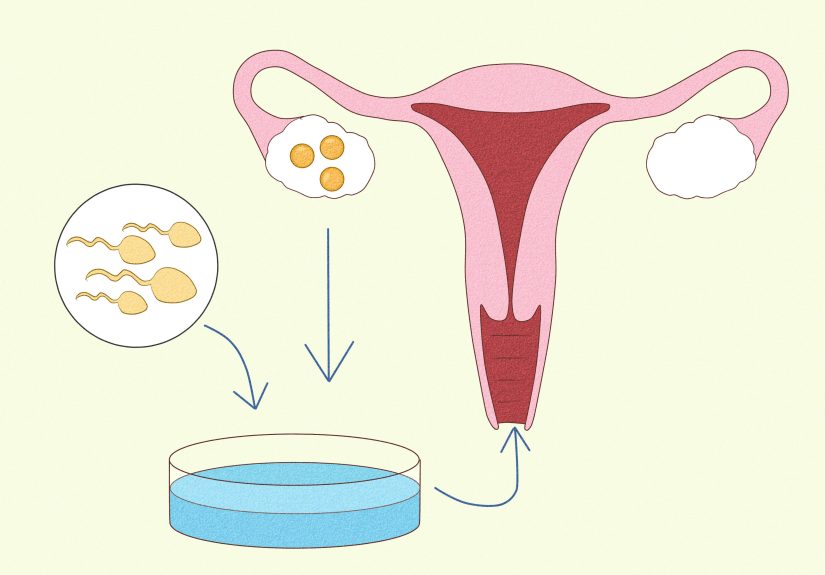
- Fraternal twins happen when two separate eggs are released and fertilized in the same cycle. This is the type most influenced by genetics, age, and fertility treatment.
So when people talk about “raising your chances of having twins,” what they usually mean is increasing the chance of fraternal twins. Nature, meanwhile, keeps identical twins in the mysterious category labeled: “Nice try, but no one fully controls this.”
How to Raise Your Chances of Having Twins: 9 Steps
1. Know which factors are real and which ones are just good internet theater
The first step is not romantic, but it is useful: learn the difference between evidence and folklore. Real factors linked to a higher chance of twins include a family history of fraternal twins, being in your mid-30s or older, and using fertility treatment. Popular myths include miracle foods, special bedroom positions, and supplement megadoses marketed like they were invented by a wizard with a coupon code.
If you start with realistic expectations, you are less likely to waste time chasing myths and more likely to focus on choices that actually support conception and reproductive health.
2. Look closely at your family history, especially for fraternal twins
If the person who ovulates has a family history of fraternal twins, that may matter. Why? Because some people are more likely to release more than one egg in a cycle, a trait often linked to genetics and hyperovulation. This does not guarantee twins, but it can tilt the odds.
Family history of identical twins is less useful for prediction because identical twinning appears to happen more randomly. So if your aunt had fraternal twins and your grandmother did too, that is more relevant than a family photo wall full of matching faces and synchronized haircuts.
A practical move here is to collect details before a preconception visit. Ask relatives whether twins in the family were fraternal or identical, whether fertility treatment was involved, and whether there is any history of early menopause, infertility, or recurrent pregnancy loss. Your clinician will find that much more helpful than “Well, my cousin’s neighbor had twins after eating a lot of yams.”
3. Improve your overall fertility first
This may sound backward, but one of the best ways to raise your chances of twins is to raise your chances of pregnancy in general. You cannot have a twin pregnancy without first having a pregnancy. Groundbreaking stuff, I know.
That means focusing on the basics of preconception health: stop smoking, avoid recreational drugs, limit alcohol, manage chronic conditions, review medications with a clinician, get enough sleep, and aim for a healthy lifestyle that supports ovulation and sperm quality. If you have thyroid disease, diabetes, PCOS, or irregular cycles, getting those issues evaluated before trying can make a big difference.
These steps do not specifically “create” twins, but they improve the odds that conception happens in a healthy cycle. And if your body naturally releases more than one egg now and then, better overall fertility means you are more likely to capitalize on that cycle.
4. Time intercourse around ovulation if you are trying naturally
No, timing intercourse will not magically turn one egg into two. But it can raise your chances of conceiving in the cycle you are already having. If you happen to ovulate more than one egg during that cycle, the odds of fraternal twins naturally go up.
Use ovulation predictor kits, cycle tracking, or fertility awareness methods to estimate your fertile window. In general, the best timing is the few days before ovulation and the day ovulation occurs. This is not a twin hack so much as a conception strategy with better math.
If your cycles are irregular, do not guess wildly and hope for the best. Irregular ovulation can make timing difficult, and that is a good reason to talk with an OB-GYN or fertility specialist.
5. Take a prenatal vitamin with folic acid, but do not treat folic acid like a twin potion
A prenatal vitamin is a smart move before pregnancy. Folic acid is especially important because it helps reduce the risk of neural tube defects. It belongs in any serious preconception plan.
What it does not belong in is the “guaranteed twin method” hall of fame. Some older research sparked speculation about folic acid and twinning, but that has never turned into a clear, proven recommendation for increasing twin pregnancy. In real clinical practice, folic acid is recommended for fetal development and pregnancy health, not as a reliable way to conceive twins.
In other words, take your prenatal vitamin because it is wise, not because you expect it to summon two heartbeats at your first ultrasound.
6. Understand how age changes the equation
People in their 30s, especially after age 35, are somewhat more likely to conceive fraternal twins naturally. That is thought to be related to hormonal changes that can make the ovaries more likely to release more than one egg in a cycle.
But this is where many articles get sloppy. Yes, older reproductive age can increase the chance of twins. No, that does not mean delaying pregnancy is a smart twin strategy. Fertility also declines with age, and pregnancy risks rise. So while age may nudge the odds of twins upward, it can also make conception harder overall.
The sensible takeaway is this: if you are already trying in your mid-30s or later, your natural twin odds may be a bit higher. But age is a factor to understand, not a plan to manufacture.
7. Seek a fertility evaluation at the right time
If you are under 35 and have been trying for a year without success, it is reasonable to seek evaluation. If you are 35 or older, six months is often the benchmark. If you are 40 or older, have very irregular cycles, known endometriosis, PCOS, prior pelvic infection, recurrent miscarriage, or a partner with possible sperm issues, earlier evaluation makes sense.
This step matters because many people who want twins quietly have a more urgent problem: they are struggling to conceive at all. A fertility workup can identify ovulation disorders, tubal problems, thyroid issues, diminished ovarian reserve, or male-factor infertility. Once you know what is actually happening, your options become a lot clearer.
And clarity beats guessing. Every single time.
8. Discuss fertility medications or IVF only when medically appropriate
If there is one category that truly can raise the chance of twins, it is fertility treatment. Ovulation-inducing medications can lead to the release of more than one egg. IVF can also increase the odds of twins, especially when more than one embryo is transferred.
But this is not a casual shortcut. Fertility drugs and assisted reproductive technology are real medical treatments with real risks, costs, and tradeoffs. Twin pregnancies are more likely to involve preterm birth, growth issues, gestational diabetes, preeclampsia, and extra monitoring. That is why major reproductive medicine groups generally aim to reduce unnecessary multiple pregnancies, not chase them for fun.
If you are considering treatment because of infertility, talk honestly with a reproductive endocrinologist about your goals. Ask how the plan affects your chance of twins, what the clinic’s embryo transfer policies are, and what level of risk is acceptable for your health history. The healthiest pregnancy is often a singleton pregnancy, even if twins sound extra cute in theory.
9. Prepare for the reality of twin pregnancy, not just the announcement photo
The last step may be the most important. Wanting twins is understandable. Raising twins is a different sport entirely. If you truly hope for twins, make sure you also understand what comes with them: more prenatal appointments, a higher chance of early delivery, a greater likelihood of specialist care, and more physical demands during pregnancy.
Emotionally, it also helps to shift the goal from “I want twins” to “I want the healthiest outcome possible.” That mindset makes it easier to make smart decisions if your doctor recommends closer monitoring, single-embryo transfer, or a less aggressive fertility plan.
Twins can be wonderful. So can one healthy baby. Biology does not owe us a themed nursery.
Common Myths That Do Not Deserve Your Grocery Budget
Because this topic attracts more myths than a celebrity wellness podcast, here are a few claims to treat with skepticism:
- “Eat this one magical food and you will have twins.” No reputable medical guideline supports that.
- “Take huge doses of supplements.” Bad plan. More is not always better, especially before pregnancy.
- “Special sex positions increase twin odds.” That is not how ovulation works.
- “You can force identical twins naturally.” There is no reliable method to do that.
If a claim sounds like it came from a message board at 2:13 a.m. and includes the phrase “worked for my cousin,” it belongs in the entertainment category, not your medical plan.
What a Smart Preconception Plan Looks Like
If you are serious about improving your odds in a safe way, focus on a plan like this:
- Schedule a preconception visit.
- Review family history of fraternal twins and infertility.
- Start a prenatal vitamin with folic acid.
- Track ovulation if trying naturally.
- Manage chronic health conditions.
- Know when to seek fertility evaluation.
- Use fertility treatment only with medical guidance and realistic expectations.
This approach may not be flashy, but it is far more useful than trying to out-negotiate your ovaries with internet folklore.
Experiences, Expectations, and What People Often Learn the Hard Way
People who start trying for twins often begin in one of three emotional lanes. The first group is simply enchanted by the idea. They picture two babies growing up together, built-in best friends, double birthday cakes, and a family story that begins with a surprise ultrasound. The second group has practical reasons. They may want one pregnancy and two children because of age, money, or work plans. The third group has been through infertility and feels that if treatment is needed anyway, maybe twins would be a “bonus.” Real life usually teaches all three groups the same lesson: twin pregnancy is not just more baby. It is more complexity.
Many people discover that the chase for twins changes once they sit in a doctor’s office and hear the medical side clearly explained. A patient who once said, “I would love twins,” may feel very different after learning about preterm birth, bed rest possibilities, gestational diabetes, blood pressure issues, NICU risk, and the logistics of caring for two newborns at once. The fantasy often softens into a healthier goal: get pregnant safely, stay healthy, and welcome whatever number of babies arrives.
Others have the opposite experience. They never planned on twins at all, yet family history or fertility treatment makes it happen. These parents often describe the early shock as equal parts joy and spreadsheet panic. They talk about needing more appointments, hearing more medical terms, and realizing that even simple errands become tactical operations. But they also describe a unique emotional bond in seeing two babies develop side by side and a strange, wonderful adjustment to a house that suddenly feels twice as loud and somehow twice as full of love.
People who pursue fertility treatment often learn another important truth: specialists do not usually treat twins as the grand prize. In modern reproductive medicine, the healthiest outcome is often one baby at a time. Patients sometimes arrive expecting doctors to help them “get twins,” only to find that the medical team is trying to reduce avoidable multiple pregnancy risk. That can feel disappointing at first, especially when someone has spent months or years imagining a certain outcome. But many later say they appreciated the caution once they understood the health stakes.
Then there are the people who chased internet advice before getting real guidance. They changed diets, bought supplements, obsessed over cycle timing, and read enough forum threads to earn an honorary degree in late-night anxiety. What they often say afterward is refreshing: the best progress started when they stopped trying to game the system and started building a real plan. A preconception checkup, proper testing, prenatal vitamins, and honest conversations about fertility turned out to be more helpful than all the folklore combined.
In the end, the most grounded experience is usually this one: hope big, plan wisely, and stay flexible. You can improve your odds of a healthy conception. You can understand which factors may raise the chance of twins. You can make informed decisions if fertility treatment becomes part of your path. But you cannot fully script the outcome. And maybe that is the humbling, slightly annoying, deeply human part of the whole process.
Conclusion
If you want to raise your chances of having twins, the smartest path is not chasing myths. It is understanding how twins happen, recognizing the factors that truly matter, improving your overall fertility, and getting expert guidance when needed. Fraternal twins are the kind most influenced by age, family history, and fertility treatment. Identical twins remain much more unpredictable.
The real win is not beating biology into submission. The real win is approaching conception with realistic expectations, good medical information, and a plan that protects your health. If twins happen, wonderful. If they do not, you have still done the most important thing possible: set yourself up for the healthiest pregnancy you can have.