Table of Contents >> Show >> Hide
- The Fisherman Aesthetic, Explained in Plain English
- Step 1: Cast Your Color Palette
- Step 2: Choose Textures That Feel Fresh off the Dock
- Step 3: Anchor the Room with Key Fisherman-Core Furniture
- Step 4: Layer in Fishing-Inspired Decor (Without Going Full Theme Park)
- Step 5: Bring the Fisherman Aesthetic to Different Rooms
- Step 6: Mix Vintage and New for a Realistic Budget
- Step 7: DIY Projects That Add Soul
- Step 8: Keep It Stylish, Not Gimmicky
- Step 9: Make Sure It’s Practical
- Step 10: Personalize with Stories, Not Just Stuff
- Step 11: Seasonal Tweaks to Keep It Fresh
- Step 12: Start Small and Build Over Time
- Real-Life Experiences: What It’s Like to Live with the Fisherman Aesthetic
If “sardine girl summer,” salty breezes, and endless pockets on fishing vests live rent-free in your brain, there’s a good chance the fisherman aesthetic has already hooked you. The good news? You don’t need an actual dock, a boat, or even a nearby coastline to bring this look home. With the right colors, textures, and a few clever decor moves, you can give your space that relaxed, weathered-by-the-water vibewithout turning your living room into a theme restaurant.
Think of the fisherman aesthetic (sometimes called fisherman core or anglercore) as a blend of coastal decor, quiet luxury, and rugged practicality. It’s less about seashells glued to every surface and more about natural materials, functional pieces, and a subtly nautical mood that feels collected, not costume-y.
The Fisherman Aesthetic, Explained in Plain English
Designers and home decor brands have recently leaned into the fisherman aesthetic as a fresh twist on classic coastal decor. Wayfair even launched a dedicated “Fisherman Aesthetic” collection full of ocean-inspired pillows, quilts, and furniture that tap into social media trends like “sardine girl summer.”
At its core, this look is about:
- Color: Sea-glass greens, stormy grays, navy, sand, rope beige, and sun-faded whites.
- Materials: Rope, weathered wood, linen, cotton, hammered metal, and natural fibers like jute or banana leaf.
- Motifs: Nets, buoys, striped textiles, maritime charts, fish and shell artused sparingly.
- Feeling: Relaxed, practical, slightly rugged, but still pulled together.
Now let’s walk through 12 practical steps to reel in the fisherman aesthetic at homeno life jacket required.
Step 1: Cast Your Color Palette
Every good design scheme starts with color. To channel fisherman-core at home, grab a palette inspired by real-life harbors and docks:
- Base tones: Warm white, soft sand, pale gray.
- Accent colors: Navy, deep teal, sea-glass green, and rusty buoy red.
- Metallics: Weathered brass or pewter instead of shiny chrome.
Paint your walls in an easy neutral (like creamy white or foggy gray) and let your furniture and textiles carry the stronger seaside shades. This keeps the fisherman aesthetic calm and sophisticated, not cartoonish.
Step 2: Choose Textures That Feel Fresh off the Dock
The fisherman aesthetic is very tactile. You want textures that feel like they’ve lived outdoors a littlenothing too polished or precious:
- Rope and cord: Curtain tiebacks, wrapped lamp bases, or a rope-framed mirror instantly say “nautical” without shouting.
- Netting: Decorative fishing nets draped on a wall, layered over a bookshelf, or used as a backdrop for photos bring in that “caught at sea” vibe.
- Linen and canvas: Slipcovers, throw pillows, and curtains in relaxed fabrics mimic sails and weather-worn gear.
- Rough wood: Driftwood-style shelves, reclaimed planks, or a coffee table with visible grain make the room feel grounded.
Mix a few smoother textures (like glazed ceramic or glass) so the space still feels comfortable and modern, not like you decorated exclusively from a bait shop.
Step 3: Anchor the Room with Key Fisherman-Core Furniture
You don’t need themed furniture; you just need pieces that feel sturdy, timeless, and a little utilitarian:
- A wood or woven coffee table that could plausibly survive a beach house rental.
- A linen or cotton slipcovered sofa in white, sand, or slate blue.
- Storage benches or trunks that look like they could hide tackle boxes, blankets, or gear.
- Side tables with rope, rattan, or oar-shaped legs (popular in coastal and fisherman aesthetic collections).
Choose silhouettes that are simple and classic, then let your accessories and artwork do the “fisherman aesthetic” storytelling.
Step 4: Layer in Fishing-Inspired Decor (Without Going Full Theme Park)
This is where the fun begins. The goal is to sprinkle in fishing and coastal decor in a way that still feels grown up.
Use Nets and Lines Wisely
A single decorative fishing net goes a long way. Try:
- Draping a cotton net over a blank wall with a few clipped photos or postcards.
- Layering a net behind open shelves as a subtle textural backdrop.
- Hanging a vintage fishing net in an entryway with a couple of buoys and hats.
Turn Gear into Art
Vintage fishing gear is basically ready-made wall decor. People commonly display old rods, lures, wicker creels, and even oars as rustic art.
- Mount an old rod horizontally above a doorway.
- Arrange a cluster of wooden bobbers in a glass bowl on the coffee table.
- Frame a nautical chart, fish illustration, or weathered fishing painting as your focal artwork.
Lean into Subtle Patterns and Motifs
Instead of plastering fish everywhere, look for:
- Striped rugs in navy and white.
- Throw pillows embroidered with anchors, fish, or tiny boats (a few, not a mountain).
- Quilts with reef, wave, or rope patterns.
Think, “Is this something I’d still like in five years?” If the answer is yes, it probably fits the fisherman aesthetic better than a novelty sign.
Step 5: Bring the Fisherman Aesthetic to Different Rooms
Living Room: Casual Coastal Hangout
Start with a neutral sofa, a jute or flatweave rug, and a rope-accented lamp. Add a few coastal throw pillows and a framed dock or fishing-net print above the sofa for a focal point.
Corral remotes, coasters, and candles in a woven tray that looks like it could moonlight as a boat basket.
Bedroom: Quiet Harbor Retreat
In the bedroom, keep things soft and cozy:
- Choose a cotton or linen quilt in sea-glass green or washed navy.
- Hang maritime arta vintage chart, painting of a harbor, or wood-carved fishabove the bed.
- Use bedside lamps with ceramic bases in muted coastal tones or wrapped with rope.
Bathroom: Tiny Nautical Moment
Bathrooms are perfect for small-scale fisherman-core decor:
- Swap in a seaglass-style soap dispenser and a small coastal tray.
- Hang a framed fish print or small net art above the toilet.
- Use striped Turkish towels in blue and white.
Entryway or Mudroom: Function Meets Fisherman
Here, the aesthetic can actually help with storage. Use:
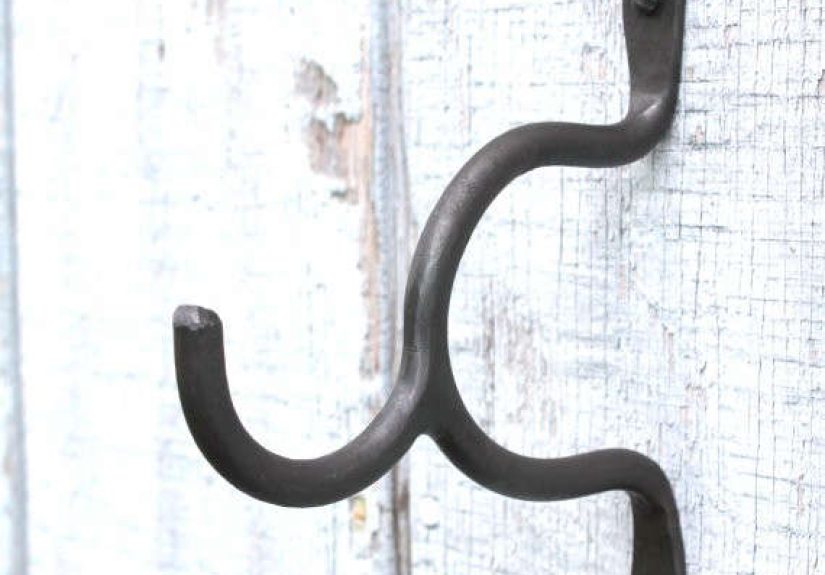
- Sturdy hooks for hats, raincoats, and canvas totes.
- A bench with baskets or banana leaf bins for shoes and gear.
- A small piece of wall art featuring buoys or boats to set the tone the moment you walk in.
Outdoor Spaces: Mini Dock Vibes
On a balcony or patio, mix outdoor-safe rope lanterns, a weathered wood side table, and striped cushions. Add a bucket-style planter filled with grasses to mimic dune plants. If you’re feeling extra, upcycle an old fishing net into a hanging planter for herbs or trailing plants.
Step 6: Mix Vintage and New for a Realistic Budget
You don’t have to spend yacht money to get fisherman-core style. Many designers recommend a balanced mix of thrifted and new piecessomething like 80/20 in either direction, depending on your comfort level.
Try this combo:
- Thrifted or flea market: Old oars, wooden crates, framed seaside art, brass candlesticks, chipped ceramic jugs.
- New: Sofa, mattresses, rugs, and lighting where comfort and safety matter.
- Online finds: Affordable nets, rope decor, and coastal textiles from big-box retailers or online marketplaces.
Let the vintage pieces carry the patina and character, then use new items to keep things functional and cohesive.
Step 7: DIY Projects That Add Soul
DIY is one of the easiest ways to personalize the fisherman aesthetic so your home doesn’t look like a catalog replica. A few ideas:
- Seashell upgrades: Turn shells from vacations into trinket trays, picture frames, or drawer pulls to layer in coastal charm.
- Fishing-net planters: Upcycle old nets into hanging plant holders for herbs or trailing vines.
- Lure or bobber art: Mount a cluster of colorful vintage lures in a shadow box or small basket for a sentimental piece.
- Buoy-inspired paint: Paint stripes on old jars, vases, or wood offcuts using buoy colors like white, red, and navy.
DIY elements keep the fisherman aesthetic from feeling too mass-produced and give your space a story to tell.
Step 8: Keep It Stylish, Not Gimmicky
The difference between a stylish fisherman aesthetic and a cheesy theme room is restraint. A few guidelines:
- Limit yourself to a handful of overtly “fishy” items per room.
- Balance every themed decor piece with two or three simple, timeless ones.
- Stick to a cohesive color palette so your gear, art, and textiles all feel related.
- When in doubt, choose texture over literal motifsrope, linen, and wood will never feel as on-the-nose as wall-to-wall fish prints.
Step 9: Make Sure It’s Practical
Real fishermen care about practicality, and your home should, too. A few reality checks:
- Use washable slipcovers and rugs if you have kids, pets, or track in a lot of dirt.
- Avoid placing delicate gear where it can easily be bumped, tugged, or broken.
- Keep surfaces decluttereda fisherman aesthetic thrives on a few intentional objects, not a tide of trinkets.
When your setup is low-maintenance, the relaxed coastal energy feels authentic, not staged.
Step 10: Personalize with Stories, Not Just Stuff
The most memorable fisherman-inspired homes highlight personal memories: a lake you love, a first fishing trip, a vacation on a rocky coast. Frame a photo from a foggy pier, display a small jar of sand from your favorite beach, or hang a thrifted print of the town you grew up visiting every summer.
Mix these personal touches with store-bought decor so your home feels like your storynot just a trending aesthetic pulled from a shopping page.
Step 11: Seasonal Tweaks to Keep It Fresh
You can dial the fisherman aesthetic up or down depending on the time of year:
- Summer: More stripes, lighter linens, bright blues and whites, airy curtains, and extra woven textures.
- Fall and winter: Add deeper navy, charcoal, and rust tones; layer in wool blankets and chunky knit pillows that nod to fishermen’s sweaters.
- Spring: Introduce a little sage or sea-glass green in pillow covers and art.
Small swaps (textiles, candle scents, a few accessories) keep your fisherman aesthetic from feeling static.
Step 12: Start Small and Build Over Time
Don’t feel like you have to transform your whole home in one weekend. The best fisherman-inspired spaces look as if they evolved slowly, like a collection of well-loved pieces over years of trips and memories.
Begin with a single roomor even just one cornerthen layer in more texture, pattern, and vintage finds as you go. The slower you decorate, the more curated and authentic your fisherman aesthetic will feel.
Real-Life Experiences: What It’s Like to Live with the Fisherman Aesthetic
So what does it actually feel like to live in a fisherman-inspired home day to day? Beyond the pretty photos, there are some very real, very practical “pros” (and a couple of quirks) that people tend to notice once the decor settles in.
First, the mood shift is real. When you surround yourself with sea-glass colors, rope textures, and soft, washed fabrics, rooms often feel calmer and more grounded. Even in landlocked suburbs, the visual cuesnets, oars, driftwood-style shelvestrick your brain into that “weekend by the water” mindset. Many people find themselves using their living room more once it feels like a relaxing retreat instead of a random collection of furniture.
Second, the aesthetic naturally encourages tidiness. Because fisherman-inspired spaces rely on a few strong pieces (like a netted wall, a framed harbor print, or a rope-wrapped lamp), clutter stands out quickly. When you’ve carefully styled a vignette with a vintage creel, a stack of sea-worn books, and a small brass lamp, a pile of receipts or random mail looks instantly out of place. That contrast can nudge you to put things away faster, making daily maintenance easier.
Third, it’s surprisingly kid- and guest-friendlywhen you plan for it. Guests often gravitate toward interesting tactile details: a chunky knit throw that looks like a fisherman’s sweater, a basket of bobbers or shells, or a rope-trimmed mirror. Kids tend to love fish artwork and boat-themed elements, especially if you designate one corner or wall as the “adventure zone” with maps, maritime art, or a mini gallery of vacation photos. The trick is to keep truly fragile vintage pieces higher up and use durable decor at kid height.
Storage gets smarter, too. The fisherman aesthetic blends beautifully with practical storage solutionsbenches with baskets, trunk-style coffee tables, woven bins, and wall hooks. When hooks and baskets are part of the look, it feels natural to hang jackets, hats, and bags instead of draping them over chairs. Mudrooms and entryways especially benefit: think raincoats, canvas totes, and straw hats lined up under a small piece of buoy or boat art for a setup that’s both functional and photogenic.
You will develop strong opinions about “too much theme.” Living with the aesthetic quickly teaches you where the line is between stylish and costume. An extra fish-print pillow might be fine, but a dozen fish figurines scattered on every surface? Suddenly your house looks like a gift shop on a pier. Over time, most people find they prefer subtle hintslike a rope-trimmed frame or a single framed nautical chartover constant literal motifs.
Finally, the fisherman aesthetic ages wellif you stick to quality basics. The pieces that last longest are usually the simplest: a solid wood coffee table, a neutral linen sofa, a wool or jute rug, a brass lamp base. Fisherman-core accents (nets, oars, fishing prints, rope details) can rotate in and out as your tastes evolve, but those core items remain useful no matter what direction your decor takes next. That makes this style a smart investment if you like coastal or rustic looks but don’t want to redecorate every year.
When you blend all of these experiencescalmer mood, built-in storage, subtle storytelling, and flexible base piecesyou end up with more than a trend. The fisherman aesthetic becomes a comfortable, lived-in style that feels welcoming to everyone who walks through the door, whether they’ve ever baited a hook in their life or not.