Table of Contents >> Show >> Hide
- Why Your Schlage Deadbolt Has No Visible Screws
- Tools and Prep Before You Start
- Step 1: Identify Which Schlage Deadbolt Style You Have
- Step 2: Remove a Schlage Deadbolt With Hidden Screw Caps
- Step 3: Remove a Schlage Deadbolt With a Hidden Trim Ring
- Step 4: Removing Older or Specialty Schlage Deadbolts With Set Screws
- Troubleshooting: When the Deadbolt Refuses to Move
- When to Call a Locksmith Instead
- Real-Life Experiences: What DIYers Learn Removing “Screwless” Schlage Deadbolts
- Conclusion
You walk up to your door with a brand-new smart lock in hand, ready for your
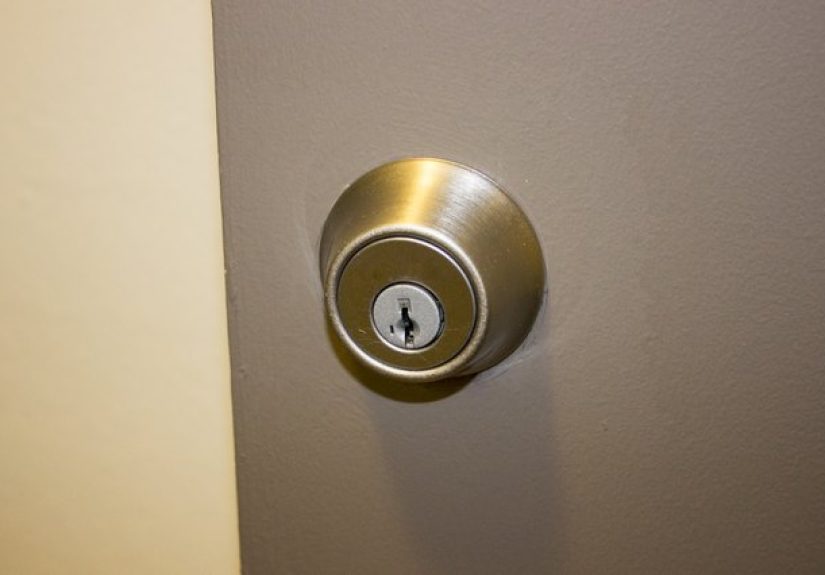
DIY moment of glory… and then you see it: a Schlage deadbolt with a perfectly
smooth face and zero screw heads in sight. No Phillips, no flathead, no
nothing. Just a smug little circle of metal that seems to say, “Nice try.”
The good news? Schlage didn’t invent magic hardware. Those “screwless”
deadbolts do have fasteners they’re just cleverly hidden for security and
style. With a little patience, the right tools, and a few tricks from
locksmiths and seasoned DIYers, you can remove that lock without wrecking
your door (or your sanity).
In this guide, you’ll learn how to remove a Schlage deadbolt with no visible
screw heads step by step, how to tell which style of hidden-screw lock you
have, and what to do if years of paint, rust, or over-enthusiastic installers
make the job a bit stubborn.
Why Your Schlage Deadbolt Has No Visible Screws
Schlage, like many lock manufacturers, hides deadbolt screws for two big
reasons:
- Security: Exposed screws make it easier for someone with a
screwdriver and bad intentions to start disassembling your lock from the
outside. Concealed fasteners slow that down. - Clean design: Smooth trim and low-profile cylinders look
better on modern doors than a bunch of visible screw heads.
On Schlage deadbolts especially the B60/B62 series and many double-cylinder
models the screws that hold the interior and exterior halves together are
typically:
- Hidden under decorative screw caps on the inside face
- Concealed behind a snap-on or twist-off trim ring
- Occasionally secured by an internal set screw you reach
from the edge of the door on older or specialty locks
Once you reveal those screws, the deadbolt comes apart just like a standard
lock interior side off, exterior side off, then the bolt slides out from
the edge of the door.
Tools and Prep Before You Start
Before you start poking and prying, grab a few basics. You don’t need a full
locksmith shop in your garage, but a mini kit will make this a lot smoother.
Recommended tools
- Small flathead screwdriver (eyeglass size is ideal)
- Standard flathead and Phillips screwdrivers
- Plastic pry tool or old plastic card (for protecting the finish)
- Flashlight or headlamp
- Penetrating oil (like WD-40 or similar) for older or rusty locks
- Allen wrench set (for rare set-screw designs)
- Painter’s tape or masking tape
Prep your workspace
- Prop the door open. Use a doorstop so it doesn’t swing
while you’re working. - Tape around the lock trim. A quick ring of painter’s tape
around the deadbolt helps prevent accidental scratches from your tools. - Take a quick photo. Snap a before picture of the lock and
strike plate. It’s handy if you ever want to reinstall it. - Have a container for small parts. Screw caps love to roll
under appliances and into alternate dimensions.
Step 1: Identify Which Schlage Deadbolt Style You Have
Not all “screwless” Schlage deadbolts hide their hardware the same way.
Spend a minute identifying your lock style it’ll save you ten minutes of
wrong guesses later.
Style 1: Screw caps on the interior face
Look at the inside part of the deadbolt (the side with the
thumb turn). You may see two small, round metal circles or “pins” that look
decorative rather than functional. They’re usually positioned at 3 and 9
o’clock relative to the thumb turn or keyway.
Those are often decorative caps pressed into the screw heads.
Under each cap is a normal screw that runs through the door and holds the
exterior and interior halves together.
Style 2: Snap-on or twist-off trim ring
Some Schlage deadbolts use a smooth, wide trim ring that
completely hides the screws. You won’t see caps just a round metal plate
around the thumb turn or key cylinder.
On these models, there’s usually:
- A tiny notch in the trim ring where a screwdriver can fit, or
- A design where you rotate the thumb turn and then twist or pry the ring off
Once the ring comes off, the two through-bolts are sitting there, ready for a
screwdriver.
Style 3: Older or specialty locks with hidden set screws
On some older or more unusual double-cylinder setups, the cylinders screw
into a central body and are locked in place by a set screw
reached from the edge of the door.
If the interior trim looks permanently attached, check the edge of the door
where the bolt slides out. After removing the faceplate, you may find a small
hole or channel with a set screw that needs to be loosened before the
cylinders can unscrew.
Step 2: Remove a Schlage Deadbolt With Hidden Screw Caps
If you’ve identified Style 1 the deadbolt with two small “pins” or circles
on the inside face this is your roadmap.
1. Expose the hidden screw heads
- Position your small flathead screwdriver at the edge of one metal cap.
Start at the very outer edge where it meets the surrounding trim. - Gently twist or lever the screwdriver, working around the cap. If you’re
worried about scratching the finish, place a thin piece of plastic or tape
under the tool. - The cap should pop out like a plug, revealing a recessed
screw head underneath. - Repeat for the second cap and drop both caps into your parts container.
Pro tip: If the caps are stubborn, a tiny shot of penetrating oil around the
edges and a few gentle taps on the lock body with the handle of your
screwdriver can help break things loose.
2. Remove the through-bolts
- Use a Phillips screwdriver to remove the two screws now visible in place of
the caps. - As the screws back out, hold the exterior side of the deadbolt with your
other hand so it doesn’t unexpectedly drop and chip anything. - Set the screws aside in your parts container.
3. Separate the interior and exterior assemblies
- Pull the interior portion of the lock (thumb turn assembly)
straight away from the door. - Then pull the exterior cylinder out from the outside of the
door. You may have to wiggle it slightly around the tailpiece and bolt
mechanism.
At this point, the only thing still in the door should be the metal bolt
running through the edge.
4. Remove the bolt from the door edge
- On the edge of the door, remove the two small screws holding the deadbolt
faceplate. - Pull the faceplate and bolt assembly straight out. If it’s stuck, gently
pry with a flathead screwdriver, but don’t force it at an angle you don’t
want to chew up the wood.
Congratulations your “mysterious” screwless Schlage deadbolt is now in
pieces. Not so smug anymore, is it?
Step 3: Remove a Schlage Deadbolt With a Hidden Trim Ring
If your deadbolt has a smooth, wide trim ring and no screw caps, you’re
likely dealing with Style 2. The screws are behind that ring.
1. Look for the release notch or seam
- Rotate the thumb turn to a vertical position. On some models, this lines up
the mechanism so the trim ring can move. - Inspect the edge of the trim ring closely. Look for:
- A small notch or cutout just big enough for a flathead screwdriver
- A tiny gap between the ring and the door surface
2. Gently pry or twist off the trim ring
- Insert the tip of a small flathead screwdriver or plastic pry tool into the
notch or seam. - Lever the tool carefully toward you while supporting the ring with your
other hand. Work slowly around the ring if needed until it pops free. - On some models, the ring may twist off instead of popping
straight off. If you feel it rotating rather than lifting, try a slight
twist left or right while pulling gently.
Once the trim ring is off, you’ll see the familiar pair of through-bolts
holding the two halves of the deadbolt together.
3. Remove the screws and the lock body
- Use your Phillips screwdriver to remove the two screws.
- Pull off the interior assembly, then remove the exterior cylinder just like
in the previous section. - Finally, unscrew the two faceplate screws on the door edge and pull out the
deadbolt mechanism.
Step 4: Removing Older or Specialty Schlage Deadbolts With Set Screws
If your deadbolt is older, oversized, or part of a heavy security wrap, it
might not have caps or removable trim rings at all. In that case, the
cylinders themselves often screw into a central housing, and
a hidden set screw holds them in place.
1. Remove the bolt faceplate
- On the edge of the door, remove the two screws holding the bolt faceplate.
- Pull off the faceplate and look into the cavity with a flashlight.
2. Find and loosen the set screw
- Look for a small hole or tunnel along the side of the bolt pocket. Deep
inside, you may see a set screw. - Use an appropriately sized Allen wrench or small screwdriver to loosen the
set screw a few turns. You usually don’t have to remove it completely.
3. Unscrew the cylinders
- Once the set screw is loosened, go back to the interior or exterior side of
the lock. - Insert the key (if necessary) and gently turn the cylinder body
counterclockwise. It should begin to unscrew from the
central housing. - Remove one side, then unscrew and remove the other side, and finally slide
the bolt out of the door edge.
These setups can be a little fiddly, so move slowly and keep track of each
part. If the lock is very old or valuable and you’re planning to reuse it,
don’t force anything a locksmith can often remove it cleanly in minutes.
Troubleshooting: When the Deadbolt Refuses to Move
Sometimes the deadbolt doesn’t care that you’ve correctly followed the
instructions it’s been painted over, corroded, or just decided to be
dramatic. Here’s how to handle common problems.
Painted-over trim or caps
- Use a utility knife to carefully score the paint line around caps or trim
rings before prying. This reduces the chance of chipping paint off the
door. - Work your pry tool under the paint slowly. You’re trying to break the bond,
not carve a groove.
Rusty or frozen screws
- Apply a small amount of penetrating oil to the screw area or around
stubborn caps and give it a few minutes to soak in. - Use a screwdriver that fits perfectly; a sloppy fit is a fast way to strip
the head. - If the screw won’t budge, press firmly inward while turning to keep the bit
engaged.
Trim ring won’t pop off
- Make sure you’ve found the actual notch or seam sometimes it’s tiny and
hiding in plain sight. - Try a plastic pry tool or an old credit card first to minimize scratches,
then move up to a metal screwdriver if needed. - If the ring rotates but won’t lift, it may be a twist-off design. Gently
twist while pulling.
When to Call a Locksmith Instead
There’s no shame in calling in a pro. Consider getting a locksmith involved if:
- The deadbolt is part of a high-security system or you’re unsure of the
internal design. - The lock is old, rare, or you want to reuse it in a restoration project and
really don’t want to mar the finish. - Screws are completely stripped, rusted, or broken off.
- You’ve spent 30–40 minutes fighting it and your patience is nearing its
expiration date.
A locksmith has specialized tools and experience with Schlage deadbolts and
can usually remove even a stubborn unit in a short visit often costing less
than a replacement door panel if a DIY attempt goes sideways.
Real-Life Experiences: What DIYers Learn Removing “Screwless” Schlage Deadbolts
If you’ve ever gone down an online rabbit hole looking up “how to remove a
deadbolt with no visible screws,” you already know you’re not alone. Homeowners,
renters, and DIY enthusiasts swap almost the same stories: “The ring spins but
nothing happens,” “There are no screws anywhere,” or “These two little dots
must be decorative, right?”
One common theme from people who’ve successfully tackled these locks is that
patience beats force. The metal caps that hide the screws on
many Schlage deadbolts are just friction-fit plugs. They’re designed to look
permanent, but once you get the right angle with a tiny flathead screwdriver,
they pop out far more easily than you’d expect. Most DIYers say the hardest
part was convincing themselves it was okay to pry on something that looked
“finished.”
Another recurring lesson is to work clean and organized.
Those small caps, screws, and springs have a talent for launching themselves
into the nearest floor vent. People who lay out a small towel or tray under
their workspace, or who use a magnetic parts dish, almost always have a
smoother time putting everything back together whether they’re installing a
new Schlage deadbolt, upgrading to a smart lock, or simply painting the door
and reinstalling the old hardware.
Many DIYers also underestimate how much old paint and humidity
can glue a deadbolt to a door. In humid climates or older homes, the trim
ring and bolt faceplate can be stuck tight even after the screws are fully
removed. People who rush at this stage often end up gouging the door with a
screwdriver. The more successful approach is slow and methodical: score any
paint line with a sharp utility knife, apply a bit of penetrating oil, then
gently pry in different spots around the ring until it finally lets go.
A surprising number of stories involve people discovering a set
screw hidden in the edge of the door. They’d spent ages trying to
force the cylinders to turn, assuming they were just threaded in, only to
find that a tiny Allen screw was locking everything in place. Once that screw
was loosened, the cylinders spun out easily. The takeaway: if nothing moves
the way it should, stop and inspect the door edge with a flashlight before
applying more muscle.
There’s also a psychological win when you finally crack the “puzzle.” Many
people describe feeling intimidated at first a lock with no visible screws
looks like something only a pro should touch. But after you pop off that
first cap or trim ring, the mystery disappears. Under the decorative parts,
it’s just a couple of screws and a bolt like any other deadbolt. That
confidence boost often leads people to tackle other small projects around the
house, from replacing doorknobs to upgrading hinges or adding new weather
stripping.
Finally, seasoned DIYers will tell you this: if you’ve tried the usual
techniques, checked for caps, searched for a trim notch, inspected the door
edge, and it still feels wrong, it’s okay to stop. Sometimes
a lock is too corroded, too unique, or too important to risk damaging. In
those cases, calling a locksmith isn’t “giving up” it’s protecting your
door, your time, and your nerves. And watching a pro remove a tricky Schlage
deadbolt in five minutes is basically a live masterclass you can use next
time.
Whether you’re prepping for a new smart lock, refreshing old hardware, or
just solving the mystery of the “screwless” deadbolt, the experience usually
ends the same way: you standing there with the lock in your hand, wondering
why it ever looked so complicated in the first place.
Conclusion
Removing a Schlage deadbolt that has no visible screw heads isn’t magic it’s
simply a matter of understanding how the screws are hidden and working
carefully to expose them. Most models fall into one of three categories:
screw caps on the interior face, snap-on or twist-off trim rings, or older
designs with set screws accessed from the door edge.
With a few basic tools, a bit of detective work, and a patient, light-touch
approach, you can remove the lock cleanly and get your door ready for fresh
hardware. And if your particular deadbolt refuses to cooperate, you’ll also
know when it’s smarter (and cheaper in the long run) to let a locksmith take
it from there.