Table of Contents >> Show >> Hide
- What Are Hard Water Stains, Exactly?
- Before You Start: A Smarter Cleaning Game Plan
- How to Remove Hard Water Stains by Surface
- When Homemade Solutions Are Not Enough
- How to Prevent Hard Water Stains from Coming Back
- Common Mistakes That Make Hard Water Stains Worse
- Final Thoughts
- Real-World Cleaning Experiences: What People Learn the Hard Way
- SEO Tags
Hard water stains are the clingy houseguests of the cleaning world. They show up uninvited, settle into your shower doors, faucets, sinks, and toilets, and then act shocked when you want them gone. One day your bathroom looks bright and shiny; the next day it looks like it has been lightly dusted with chalk and disappointment.
The good news is that hard water stains are removable. The even better news is that you do not need a chemistry degree or a hazmat suit to deal with them. You just need the right method for the right surface, a little patience, and the wisdom to avoid “cleaning hacks” that wreck finishes faster than they remove scale. In this guide, you will learn what hard water stains actually are, how to remove them from different surfaces, what mistakes to avoid, and how to keep them from marching right back into your home.
What Are Hard Water Stains, Exactly?
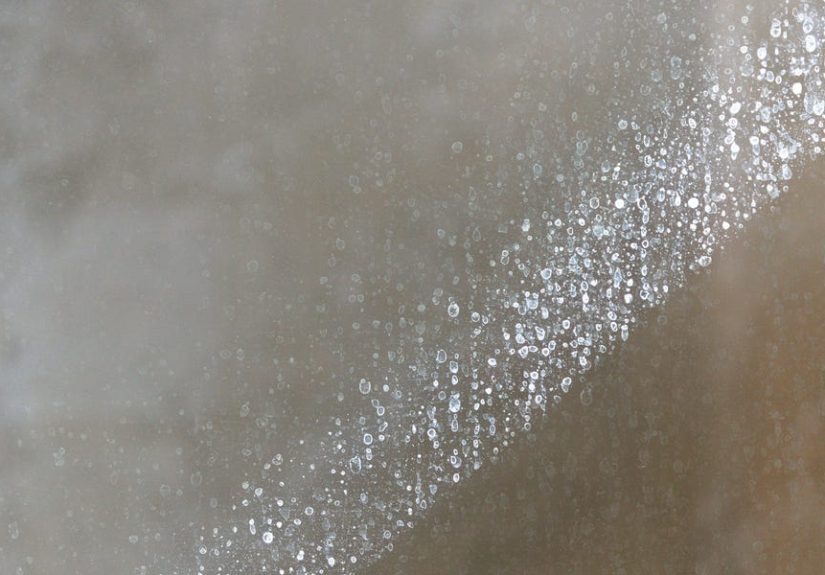
Hard water stains are mineral deposits left behind when water evaporates. If your water contains a high amount of dissolved minerals, those minerals stay on the surface after the water dries. Over time, the residue builds into cloudy white spots, chalky film, crusty rings, or stubborn limescale around fixtures and drains.
That is why your shower door gets a foggy look, your faucet develops a crusty halo, and your sink starts looking older than it really is. The water itself may be harmless to use, but the leftover mineral buildup can make your home look dingy, make cleaning harder, and in some cases even clog fixtures like showerheads and faucet aerators.
The biggest trick is this: hard water stains are not exactly “dirt.” They are mineral buildup. So instead of treating them like grease or dust, you need products and techniques that dissolve or loosen the deposits without damaging the surface underneath.
Before You Start: A Smarter Cleaning Game Plan
Gather the Right Supplies
Before you attack that shower door like it insulted your family, set yourself up with the basics. A well-stocked hard water stain removal kit should include:
- White vinegar
- Dish soap
- Baking soda
- A spray bottle
- Microfiber cloths
- A non-scratch sponge
- An old toothbrush or soft-bristle brush
- Rubber gloves
- A squeegee
- A commercial limescale remover for heavy buildup
Know What Not to Do
This part matters just as much as the cleaning itself. Do not use steel wool on glass or polished metal unless the manufacturer specifically says it is safe. Do not pour random products together in a bucket and hope for the best. And do not use acidic cleaners like vinegar on natural stone, such as marble, travertine, or some granite surfaces, unless the product is specifically labeled stone-safe.
Also, avoid letting strong cleaners sit forever. “More time” does not always mean “more effective.” Sometimes it just means “congratulations, now the finish is dull.” Always test a small hidden spot first, follow label directions on commercial cleaners, and rinse thoroughly afterward.
How to Remove Hard Water Stains by Surface
1. Glass Shower Doors and Shower Enclosures
Glass is one of the most common places for hard water stains to throw a party. The classic fix is a vinegar-based solution because it helps dissolve mineral deposits.
Try this method:
- Mix equal parts white vinegar and warm water in a spray bottle.
- Add a drop or two of dish soap if the glass also has soap scum.
- Spray the glass generously.
- Let it sit for 10 to 20 minutes.
- Scrub gently with a non-scratch sponge or microfiber cloth.
- Rinse with warm water and dry immediately with a clean cloth or squeegee.
If the stains are thick and stubborn, make a paste with baking soda and a little water, apply it after the vinegar treatment, and rub gently. This gives you light scrubbing power without turning your shower into a scratched-up science fair project.
For really crusty buildup, a commercial hard water stain remover may work faster. Just make sure the product is safe for glass and metal trim, and ventilate the room well while using it.
2. Faucets, Handles, and Metal Fixtures
Chrome and stainless fixtures love to advertise every single drop of hard water. For light buildup, wet a microfiber cloth with a 50/50 vinegar-and-water solution and wrap it around the stained area for several minutes. Then wipe, rinse, and buff dry.
If you are cleaning around the base of a faucet or into tight corners, use an old toothbrush dipped in the solution. This helps loosen deposits hiding in seams and crevices. For showerheads, you can soak the head in diluted vinegar or tie a bag with the solution around it for a short soak before brushing the nozzles clean.
One important detail: always rinse metal thoroughly and dry it well. Letting acidic residue sit on decorative finishes is basically sending an engraved invitation to dullness.
3. Sinks and Tubs
Porcelain and many ceramic surfaces respond well to a one-two punch of vinegar and baking soda. Spray or wipe on diluted vinegar first to loosen mineral deposits, then use a baking soda paste on any stubborn rings or crusty spots.
Best approach:
- Apply diluted vinegar to the stained area.
- Wait 10 to 15 minutes.
- Sprinkle baking soda or apply a baking soda paste.
- Scrub gently with a soft sponge.
- Rinse thoroughly and dry.
If your tub or sink has a specialty finish, skip homemade experiments and use the care instructions from the manufacturer. Some surfaces scratch or discolor more easily than standard porcelain.
4. Toilets
Hard water rings in toilets are especially rude because they come back like a sequel nobody asked for. Start by lowering the water level in the bowl if possible, so your cleaner can actually reach the stain instead of floating above it like a confused tourist.
Pour vinegar into the bowl and let it sit. After that, scrub with a toilet brush. For heavier rings, sprinkle baking soda after the vinegar or use a toilet-safe limescale remover. If the buildup is severe, repeat the treatment rather than going in with an overly aggressive tool that could damage the surface.
And yes, that ring may look permanent. No, it is not necessarily permanent. It is just emotionally attached to your toilet.
5. Tile and Grout
Tile can handle more scrubbing than glass, but grout needs a lighter touch than people think. For ceramic or porcelain tile, a paste of baking soda and water works well. Apply it, let it sit briefly, then scrub with a soft brush. For added cleaning power on non-stone tile, use diluted vinegar first.
However, do not use vinegar on natural stone tile or stone-based grout systems unless you know it is safe. Acid can etch the surface and turn a cleaning problem into a repair bill.
6. Stainless Steel and Kitchen Surfaces
Hard water spots on stainless steel sinks, dish racks, and appliances can usually be wiped away with diluted vinegar, followed by a rinse and a dry buff. Always wipe in the direction of the grain when applicable. It sounds like a tiny detail, but it makes the surface look cleaner and reduces streaking.
If the spots keep returning on kitchen surfaces, the issue may not be your technique. It may simply mean the water is drying on the surface too often. In that case, prevention matters more than tougher scrubbing.
When Homemade Solutions Are Not Enough
Sometimes the stain is not a stain anymore. It has evolved. It has become a mineral monument. That is when a commercial descaler or hard water stain remover can save time and effort.
These products are often formulated to tackle calcium, lime, rust, and heavy mineral scale more effectively than pantry staples. They can be especially useful for old toilet rings, thick shower door buildup, and deposits around drains and faucet bases.
But this is where common sense earns its paycheck:
- Read the label carefully.
- Wear gloves if recommended.
- Open a window or turn on ventilation.
- Never mix the product with bleach, vinegar, ammonia, or any other cleaner.
- Rinse thoroughly after use.
If you are working on appliances such as dishwashers or washing machines, follow the manufacturer’s cleaning guidance rather than improvising. Some appliance brands allow occasional vinegar use in specific ways, while others warn against frequent use because acidity can damage seals or internal parts over time.
How to Prevent Hard Water Stains from Coming Back
Dry First, Scrub Less
The easiest way to prevent hard water stains is also the least glamorous: dry wet surfaces. Use a squeegee on shower doors after each shower. Wipe down faucets, glass, and sinks with a microfiber cloth. It takes less than a minute, which is annoying, but still less annoying than scraping off months of limescale later.
Clean More Often, Not More Dramatically
Most hard water stain disasters happen because residue has weeks or months to build. A quick weekly wipe-down with an appropriate cleaner is far more effective than waiting until the bathroom starts looking like it belongs in an abandoned lighthouse.
Use Rinse Aid or Water-Targeted Products
In kitchens, rinse aid can help reduce spotting on dishes and glassware. In bathrooms, a daily shower spray or periodic mineral remover can slow buildup before it turns into a crusty problem.
Consider a Water Softener
If hard water affects multiple rooms in your home, the most effective long-term fix may be a water softener or another water-treatment solution. That will not magically clean the stains already there, but it can drastically reduce future mineral deposits on fixtures, appliances, and glass.
Common Mistakes That Make Hard Water Stains Worse
- Using the wrong cleaner for the surface: Vinegar is helpful on many surfaces, but not on natural stone or every specialty finish.
- Scrubbing too aggressively: Hard water stains can be stubborn, but scratches are forever.
- Not letting the cleaner sit briefly: Mineral buildup needs contact time to loosen.
- Skipping the rinse: Cleaner residue can leave streaks or damage finishes over time.
- Ignoring prevention: If you never dry surfaces, the stains will keep renewing their lease.
Final Thoughts
Removing hard water stains is less about brute force and more about matching the right method to the right material. Start gentle, use acidic cleaners wisely, add mild abrasion only when needed, and save the heavy-duty products for truly stubborn buildup. Most importantly, do not let prevention become an afterthought. A microfiber cloth and a 30-second wipe-down can spare you a full Saturday cleaning spiral later.
So yes, hard water stains are annoying. Deeply, personally, weirdly annoying. But they are also beatable. With the right approach, your glass can look clear again, your faucets can shine again, and your toilet can stop looking like it has seen things.
Real-World Cleaning Experiences: What People Learn the Hard Way
In real homes, hard water stains rarely show up as a neat little spot that disappears after one swipe. They usually arrive in layers. First, there is the faint cloudiness on the shower door that everyone ignores because it is “not that bad.” Then the faucet starts getting a crusty edge. Then the toilet ring appears like a villain entering in the second act. By the time most people decide to deal with it, they are no longer cleaning a fresh stain. They are negotiating with months of mineral buildup.
One of the most common experiences people report is assuming the problem is soap scum alone. So they keep wiping the area with general bathroom cleaner, wondering why the film keeps coming back. That is usually the moment when they realize hard water stains need a different strategy. Once they switch to a method that targets mineral deposits instead of plain grime, the results improve almost immediately. The lesson is simple: if the surface feels chalky, cloudy, or crusty, it is probably not just dirt.
Another very common experience is discovering that “scrubbing harder” is not the same as “cleaning smarter.” Plenty of people start with a rough sponge, a random brush, or whatever dramatic tool is under the sink. That works right up until the glass looks hazy from scratches or the metal finish loses its shine. The better approach is usually patience: let the right cleaner sit for a few minutes, loosen the deposits, then scrub gently. It is less satisfying emotionally, perhaps, but much better for your fixtures.
Homeowners also learn quickly that small habits matter more than occasional deep cleans. Someone may spend an hour making a shower door sparkle, only to watch the spots come back in a week because nobody wipes it down after bathing. A squeegee does not feel exciting, and it certainly will not go viral as a glamorous life upgrade, but it works. The same goes for drying faucets, rinsing sinks, and cleaning lightly but regularly instead of waiting for buildup to become visible from orbit.
Kitchen experiences tell a similar story. People often notice hard water spots on stainless steel and assume the appliance itself is aging badly. In reality, the surface may just be collecting dried minerals over and over. A quick clean with the right product followed by a dry buff can make the appliance look surprisingly new. The same thing happens with dishwashers and glassware: repeated spotting can make people think something is broken, when the real issue is mineral-rich water and inconsistent maintenance.
And then there is the ultimate lesson almost everyone learns once: more product is not always better. Too much vinegar, too much scrubbing, too much soaking, or mixing products without thinking can create new problems fast. The people who get the best long-term results are usually the ones who simplify. They use the right cleaner, on the right surface, for the right amount of time, then rinse and dry. Not glamorous. Not magical. Just effective.
That is the real truth about hard water stain removal. It is not about one miracle hack. It is about understanding the surface, respecting the material, and building a routine that keeps mineral buildup from becoming a full-blown household grudge.