Table of Contents >> Show >> Hide
- Why a Freshwater Aquarium Is a Great Place to Start
- Step 1: Choose the Right Tank Size
- Step 2: Pick a Good Location
- Step 3: Gather the Essential Freshwater Aquarium Equipment
- Step 4: Rinse Everything and Build the Tank
- Step 5: Add the Filter, Heater, and Thermometer
- Step 6: Fill the Aquarium and Treat the Water
- Step 7: Let the Tank Stabilize Before You Add Fish
- Step 8: Cycle the Aquarium
- Step 9: Add Fish Slowly and Acclimate Them Properly
- Step 10: Feed Lightly and Maintain Consistently
- Common Beginner Mistakes to Avoid
- Best Beginner Mindset for Long-Term Success
- Experience-Based Lessons From Setting Up a Freshwater Aquarium
- Conclusion
- SEO Tags
Setting up a freshwater aquarium sounds simple at first. You buy a tank, add water, drop in a castle, and cue the relaxing fish montage. Then reality arrives wearing wet sleeves and holding a water test kit. The good news is that a beautiful, healthy aquarium is absolutely beginner-friendly when you follow the right order. The bad news is that fish are not thrilled by improvisation.
This guide walks you through how to set up a freshwater aquarium the smart way, from choosing the right tank to cycling the water and adding fish without turning your living room into a tiny aquatic emergency room. Whether you want a peaceful community tank, a planted freshwater setup, or simply a hobby that is equal parts calming and slightly obsessive, this step-by-step guide will help you start strong.
Why a Freshwater Aquarium Is a Great Place to Start
A freshwater aquarium is usually easier and more forgiving than a saltwater setup, which is exactly what beginners need. A larger freshwater tank gives you more stable water conditions, more stocking options, and fewer chances to panic over every tiny fluctuation. In other words, freshwater fishkeeping is still a responsibility, but it is not a chemistry final exam with fins.
If you are brand-new, think of your first aquarium as building a small ecosystem. Your goal is not just to keep fish in water. Your goal is to create a stable environment where fish, plants, and beneficial bacteria can all do their jobs without drama.
Step 1: Choose the Right Tank Size
One of the most common beginner mistakes is buying a tank that is too small. Small tanks look easy, but they are less stable. Water temperature changes faster, waste builds up quicker, and mistakes become visible almost immediately. That is not beginner-friendly. That is beginner-spicy.
For most new hobbyists, a tank in the 20- to 40-gallon range is a sweet spot. It gives you a little room for error, enough space for equipment, and a wider choice of freshwater fish. If your space or budget is tight, you can still succeed with a smaller tank, but you will need to be more careful with maintenance and stocking.
What to keep in mind when picking a tank
- Choose the largest tank you can comfortably fit and maintain.
- Make sure the stand is designed to hold the full weight of the aquarium.
- Remember that water is heavy, so “I’ll just put it on this random table” is not a plan.
- A lid is a smart addition because it helps reduce evaporation and can prevent fish from jumping.
Step 2: Pick a Good Location
Where you place your freshwater aquarium matters more than people think. Set the tank on a level, sturdy stand in a spot away from direct sunlight, heat vents, air conditioners, and busy doorways. Direct sun encourages algae growth, and rapid temperature changes can stress fish.
You also want the aquarium near electrical outlets because you will likely be running a filter, heater, light, and maybe an air pump. Leave enough space behind the tank for cords and maintenance access. Your future self will be deeply grateful when it is time to clean the filter and you do not have to perform interpretive yoga behind the stand.
Step 3: Gather the Essential Freshwater Aquarium Equipment
You do not need every aquarium gadget on Earth, but you do need the basics. A proper freshwater fish tank setup usually includes:
- Aquarium and stand
- Filter
- Heater for tropical fish
- Thermometer
- Lighting
- Substrate such as gravel or sand
- Decor, rocks, or driftwood
- Water conditioner to remove chlorine and chloramine
- Water test kit
- Fish net, siphon, and bucket for maintenance
If you want a planted freshwater aquarium, add live plants and make sure your substrate and lighting support them. Beginners often do well with hardy plants because they make the tank look better, give fish places to hide, and can help balance the ecosystem.
Step 4: Rinse Everything and Build the Tank
Before adding anything to the aquarium, rinse the tank, substrate, and decorations with warm water only. No soap. No household cleaners. No “just a tiny drop.” Fish are extremely sensitive to residue, and what smells lemon-fresh to you can be a disaster for them.
Once everything is rinsed, place the tank on the stand, add the substrate, and arrange your decor. This is the fun part where you get to decide whether your fish are moving into a tasteful underwater garden or a tiny Roman ruin. Try to create open swimming space as well as hiding places, especially if you plan to keep community fish.
Simple aquascaping tips for beginners
- Put taller plants and larger decorations toward the back.
- Leave open space in the front for viewing and fish movement.
- Avoid overcrowding the tank with decor.
- Secure rocks and wood so they cannot shift.
Step 5: Add the Filter, Heater, and Thermometer
Install your filter according to the manufacturer’s instructions. The filter is not optional decoration. It is one of the most important pieces of aquarium equipment because it helps move water, trap debris, and support beneficial bacteria.
If you are keeping tropical freshwater fish, install a heater and thermometer too. Many community fish do well around 78 degrees Fahrenheit, though the exact range depends on the species. Place the thermometer away from the heater so you get a more accurate reading of the tank’s overall temperature.
Also, use a drip loop on every electrical cord. That means the cord hangs lower than the outlet before rising up to plug in. It is a simple safety step that helps keep water from running into the socket. It is not glamorous, but neither is explaining to an electrician why your guppies nearly took out the power strip.
Step 6: Fill the Aquarium and Treat the Water
Now fill the tank slowly with room-temperature water. A plate or bowl placed on the substrate can help prevent the water flow from blasting a crater into your carefully arranged gravel. Once the tank is full, add a water conditioner to remove chlorine and chloramines from tap water.
At this stage, turn on the filter and let the water begin circulating. If you installed a heater, wait a little while before powering it up so it can adjust to the water temperature. Then check that all equipment is working correctly and confirm the tank is not leaking. It is much better to discover a problem now than after you have named the fish.
Step 7: Let the Tank Stabilize Before You Add Fish
After setup, let the aquarium run for at least 24 hours so the temperature can stabilize and you can make sure the equipment is functioning properly. Some new tanks get a little cloudy at first, which is common. What matters is that your system is running smoothly before any fish enter the picture.
This is also the right time to test the water. Temperature, pH, and ammonia are especially important. Stability matters more than chasing a magical perfect number.
Step 8: Cycle the Aquarium
If there is one thing every beginner should understand, it is the nitrogen cycle. This is the biological process that makes an aquarium safe. Fish waste and uneaten food create ammonia, which is toxic. Beneficial bacteria convert ammonia into nitrite, which is also toxic. Then another group of bacteria converts nitrite into nitrate, which is less harmful and can be managed through water changes and plants.
In plain English: your tank needs time to grow the invisible cleanup crew.
A new freshwater aquarium usually takes a few weeks to cycle, often around two to six weeks. A fishless cycle is generally the gentler route because it avoids exposing fish to toxic spikes while the tank matures. Some hobbyists use bacteria starters, seeded media, or hardy plants to help the process along, but the biggest ingredient is still patience. Yes, patience is boring. It is also cheaper than replacing fish.
How to know your tank is cycled
- Ammonia tests at zero
- Nitrite tests at zero
- Nitrate is present in a manageable range
- The tank can process waste consistently without sudden spikes
Step 9: Add Fish Slowly and Acclimate Them Properly
Once your tank is cycled, resist the temptation to buy every adorable fish in one heroic trip. Add fish gradually so the biofilter has time to adjust to the increased waste. Research fish compatibility, adult size, behavior, and temperature needs before mixing species. “They were next to each other at the store” is not a stocking strategy.
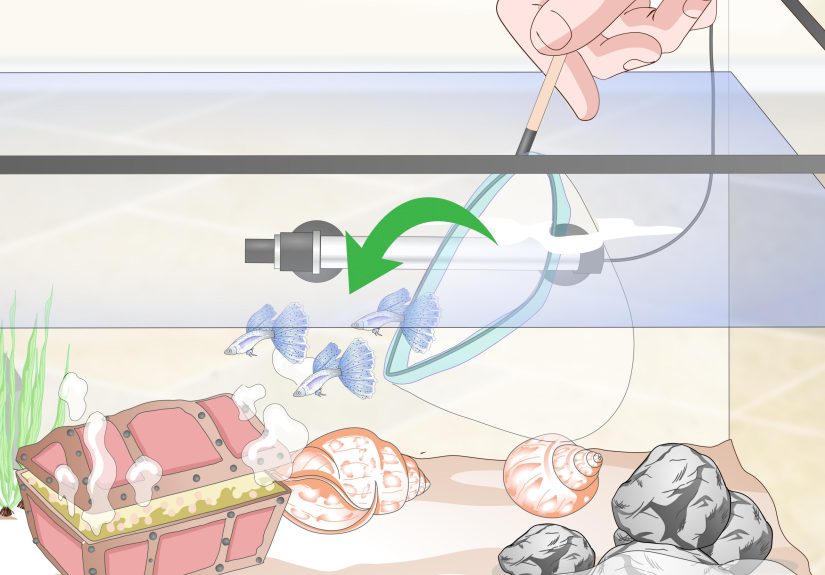
When you bring new fish home, acclimate them carefully. Float the bag to help equalize temperature, then slowly mix small amounts of tank water into the bag over time so the fish can adjust to the new conditions. Do not dump store water directly into your aquarium. That water can carry disease, parasites, or unwanted surprises.
Quarantine is ideal, especially if you plan to build a community tank. It is not the most exciting part of fishkeeping, but neither is introducing one sick fish and accidentally turning your peaceful setup into a full-tank soap opera.
Step 10: Feed Lightly and Maintain Consistently
Once fish are in the tank, the real secret to success is consistency. Not expensive gear. Not dramatic rescues. Not the confidence of someone who watched three aquarium videos and now feels spiritually connected to cichlids. Just consistent care.
Feed small amounts your fish can finish quickly, and remove leftovers if needed. Overfeeding is one of the fastest ways to foul water. Test the tank regularly, especially during the first couple of months. Many freshwater aquariums do well with weekly partial water changes in the 20% to 30% range, though the exact schedule depends on your tank size, stocking level, and filtration.
Basic freshwater aquarium maintenance checklist
- Check fish behavior daily
- Monitor temperature and equipment
- Test water regularly
- Do partial water changes on a schedule
- Vacuum debris from the substrate
- Rinse filter media only as needed and never all at once
- Trim plants and wipe algae from the glass
Common Beginner Mistakes to Avoid
Even a well-planned aquarium can go sideways if you rush. Here are the mistakes that cause the most trouble:
- Choosing a tank that is too small
- Adding fish before the aquarium is cycled
- Adding too many fish at once
- Using untreated tap water
- Overfeeding
- Ignoring water testing
- Mixing incompatible fish species
- Cleaning everything too aggressively and disrupting beneficial bacteria
The theme here is simple: slow down. Freshwater aquarium setup rewards calm, boring, repeatable actions. The fish love that. Chaos is mostly a human hobby.
Best Beginner Mindset for Long-Term Success
The best freshwater aquarium is not the flashiest one. It is the one you can maintain consistently. Start with realistic goals. Pick hardy fish. Learn your water. Watch the tank every day. Most problems announce themselves quietly before they become obvious. A fish hiding more than usual, a heater drifting off temperature, cloudy water, or a sudden algae bloom can all be early clues that something needs attention.
Think of your aquarium as a system, not a decoration. Once you understand that, everything gets easier. You stop chasing random fixes and start making steady decisions that support the health of the whole tank.
Experience-Based Lessons From Setting Up a Freshwater Aquarium
Anyone who has set up a freshwater aquarium remembers the first few weeks vividly. At the beginning, everything feels exciting and slightly absurd. You spend an hour arranging one rock, step back like an artist unveiling a masterpiece, and then accidentally knock the whole design crooked while filling the tank. Welcome to the hobby. It builds character and occasionally tests your ability to stay calm while holding a wet plant upside down.
One of the biggest real-world lessons is that a new aquarium rarely looks finished on day one. The water may cloud a little. The plants may droop. The heater takes time to settle in. The filter may hum louder than expected until you adjust it. A beginner often thinks something is wrong because the tank does not immediately look like a magazine photo. In reality, a healthy aquarium grows into itself. The first setup is more like starting a garden than decorating a shelf.
Another common experience is discovering that patience is not just helpful, but practical. People love shopping for fish. Almost nobody loves waiting for a tank to cycle. But the hobby gets dramatically easier when you accept that invisible progress still counts. Beneficial bacteria do not make a grand entrance. They just quietly make the aquarium livable. Once you understand that, you stop asking, “Why can’t I add all the fish today?” and start asking, “How can I make this tank stable for the long haul?” That shift in mindset changes everything.
There is also the moment every aquarist has when they realize fishkeeping is part observation, part routine, and part detective work. You begin to notice things you would never have seen before: the difference between a fish resting and a fish gasping, the sound a filter makes when the water level drops, the way algae appears faster when the light is left on too long, and how overfeeding one enthusiastic evening can come back to haunt you the next morning. These experiences build confidence. The tank teaches you, often in tiny, repetitive ways.
Many beginners also learn that maintenance is far less stressful when it becomes a habit instead of a rescue mission. A 20-minute water change feels easy. A neglected tank that suddenly needs everything at once feels like a personal betrayal. The experienced aquarist is not usually the person with the fanciest gear. It is the person who sticks to the boring schedule, tests the water, cleans the glass, and does not panic every time one leaf turns yellow.
Perhaps the best experience of all is watching a tank finally settle in. Fish start swimming with confidence. Plants perk up. The water looks clearer. The whole aquarium stops feeling like a project and starts feeling like a living space. That is the point where people get hooked on the hobby. Not because the tank is perfect, but because it feels balanced. The stress drops, the routine becomes enjoyable, and even a simple freshwater aquarium starts to feel like a small world you built well.
So if your first setup feels messy, slow, or weirdly emotional for a box of water, that is normal. Freshwater aquarium success is not about perfection on day one. It is about building a stable tank step by step, learning as you go, and remembering that every experienced fishkeeper was once standing in front of a cloudy new tank thinking, “Well, I hope the fish forgive me.”
Conclusion
If you want to know how to set up a freshwater aquarium the right way, the answer is simple: choose the right tank, use the right equipment, treat the water, cycle the aquarium, add fish slowly, and stay consistent with maintenance. That is the formula. No gimmicks, no shortcuts, and definitely no impulse-buying six mystery fish because they “look chill.”
A well-planned freshwater fish tank can be relaxing, beautiful, and deeply rewarding. Start slow, let the ecosystem develop, and focus on stability over speed. Do that, and your aquarium will not just look good on day one. It will still be thriving months later, which is the kind of glow-up your fish actually care about.