Table of Contents >> Show >> Hide
- First, Figure Out Where the Blood Is Coming From (Because That Changes Everything)
- The 5–10 Minute Home First-Aid Plan (Simple, Safe, Effective)
- Step 1: Keep everyone safe (yes, including you)
- Step 2: Stop the head-shaking cycle
- Step 3: Apply direct pressure (the “don’t peek” rule)
- Step 4: If it’s still oozing, keep pressure and add layers
- Step 5: Make a quick ear bandage (only if the bleeding is from the ear flap)
- Step 6: If it’s a tiny nick on the ear edge, consider a clot helpercarefully
- What NOT to Do (Because “It Seemed Like a Good Idea” Can Hurt)
- Why Dog Ears Bleed: The Most Common Causes (And Clues You Can Spot)
- When It’s Time to Call the Vet (Or Go Now)
- After the Bleeding Stops: Simple Next Steps (The “Don’t Re-Open It” Phase)
- Build a Mini “Ear Bleed” First Aid Kit (Because It’s Always at 11:47 PM)
- Prevention: Fewer Ear Emergencies, More Peace
- Real-World Owner Experiences (500+ Words of “Yep, Been There” Lessons)
A bleeding dog ear can look like a horror-movie prop in about 0.7 seconds. The good news: ears bleed
dramatically because they’re packed with tiny blood vessels, not because your dog is secretly made of ketchup.
The less-good news: dogs also love to shake their heads like they’re trying to win a wet-hair competition, which
can restart bleeding fast.
This guide walks you through safe, simple first-aid steps you can do at home to slow or stop bleeding from the
outer ear flap (the pinna), plus clear “go now” signs for the vetespecially if bleeding is coming from
inside the ear canal.
Quick note: This is first aid, not a diagnosis. If you’re unsure, or if your dog is in pain, it’s always okay to call your veterinarian or an emergency clinic for guidance.
First, Figure Out Where the Blood Is Coming From (Because That Changes Everything)
Outer ear flap (pinna) bleeding
This is the most common “my dog looks like a crime scene” situation: a scratch from nails, a small cut on the ear
edge, a bite nick, or a torn ear tip. The bleeding can look intense, but it’s often manageable with pressure and
protection.
Bleeding from inside the ear canal
If blood seems to be coming from the ear hole, treat it as more urgent. Causes can include infection,
foreign material (like a foxtail), trauma deeper in the canal, or eardrum issues. At home, the safest move is to
avoid probing and get veterinary help.
The 5–10 Minute Home First-Aid Plan (Simple, Safe, Effective)
Step 1: Keep everyone safe (yes, including you)
- Stay calm. Your dog reads your energy like it’s a bestseller.
- Prevent bites. Even sweet dogs may snap when frightened or hurting.
- Use gentle restraint. A towel wrap (“dog burrito”) helps with wiggly pups. If you’re a teen,
ask an adult to helpthis is a two-person job more often than people admit.
Step 2: Stop the head-shaking cycle
Head shaking can worsen bleeding and can also contribute to an ear flap swelling problem called an
aural hematoma. Before you do anything fancy, do something basic:
get the ear held still.
Step 3: Apply direct pressure (the “don’t peek” rule)
- Use clean gauze or a clean cloth.
- If the ear flap is bleeding, place gauze on both sides of the ear flap where it’s bleeding.
- Fold the ear flap gently up and over the top of your dog’s head, sandwiching the gauze in place.
- Hold steady pressure for at least 3 minutes (longer is often better).
Try not to lift the gauze every 10 seconds “just to check.” That can pull off the clot and restart the bleeding.
Pro tip: Set a timer. Three minutes feels like 45 minutes when you’re stressed.
A timer keeps you from “panic-peeking.”
Step 4: If it’s still oozing, keep pressure and add layers
If blood soaks through, place a new layer on top instead of removing the original pad. Removing the first layer can
disturb the clot. Keep pressure going while you prepare to transport to a vet if needed.
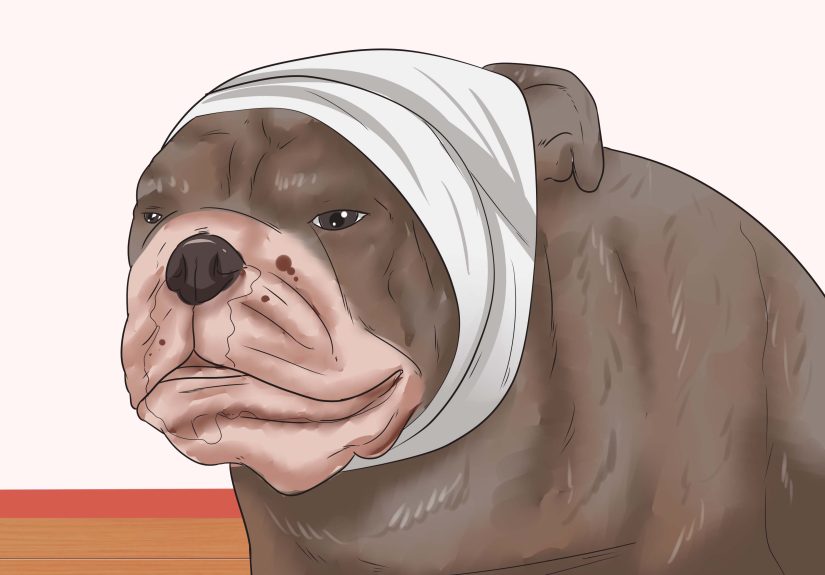
Step 5: Make a quick ear bandage (only if the bleeding is from the ear flap)
The goal is to keep the gauze pressed against the wound and prevent head shaking from flinging it off.
A simple wrap can work:
- Keep gauze on both sides of the ear flap.
- Fold the ear over the top of the head (or lay it gently against the head).
- Use gauze roll and medical tape (or vet wrap) to wrap around the head and under the neck
without covering the nose or making it hard to breathe. - Not too tight: you should be able to fit a couple fingers between wrap and skin.
Watch for swelling above/below the bandage.
If your dog hates the wrap (many do), don’t wrestle for 20 minutes. Pressure with gauze is still the MVP.
You can also use an E-collar (cone) to prevent scratching while you head to the vet.
Step 6: If it’s a tiny nick on the ear edge, consider a clot helpercarefully
For small, superficial cuts on the ear flap (not inside the canal), some owners use a small amount of
styptic powder (often used for nail quicks) or even cornstarch to help clotting.
If you do this:
- Use a tiny amount on the outer wound only.
- Never pack powders into the ear canal.
- Follow with gentle pressure again.
What NOT to Do (Because “It Seemed Like a Good Idea” Can Hurt)
- Don’t pour hydrogen peroxide or rubbing alcohol into the ear. They can irritate tissue and make things worse.
- Don’t use cotton swabs (Q-tips) inside the ear canal. You can push debris deeper or irritate the canal.
- Don’t dig for foreign objects. If you suspect something is stuck in the ear, stabilize and go to the vet.
- Don’t use glue, powders, or ointments deep in the ear. “Home fixes” inside the canal can complicate treatment.
- Don’t let your dog keep shaking and scratching. Use a cone, distraction, or gentle restraint while you treat.
Why Dog Ears Bleed: The Most Common Causes (And Clues You Can Spot)
1) Scratches and torn ear tips
Many ear-bleed situations are simple: a sharp nail, rough play, or an itchy ear that got scratched too hard.
Ear edges bleed easily and can reopen repeatedly.
Clue: You can see a small cut on the ear flap, often along the rim.
2) Ear infections (otitis externa)
Infections and inflammation can make the ear canal sore and fragile. Dogs scratch, shake, andsometimesbleed.
Allergies are a common “starter fuel” for recurring ear problems.
Clues: odor, redness, discharge, head shaking, frequent scratching, pain when touched.
3) Foreign material in the ear
Things like grass awns/foxtails or other debris can irritate the canal. Dogs may suddenly start shaking their head,
pawing at the ear, and yelping.
Clues: sudden onset, one ear, intense head shaking, possible bleeding from the canal.
4) Aural hematoma (a “blood blister” in the ear flap)
If your dog’s ear flap becomes puffy, swollen, or looks like a squishy balloon, it may be an aural hematoma
usually caused by head shaking or scratching that ruptures small vessels in the ear flap.
Clues: swelling of the ear flap, warmth, discomfort, head tilt, ear held oddly.
5) Bite wounds or trauma
Scuffles happen. Even a small bite puncture can bleed and can get infected. Trauma can also cause deeper injury
that isn’t obvious at first glance.
Clues: irregular tears, multiple marks, pain, swelling, or bleeding that keeps restarting.
When It’s Time to Call the Vet (Or Go Now)
Home first aid is meant to stabilizenot to replace medical care. Seek veterinary help urgently if any of these are true:
- Bleeding won’t stop after 10 minutes of steady pressure.
- Blood appears to come from inside the ear canal (the ear hole), not the outer flap.
- The cut is deep, gaping, or the ear looks torn badly.
- The ear flap is swelling (possible hematoma) or suddenly looks puffy.
- Your dog seems very painful, won’t let you near the ear, or cries when touched.
- There’s strong odor, pus-like discharge, or significant redness (possible infection).
- Your dog is weak, pale, very lethargic, or acting “not right”.
- You suspect a foreign object (especially foxtails) or your dog has sudden intense head shaking.
- Your dog has a known bleeding/clotting disorder or is on medication that affects clotting.
If you’re transporting your dog, keep pressure on the wound during the ride if possible, and keep them warm and calm.
After the Bleeding Stops: Simple Next Steps (The “Don’t Re-Open It” Phase)
Keep the ear protected for 12–24 hours
- Use a cone if your dog keeps scratching.
- Limit zoomies, wrestling, and head-shaking triggers (yes, that includes “Who wants a treat?!” hype).
- Keep the area clean and dry.
Clean only what you can see
If there’s dried blood on the outer ear flap, you can gently wipe with a damp cloth or sterile saline on the
outside. Avoid flushing the ear canal unless your veterinarian has instructed you to.
Watch for infection or swelling
Over the next day or two, keep an eye out for redness, heat, swelling, foul odor, discharge, or renewed bleeding.
If any appear, schedule a vet visit.
Build a Mini “Ear Bleed” First Aid Kit (Because It’s Always at 11:47 PM)
You don’t need a full ambulance in your closet. A few basics go a long way:
- Sterile gauze pads + rolled gauze
- Medical tape or cohesive bandage (vet wrap)
- Non-stick wound pads
- Saline solution (sterile, if possible)
- Disposable gloves
- An E-collar (or inflatable collar) that fits your dog
- Styptic powder (optional, for minor external nicksuse carefully)
- Your vet’s number + nearest emergency clinic info
Prevention: Fewer Ear Emergencies, More Peace
- Trim nails to reduce scratch injuries.
- Address itch triggers (allergies, fleas, ear infections) earlyitching is a repeat offender.
- Use ear cleaners wisely. For routine ear care, avoid products with alcohol or hydrogen peroxide unless your vet says otherwise.
- Check ears after hikes if your area has foxtails or rough grasses.
Real-World Owner Experiences (500+ Words of “Yep, Been There” Lessons)
Not every ear bleed is a dramatic emergencybut nearly every ear bleed feels dramatic at first. Here are common
experiences dog owners report (and what usually helps), written as realistic scenarios so you can recognize patterns
without spiraling into the “my dog is doomed” rabbit hole.
Experience #1: The “Ear Tip Fountain” After One Good Scratch
A family notices tiny red dots on the floor and finds their dog standing there looking innocentwhile the ear tip
is dripping like a leaky faucet. The cause? A sharp nail plus an itchy ear edge. The fix that works fastest is
boring but effective: gauze on both sides, ear folded over the head, and steady pressure with the “no peeking”
rule. Once the bleeding slows, they add a gentle head wrap to keep the ear from flapping.
The lesson: ear edges reopen easily. Even after it stops, a dog can restart bleeding with one head shake.
A cone for a few hours (or overnight) can be the difference between “we handled it” and “why are the walls polka-dotted?”
Experience #2: The “It’s Not Bleeding… It’s Swelling” Surprise
Another owner sees only a little blood at first, but by the next day the ear flap looks puffy and lumpylike a
squishy pillow. The dog keeps shaking their head. That swelling is often consistent with an aural hematoma.
Many owners assume it’ll “go away,” but hematomas frequently need veterinary treatment to prevent long-term
thickening or deformity of the ear.
The lesson: if the ear flap is swelling, don’t treat it like a simple cut. Stabilize the ear (cone, calm, avoid shaking)
and get a vet exam. The real problem may be what caused the shaking in the first placelike allergies or infection.
Experience #3: The “Sudden Head Shaking” Panic on a Walk
A dog is fine during a walk, then suddenly starts whipping their head around and pawing at one ear like it’s on fire.
There’s a bit of blood at the ear opening. Owners may be tempted to grab tweezers and go fishing. That’s risky:
a foreign object can be deeper than it looks, and poking around can injure the canal or push debris farther in.
The lesson: if the bleeding seems to come from inside the ear canalespecially with sudden intense head shaking
your best “home solution” is stabilization: keep the dog from scratching, don’t insert anything, and go to the vet.
It’s not defeat. It’s strategy.
Experience #4: The “Recurring Ear Drama” in Allergy Season
Some owners feel like their dog’s ears have a calendar: spring blooms arrive, and so do itchy ears. The dog scratches,
the skin becomes irritated, and minor bleeding shows up. First aid helps in the moment, but the long-term win comes
from addressing the causeoften allergies, yeast or bacterial infections, or moisture trapped in floppy ears.
These owners usually do best with a vet-approved routine: proper ear cleaning (with appropriate products), early
treatment when redness/odor starts, and allergy management strategies recommended by their veterinarian.
The lesson: if ear bleeding keeps happening, the bleeding is the “alarm,” not the whole fire. Put out the fire by treating
the itch/infection trigger so you’re not doing first aid every other week like it’s a hobby.
Bottom line: for outer ear flap nicks, pressure + protection is your best friend. For canal bleeding, major swelling,
severe pain, or bleeding that won’t quitget professional help. Your goal is a safe dog, not a heroic home surgeon.