Table of Contents >> Show >> Hide
- Why Blue Jeans Gap at the Waist
- Before You Start: Decide Whether the Jeans Are Good Candidates
- Tools You Will Need
- The 3 Best Ways to Take in the Waist on Jeans
- How Much Can You Take In?
- How to Sew Denim Without Making It Look Like a Craft Emergency
- Common Mistakes to Avoid
- No-Sew and Low-Sew Alternatives
- When to Go to a Tailor
- Real-World Lessons From Taking In the Waist on Blue Jeans
- Conclusion
- SEO Tags
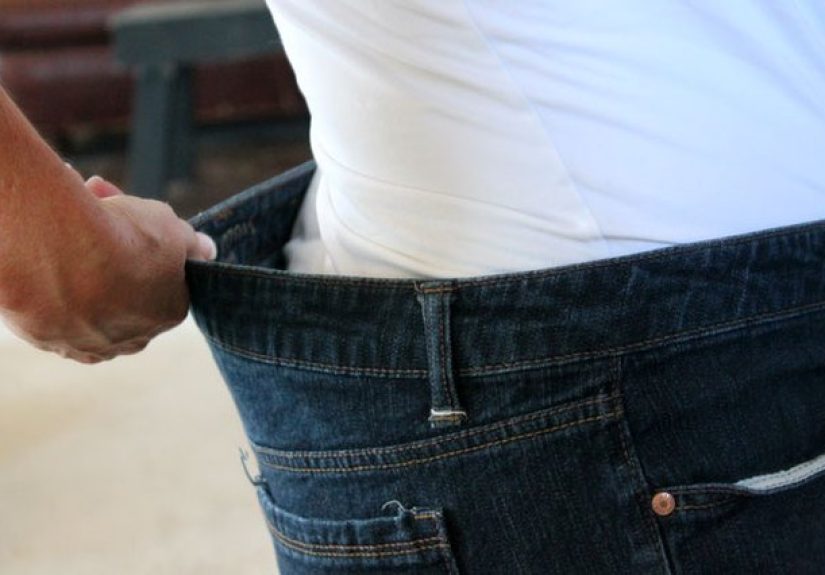
There are few fashion betrayals more dramatic than a pair of blue jeans that fits beautifully everywhere except the waist. The legs look great. The seat is solid. The vibe is immaculate. Then you sit down, lean forward, or walk past a mirror, and suddenly the back waistband is flaring out like it is trying to catch a breeze and leave the building.
The good news is that you do not always need to retire those jeans, live in a belt forever, or pretend the gap is part of the design. If your jeans fit well through the hips, seat, and thighs, taking in the waist is often the smartest alteration you can make. Done well, it gives you a cleaner silhouette, a better fit, and that deeply satisfying feeling of winning a tiny war against denim.
In this guide, you will learn how to take in the waist on a pair of blue jeans, which method works best for different fits, what tools you need, what mistakes to avoid, and when to stop fighting your sewing machine and call a tailor. Because confidence is great, but so is not snapping a needle at midnight.
Why Blue Jeans Gap at the Waist
A waistband gap usually happens when your proportions are doing exactly what proportions do: your hips and seat need one size, but your waist needs another. Stretch denim can also relax with wear, which makes the waistband feel looser by the end of the day. High-rise jeans can exaggerate this problem, and rigid denim can make it more obvious because it does not mold to your shape as quickly.
This is why “just buy a smaller size” is often bad advice. A smaller size may fix the waist but punish the hips, pull across the seat, or turn sitting down into a trust exercise. In many cases, the best move is to buy jeans that fit the widest part of your lower body and alter the waistband for a custom fit.
Before You Start: Decide Whether the Jeans Are Good Candidates
These jeans are worth altering if:
- They fit well through the hips, seat, and thighs.
- The main problem is a loose waistband or back gap.
- You like the rise, leg shape, wash, and overall feel.
- The jeans are good quality, sentimental, expensive, or simply your favorite pair.
You may want a tailor instead if:
- The waistband gap is dramatic and the whole upper jean needs reshaping.
- The rise also feels wrong.
- The denim is very thick, rigid, or heavily detailed.
- You want the alteration to be nearly invisible on premium jeans.
- You do not own a machine that can handle bulky seams without sounding personally offended.
As a rule, small to moderate waist adjustments are very doable at home. Bigger changes can start to affect the yoke, rise, pocket placement, and how the seat hangs. That is when a professional tailor starts looking less like an expense and more like a peace treaty.
Tools You Will Need
- A seam ripper
- Tailor’s chalk or washable fabric marker
- Pins or sewing clips
- Heavy-duty needle for denim
- Strong thread that matches the jeans
- Sewing machine
- Iron and ironing board
- Small hammer, mallet, or tailor’s clapper for flattening bulk
- Sharp fabric scissors
- Measuring tape or ruler
If your jeans are thick, this is not the moment to use an old mystery needle that has already survived six unrelated projects and a minor emotional breakdown. Fresh denim needles matter. So does pressing. So does patience. Denim rewards discipline and punishes shortcuts with visible lumps.
The 3 Best Ways to Take in the Waist on Jeans
1. Add Two Back Darts for a Quick, Smart Fix
This is the easiest method when the waistband gap is mostly at the back and the change is fairly small. Instead of opening the whole center-back area, you create two darts at the back waistband, usually above or near the back pockets. This removes excess fabric while keeping the jeans balanced.
- Turn the jeans inside out and try them on.
- Pinch out the extra fabric at the back waistband evenly on both sides.
- Mark two matching darts, one on each side of center back, usually above the pockets.
- Take the jeans off and check that both markings are symmetrical.
- Sew each dart from the waistband downward, tapering gradually so the line disappears smoothly.
- Press the darts toward the center or whichever direction lies flattest.
- Trim bulk only if absolutely necessary.
Best for: small gaps, stretch jeans, beginners, and anyone who wants a faster fix without fully removing the waistband.
Pros: quick, low-risk, and often surprisingly effective.
Cons: not the cleanest option for larger alterations, and giant darts can look bulky or homemade.
2. Open the Waistband and Take In the Center Back for the Most Professional Result
If you want the alteration to look polished and intentional, this is usually the best method. It takes longer, but it gives you the cleanest fit and better control over how the waistband and back yoke sit together.
- Remove the center back belt loop with a seam ripper.
- Open the waistband stitching at the center back.
- Open enough of the waistband and topstitching to work comfortably.
- Try the jeans on inside out and pinch out the exact amount you want to remove at center back.
- Mark the new seam line, tapering smoothly into the existing center-back seam or yoke area.
- Sew the new center-back seam.
- Trim and grade the seam allowance if needed to reduce bulk.
- Press the seam open or to one side, depending on construction.
- Take in the waistband separately so it matches the new back shape.
- Reattach the waistband, topstitch, and sew the belt loop back on.
This method works because you are not only shrinking the waistband. You are also shaping the upper back of the jeans so the fabric lies flatter. That matters. If you remove width from the waistband alone and ignore the yoke or seat area, you can end up with bubbling or a weird poof above the rear. No one needs that kind of surprise architecture.
Best for: rigid denim, cleaner finishes, moderate alterations, and favorite jeans you want to keep for years.
Pros: best-looking result, more control, better body contouring.
Cons: more time, more bulk, more topstitching, and more opportunities to mutter at denim.
3. Use the Side Seams for Certain Small Adjustments
This method is less common for jeans than for trousers or skirts, but it can work for small changes if the style allows it. You open the waistband near the side seams and continue the adjustment down through the side seam so the transition looks smooth.
This is most useful when the looseness feels more distributed rather than concentrated only at center back. However, jeans often have pocket construction, rivets, and topstitching that make side-seam work more annoying. In plain English: possible, yes; convenient, not always.
Best for: very small alterations, minimal back-gap issues, or jeans with simpler construction.
How Much Can You Take In?
Small adjustments usually look the best. Once you start removing a lot of fabric, jeans can become unbalanced. The seat may pull strangely, the rise can change, the back pockets may drift visually, and the center-back area can start looking overworked. When that happens, the jeans are telling you something important: they may be the wrong size or the wrong cut for your body.
A good practical rule is this: if the fit is almost right and the waist is the main annoyance, alter. If the jeans need a whole identity change, shop again or go to a tailor.
How to Sew Denim Without Making It Look Like a Craft Emergency
Use the right needle and thread
Denim is thick, layered, and not interested in compromise. Use a proper jeans or denim needle, and match the thread to the original as closely as possible. For visible topstitching, longer stitches usually look better and sit more cleanly on heavy fabric.
Press at every stage
Press before sewing, after sewing, and after reattaching the waistband. Pressing is not optional. It is the difference between “custom altered” and “I fought these in a chair.” A good press helps the seam settle, reduces bulk, and makes topstitching easier to control.
Flatten bulky seams
If you are crossing thick yoke seams or waistband layers, gently flatten the area with a hammer, mallet, or tailor’s clapper first. This sounds dramatic, but denim respects tools more than optimism.
Sew slowly over thick spots
Do not floor the pedal over bulky intersections. Slow down. Hand-walk the machine if necessary. The goal is control, not speed.
Common Mistakes to Avoid
- Taking in only the waistband: This can create bubbling below the band.
- Making one giant dart: Two smaller darts usually look better than one dramatic fold.
- Skipping the try-on step: Measure on the body, not just on the table.
- Ignoring symmetry: Uneven darts will show.
- Using the wrong needle: Broken needles and skipped stitches love bad planning.
- Rushing topstitching: Denim shows every wobble.
- Cutting too much too soon: Test the fit before trimming seam allowance aggressively.
No-Sew and Low-Sew Alternatives
If you do not want to permanently alter your blue jeans, you still have options. A belt is the obvious one, but there are also temporary waistband clips, hidden elastic tricks, and removable button devices designed to tighten the waist. These can work in a pinch, especially for trendy jeans you may not wear for years.
That said, temporary fixes are exactly that: temporary. They can bunch the waistband, create uneven gathers, or feel bulky under a tucked-in shirt. If you wear the jeans often, a proper alteration is almost always the better long-term move.
When to Go to a Tailor
Take your jeans to a tailor when the waistband gap is the only problem but the denim is expensive, rigid, heavily stitched, or emotionally important. Also go pro if the alteration is large, you want the original topstitching preserved as neatly as possible, or your home machine taps out the second it sees a waistband seam.
There is no shame in outsourcing denim surgery. Some jobs are ideal weekend DIY projects. Some jobs are better handled by a person who owns industrial equipment and does not fear rivets.
Real-World Lessons From Taking In the Waist on Blue Jeans
The funniest thing about taking in the waist on jeans is that the job looks tiny from across the room. You hold up the waistband, pinch out an inch or two, and think, “That’s it? I’ve assembled flat-pack furniture with worse instructions than this.” Then you start unpicking topstitching, hit the first bulky seam, and realize denim is basically a polite form of armor.
One of the biggest lessons people learn the first time is that fit should be judged on the body, not on a table. Jeans can look perfectly even laid flat and still gap in motion. The smartest approach is to try them on inside out, pinch out the excess while standing naturally, sit down once, and then recheck. A waistband that seems perfect when you are standing tall can feel too tight after lunch, in the car, or during the universal human activity of crouching to pick something up off the floor.
Another common lesson is that two small corrections usually look better than one aggressive one. A giant center fold may seem efficient, but denim loves to remember where it was. Spread the adjustment thoughtfully, and the jeans usually hang better. This is especially true with curvier body shapes, where the waistband gap is often connected to how the upper back jean needs to contour rather than simply shrink.
People also discover that pressing changes everything. Before pressing, a new seam can look chunky, crooked, and mildly insulting. After pressing, it suddenly looks intentional. Add a little careful topstitching, and the result moves from “home experiment” to “nice save.” The same goes for flattening thick seams before sewing. Many beginners skip that step because it feels excessive. Then they hear the machine struggle and wish they had listened to the humble hammer.
Thread matching is another sneaky detail that matters more than expected. If the denim is dark indigo and your repair thread is slightly off, your eye will find it every single time. You may forgive yourself eventually, but you will always know. Matching the thread, stitch length, and topstitch style gets you much closer to that factory-finish look.
And finally, the most honest lesson of all: not every pair of jeans deserves a heroic rescue mission. Sometimes the alteration works beautifully and turns an almost-perfect pair into your favorite jeans. Sometimes the project teaches you that the rise is wrong, the seat is off, or the denim is so stiff it could survive a small apocalypse. That is still useful information. The goal is not proving that every pair can be saved. The goal is making your wardrobe fit better, feel better, and work harder for real life.
Conclusion
If your blue jeans fit everywhere except the waist, you do not need to settle for the dreaded back gap. A thoughtful alteration can make the jeans look sharper, feel more comfortable, and function like they were made for you. For small fixes, darts are fast and effective. For the cleanest finish, a center-back waistband adjustment is the gold standard. For complicated cases, a tailor is money well spent.
In other words, the waistband is not the boss of you. With the right method, a good iron, and a little patience, you can take in the waist on a pair of blue jeans and turn “pretty close” into “why didn’t I do this sooner?”