Table of Contents >> Show >> Hide
- Why Turning Down a Second Date Is Totally Reasonable
- 13 Steps to Turn Down a Second Date Gracefully
- 1. Check in with yourself before you reply
- 2. Do not wait forever if you already know
- 3. Choose the simplest method that fits the situation
- 4. Lead with appreciation, not apology overload
- 5. Be direct about not wanting another date
- 6. Use “I” language to keep it respectful
- 7. Keep the explanation short
- 8. Do not offer false hope to soften the blow
- 9. Send a clean closing line
- 10. Use one of these sample texts if your brain goes blank
- 11. Do not get pulled into a negotiation
- 12. Prioritize safety if the vibe turns bad
- 13. Let yourself feel relieved, not guilty
- Common Mistakes to Avoid When You Say No to a Second Date
- Final Thoughts
- Extra Reflections and Experiences: What This Looks Like in Real Life
- SEO Tags
Let’s be honest: turning down a second date can feel weirdly harder than surviving the first one. Maybe the other person was perfectly nice, showed up on time, and did not commit any crimes against conversation. But the chemistry? Missing. The vibe? Off. Your gut? Quietly packing its bags and asking for the check.
The good news is this: you are allowed to say no to a second date. In fact, doing it clearly and kindly is usually far more respectful than dragging things out, sending half-interested emojis for three days, or disappearing into the witness protection program of modern dating. If you know you are not interested, the kindest move is often the clearest one.
This guide breaks down exactly how to politely decline a second date without being cruel, confusing, or unnecessarily dramatic. You will learn how to trust your instincts, choose the right tone, write a clean text, avoid common mistakes, and protect your peace if the other person does not take the news well. Because dating should involve honesty, not hostage negotiations.
Why Turning Down a Second Date Is Totally Reasonable
A first date is not a contract. It is not an audition for a lifetime movie. It is simply one meeting to see whether there is enough mutual interest, comfort, and curiosity to continue. Sometimes the answer is yes. Sometimes the answer is “you seem nice, but I would rather reorganize my sock drawer.” Both are valid.
If you did not feel emotionally comfortable, physically safe, intellectually engaged, or romantically interested, that is enough reason to say no. You do not need courtroom evidence. You do not need a dramatic backstory. You do not need to convince the other person that your feelings are legitimate. A lack of connection is a real answer.
What matters is how you communicate it. The best dating etiquette combines honesty, respect, and boundaries. In plain English: be kind, be clear, and do not leave the door cracked open if you already know you are walking away.
13 Steps to Turn Down a Second Date Gracefully
1. Check in with yourself before you reply
Before you answer their text, ask yourself one simple question: Do I genuinely want to see this person again? Not “Should I because they were nice?” Not “Would my friends tell me to give it one more shot?” Not “Am I being too picky?” Just: do I want to go?
If the answer is no, trust that. A second date should come from interest, not obligation. Dating is not community service.
2. Do not wait forever if you already know
Once you are sure, respond within a reasonable amount of time. You do not need to text back five minutes after dessert, but you also should not let the message sit for a week while hoping it evaporates. Prompt honesty is respectful. Delayed ambiguity is exhausting.
A good rule: if someone asks you out again and you know your answer is no, reply within a day or two.
3. Choose the simplest method that fits the situation
For most first-date situations, a text message is perfectly appropriate. You do not need to schedule a breakup summit at a coffee shop for someone you met once. A short, thoughtful text usually does the job.
If you have gone on multiple dates, spoken for weeks, or built a stronger connection, a phone call may be more considerate. But after one date, a kind text is usually enough.
4. Lead with appreciation, not apology overload
Start by acknowledging the date or the invitation. This keeps your message warm and human. Something as simple as “Thanks again for dinner last night” or “I enjoyed meeting you” works well.
What you want to avoid is turning the opening into a giant apology puddle. If you over-apologize, you can accidentally make the message sound negotiable, guilty, or overly dramatic. Gratitude works better than groveling.
5. Be direct about not wanting another date
This is the step people try to skip, and it is exactly where confusion begins. If you want to politely decline a second date, say so clearly. Do not hide behind “I’m super busy right now” if you are actually just not interested. Do not say “maybe sometime” when you mean “absolutely not, but thank you.”
Clear is kind. Foggy is cruel with better branding.
6. Use “I” language to keep it respectful
One of the best ways to say no without sounding harsh is to frame the message around your feelings rather than their flaws. Focus on your experience: “I did not feel the connection I am looking for,” or “I do not think we are the right match.”
This keeps the message honest without turning it into a performance review they did not request.
7. Keep the explanation short
You do not owe a detailed essay about why there will be no second date. In fact, too much explanation often makes things worse. Long explanations invite debate, follow-up questions, and awkward attempts to solve a problem that is not actually fixable.
A brief reason is enough. “I did not feel the chemistry I’m looking for” is complete. You are declining a date, not defending a thesis.
8. Do not offer false hope to soften the blow
This is one of the biggest mistakes people make. They say things like, “Maybe another time,” “Let’s stay in touch,” or “I’m just busy right now,” because they want to sound nice. Unfortunately, those phrases often create confusion and encourage the other person to keep trying.
If you know you do not want a second date, skip the mixed signals. The nicest thing is not the softest sentence. The nicest thing is the most honest sentence that still sounds respectful.
9. Send a clean closing line
End the message in a calm, courteous way. Wish them well. Keep it final but not icy. A closing line helps the message feel complete and avoids that awkward energy of dropping a truth bomb and vanishing into the mist.
Good closing examples include “Wishing you the best,” “Take care,” or “I hope you meet someone great.” Short, polite, done.
10. Use one of these sample texts if your brain goes blank
Sometimes the hardest part is just writing the sentence. Here are a few examples you can adapt:
Option 1: “Thanks again for meeting up. I enjoyed talking with you, but I didn’t feel the connection I’m looking for, so I’m going to pass on a second date. Wishing you the best.”
Option 2: “I’m glad we met, and I appreciate you asking, but I don’t think we’re the right match. Take care.”
Option 3: “Thank you for the date. You seem like a good person, but I didn’t feel enough chemistry to continue. I wanted to be honest rather than leave you guessing.”
Option 4: “I had a nice time meeting you, but I’m not interested in going on another date. Wishing you well.”
11. Do not get pulled into a negotiation
If the other person replies with “Why?” or “Are you sure?” you are not required to enter a courtroom cross-examination. You can repeat your boundary calmly: “I just didn’t feel the connection I’m looking for, but I appreciate your understanding.”
If they keep pushing, stop engaging. A rejection is not the opening round of a persuasion contest.
12. Prioritize safety if the vibe turns bad
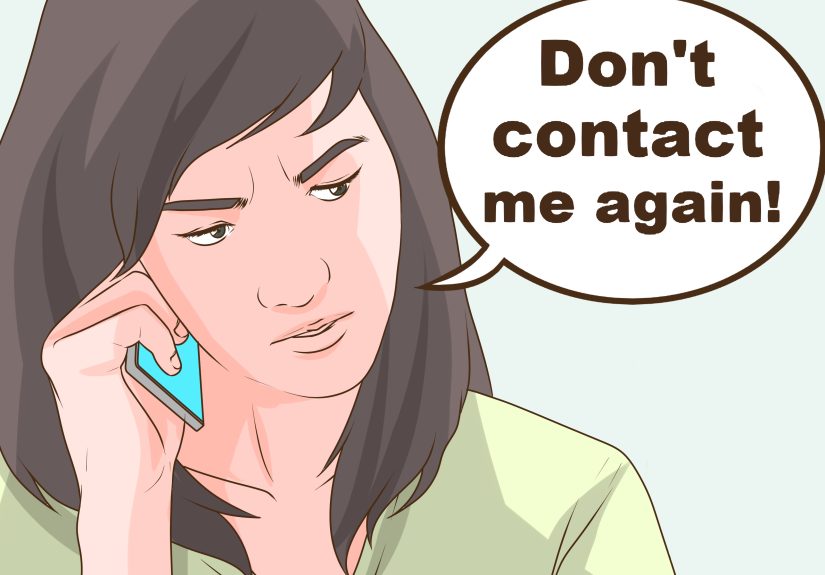
Most people will handle rejection with basic maturity. Some will not. If the person becomes angry, guilt-trippy, manipulative, or intimidating, your job is no longer to be especially nice. Your job is to be safe.
Do not meet in person to explain yourself. Do not continue arguing. Save messages if needed, block the number, and lean on friends, family, or other trusted support if the person keeps contacting you. If someone made you feel unsafe during the date or after it, trust your instincts and create distance quickly.
13. Let yourself feel relieved, not guilty
A lot of people feel guilty after turning someone down, even when they handled it well. That guilt does not necessarily mean you did something wrong. It often just means you are empathetic and dislike disappointing people. Welcome to being a human with a conscience.
Still, remember this: being honest about your lack of interest is more respectful than pretending. You are not mean for declining a second date. You are simply being clear about your boundaries, your time, and your feelings.
Common Mistakes to Avoid When You Say No to a Second Date
Ghosting when a short text would do: Silence often creates more confusion than honesty. Unless you are dealing with someone who feels unsafe, a brief response is usually the better move.
Writing a novel: Too much detail can sound defensive or invite arguments. Keep your message short and steady.
Being brutally honest for no reason: “I thought your laugh was annoying” is not honesty. It is unnecessary damage. You can be truthful without being rude.
Blaming busyness when that is not the real issue: If you say you are too busy, they may simply ask again later. Use language that closes the loop.
Leaving the door open out of guilt: If you do not want another date, do not suggest friendship, future plans, or “maybe someday” unless you genuinely mean it.
Final Thoughts
Learning how to turn down a second date is really about learning how to communicate clearly under emotional pressure. And that is a useful skill far beyond dating. The sweet spot is simple: be respectful, be direct, and be done. No vanishing act, no fake excuses, no confusing little breadcrumbs.
If the first date did not click, it is okay to say so. You are allowed to choose peace over politeness theater. You are allowed to trust your gut. And you are definitely allowed to skip date number two when your heart, brain, and nervous system are all collectively saying, “Absolutely not, thanks.”
Extra Reflections and Experiences: What This Looks Like in Real Life
In real life, turning down a second date is rarely dramatic in the movie sense. It is usually much smaller and much more human. It happens in little moments: you get home, kick off your shoes, stare at your phone, and realize that while the date was fine, “fine” is not enough to build on. Maybe the conversation felt forced. Maybe they were kind but you felt zero spark. Maybe they talked over you the entire time and somehow still described themselves as “an amazing listener.” Dating is full of tiny clues.
One common experience is the guilt spiral. You think, “But they were nice,” as if niceness automatically creates chemistry. It does not. Kindness is important, but it is not the same thing as compatibility. Plenty of people are decent humans and still not your people. Realizing that can save everyone time.
Another common experience is the temptation to delay. You tell yourself you will answer later because you want to find the perfect wording. But the longer you wait, the heavier the message feels. What could have been a simple, honest note starts to feel like delivering bad news from a mountaintop. Usually, the best experience comes from sending a clear text sooner rather than later and then letting the moment be over.
Some people also learn that rejection reveals character. A mature person may reply with something brief and gracious: “Thanks for letting me know. Wishing you the best too.” Honestly, that is elite behavior. Others may push, argue, or try to guilt you into changing your mind. That experience can be unpleasant, but it can also be clarifying. If someone cannot handle one respectful no, imagine trying to negotiate actual relationship issues with them later. Suddenly, your decision looks even smarter.
There is also relief. Big, boring, beautiful relief. Once the message is sent, the dread usually melts. You stop rehearsing imaginary conversations. You stop pretending you might be interested next Friday at 7:30. You get your time and mental space back. That relief is often a sign that you made the right call.
And maybe the most useful real-world lesson is this: you do not need to be a villain in someone else’s dating story just because you were honest. Most adults would rather receive a respectful no than a fog bank of maybes. Turning down a second date is uncomfortable sometimes, sure. But handled well, it is also an act of maturity. It says, “I respect both of us enough not to fake this.” In modern dating, that is practically a public service.