Table of Contents >> Show >> Hide
- Before You Start: Read the Care Label Like It Owes You Money
- Method 1: Machine Wash Your Puffer Jacket
- Method 2: Hand Wash a Puffer Jacket
- Method 3: Spot Clean and Refresh Between Full Washes
- Common Mistakes That Can Ruin a Puffer Jacket
- How to Keep a Puffer Jacket Clean Longer
- Which Method Should You Choose?
- Final Thoughts
- Common At-Home Experiences People Have When Washing a Puffer Jacket
- SEO Tags
If your puffer jacket has reached that awkward stage where it still looks stylish from ten feet away but smells faintly like winter, coffee, and poor decisions, it is probably time for a wash. The good news is that most puffer jackets can be cleaned at home without drama, panic, or a funeral for the fluff. The trick is knowing what kind of jacket you have, choosing the right cleaning method, and treating the insulation like the diva it is.
Whether your jacket is filled with natural down or synthetic insulation, this guide walks you through three simple ways to clean it safely. You will learn when to machine wash, when to hand wash, when to spot clean, and how to dry it without turning your cozy coat into a sad, lumpy tortilla. Let’s save the puff.
Before You Start: Read the Care Label Like It Owes You Money
Before you do anything heroic, check the care label inside the jacket. That tiny tag has a surprising amount of authority. Some puffers are machine washable, some prefer hand washing, and some have special coatings or trims that need extra care. If the label says “dry clean only,” respect the warning. If it says cold wash and low tumble dry, congratulations, you can probably handle this at home.
It also helps to figure out whether your jacket has down insulation or synthetic fill. Down jackets are warm, lightweight, and wonderfully compressible, but they need gentle handling and careful drying to restore loft. Synthetic puffer jackets are often a little easier to clean and generally handle moisture better, but they still dislike harsh detergent, high heat, and rough treatment.
Gather These Supplies First
- Mild liquid laundry detergent or a down-specific wash
- A clean sink, tub, or washing machine
- Soft cloth or sponge for spot cleaning
- Clean towels
- Dryer balls or clean tennis balls
- Patience, because drying a puffer properly is not a speed sport
Method 1: Machine Wash Your Puffer Jacket
This is the best option for most machine-washable puffer jackets, especially if the care label allows it. A front-loading washer is ideal because it cleans gently without the rough central agitator found in some top-loaders. If your home washer has an agitator and your jacket is delicate, a trip to a laundromat may be the smartest move of the day.
Step 1: Prep the Jacket
Empty every pocket. Zip all zippers. Fasten snaps and hook-and-loop closures. Loosen up any cinches. If the label allows, turn the jacket inside out. This helps protect the outer shell and reduces surface abrasion during washing.
If you have visible dirt on the collar, cuffs, or hem, pretreat those areas with a tiny amount of mild detergent and a soft cloth. Do not attack the stain like you are scrubbing a cast-iron skillet. Gentle blotting is enough.
Step 2: Choose the Right Wash Settings
Use cold water or cool water and select a gentle, delicate, or hand-wash cycle. Skip the heavy-duty cycle. Your jacket is not a muddy football uniform.
Add a small amount of mild liquid detergent. Powder detergent can leave residue behind, and fabric softener is a bad idea because it can coat fibers and interfere with performance finishes. Bleach is an even worse idea. Bleach and puffer jackets are not friends, not acquaintances, not even awkward coworkers.
Step 3: Rinse Thoroughly
If your washer has an extra rinse option, use it. This matters more than people think. Leftover detergent trapped inside the fill can reduce loft, create clumps, and leave the jacket feeling oddly crunchy. No one wants a crunchy puffer.
Step 4: Dry It the Right Way
Drying is where the magic happens. Or where things go sideways. Tumble dry the jacket on low heat if the care label allows it. Toss in two or three dryer balls or clean tennis balls to help break up clumps and restore fluff. This can take a while. For down jackets in particular, one cycle may not be enough. You may need several low-heat rounds before the insulation is fully dry and evenly lofted.
Pause the dryer every now and then to shake the jacket out and gently break apart any clumps with your fingers. Think of it as jacket physical therapy. The goal is full dryness from the inside out. If you store the coat while damp, you are inviting odor, mildew, and regret.
When Machine Washing Works Best
This method is ideal for everyday washable puffer coats, lightweight down jackets, and many synthetic insulated jackets that have lost some freshness after regular wear. It is especially handy when the whole coat needs cleaning, not just one mystery stain from a snack you do not remember eating.
Method 2: Hand Wash a Puffer Jacket
If your jacket is more delicate, your machine is too aggressive, or you simply do not trust technology with your favorite winter layer, hand washing is a solid option. It is also a smart method for vintage puffers, jackets with delicate trim, or pieces that just seem emotionally opposed to the spin cycle.
Step 1: Fill a Sink or Tub
Fill a clean sink, basin, or bathtub with cold or lukewarm water. Add a small amount of mild detergent and swirl it around to mix. Do not pour in half the bottle because “more soap means more clean.” That is how you end up rinsing forever.
Step 2: Submerge and Soak
Place the jacket in the water and gently press it down so the insulation gets fully wet. Let it soak for about 10 to 15 minutes. Then use your hands to lightly agitate the water, pressing the jacket instead of wringing it. Focus on dirty areas like cuffs, collar, and pockets.
Step 3: Rinse Until the Water Runs Clear
Drain the soapy water and refill the sink with clean water. Gently press the jacket to release detergent. Repeat until the water stays clear and the jacket no longer feels soapy. This part can take a few rounds, but it is worth it. Soap residue is the enemy of fluff.
Step 4: Remove Water Carefully
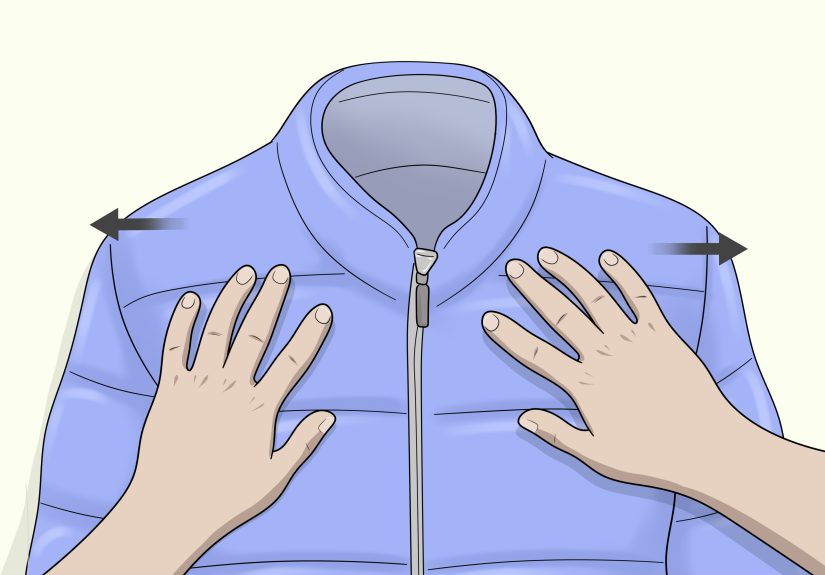
Do not wring, twist, or twist again for emphasis. Instead, press the jacket gently against the side of the sink or tub to remove excess water. Lay it flat on a clean towel, roll the towel up with the jacket inside, and press to absorb moisture.
Step 5: Air Dry or Finish in the Dryer
If the care label allows machine drying, you can transfer the jacket to a dryer on low heat with dryer balls or tennis balls to restore loft. If not, lay it flat or hang it in a well-ventilated space, reshaping it as it dries. Air drying is gentler, but it takes longer, especially for down. You will need to fluff and redistribute the fill by hand several times as it dries.
When Hand Washing Makes Sense
Hand washing is perfect when you want maximum control. It is slower, yes, but it reduces the risk of snagging, abrasion, and over-aggressive spinning. It is also a great backup plan if your washer situation is questionable and your jacket is too beloved to gamble.
Method 3: Spot Clean and Refresh Between Full Washes
Not every puffer jacket needs a full wash every time it looks mildly suspicious. In fact, washing too often can add unnecessary wear. For small stains, greasy marks, makeup smudges, and everyday dinginess, spot cleaning is the low-effort, high-reward option.
Step 1: Mix a Gentle Cleaning Solution
Combine cool water with a drop or two of mild liquid detergent. Dip a soft cloth or sponge into the solution and blot the stained area gently. For oily spots, let the detergent sit for a few minutes before blotting again.
Step 2: Blot, Don’t Rub
Rubbing too hard can damage the shell fabric, flatten insulation, or spread the stain. Blot from the outside inward to keep the mess contained. This is stain removal, not a medieval battle.
Step 3: Rinse the Area
Use a clean damp cloth to blot away any soapy residue. Then let the jacket air dry completely. If the spot is gone, wonderful. If not, repeat once more before deciding whether the jacket needs a full wash.
When Spot Cleaning Is Best
This method works well for small food drips, dirty cuffs, foundation around the collar, and random city grime. It is also useful mid-season when your jacket is mostly clean but needs a little cosmetic rescue before the next cold snap.
Common Mistakes That Can Ruin a Puffer Jacket
Using High Heat
High heat can damage shell fabric, shrink synthetic materials, and wreck the loft of the insulation. Keep the dryer on low and let patience do the heavy lifting.
Using Too Much Detergent
More detergent does not equal cleaner outerwear. It equals residue, clumps, and a rinse cycle that feels like it will last until spring.
Skipping the Drying Stage Too Soon
A jacket that feels dry on the outside can still be damp deep inside the baffles. Down especially needs a long, thorough dry. If clumps remain, keep going.
Wringing the Jacket
Twisting the jacket like a beach towel can stress seams, shift insulation, and damage the overall shape. Press water out gently instead.
Ignoring the Care Label
The internet can give you great general advice, but the care label is the final boss. Always follow the specific instructions for your exact jacket.
How to Keep a Puffer Jacket Clean Longer
If you want to wash your puffer less often, a few habits help. Hang it up after wearing instead of leaving it in a heap on the car seat. Spot clean small stains early. Make sure it is fully dry before storing it. At the end of the season, store it loosely in a cool, dry place rather than compressed into a tiny sack for months at a time.
If the jacket has a durable water-repellent finish and stops beading water, cleaning and proper drying may help revive it. Some jackets also benefit from a reproofing spray made for technical outerwear, but only after checking the care instructions.
Which Method Should You Choose?
Choose machine washing if the care label allows it and the whole jacket needs cleaning.
Choose hand washing if the jacket is delicate, expensive, older, or you want the gentlest approach possible.
Choose spot cleaning if the jacket is mostly clean and just needs targeted help in a few places.
For many people, the best routine is a mix of all three. Spot clean during the season, machine or hand wash only when necessary, and always dry with care. That way, your jacket stays warm, fluffy, and ready for everything from dog walks to dramatic coffee runs in freezing wind.
Final Thoughts
Learning how to wash a puffer jacket at home is less about special talent and more about special restraint. Use gentle settings, mild detergent, and low heat. Respect the label. Rinse thoroughly. Dry patiently. That is the formula.
The reward is a jacket that looks better, smells fresher, and still performs the way it should when the temperature drops. In other words, your puffer can go back to doing what it does best: making you feel like a well-insulated genius.
Common At-Home Experiences People Have When Washing a Puffer Jacket
One of the most common experiences people report is surprise at how dramatically a puffer jacket changes during washing. The moment it comes out of the machine, it often looks flat, wrinkled, and alarmingly un-puffy. For first-timers, this can feel like a tiny household tragedy. But that “ruined” look is usually temporary. Wet insulation clumps together, especially in down jackets, and the coat often looks worse before it looks better. The real transformation happens during drying.
Another familiar experience is underestimating how long proper drying takes. Many people expect one quick dryer cycle to do the job, only to find damp clumps hiding inside the baffles. The outside feels dry, but the interior still holds moisture. This is where patience becomes the whole game. People who get the best results usually stop the dryer a few times, shake the jacket out, massage any clumps apart, and then run another low-heat cycle. It is a little tedious, but it works.
There is also the classic “I used too much detergent” moment. A lot of people assume extra soap equals extra cleanliness, then discover their jacket feels heavy, stiff, or oddly coated afterward. Once that happens, the fix is usually an extra rinse or sometimes two. It is not glamorous, but it teaches an important lesson: with puffer jackets, less detergent is often better.
Spot cleaning creates its own set of real-life experiences. Someone notices makeup around the collar, a splash of coffee near the zipper, or mystery grime on the cuff and decides a full wash feels excessive. Usually, they are right. Gentle blotting with mild detergent and cool water often handles those small messes surprisingly well. The key lesson people learn is that rubbing too hard can spread the stain or rough up the fabric, while patient blotting tends to look smarter in the end.
Many people also discover that storage habits matter almost as much as washing technique. A puffer jacket shoved into a tight ball for weeks can look tired even when it is technically clean. Hanging it up after wear, letting it air out, and storing it only when fully dry can make a noticeable difference in how fresh and lofty it feels later.
Then there is the happy ending almost everyone appreciates: once the jacket is fully dry and fluffed back up, it often feels nearly new again. The loft returns, the smell disappears, and the coat looks ready for another season. That experience is what makes the whole process worth it. You do not just clean the jacket. You bring it back to life, one gentle cycle and one tennis-ball thump at a time.