Table of Contents >> Show >> Hide
- Can You Wash an Electric Heated Blanket?
- Before You Wash: The Five-Minute Safety Check
- How to Wash an Electric Heated Blanket in the Washing Machine
- How to Hand-Wash an Electric Heated Blanket
- How to Dry an Electric Heated Blanket
- What Not to Do When Cleaning a Heated Blanket
- How Often Should You Wash an Electric Heated Blanket?
- Electric Heated Blanket Care Tips to Make It Last Longer
- When to Replace Instead of Wash
- Final Thoughts
- Experience: What People Usually Learn the Hard Way About Washing a Heated Blanket
- SEO Tags
If your electric heated blanket has survived movie night, snack crumbs, winter sneezes, and one suspicious coffee splash, congratulations: it has lived a full life. The good news is that many modern heated blankets can be washed. The less-fun news is that you cannot treat them like an ordinary throw and toss them into the washer with wild abandon.
If you want your blanket to stay soft, safe, and functional, the trick is simple: read the care label, detach the controls, wash gently, dry patiently, and never reconnect anything until the blanket is completely dry. That is the entire story in one sentence. But since you came here for the full version, let’s do this properly.
Can You Wash an Electric Heated Blanket?
Yes, in many cases you can. Most newer electric heated blankets are designed to be washable, but “washable” does not mean “invincible.” Internal wires, connectors, and control ports still need careful handling. That is why the safest rule is to start with the manufacturer’s label and instruction manual before doing anything else.
If the tag says hand-wash only, believe it. If it says machine washable, use the exact care method listed. And if your blanket is very old, has damaged wiring, smells burnt, has hot spots, or is part of a recall, skip laundry day and retire it instead. A clean blanket is nice. A non-smoking blanket is nicer.
Before You Wash: The Five-Minute Safety Check
Before washing an electric heated blanket, do a quick inspection. This step matters just as much as the wash cycle itself.
1. Unplug the blanket completely
Turn the blanket off, unplug it from the wall, and disconnect all controllers and cords. Never wash the blanket while cords or controls are attached.
2. Let it cool down
If you used the blanket recently, give it a little time to cool before handling it. Warm electronics and water are not a dream team.
3. Inspect the fabric and wiring area
Check for worn spots, exposed wires, loose connectors, scorch marks, or bunching inside the blanket. If anything looks damaged, do not wash and reuse it as though nothing happened. That is how household items audition for a recall notice.
4. Shake off hair, lint, and crumbs
A lint roller, soft brush, or quick shake helps remove surface debris before washing. Spot-clean visible stains with a small amount of mild detergent first.
5. Read the label like it owes you money
Some brands allow machine washing in cold water. Others recommend hand washing, a short soak, or air drying only. Your care label wins every argument.
How to Wash an Electric Heated Blanket in the Washing Machine
If your blanket is machine washable, this is usually the easiest method. The goal is gentle cleaning with minimal stress on the internal wiring.
Step 1: Use a large enough washer
The blanket should move freely without being crammed into the drum. A front-load washer or a roomy top-loader works best. If you have a top-loader with a center agitator, distribute the blanket evenly around it so one side does not take all the abuse.
Step 2: Choose cold water and a gentle cycle
Cold water is your safest bet for an electric heated blanket. Hot water can be rough on fabric, shrinkage, and internal components. Use the delicate or gentle cycle, and keep the wash short unless the manufacturer specifically says otherwise.
Step 3: Use mild detergent
A small amount of mild laundry detergent is enough. More soap does not equal more clean. It usually equals “why is this still sudsy?” Skip bleach, skip harsh cleaners, and skip fabric softener unless the care tag specifically allows it.
Step 4: Wash the blanket by itself
Do not wash it with jeans, towels, shoes, or the family’s entire winter wardrobe. Heavy or rough items can twist, pull, or damage the blanket. Your heated blanket is not emotionally prepared for a spin cycle with denim.
Step 5: Rinse thoroughly
Soap residue can leave the blanket stiff or irritating against the skin. If needed, run an extra rinse cycle.
How to Hand-Wash an Electric Heated Blanket
If the label recommends hand washing, or if you just do not trust your washer with anything containing wires, hand washing is a smart option.
- Fill a tub or large basin with cold water.
- Add a small amount of mild detergent.
- Place the blanket in the water and gently press it down.
- Let it soak briefly if the label allows.
- Gently swish or squeeze the fabric to loosen dirt.
- Do not wring, twist, or scrub aggressively.
- Drain the soapy water and rinse with clean cold water until no detergent remains.
Hand washing takes a little more effort, but it is often the gentlest way to clean an electric heated blanket without stressing the heating elements.
How to Dry an Electric Heated Blanket
Drying is where good intentions go to die. Many heated blankets survive the wash just fine and then get ruined in an overly hot dryer. So let’s keep the drama to a minimum.
Tumble dry only if the label allows it
Some manufacturers allow low-heat or delicate tumble drying for a short time. Others prefer line drying or air drying only. If tumble drying is allowed, use low heat, not high heat, and remove the blanket while it is still slightly damp.
Gently reshape it
While the blanket is still damp, stretch it carefully back to its original shape. This helps prevent bunching and awkward shrinkage that makes your queen blanket look like it went through a breakup.
Finish drying on a rack, clothesline, or shower rod
Air drying is often the safest finish. Drape the blanket evenly so its weight is supported. Avoid clothespins if the instructions warn against them, since pinching can stress the fabric and wire channels.
Make sure it is 100% dry before reconnecting
This is non-negotiable. Not “mostly dry.” Not “dry-ish.” Completely dry. Reconnecting cords to a damp blanket is an excellent way to shorten its life and a terrible way to spend your evening.
What Not to Do When Cleaning a Heated Blanket
- Do not wash it with controllers or cords attached.
- Do not use bleach or harsh chemicals.
- Do not wring, twist, or aggressively scrub it.
- Do not iron it.
- Do not dry clean it unless the manufacturer explicitly says you can.
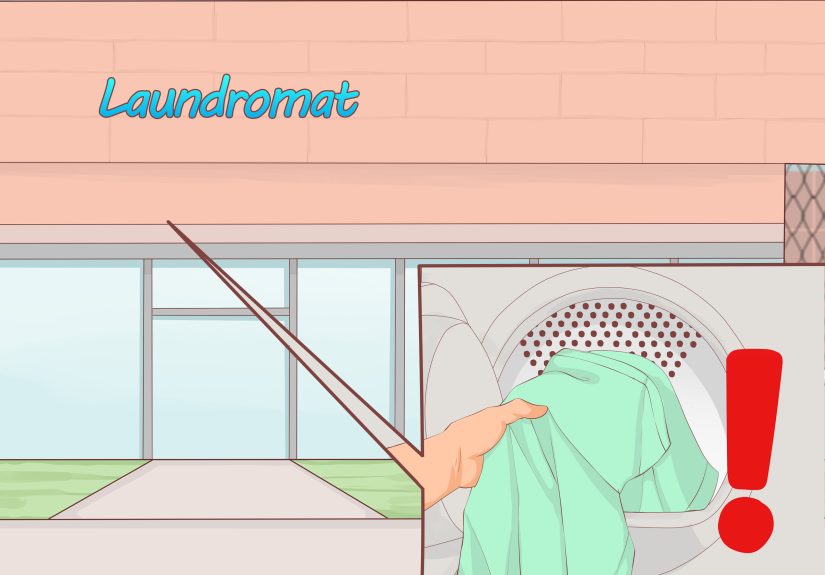
- Do not use a commercial dryer if the instructions warn against it.
- Do not plug it back in until it is fully dry.
- Do not keep using it if you see frayed areas, scorching, or uneven heating.
How Often Should You Wash an Electric Heated Blanket?
You do not need to wash it every week unless life gets unusually messy. For most households, washing every few weeks during heavy winter use is enough, or whenever it looks dirty, smells stale, or has visible spots. If you use a top sheet between you and the blanket, you may be able to wash it less often.
Too much washing can add wear over time, so the goal is “clean enough,” not “laundered into another dimension.”
Electric Heated Blanket Care Tips to Make It Last Longer
Store it loosely
When the season ends, store the blanket flat or loosely rolled in a cool, dry place. Avoid folding it tightly along the same lines over and over, because repeated pressure can weaken internal wires.
Keep the controls dry
Controllers and plugs should stay away from water. Wipe them with a dry or slightly damp cloth only if the manual allows it.
Do not trap or pinch the cords
When using the blanket, avoid placing cords where they get bent around bed frames, trapped under mattresses, or pinched under reclining furniture. That is a fast way to wear out the very parts that matter most.
Check for recalls once in a while
If your heated blanket starts acting strangely, search the brand and model number on the U.S. Consumer Product Safety Commission website. Recalls happen, and they are worth taking seriously.
Use common sense with heat-sensitive sleepers
Heated blankets are not for everyone. Infants, very young children, and people who may not notice excessive heat should only use them according to manufacturer safety guidance and with extra caution. When in doubt, choose safer warming options.
When to Replace Instead of Wash
Sometimes the correct cleaning method is not washing. It is saying goodbye.
Replace the blanket if you notice:
- frayed cords or exposed wires
- burn marks or melting
- blank spots or overheating in certain areas
- controls that flicker or fail
- a burnt smell
- damage after washing or drying
An electric heated blanket should feel comforting, not suspenseful.
Final Thoughts
Knowing how to wash an electric heated blanket really comes down to respecting the fact that it is both bedding and an electrical product. Treat it gently, follow the care label, use cold water, mild detergent, and low or no heat for drying, and never reconnect the controls until every last bit of moisture is gone.
Do that, and your blanket can stay fresh, cozy, and ready for many cold nights to come. Ignore that, and you may end up with a lumpy, sad rectangle that no longer heats anything except your temper.
Experience: What People Usually Learn the Hard Way About Washing a Heated Blanket
One of the most common experiences people have with a heated blanket is discovering that “machine washable” does not mean “wash it however you wash everything else.” Someone tosses it in with sheets, uses warm water out of habit, adds a generous glug of detergent, and figures the dryer will sort everything out. Then comes the second act: the blanket feels oddly stiff, the connector area looks a little stressed, or one side heats up while the other side apparently retired early. In most cases, the blanket was not ruined by water alone. It was the combination of rough agitation, too much heat, and rushing the drying process.
Another familiar experience is the post-wash panic test. The blanket comes out looking fine, but because it still feels a tiny bit damp near a seam, there is a huge temptation to reconnect the controller “just for one second” to see if it still works. That is exactly the kind of shortcut people regret. Heated blankets reward patience. When people let them air dry fully overnight, they usually avoid the drama. When they try to force the issue, the blanket often loses.
There is also the stain-removal mistake. A spill happens, and the first instinct is to attack it like a carpet stain from 2009: scrub hard, use strong cleaner, maybe throw in bleach, maybe say a few words not fit for a laundry room. That approach is rough on any blanket, but it is especially rough on one with internal wiring. People who get the best results tend to blot stains early, use mild detergent, and clean only the affected area before doing a full gentle wash if needed.
Pet owners learn a separate lesson: surface mess matters. Pet hair, lint, and crumbs do not always wash out gracefully, and they can make the blanket feel dingy even after cleaning. People who shake the blanket out, lint-roll it, or give it a quick once-over before washing usually end up with a better result. It is a small step, but it keeps the washer from doing all the heavy lifting.
Storage creates its own set of regrets. A lot of people fold a heated blanket into a tiny square, shove it into a closet, and forget about it until next winter. Months later, they plug it in and wonder why there is a dead strip down the middle or why the wiring feels uneven. Looser storage tends to preserve the structure better. Flat is great. Loosely rolled is great. “Compressed into a heroic little cube” is not great.
And then there is the most universal experience of all: once people clean a heated blanket correctly, they realize it is much less scary than it sounds. The process is not difficult. It is just specific. Unplug. Detach. Inspect. Wash gently. Dry completely. Reconnect later. That is the rhythm. Once you do it once, it stops feeling like you are diffusing a bomb in the laundry room and starts feeling like normal seasonal care. And honestly, that is the sweet spot: a blanket that stays warm, soft, clean, and gloriously uneventful.