Table of Contents >> Show >> Hide
- What a Parole Letter Is Supposed to Do
- Understand the Two Main Types of Parole Letters
- How Inmates Should Write a Personal Parole Letter
- How Supporters Should Write a Strong Parole Support Letter
- What to Include in Any Letter to the Parole Board
- What to Leave Out
- A Simple Parole Letter Template
- Final Tips Before Sending the Letter
- Real-World Experiences and Lessons from Parole Letters
- Conclusion
- SEO Tags
Writing a parole letter can feel a little like packing for a trip you really, really do not want to mess up. You want to bring the important stuff, leave the nonsense behind, and avoid anything that gets you sent back to the metaphorical security line. A good parole letter is not dramatic, fluffy, or overloaded with grand speeches. It is clear, respectful, specific, and rooted in one big question: Why should the parole board believe this person can return to the community safely and successfully?
That question matters whether the letter comes from the incarcerated person or from someone supporting them on the outside. In practice, there are usually two different kinds of parole letters: a personal statement from the inmate and a support letter from family, friends, mentors, clergy, employers, or other community members. They do different jobs, but both should point in the same direction. They should show growth, accountability, and a realistic release plan instead of empty promises and wishful thinking.
If you are wondering how to write a parole letter that sounds human, persuasive, and professional, this guide walks through the process step by step. It also covers what to avoid, what the parole board is usually looking for, and how inmates and supporters can write letters that actually help instead of accidentally making things worse.
What a Parole Letter Is Supposed to Do
A parole board letter is not a movie monologue. It is not a retrial, a rant, or a place to argue that everyone else got the case wrong. Its job is much simpler: help the board understand who the person is now, what has changed, and what support or structure will be in place if release is granted.
That means the strongest parole letters usually focus on five things:
- acceptance of responsibility
- evidence of personal growth and rehabilitation
- specific plans for housing, work, treatment, and support
- realistic understanding of past harm and future risk
- confidence-building details, not vague optimism
In plain English, the board wants more than “He’s a good guy” or “I’ve changed.” It wants proof, detail, and common sense. A letter that says, “She can live with me at my home, I will take her to counseling, and my supervisor is willing to interview her for an entry-level job,” is far more powerful than a letter that says, “She deserves a second chance because prison has been hard.”
Understand the Two Main Types of Parole Letters
1. The inmate’s personal parole letter
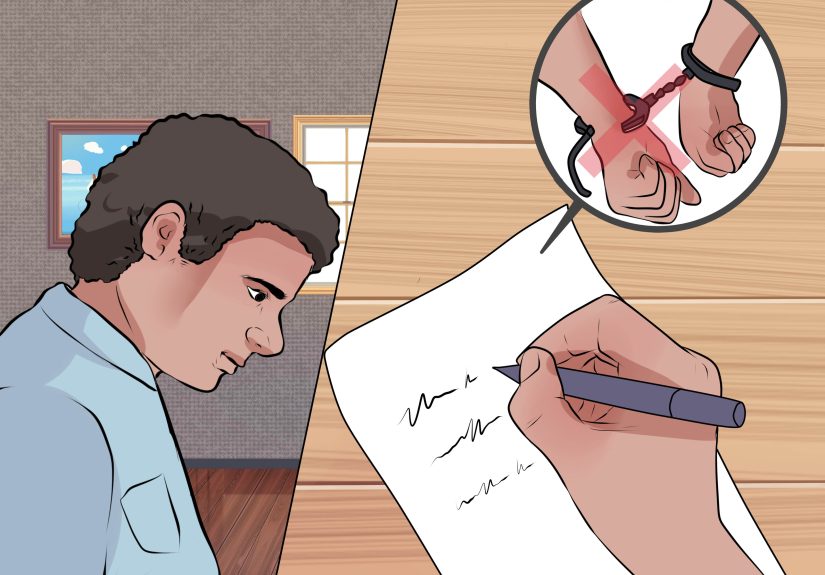
This is the incarcerated person’s own statement to the parole board. In some places, it may be called a personal statement or offender statement. Its purpose is to show honest reflection, accountability, growth, and readiness for release. It should explain the person’s development during incarceration and connect that growth to a realistic parole plan.
2. The supporter’s parole support letter
This comes from someone on the outside who can speak credibly about the inmate and, ideally, offer concrete support. The best support letters explain the writer’s relationship to the inmate, how they know the person has changed, and what help they are actually prepared to provide after release.
These letters should work together like a decent team. The inmate’s letter says, “Here is what I’ve learned and how I plan to live differently.” The supporter’s letter says, “Here is the structure, accountability, and community support that will help make that plan real.”
How Inmates Should Write a Personal Parole Letter
If you are the one writing to the parole board from inside, the most important rule is this: be honest without drifting into self-pity, and be accountable without turning your letter into a list of slogans. The board has seen plenty of generic statements. What stands out is reflection that feels specific and earned.
Start with accountability
Do not open with excuses. Do not start by attacking witnesses, blaming your childhood for every decision, or insisting the board should revisit the whole case. You can explain background and contributing factors, but the tone should be responsibility first, explanation second.
Example:
I am writing to take responsibility for the harm caused by my offense and to explain the work I have done to change during my incarceration. I know my actions affected real people, and I do not minimize that harm.
Describe your growth with real examples
Many people make the mistake of listing accomplishments without showing why they matter. Yes, mention classes, treatment, work assignments, educational programs, mentoring, faith involvement, or vocational training. But do not stop there. Explain what changed in your thinking.
Instead of writing, “I completed anger management,” write something closer to this: “Before prison, I responded to stress with impulse and defensiveness. In anger management, I learned to identify how quickly I interpret conflict as disrespect. I now pause, step back, and use de-escalation tools instead of reacting immediately.”
Show insight, not just activity
Programs matter, but insight matters more. The board is usually trying to figure out whether the person understands the causes of past behavior and has a workable plan for avoiding the same patterns. That includes substance abuse, peer influence, emotional triggers, relationship dynamics, financial instability, untreated mental health needs, or plain old terrible decision-making.
Explain the release plan clearly
Your parole letter should spell out where you plan to live, how you plan to support yourself, what treatment or programming you will continue, and who will be part of your support system. This section should feel practical, not dreamy.
Include details like:
- proposed housing
- employment leads, training, or job readiness
- transportation plan
- counseling, recovery, faith, or reentry programs
- family or community members who will help keep you accountable
Keep the tone respectful and professional
A parole letter should sound sincere, calm, and mature. This is not the time for sarcasm, dramatic flourishes, or all-caps passion. It is also not the time for a 14-page autobiography unless your attorney specifically advises it. Strong writing is focused writing.
How Supporters Should Write a Strong Parole Support Letter
If you are writing on behalf of someone seeking parole, your job is not to sound emotional enough to melt steel. Your job is to be believable. The board needs to know who you are, how you know the inmate, and why your support is real, stable, and useful.
Open by identifying yourself
Start with your name, your relationship to the inmate, how long you have known them, and any facts that make you a credible writer. If relevant, mention your occupation, community role, or the frequency of your contact with the person.
Example:
My name is Angela Morris, and I am Daniel Reed’s older sister. I have known him his entire life and have remained in regular contact with him during his incarceration through visits, calls, and letters.
Explain what support you are offering
This is where many good intentions become weak letters. “I support him” is nice, but it is not enough. What exactly are you offering? Housing? Transportation? Help finding work? Emotional support? Childcare coordination? A connection to church, treatment, or reentry services? Be concrete.
Stronger example:
If Mr. Reed is granted parole, he will live with me at my residence in Columbus, Ohio. I will provide transportation to parole appointments, help him obtain state identification, and make sure he has stable housing while he looks for work. I have also spoken with my employer about a possible warehouse interview once he is released.
Describe change with specifics
Do not write, “He’s not the same person anymore,” and leave it there like a cliffhanger. Explain what you have observed. Has the inmate become more patient, consistent, thoughtful, sober, disciplined, or accountable? Have conversations changed? Has the person taken responsibility in ways you did not see before?
You do not need to oversell. In fact, exaggeration can hurt. Genuine, grounded details usually carry more weight than glowing praise that sounds like a holiday card written under duress.
Do not minimize the offense
This is one of the biggest mistakes in a parole support letter. Avoid language like “It was just a bad mistake,” “He was in the wrong place at the wrong time,” or “That is not who she really is.” The board does not want the crime brushed aside. A better approach is to acknowledge the seriousness of the offense while emphasizing responsibility, remorse, and present-day change.
What to Include in Any Letter to the Parole Board
Whether the letter comes from the inmate or a supporter, the core elements are similar:
- Correct identifying information: full name, inmate number if applicable, and any required case details.
- A respectful greeting: something simple such as “Dear Members of the Parole Board.”
- A clear purpose: state early that the letter supports parole or serves as the inmate’s personal statement.
- Specific facts: not vague claims, but examples of growth, conduct, programming, and support.
- A release plan: housing, employment, treatment, transportation, and community support.
- A professional close: sign your full name and include contact information when appropriate.
What to Leave Out
Some things almost never help in a parole board letter. In fact, they can make a promising letter weaker.
- arguments that retry the criminal case
- attacks on the victim, prosecutor, judge, or system
- dramatic exaggeration or obviously false praise
- vague promises with no plan behind them
- minimizing language about the offense
- copy-and-paste templates that sound robotic
- sloppy formatting, typos, and missing identifying information
In other words, save the courtroom fan fiction for another day. A parole board letter works best when it is measured, relevant, and rooted in reality.
A Simple Parole Letter Template
Template for an inmate
Dear Members of the Parole Board,
I am writing to express my accountability for my offense and to explain the progress I have made during my incarceration. I understand that my actions caused harm, and I do not excuse them.
During my time in prison, I have worked to change by participating in [programs/classes/work assignments]. These experiences helped me understand [triggers, choices, substance abuse, anger, thinking errors, family patterns, or other issues].
If released, I plan to live at [location]. I have support from [names/relationships], and I plan to [work, attend treatment, continue education, join recovery meetings, participate in faith or reentry programs]. My goal is to live responsibly, follow all conditions of parole, and contribute positively to my community.
Thank you for your time and consideration.
Respectfully,
[Full Name]
Template for a supporter
Dear Members of the Parole Board,
My name is [Full Name], and I am writing in support of [Inmate Name and Number]. I am [relationship], and I have known [him/her/them] for [length of time]. During incarceration, I have remained in contact through [visits/calls/letters].
I support parole because I have seen meaningful change in [Inmate Name]. Specifically, I have observed [examples of accountability, maturity, consistency, education, sobriety, or rehabilitation].
If released, [Inmate Name] may live with me at [address or general housing description]. I am prepared to help with [housing, transportation, job search, treatment appointments, emotional support, accountability, or community connections].
Thank you for considering this letter for [Inmate Name]’s file.
Sincerely,
[Full Name]
[Contact Information]
Final Tips Before Sending the Letter
Before mailing, uploading, or submitting a parole board letter, read it one more time with this question in mind: Does this letter make it easier for the board to believe release can be safe, structured, and successful?
If the answer is yes, you are on the right track. If the letter is all emotion and no plan, revise it. If it is all achievements and no reflection, revise it. If it sounds like a form letter written by a sleep-deprived robot, definitely revise it.
The best parole letters are not fancy. They are thoughtful. They connect the past to the present, and the present to a credible future. For inmates, that means accountability plus a realistic path forward. For supporters, that means love plus structure. And for both, it means remembering that details matter.
Real-World Experiences and Lessons from Parole Letters
People who have been through the parole process often describe letter writing as emotionally exhausting for a reason: the letter forces everyone involved to move beyond slogans. One common experience for inmates is realizing that “I’ve changed” is much harder to write well than expected. At first, many people list classes, certificates, and jobs in prison as if they are filling out a resume. But the more effective letters usually emerge after a second or third draft, when the writer starts explaining why those experiences mattered. A GED class may not just be a credential; it may represent the first time the person finished something difficult without quitting. A recovery program may not just be attendance; it may mark the first honest confrontation with addiction, denial, and the damage caused to family.
Supporters often go through a similar shift. In early drafts, families sometimes write from pain alone. They talk about how much they miss the person, how the children need a parent home, or how long the sentence has felt. Those feelings are real, but they are not always enough to persuade a parole board. The stronger version usually comes later, when the letter becomes more concrete. Instead of saying, “We need him home,” a better letter says, “He will live with me. I can drive him to treatment. He will not be returning to the same crowd. Our pastor has agreed to connect him with a mentoring group.” That is the moment when a heartfelt letter becomes a useful one.
Another common experience is learning that honesty works better than perfection. Some of the most persuasive letters do not pretend the inmate was flawless before prison or magically transformed overnight. Instead, they acknowledge past instability while showing present discipline. A sister might write that her brother used to disappear when life got hard, but now he communicates consistently, accepts correction, and talks openly about accountability. An inmate might admit that anger once controlled his decisions, but explain how years of counseling and self-examination changed the way he handles conflict. These letters feel credible because they do not smell like polish from a mile away.
Many writers also discover that the release plan becomes the backbone of the entire package. Housing, work, treatment, transportation, and supervision are not boring details; they are often the difference between a hopeful story and a believable one. People who write the strongest letters tend to think through the first week, the first month, and the first six months after release. They ask practical questions. Who is picking the person up? Where will they sleep? How will they get identification? What happens if the first job lead falls through? What support is in place when stress hits? When those questions are answered in the letter, the writing becomes far more persuasive.
Perhaps the biggest lesson people describe is this: parole letters are most effective when they sound like mature adults facing reality, not advertisers pitching a miracle. The board does not need perfection. It needs evidence of accountability, stability, support, and a workable plan. That may not sound glamorous, but in parole writing, boringly credible is often exactly what wins trust.
Conclusion
Knowing how to write a parole letter means understanding what the board actually needs to see. For inmates, that means a personal statement built on responsibility, insight, rehabilitation, and a solid release plan. For supporters, it means a parole support letter that explains the relationship, shows real evidence of change, and offers specific help after release. When both letters are clear, honest, and grounded in the practical realities of reentry, they become much more than paperwork. They become part of a serious case for trust.