Table of Contents >> Show >> Hide
- What Is Vitiligo, Exactly?
- How Does Vitiligo Usually Progress?
- FAQ: Does Vitiligo Always Spread?
- FAQ: How Fast Can Vitiligo Progress?
- FAQ: Where Does Vitiligo Usually Start?
- FAQ: Can Vitiligo Affect Hair, Eyes, or Other Areas?
- FAQ: What Can Trigger Vitiligo to Get Worse?
- FAQ: Can Treatment Stop Vitiligo From Progressing?
- FAQ: Is Repigmentation Permanent?
- FAQ: When Should You See a Dermatologist?
- Living With Progression: What to Expect Emotionally
- Experiences People Commonly Describe as Vitiligo Progresses
- Final Takeaway
Vitiligo has a way of showing up uninvited, rearranging your skincare routine, and then refusing to explain itself in plain English. One day it may look like a tiny pale patch on a finger or around the mouth. A few months later, it may still be there doing absolutely nothing dramatic. Or it may decide to spread, fade, pause, or repigment in spots just to keep everyone guessing. In other words, vitiligo does not read calendars, respect deadlines, or care that you would really prefer a neat, predictable timeline.
That unpredictability is exactly why so many people ask the same questions: Will it spread? How fast? Does it always get worse? Can treatment stop it? This guide walks through the most common FAQs about how vitiligo progresses, what changes are normal, what deserves a doctor’s attention, and what daily life can look like while you figure it all out. The goal here is simple: real answers, no panic, no fluff, and no weird internet myths dressed up like medical wisdom.
What Is Vitiligo, Exactly?
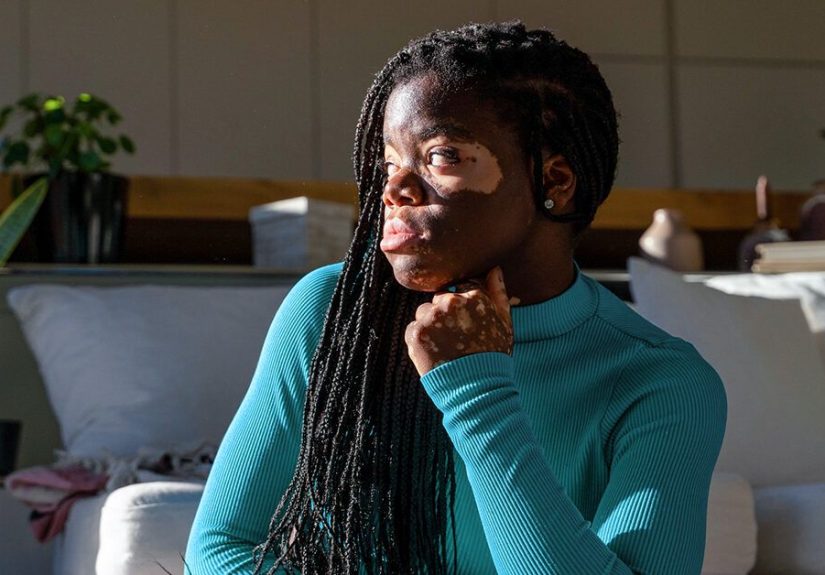
Vitiligo is a long-term condition in which the skin loses pigment because melanocytes, the cells that make melanin, are damaged or destroyed. The result is lighter patches or fully depigmented white patches that can appear almost anywhere on the body. Vitiligo can also affect hair, the lips, and mucous membranes like the inside of the mouth or nose.
Doctors generally consider vitiligo an autoimmune condition. That means the immune system, which is supposed to defend your body, gets its signals crossed and targets pigment-making cells instead. Not ideal. Very rude, biologically speaking.
Vitiligo is not contagious, not an infection, and not a sign of poor hygiene. It can affect people of any skin tone, but it is often more noticeable in people with deeper skin because the contrast is greater. That visibility can make the emotional side of vitiligo just as important as the medical side.
How Does Vitiligo Usually Progress?
The most honest answer is this: vitiligo progresses differently from person to person. Some people develop a few small spots that remain stable for years. Others notice a more active phase in which new patches appear or older ones widen. Some even regain pigment in certain areas, either with treatment or occasionally on their own.
Progression can happen in bursts. You may have months of obvious change followed by a long stretch where nothing much happens. That stop-and-start pattern is one reason vitiligo can feel so mentally exhausting. It is not just the appearance of the patches. It is the uncertainty of never knowing whether today’s patch is tomorrow’s whole chapter or just a short paragraph.
In broad terms, nonsegmental vitiligo is the most common form and tends to be more unpredictable. It often appears on both sides of the body and may spread over time. Segmental vitiligo, on the other hand, usually affects one side or one specific area and often progresses for a limited period before stabilizing.
FAQ: Does Vitiligo Always Spread?
No. Vitiligo does not always keep spreading forever. That is one of the biggest misconceptions people run into after a diagnosis. Some cases stay limited to a few areas. Others expand and then plateau. And some become more extensive over time.
There is no universal script. A person with a tiny patch on the hand is not automatically headed toward widespread depigmentation. At the same time, it is impossible to promise that a small patch will stay small. Dermatologists usually watch for signs of activity such as new patches, enlarging borders, or areas where pigment loss happens after skin trauma like scratching, friction, or sunburn.
That is why early evaluation matters. Even when vitiligo is mild, a dermatologist can help determine whether it appears active and whether treatment might be useful to slow progression before it becomes more noticeable or distressing.
FAQ: How Fast Can Vitiligo Progress?
There is no fixed speed. Vitiligo can progress slowly over years, or it can seem to move fast over weeks to months. Some people notice a new patch only every now and then. Others feel like their skin is making surprise announcements every time they glance in the mirror.
Several factors may influence activity, including the type of vitiligo, genetic background, immune activity, and possible triggers such as sunburn, emotional stress, or chemical exposure. Even then, doctors cannot predict the exact pace with confidence.
Segmental vitiligo often behaves differently from nonsegmental vitiligo. It frequently starts earlier in life, progresses for roughly six to twelve months, and then becomes stable. Nonsegmental vitiligo is more likely to wax and wane over time, with episodes of spreading and periods of little change.
FAQ: Where Does Vitiligo Usually Start?
Vitiligo commonly starts on areas that are prone to friction, sun exposure, or repeated minor trauma. That can include the hands, face, feet, elbows, knees, and areas around body openings like the eyes, mouth, or genitals. Hair in affected areas may also turn white or gray.
For some people, the first patch is tiny and easy to miss. It may look like a faint light spot rather than a stark white area. Over time, the color difference may become more obvious as surrounding skin tans or as the patch loses more pigment.
If you notice a new light patch that is sharply defined and not flaky, painful, or itchy, it is worth having it checked. Several skin conditions can cause light spots, so getting the diagnosis right matters before you start guessing, googling, or panic-buying miracle creams from the internet at 1:14 a.m.
FAQ: Can Vitiligo Affect Hair, Eyes, or Other Areas?
Yes. Vitiligo can affect more than the skin. Hair growing in depigmented areas may turn white, including scalp hair, eyebrows, eyelashes, beard hair, and body hair. Some people also develop pigment loss in the lips or inside the mouth and nose.
There can also be associated eye or hearing issues in some people, though that does not mean everyone with vitiligo will develop those problems. Vitiligo is also linked with a higher risk of certain autoimmune diseases, especially thyroid disease. That is one reason some dermatologists may recommend blood work depending on your symptoms, history, or overall clinical picture.
This does not mean a vitiligo diagnosis should launch you into full detective-board mode with string, pins, and dramatic lighting. It just means the condition should be treated as a real medical issue, not merely a cosmetic inconvenience.
FAQ: What Can Trigger Vitiligo to Get Worse?
Not every case has a clear trigger, but several factors are thought to contribute to worsening or flare-like activity. Sunburn is a big one. Skin that has lost pigment burns more easily, and significant sun exposure may make vitiligo more noticeable or encourage it to spread.
Physical trauma to the skin can matter too. Repeated rubbing, scratching, pressure, or injury may lead to depigmentation in vulnerable areas. This phenomenon is sometimes called the Koebner response, which sounds like the name of a lawyer but is actually a skin reaction pattern.
Emotional stress is another factor people often mention. Stress is not the magical villain behind every health problem on earth, but it may play a role in some people with vitiligo. Certain chemical exposures have also been linked to pigment loss or worsening in some cases.
Because triggers vary, daily prevention is practical: protect your skin from the sun, avoid unnecessary trauma, manage stress where possible, and get medical guidance instead of experimenting on your own skin like you are running a very low-budget clinical trial in your bathroom.
FAQ: Can Treatment Stop Vitiligo From Progressing?
Treatment cannot cure vitiligo, but it can sometimes slow or stop progression and may help restore pigment. The right approach depends on how active the vitiligo is, how much skin is involved, where the patches are located, and how the condition affects quality of life.
Topical Treatments
Topical corticosteroids are often used, especially when vitiligo is newer or limited. Calcineurin inhibitors such as tacrolimus or pimecrolimus may be used in sensitive areas like the face. Topical ruxolitinib cream is FDA-approved for nonsegmental vitiligo in adults and children age 12 and older, and it can help some people regain pigment over time.
Light Therapy
Narrowband UVB phototherapy is one of the most important treatments for active or more widespread vitiligo. It can help slow progression and encourage repigmentation. This is not an overnight miracle. Results often take weeks to months, and consistency matters. Vitiligo treatment is more crockpot than microwave.
Surgical Options
For carefully selected people with stable vitiligo, certain surgical procedures such as grafting or cellular transplantation may be considered. These are not first-line options for everyone, but they can be useful in stubborn, stable cases.
Cosmetic and Supportive Care
Camouflage makeup, self-tanners, and color-correcting products do not treat the disease itself, but they can be hugely helpful for confidence and day-to-day comfort. Sun protection is also essential, both to reduce burning and to make depigmented areas less visually contrasted against tanned skin.
FAQ: Is Repigmentation Permanent?
Sometimes, but not always. Even when treatment works, repigmentation can fade over time. That is frustrating, yes. It is also why maintenance care may be part of long-term management. Certain areas, like the face and neck, often respond better than the hands, feet, lips, fingers, and toes, which can be more stubborn.
Repigmentation also does not always happen evenly. Color may return in dots, around hair follicles, or in patches that slowly fill in. This uneven comeback can look strange before it looks better, which is not exactly comforting in the middle of the process but is still normal.
FAQ: When Should You See a Dermatologist?
You should see a dermatologist if you notice new white or lighter patches, rapid spreading, pigment loss in hair, or skin changes that are affecting your confidence or daily life. You do not need to wait until vitiligo becomes extensive to get help.
You should also seek care if you have symptoms that suggest related issues, such as unusual fatigue, changes in weight, cold intolerance, or other concerns that could point to thyroid disease or another autoimmune condition. A dermatologist or primary care clinician can decide whether blood tests or referrals make sense.
And if your main question is, “It’s not dangerous, so do I really need treatment?” the answer is that danger is not the only reason to treat something. Quality of life counts. Emotional well-being counts. Feeling comfortable in your own skin counts. That is not vanity. That is health.
Living With Progression: What to Expect Emotionally
Vitiligo progression is not only a skin story. It is also a mirror story, a social story, and sometimes a confidence story. Even when the condition is medically manageable, the emotional toll can be real. People may stare, ask intrusive questions, offer wildly inaccurate home remedies, or assume the patches mean something contagious. They do not. But the comments can still land hard.
Support matters. That can include counseling, support groups, patient communities, and simple education for family and friends. It can also include making practical choices that help you feel more in control, whether that means treatment, camouflage products, better sun protection, or just having a dermatologist who explains things without sounding like a robot reading from a toaster manual.
Experiences People Commonly Describe as Vitiligo Progresses
One of the hardest parts of vitiligo progression is that the physical changes and the emotional reactions do not always move at the same speed. A patch can stay tiny, but the worry around it can feel huge. Or the opposite can happen: a person may shrug off the first few spots, then suddenly realize after a vacation, haircut, or summer tan that the contrast is much more noticeable than before.
Many people describe the beginning as confusing rather than dramatic. The first patch may look like dry skin, an old scar, or a spot that simply “looks off.” Then another appears. Or the edges sharpen. Or hair in the area starts turning white. That is often the moment when vitiligo stops being an abstract skin issue and starts feeling personal. Very personal.
Another common experience is the cycle of hyper-awareness. People begin checking the same places in the mirror, comparing photos on their phone, or wondering whether that mark on the wrist was there last week. This is understandable, but it can also become exhausting. Vitiligo can turn ordinary routines like getting dressed, doing makeup, or standing in bright bathroom lighting into unplanned emotional events.
People with vitiligo also describe a strange relationship with seasons. In winter, patches may feel less obvious because surrounding skin is lighter. In summer, tanning can increase contrast and make previously subtle areas stand out. That seasonal shift can make it seem as though vitiligo suddenly got worse overnight, when really the pigment difference just became easier to see. Skin loves a visual plot twist.
Social experiences vary too. Some people say friends barely notice. Others deal with stares, personal questions, or advice they definitely did not request. Children and teens may struggle at school or in sports settings where skin is more visible. Adults may feel self-conscious in dating, public-facing jobs, or events where they cannot stop thinking about whether someone is looking at their hands, face, or neck.
But there is another side to these experiences that deserves attention: many people also describe relief once they have a diagnosis and a plan. Knowing what vitiligo is, what progression can look like, and what treatments or self-care options exist often reduces the fear. Even when the condition remains unpredictable, information gives people back some sense of control. And control, even partial control, can feel enormous.
Over time, some people choose active treatment. Others focus on camouflage, sun protection, and monitoring. Some do both. Many say the biggest shift happens when they stop judging themselves for caring. Wanting answers does not make you vain. Wanting your pigment back does not make you shallow. Wanting to accept your skin as it is does not mean you have “given up.” Vitiligo management is not a morality test. It is a personal decision shaped by your body, your goals, and your life.
If there is one takeaway from lived experience, it is this: progression is not just about what the skin does. It is about how you adapt, cope, seek support, and decide what matters most to you. That part of the story deserves just as much respect as any treatment chart or before-and-after photo.
Final Takeaway
Vitiligo progression can be unpredictable, but it is not completely mysterious. The condition may stay limited, spread gradually, or become active in bursts. Segmental vitiligo often stabilizes after an earlier growth phase, while nonsegmental vitiligo tends to be more variable over time. Triggers like sunburn, friction, and stress may play a role, and treatment may help slow progression and restore some pigment.
The most important step is not trying to outguess your skin. It is getting an accurate diagnosis, protecting your skin, and talking with a dermatologist about whether your vitiligo appears active and what options fit your goals. Because while vitiligo may enjoy being unpredictable, your care plan does not have to be.