Table of Contents >> Show >> Hide
- What It Is (and Why People Get Weirdly Emotional About It)
- The “6 Point” System: Not a Price Tag, Not a Weight Class, Not a Secret Code
- Material and Craftsmanship: Why Wool Hits Different
- The Multi Stripe Look: Design That Refuses to Be Background Noise
- Performance in Real Homes: Who This Blanket Is For
- Buying Tips: How to Choose the Right Hudson’s Bay 6 Point Blanket
- Care and Cleaning: Keep It Cozy, Not Crunchy
- Value: Is the Hudson’s Bay Multi 6 Point Queen Wool Blanket Worth It?
- FAQ
- Conclusion
Some home upgrades whisper. This one basically walks in wearing hiking boots, orders a hot cocoa, and
announces, “I’m staying for the winter.” The Hudson’s Bay Multi 6 Point Queen Wool Blanket
(a.k.a. the iconic multi-stripe “point blanket”) is part bedding, part design flex, and part history lesson you
can actually nap under.
If you’ve ever wanted a blanket that feels like a cabin weekendeven when you’re in a fourth-floor apartment
with exactly zero pine treesthis is the vibe. Let’s break down what “6 point” means, why the stripes matter,
how warm it really is, and how to care for it so it lasts long enough to become a family heirloom (or at least
outlive your current streaming subscriptions).
What It Is (and Why People Get Weirdly Emotional About It)
A Hudson’s Bay point blanket is a thick wool blanket originally tied to North American trading history and
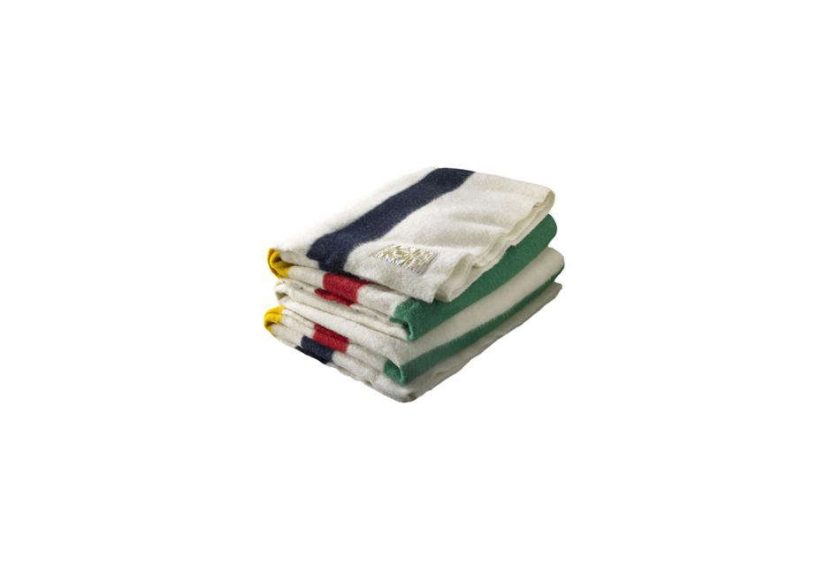
later elevated into an enduring design icon. The “multi” version is the classic look: a light/cream base with
bold stripes near the edgetraditionally green, red, yellow, and deep bluestacked like a color-coded badge of
coziness.
Today, the Multi 6 Point Queen is best understood as: an heirloom-style, heavyweight wool blanket in a queen-friendly
size, designed to be both functional and instantly recognizable. It’s not a flimsy throw. It’s the “close the
windows, it’s snowing sideways” kind of blanket.
Quick Specs You’ll Actually Care About
- Size (typical for 6 point): about 90″ x 100″roomy enough for a queen bed and generous couch coverage.
- Material: typically 100% wool (often listed as virgin/pure wool by sellers).
- Construction: traditionally associated with being loomed in England for modern retail listings.
- Care: commonly labeled dry clean only for best shape retention and to avoid shrinkage.
The “6 Point” System: Not a Price Tag, Not a Weight Class, Not a Secret Code
The points are the short lines woven into the blanket edge. Historically, they were designed so traders (and
later, shoppers) could identify blanket size even when it’s folded. The point system is widely credited to
French textile practice, and it’s about finished sizenot “how many beaver pelts this costs” and not “how
many times you’ve watched the same comfort movie.”
In modern sizing, 6 point is commonly associated with a queen (sometimes “full/queen”) blanket. Think of it
as the “enough blanket to share, but also enough blanket to burrito yourself” tier.
Why the Point System Still Matters Today
- Buying vintage? Points help you confirm size when dimensions aren’t listed clearly.
- Comparing brands? “Queen” can be squishy. “6 point” is the more consistent clue.
- Storing it folded? The points still let you identify what you grabbed without unfolding a wool avalanche.
Material and Craftsmanship: Why Wool Hits Different
Wool has a long-standing reputation for warmth, resilience, and practicality. A quality wool blanket can feel
substantial without feeling plasticky or squeaky (you know the soundlike a rain jacket arguing with itself).
Warmth, Breathability, and That “Dry Heat” Feeling
Wool insulates well by trapping air in its fibers. It’s also known for handling moisture better than many
synthetics, which helps reduce that clammy “why am I both cold and sweaty?” paradox. In real life, that means
the blanket often feels warm without needing the thermostat to do cardio.
Weight and Density: The Quiet Luxury You Can Feel
Multi-stripe queen listings for this style are often described as heavyweight, with some retail directories
even listing fabric weight (for example, around 20 oz/yd² in certain catalog-style descriptions). In plain
English: it’s thick, drapes well, and doesn’t slide off the bed like it’s late for a meeting.
“Loomed in England”: What That Signals
Many modern product listings for the 6 point queen multi-stripe version specify that it’s loomed in England.
That detail is often used as a quality cueless “mass blanket,” more “heritage textile.”
The Multi Stripe Look: Design That Refuses to Be Background Noise
The stripes are the reason you can spot this blanket from across a room and immediately think,
“That person owns at least one cast-iron pan.”
While people love to assign poetic meanings to the colors, many reputable historical summaries note that the
stripe colors are more connected to tradition, dye availability, and recognizable branding than to any single
official symbolic code. The short version: the colors are iconic because they endured, not because they came
with a universal legend attached.
How to Style It Without Trying Too Hard
- On a queen bed: Fold it at the foot so the stripes show like a clean “finish line.”
- As a top layer: Use it over a duvet in winter; it adds warmth and a structured look.
- On a sofa: Drape it diagonally so the stripes read like intentional design, not “I panic-grabbed a blanket.”
- In a cabin aesthetic: Pair with neutral sheets, leather accents, and wood tones. Instant lodge energy.
Performance in Real Homes: Who This Blanket Is For
Cold Sleepers and Drafty Rooms
If you’re the person who wears socks to bed “just in case,” a thick wool blanket can be a game changer. Wool’s
insulation is especially noticeable in older homes, high-ceiling apartments, or anywhere your windows do that
cute little whistle in February.
People Who Want “Buy It Once” Bedding
The appeal isn’t only warmthit’s durability. A well-made wool blanket can hold up for years with proper care.
This is the opposite of disposable bedding culture. It’s the “I don’t want to replace this every two winters”
mindset in blanket form.
Design People (and Anyone With Eyes)
The multi stripe pattern works because it’s bold but not chaotic. It’s a statement that still plays nicely
with minimal, rustic, or modern interiors. It’s also one of those patterns that looks equally at home in a
magazine photo and in a real living room with a dog toy under the coffee table.
One Caution: Wool Sensitivities
Some people find wool itchy, especially if they press it directly against bare skin. If that’s you, use a top
sheet between you and the blanket, or reserve it as a top layer and cozy-on-the-couch option while wearing
long sleeves. (Yes, fashion is temporary; comfort is forever.)
Buying Tips: How to Choose the Right Hudson’s Bay 6 Point Blanket
New vs. Vintage: Two Different Kinds of Happiness
New blankets are consistent in sizing, labeling, and care instructionsgreat if you want a straightforward purchase.
Vintage blankets can be stunning and collectible, but you’ll want to pay closer attention to condition and authenticity.
Authenticity Clues (Without Becoming a Blanket Detective… Too Late)
- Points on the selvage: Look for the short lines woven near the edge, typically above the lower stripe area.
- Dimensions: For 6 point, many modern listings cluster around 90″ x 100″.
- Fiber content: Reputable listings often specify 100% wool (or “pure/virgin wool”).
- Care label: “Dry clean” is common for traditional wool blankets.
- Labels and provenance: Vintage pieces may have sewn-in tags and period-specific markings.
Condition Checklist for Vintage Finds
- Moth damage: Check for tiny holes or thin spots (especially along folds).
- Pilling: Light pilling is normal; heavy pilling can indicate lots of friction or age.
- Odor: Musty isn’t always a deal-breaker, but it may require professional cleaning and airing.
- Edge wear: Fraying edges can be repaired, but factor it into value.
Care and Cleaning: Keep It Cozy, Not Crunchy
Wool is naturally pretty low-maintenance in day-to-day use. The key is avoiding the two classic mistakes:
hot water and aggressive heat. Those are how good wool becomes tiny wool.
Everyday Freshening (The Lazy Genius Routine)
- Air it out: A good shake and some fresh air can do a lot for wool.
- Brush gently: A soft brush can lift surface dust and help reduce pilling over time.
- Rotate and fold differently: Prevents wear lines in the same spot.
Stains: Act Fast, Be Gentle
For small spots, gentle blotting beats scrubbing. Some mainstream care guides recommend mild detergent with
cold water, and vinegar-water solutions are often suggested for spot treatment in general household-care
contexts. The principle is consistent: keep it cool, keep it gentle, and don’t grind the stain deeper.
Dry Cleaning: The “Don’t Ruin My Blanket” Option
Many product listings and wool care guides emphasize dry cleaning for traditional wool blankets.
The reason is simple: washing can shrink wool and change the hand-feel, sometimes permanently.
If your blanket’s tag says dry clean only, believe itthis is not the moment to be brave.
Storage: How to Avoid the Moth Olympics
- Clean before storing: Even invisible food oils can attract pests.
- Store in breathable protection: Cotton storage bags beat sealed plastic long-term.
- Add deterrents: Cedar and similar options can help (and make your closet smell like a fancy sauna).
- Keep it dry: Moisture is the enemy of textiles and your future mood.
Value: Is the Hudson’s Bay Multi 6 Point Queen Wool Blanket Worth It?
It depends on what you want your blanket to do. If you want cheap warmth for one season, you can find plenty of
options. If you want an heirloom-quality queen wool blanket that’s recognized, durable, and genuinely functional,
the value equation changes.
Reasons People Say “Worth It”
- Warmth-to-bulk ratio: Thick, warm, and breathable compared to many synthetic comforters.
- Timeless style: The multi stripe pattern stays relevant across decor trends.
- Longevity: With proper care, wool blankets can last for years (often decades).
- Versatility: Bed, couch, travel, cabin, picnic (just don’t set it on damp grass and forget it).
Reasons to Pause
- Price: Heritage wool isn’t bargain-bin material.
- Care needs: Dry cleaning and careful storage may be required.
- Sensory preferences: If you hate the feel of wool, you’ll need a top sheet barrier or choose another fabric.
FAQ
Is a 6 point blanket definitely queen size?
In modern retail descriptions, 6 point is commonly associated with queen (sometimes full/queen), and many
listings cluster around about 90″ x 100″. Older vintage blankets can vary, so checking measurements is smart.
Can I wash it at home?
If the label says dry clean only, follow that. Some wool items are washable, but traditional wool blankets are
often recommended for dry cleaning to reduce shrinkage risk and preserve feel.
Why are Hudson’s Bay point blankets collectible?
They combine recognized design, long history, and durable materials. Collectibility tends to rise with
condition, age, rarity (special editions), and clear provenance.
Conclusion
The Hudson’s Bay Multi 6 Point Queen Wool Blanket is the rare home item that’s both practical and iconic.
It’s warm without being sweaty, bold without being obnoxious, and built for years of useif you treat it with
basic wool respect (no hot wash heroics, no dryer stunts).
If you want a queen-size wool blanket that feels like a legacy pieceand you appreciate a design with instant
recognitionthe multi stripe 6 point is a classic for a reason. It’s less “throw blanket,” more “commitment.”
The good kind.
Experience Notes (Bonus: ~ of Real-Life Cozy Proof)
The first thing you notice when you live with a heavyweight wool blanket is that it changes your habits. You
stop “turning up the heat” as your default plan and start doing the much more satisfying move of grabbing the
blanket and making yourself a human pastry. A 6 point queen size is especially good at this because it has
enough coverage to drape, tuck, and still leave room for a dog who believes the couch is a constitutional right.
On a bed, the blanket behaves like it has manners. It doesn’t slither to the floor in the middle of the night.
It stays put, and it adds a little structurelike your bedding got promoted. If you fold it at the foot of the
bed with the stripes showing, it reads instantly “intentional,” even if the rest of your room is quietly
auditioning for a laundry documentary.
The couch test is where it earns its keep. Movie nights become warmer, yesbut also calmer. Wool has this
steady, even warmth that feels different from fleece. Fleece can feel like it’s trapping heat; wool feels like
it’s managing it. The blanket also has enough weight to feel grounding without turning into a weighted-blanket
workout. That heft makes it great for drafty rooms: you can literally feel the edge seal off cold air like a
polite bouncer at the door.
Then there’s the travel-and-car scenario: keep it in the trunk once and you’ll wonder why you ever relied on
thin emergency throws. It’s perfect for chilly sidelines at a game, stargazing nights, or those road trips
where the passenger wants the AC on “Arctic research station” while the driver wants “reasonable mammal.”
It’s also surprisingly photogenic in the background of cabin weekendsone of those items that makes every
snapshot look like it belongs in an outdoors magazine spread, even if the most rugged thing you did was open a
stubborn jar.
Maintenance-wise, living with it teaches you patience. You learn that wool doesn’t need constant washing; it
needs airing, gentle handling, and occasional professional cleaning when life gets messy. You also learn the
power of a top sheet if you’re sensitive to wool: the blanket stays as the warm outer layer, and you keep the
soft barrier underneath. It’s a small tweak that turns “beautiful but itchy” into “beautiful and I’m never
leaving this couch.”
Over time, you start to appreciate the blanket the way you appreciate good denim or a leather jacket: it looks
better when it’s lived in (within reason), it tells a story, and it quietly becomes the thing everyone reaches
for first. The only real downside is that once people experience it, they will ask to borrow it. Politely
refuse. This is not a community blanket. This is a legacy.