Table of Contents >> Show >> Hide
- What Makes a Great Hummus (It’s Not Just “Chickpeas + Hope”)
- Classic Hummus Recipe (Creamy, Reliable, and Dangerously Snackable)
- Pro Moves for Ultra-Smooth, Restaurant-Style Hummus
- Flavor Variations (Same Method, Different Vibes)
- How to Serve Hummus (Beyond “Dip a Chip”)
- Troubleshooting: Fix Your Hummus Like a Calm, Capable Person
- Storage & Food Safety
- FAQ: Quick Answers for Hungry People
- Real-Life Hummus Experiences (Because This Dip Has a Personality)
- Conclusion
Hummus is the kind of food that makes people say, “I’ll just have a little,” and then suddenly they’re scraping the bowl with a carrot like it’s a tiny orange shovel.
The good news: a truly great homemade hummus recipe doesn’t require a culinary degree, a passport, or a secret handshakejust a few smart moves,
solid ingredients, and the confidence to let your blender run longer than 12 seconds.
This guide gives you a classic, creamy hummus you can use as a dip, spread, sauce, or “I’m too tired to cook” dinner companion. You’ll also get pro techniques
for extra-smooth hummus, flavor variations, troubleshooting, storage tips, and a longer “real-life hummus” section at the endbecause hummus has
a way of showing up in people’s kitchens like an edible best friend.
What Makes a Great Hummus (It’s Not Just “Chickpeas + Hope”)
Great hummus is all about balance and texture:
- Silky texture: achieved by thoroughly blending, using enough liquid, and starting with very soft chickpeas.
- Nutty richness: quality tahini does heavy lifting herethink toasted sesame, not bitter paste.
- Bright acidity: lemon juice keeps hummus lively instead of flat.
- Gentle garlic: garlicky, yes; raw-breath weapon, no. (We’ll mellow it.)
- Salt + warmth: salt brings flavor into focus; cumin (optional) adds a quiet “what is that?” in a good way.
Classic Hummus Recipe (Creamy, Reliable, and Dangerously Snackable)
Ingredients (Makes about 2 to 2 1/2 cups)
- 1 (15-ounce) can chickpeas (garbanzo beans), rinsed and drained
- 1/2 teaspoon baking soda (optional, for smoother hummusespecially helpful with canned chickpeas)
- 1/3 to 1/2 cup tahini (start at 1/3 cup; go higher for richer, more “restaurant-style” hummus)
- 1/4 cup fresh lemon juice (more to taste)
- 1 small garlic clove, roughly chopped (or 2 small cloves if you love garlic and don’t have plans afterward)
- 3/4 teaspoon kosher salt (start here; adjust later)
- 2 to 4 tablespoons ice-cold water (or a couple of ice cubes)
- 2 tablespoons extra-virgin olive oil (plus more for serving)
- 1/4 to 1/2 teaspoon ground cumin (optional)
- Optional garnish: smoked paprika, sumac, chopped parsley, toasted pine nuts, whole chickpeas
Equipment
- Food processor or high-speed blender
- Small saucepan (if using baking soda step)
- Spatula
- Citrus juicer (optional but satisfying)
Step-by-Step Instructions
-
Optional “extra-smooth” chickpea prep (10 minutes):
Put chickpeas in a small saucepan, cover with water by about 1 inch, and add 1/2 teaspoon baking soda.
Bring to a simmer and cook 8–12 minutes. You’re not trying to make soupyou’re trying to make chickpeas ridiculously soft.
Drain and rinse well. (Yes, they’ll look a little puffy. That’s the point.) -
Mellow the garlic (2 minutes, big payoff):
In the food processor, add the garlic and lemon juice. Blend 20–30 seconds, then let it sit for 2 minutes.
This takes the sharp edge off the garlic so your hummus tastes bold, not aggressive. -
Whip the tahini (1 minute):
Add tahini and salt to the lemon-garlic mixture. Blend for 45–60 seconds. It should look creamy and slightly whipped.
If it looks thick like peanut butter that’s seen things, you’re still finewater is coming. -
Add chickpeas and blend longer than you think:
Add chickpeas, cumin (if using), and olive oil. Blend for 1–2 full minutes, scraping down the bowl as needed.
This is where texture is made. Let the machine do the workthis is not the time for cardio. -
Adjust with ice-cold water:
With the processor running, drizzle in 2 tablespoons ice water. Blend 30 seconds. Check texture.
Add more ice water 1 tablespoon at a time until it’s creamy, light, and spoonable. -
Taste and tune:
Taste. Add more salt (in small pinches), lemon juice (for brightness), or tahini (for richness).
If it’s too thick, add a splash more ice water. If it’s too thin, add a few more chickpeas or a little more tahini. -
Serve like you mean it:
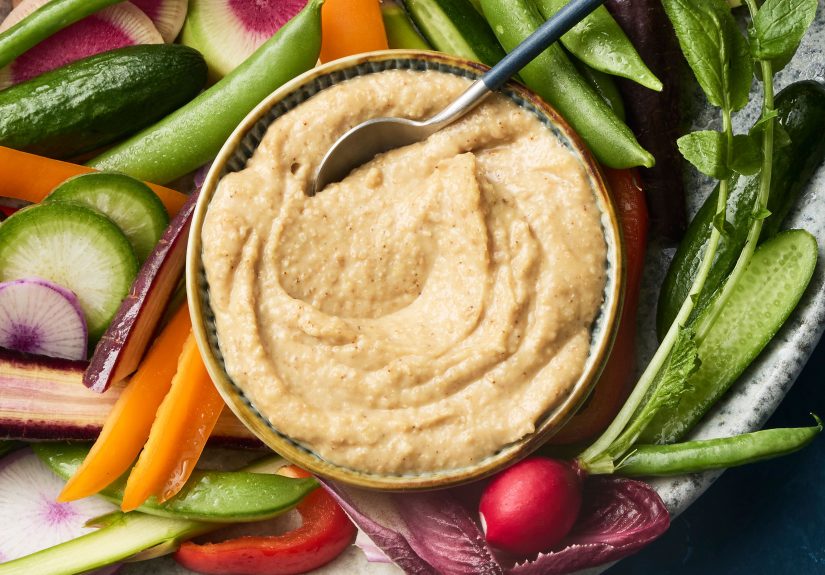
Spoon into a bowl. Use the back of a spoon to make swooshes (highly technical term). Drizzle with olive oil.
Sprinkle paprika or sumac, add parsley, and maybe a few whole chickpeas for the “yes, this is homemade” look.
Pro Moves for Ultra-Smooth, Restaurant-Style Hummus
If you want hummus so smooth it could host its own skincare routine, these upgrades help:
1) Make chickpeas softer than “tender”
Extra cooking (especially with a tiny bit of baking soda) breaks down chickpea skins and softens the beans, which blends into a silkier puree.
This matters most if you’re chasing that whipped, glossy texture.
2) Use good tahiniand use enough
Tahini quality changes everything. A fresher, well-stirred tahini tastes nutty and smooth; old or poorly mixed tahini can taste bitter.
Also, tahini is an emulsifier. More tahini (balanced with water) can make hummus creamier and more stable.
3) Ice water (or ice cubes) is not a gimmick
Cold water helps the tahini emulsify and can lighten the texture. Adding it slowly while blending helps the hummus turn airy instead of heavy.
4) Blend longer than feels reasonable
Most “grainy hummus” is simply “not blended long enough.” Set a timer if you need to.
Your food processor can handle it. Your patience can too. Probably.
5) Optional: remove some skins (only if you enjoy tiny tasks)
Peeling chickpeas can make hummus extra silky, but it’s optional. A baking soda simmer often loosens skins enough that some slip off naturally.
If you want to peel, do it on a relaxed day, like a Sunday… or during a dramatic TV show.
Flavor Variations (Same Method, Different Vibes)
Once you’ve nailed the base, hummus becomes your blank canvasan edible, beige canvas, but still a canvas.
Roasted Red Pepper Hummus
- Add 1/2 cup roasted red peppers (patted dry) and 1/2 teaspoon smoked paprika.
- Optional: a pinch of cayenne for gentle heat.
Roasted Garlic Hummus
- Swap raw garlic for 4–6 roasted garlic cloves. (Sweeter, mellow, and less likely to haunt your social life.)
Herby Green Hummus
- Add a big handful of parsley or cilantro, plus a handful of baby spinach.
- Add extra lemon to keep it bright.
Spicy Harissa Hummus
- Add 1–2 teaspoons harissa paste.
- Finish with olive oil and a pinch of cumin.
“Everything Bagel” Hummus (Party-Friendly)
- Keep base hummus classic, then top with everything bagel seasoning, extra olive oil, and chopped scallions.
How to Serve Hummus (Beyond “Dip a Chip”)
- Classic dip: pita wedges, pita chips, cucumbers, bell peppers, carrots, snap peas.
- Sandwich spread: replace mayo with hummus in wraps, burgers, and veggie sandwiches.
- Grain bowl sauce: thin hummus with water + lemon and drizzle over quinoa bowls.
- Breakfast upgrade: spread on toast, top with sliced tomato, olive oil, and a pinch of salt.
- Mezze platter: pair with olives, feta, cucumbers, tomatoes, falafel, tabbouleh, and roasted veggies.
Troubleshooting: Fix Your Hummus Like a Calm, Capable Person
My hummus is grainy.
Blend longer, add ice-cold water gradually, and make sure chickpeas are very soft. If using canned chickpeas, try the quick baking soda simmer next time.
It tastes bitter.
Bitter usually points to tahini (older, separated, or naturally more bitter). Try a different brand, stir tahini thoroughly before measuring, and balance with more lemon and salt.
It’s too thick.
Add ice water (or even a tablespoon of chickpea liquid) while blending until it loosens. Thick hummus is just hummus waiting for hydration.
It’s too thin.
Blend in a few more chickpeas or a spoonful more tahini. Then taste againthickening can mute salt and lemon, so adjust.
It tastes flat.
Add a pinch more salt and a squeeze more lemon. If it still feels sleepy, add a tiny pinch of cumin or smoked paprika.
Storage & Food Safety
Store homemade hummus in an airtight container in the refrigerator. For best flavor and texture, enjoy within about a week.
If you’re serving hummus at a party, don’t let it hang out at room temperature for hoursscoop some into a smaller bowl, keep the main container chilled,
and swap bowls as needed. Your future self (and your guests) will appreciate the smart move.
Can you freeze hummus?
Yes. Freeze in a sealed container with a little space for expansion. Thaw in the fridge, then stir well.
The texture may be slightly different (a bit looser), but a quick re-blend can bring back creaminess.
FAQ: Quick Answers for Hungry People
Can I make hummus without tahini?
You can, but it won’t taste like classic hummus. If you must skip tahini, try a small amount of extra olive oil plus a spoonful of plain yogurt (not vegan),
or use a mild nut/seed butter (like cashew butter) for creaminess. Keep lemon and garlic, and taste carefully.
Should I use canned or dried chickpeas?
Canned chickpeas are fast and make excellent hummusespecially with the quick simmer trick. Dried chickpeas can be even creamier when cooked until very soft,
but they take more time. Choose based on your schedule, not your dreams.
What’s the best oil for hummus?
Use a good extra-virgin olive oil for serving (drizzling adds aroma). Blending a little olive oil into the hummus is optionalsome people love it, some skip it.
Real-Life Hummus Experiences (Because This Dip Has a Personality)
If hummus had a social calendar, it would be booked solid: weekday lunches, weekend parties, late-night fridge raids, and that one “I forgot to cook” Tuesday
when it quietly saves dinner with zero judgment. And if you’ve ever made hummus at home, you already know it’s not just a recipeit’s a tiny kitchen adventure
that usually starts with confidence and ends with you standing over the food processor, eating straight from the bowl like it’s a totally normal thing to do.
A common first experience goes like this: you blend chickpeas, tahini, lemon, garlic, and salt, taste it, and think, “Nice… but why doesn’t it taste like the
hummus from my favorite Mediterranean spot?” That’s when the small details start to matter. Many home cooks discover that ice-cold water is the
secret handshakedrizzle it in and suddenly the hummus gets lighter, creamier, and more spoonable. It feels like magic, but it’s really emulsification plus
patience. (The patience part is the hardest ingredient to find at most grocery stores.)
Another classic moment: the tahini learning curve. Some people try hummus once with a tahini that’s been sitting around too long or wasn’t stirred properly,
and they get a bitter edge that makes them suspicious of the whole concept. Then they try again with a fresher tahinione that smells nutty and blends into a
smooth pasteand suddenly the hummus tastes “right.” It’s the same recipe on paper, but the result is wildly different. That’s why a lot of experienced hummus
makers keep tahini on a short leash: store it sealed, stir it well, and use it like it’s an important supporting actor, not a background extra.
Then there’s the “grainy hummus crisis,” which is basically a rite of passage. The first impulse is to add more olive oil, or blame the chickpeas, or stare at
the food processor like it personally betrayed you. But most of the time, graininess is solved by two things: softer chickpeas and
longer blending. People who try the quick simmer with a pinch of baking soda often report a dramatic texture upgradeless “bean dip,” more
“cloud-like hummus.” It’s also the moment many cooks realize: hummus isn’t hard, it’s just picky about texture.
Hummus also has a funny way of becoming a habit. Someone makes it “for the week,” then notices it’s mysteriously gone by Wednesday. It ends up on sandwiches,
in lunch boxes, next to cut veggies, and as a last-minute snack before heading out the door. Some families turn it into a build-your-own snack board: hummus in
the center, surrounded by cucumbers, peppers, crackers, pita, olives, and whatever is hanging out in the fridge. It’s casual, colorful, and feels like you made
an efforteven if the only thing you truly assembled was “items I already own.”
The best part is how customizable it becomes once you trust the base. One person swears by roasted garlic because it tastes bold without the raw bite. Another
keeps a “party hummus” that gets topped with smoked paprika, olive oil, and herbs because it looks fancy with almost no work (the best kind of fancy). Someone
else adds harissa for heat and calls it a day. And if you’ve ever watched people hover near the hummus bowl at a gathering, you’ve seen the universal truth:
hummus is social. It draws people in, starts conversations, and disappears faster than you thinkespecially when you serve it with warm pita.
So if your first batch is a little thick, a little thin, or a little too “garlic-forward,” don’t worry. That’s not failurethat’s hummus practice. Make one
small adjustment next time: softer chickpeas, more lemon, colder water, a better tahini, an extra minute of blending. Before long, you’ll have a hummus recipe
that tastes exactly how you want it. And yes, you may start judging store-bought hummus a tiny bit. That’s normal. Welcome to the club.
Conclusion
A great hummus recipe is simple, but it rewards smart technique: soften the chickpeas, whip the tahini with lemon and garlic, blend longer than
your instincts suggest, and use ice-cold water to nail that creamy texture. From there, you can keep it classic or spin it into roasted red pepper, herby green,
spicy harissa, or whatever flavor fits your mood. Make a batch, keep it chilled, and prepare to wonder why hummus doesn’t have its own holiday.