Table of Contents >> Show >> Hide
- What Are Szilvás Gombóc?
- Flavor and Texture: What You’re Aiming For
- Ingredients
- Choosing Plums That Won’t Betray You Mid-Boil
- Step-by-Step: How to Make Hungarian Plum Dumplings
- Make It Yours: Variations That Still Feel Traditional
- Troubleshooting: Dumpling Drama, Solved
- Make-Ahead, Storage, and Freezing
- Serving Ideas: Dessert, Snack, or “Oops I Ate Four”
- FAQ
- of Real-Kitchen “Experience” Notes (What You’ll Notice When You Make Them)
- Conclusion
- SEO Tags
There are desserts that politely end dinner. And then there are desserts that show up wearing a cozy sweater, carrying a bag of late-summer plums, and saying,
“Move over, I’m the main character now.” Hungarian plum dumplingsszilvás gombócare absolutely that second kind.
Imagine this: tender potato dough (think gnocchi’s cousin who calls you “dear”), wrapped around a whole plum that’s been sweetened and lightly spiced,
then boiled until pillowy and rolled in buttery toasted breadcrumbs with cinnamon sugar. It’s warm fruit, soft dough, and crunchy-sweet coating in one bite.
The only risk is making them once and then developing “plum dumpling season” as a personality trait.
What Are Szilvás Gombóc?
Szilvás gombóc are traditional Hungarian dumplings made from a potato-based dough filled with plums,
then cooked in simmering water and finished in buttered breadcrumbs mixed with sugar and cinnamon.
In Central Europe, similar plum dumplings show up in neighboring cuisines tooproof that when plums are ripe, everyone suddenly becomes very agreeable.
In Hungary, they’re often served as a dessert, but don’t be surprised if someone calls them a “meatless main.” When a dumpling is this substantial,
it doesn’t care what course it’s in.
Flavor and Texture: What You’re Aiming For
- Dough: soft and tender, not bready, not rubbery, not “hockey puck chic.”
- Plum center: juicy and jammy, with a gentle sweet-tart pop.
- Coating: buttery toasted crumbs that cling like a cozy blanket, with cinnamon sugar sparkle.
Ingredients
This recipe makes about 12–16 dumplings depending on plum size. If you end up with more, congratulationsyou’ve just become the most popular person in your home.
For the plums
- 12–16 small Italian prune plums (or damsons if you can find them), firm-ripe
- 12–16 teaspoons granulated sugar (or 12–16 sugar cubes)
- 1–2 teaspoons ground cinnamon (optional, for inside the plums)
- Pinch of salt (yes, even dessert likes balance)
For the potato dumpling dough
- 2 pounds (about 900g) russet potatoes (starchy potatoes make a lighter dough)
- 1 large egg (or 2 egg yolks for slightly richer dough)
- 1–1½ teaspoons salt (plus more for the cooking water)
- 1½–2½ cups all-purpose flour, as needed (start lower; add only if needed)
- 1 tablespoon butter (optional, for tenderness)
For the buttery breadcrumb coating
- 6 tablespoons unsalted butter
- 1½–2 cups fine breadcrumbs (or panko pulsed finer)
- ¼–⅓ cup sugar (to taste)
- 1–2 teaspoons ground cinnamon
- Optional: ¼ cup finely chopped walnuts (adds a classic nutty crunch)
- Optional: powdered sugar for serving
Choosing Plums That Won’t Betray You Mid-Boil
Use small, oval Italian prune plums if possible. They’re naturally sweet, not too watery, and their shape fits dumpling dough like it was destined.
Aim for firm-ripe: they should give slightly but still hold their structure. Super-soft plums can leak, collapse, or make your dumplings look like they fought in a tiny fruit war.
If your plums are underripe, let them ripen at room temperature; once ripe, refrigerate until you’re ready to cook. (Plums continue to ripen after picking, and chilling helps slow them down once they’re ready.)
Step-by-Step: How to Make Hungarian Plum Dumplings
1) Cook the potatoes (the “dryness” step matters)
The #1 secret to tender, not-heavy dumplings is: less moisture in the potatoes. Drier potatoes = less flour needed = lighter dough.
-
Best method (recommended): Bake the potatoes whole at 400°F until very tender (about 50–70 minutes, depending on size).
Let cool just until you can handle them. - Alternative: Boil potatoes with skins on until tender, drain well, then return them to the hot pot for 1–2 minutes to steam off extra moisture.
- Peel while warm (carefulhot potato is basically edible lava), then pass through a ricer or mash very smoothly.
- Spread the potato on a board or tray for 5–10 minutes to let steam escape.
2) Prep the plums
- Wash and dry the plums.
- Slice each plum lengthwise and remove the pit, keeping the plum mostly intact (like a hinged book).
- Add a teaspoon of sugar (or a sugar cube) inside. Optional: a pinch of cinnamon and tiny pinch of salt.
- Close the plum. Set aside.
3) Make the potato dough
Treat this dough gently. Overworking + too much flour = “why is my dumpling chewing back?” energy.
- Measure about 4 cups riced/mashed potato (this varies; don’t stressuse the feel of the dough).
- Make a mound on a clean surface or use a large bowl. Sprinkle with salt.
- Add the egg (or yolks) and optional butter.
-
Add 1½ cups flour to start. Mix gently until a soft dough forms. Add more flour a little at a time only if the dough is too sticky to handle.
The dough should be soft and pliable, not stiff. - Let the dough rest 10–15 minutes. This helps hydration even out and makes shaping easier.
4) Fill and shape the dumplings
- Divide dough into 12–16 pieces.
- Flatten one piece into a disc (about 3–4 inches wide).
- Place a plum in the center.
-
Wrap dough around the plum and pinch seams closed completelyno gaps. Roll gently into a ball.
(Any tiny opening is basically an invitation for plum juice to escape like it’s late for a meeting.) - Place shaped dumplings on a lightly floured tray while you finish the rest.
5) Cook the dumplings
- Bring a large pot of water to a gentle boil, then reduce to a steady simmer. Salt the water.
- Cook dumplings in batches (don’t crowd the pot).
- Stir very gently once or twice to prevent sticking.
-
Dumplings are typically done when they float, plus an additional 3–5 minutes to ensure the dough is cooked through.
Total time is often around 10–15 minutes depending on size. - Remove with a slotted spoon, letting excess water drip off.
6) Make the buttery cinnamon breadcrumb coating
- In a wide skillet, melt butter over medium heat.
- Add breadcrumbs and stir until toasted and fragrant (2–5 minutes). Don’t walk awaybreadcrumbs burn the second you blink.
- Stir in sugar and cinnamon. Optional: add chopped walnuts.
- Roll hot dumplings in the crumbs until well coated.
7) Serve
Serve warm with an extra sprinkle of cinnamon sugar or powdered sugar. Some people love a spoonful of sour cream or thick yogurt on the side for contrast.
If you want to be fancy, add a drizzle of vanilla sauce. If you want to be honest, eat the first one standing at the stove like a proud goblin. Both are correct.
Make It Yours: Variations That Still Feel Traditional
Swap the filling
- Apricots: classic in the region; slightly tangier and super aromatic.
- Prunes: surprisingly great when fresh plums aren’t in season (soak briefly if very dry).
- Plum jam center: if your plums are huge, a small spoon of thick plum preserves can help boost “jammy” vibes.
Change up the crumbs
- Walnut breadcrumbs: add finely chopped walnuts for a nutty, old-world finish.
- Brown butter crumbs: let the butter go nutty-brown before adding crumbs for deeper flavor.
- Extra cinnamon: if your household measures cinnamon with their heart, not teaspoons.
Troubleshooting: Dumpling Drama, Solved
“My dough is sticky and hard to handle.”
Your potatoes are likely a bit wet or still warm. Let the potato cool/steam off a bit longer, flour your hands, and add flour sparingly.
Sticky is okay. Wet glue is not.
“My dumplings are dense.”
Usually too much flour or overmixing. Next time: drier potatoes, gentler mixing, stop adding flour the moment the dough becomes workable.
“My plums burst and leak.”
That can happen with very ripe plums or thin dough spots. Use firm-ripe plums, seal seams well, and keep dough thickness fairly even.
Also: a little leak isn’t failureit’s a delicious preview.
“The dumplings fell apart in the water.”
The water may have been boiling too aggressively, or seams weren’t sealed. Keep it at a gentle simmer and pinch those seams like you mean it.
Make-Ahead, Storage, and Freezing
Make ahead (best method)
Shape the dumplings, place them on a floured tray, and refrigerate for up to a few hours before cooking. This firms the dough slightly and helps them hold shape.
Freezing
Freeze uncooked dumplings on a tray until solid, then transfer to a freezer bag. Cook from frozen in gently simmering water,
adding a few extra minutes to the cooking time.
Leftovers
Store cooked dumplings in the refrigerator for up to 3 days. Reheat gently:
steam, microwave with a damp paper towel, or pan-warm in a little butter.
Breadcrumbs won’t be as crisp, but the flavor will still be outrageously good.
Serving Ideas: Dessert, Snack, or “Oops I Ate Four”
- Classic: cinnamon sugar + powdered sugar.
- Comforty: a spoonful of sour cream or thick yogurt for tangy contrast.
- Extra: vanilla sauce or a scoop of vanilla ice cream (hot dumpling + cold ice cream is a very good argument).
- Brunch energy: strong coffee, a dumpling, and the feeling that you’ve mastered life for at least 12 minutes.
FAQ
Are Hungarian plum dumplings the same as Austrian or Czech plum dumplings?
They’re closely related. Across Central Europe, plum dumplings often use potato dough and a buttery breadcrumb coating.
Names and details vary, but the comforting “plum + dumpling + crumbs” concept is proudly shared.
Can I use sweet potatoes instead of russets?
You can, but it becomes a different dish (tasty, just different). Classic szilvás gombóc relies on starchy white potatoes for a neutral, tender dough.
Do I have to use breadcrumbs?
Breadcrumbs are traditional because they create that buttery, toasty coating that makes the dumplings feel finished.
If you’re out, you can use crushed cookies or toasted ground nuts in a pinch, but breadcrumbs are the classic move.
of Real-Kitchen “Experience” Notes (What You’ll Notice When You Make Them)
The first thing you’ll notice is that plum dumplings are not a “rush through it while scrolling” kind of recipe. They invite you to slow down,
andoddly enoughthat’s part of why they’re so beloved. There’s a rhythm to the process: potatoes cooling, plums getting tucked with a little sugar,
dough coming together in that soft, slightly tacky way that makes you wonder if it’s going to cooperate. Then it does. Eventually. Like a cat.
In a lot of family kitchens, these dumplings are a seasonal ritual. Late summer plums show up in bags from the market, and suddenly someone is talking about
“making gombóc this weekend” as if it’s a law of nature. It’s the kind of food that feels connected to a calendar: back-to-school air, the first cool evenings,
the moment plums are at their best and you want to use them for something more memorable than “ate three over the sink.” The dumplings turn peak-season fruit
into a full-on event.
There’s also a very specific joy in the “float test.” The dumplings sink at first, thenafter a few minutesrise to the top like they’re proudly announcing,
“We are ready to be delicious now.” It’s strangely satisfying, especially if you’ve never made anything dumpling-ish before. And when you lift one out with a slotted spoon,
you can feel the heft: not heavy-heavy, but that comforting weight that says this isn’t just dessert; it’s a warm, filling bowl of comfort.
Then comes the breadcrumb skilletarguably the best-smelling part. Butter melts, crumbs toast, cinnamon blooms, and suddenly your kitchen smells like someone is
baking nostalgia. Rolling the dumplings through those crumbs is where the magic looks “real.” Before that, they’re pale little potato orbs. After that,
they’re golden, flecked, and glossylike they got dressed for the party.
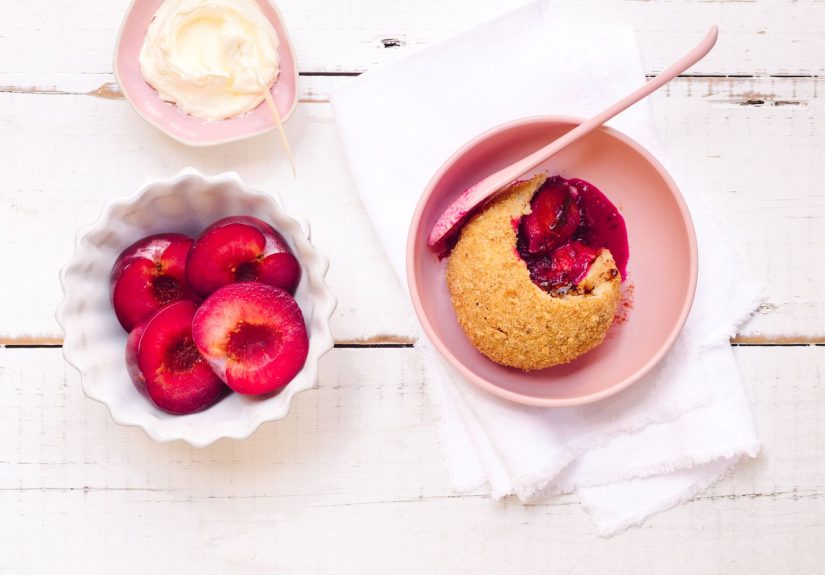
And finally, the moment that turns skeptics into believers: cutting one open. Steam escapes. The plum inside is softer, darker, and jammy around the edges.
The sugar you tucked in has melted into a syrupy pocket, and the fruit tastes sweeter than it did rawbut still bright. It’s that contrasttender dough, juicy plum,
buttery crunchthat makes people pause mid-bite. Even if you’re serving them casually, dumplings like these tend to create a quiet minute at the table where everyone
is too busy enjoying themselves to talk.
If you’re making them for the first time, expect one small imperfectionmaybe a seam that looks a little rustic, maybe a tiny plum leak. That’s normal.
In many homes, the “ugly dumpling” is the cook’s snack, eaten immediately, standing near the stove, crumbs on your fingers, smug happiness on your face.
That, honestly, is part of the authentic experience.
Conclusion
Hungarian plum dumplings (szilvás gombóc) are the kind of recipe that makes ordinary ingredients feel special: humble potatoes become delicate dough, plums turn jammy and fragrant,
and a skillet of buttery cinnamon breadcrumbs ties everything together. Make them once, and you’ll understand why so many families treat them like an annual tradition.
They’re cozy, satisfying, and just playful enough to feel like a little celebrationone dumpling at a time.