Table of Contents >> Show >> Hide
- Why a Favorite Movie Can Say So Much About a Person
- The Real Magic Behind the “30 Pics” Concept
- What Different Movie Attachments Might Reveal
- Film, Memory, and the Version of Ourselves We Keep Returning To
- Why Projects Like This Resonate So Strongly Online
- If You Had to Define Yourself Through a Movie, What Would You Be Saying?
- 30 Pics, Countless Personal Universes
- Experiences Related to Defining People Through a Movie
- Conclusion
Ask someone for their resume and you’ll get bullet points. Ask them for their favorite movie and you’ll often get a confession. One answer sounds like LinkedIn. The other sounds like a tiny trapdoor into the soul. That is exactly why the idea behind a photo series in which people define themselves through a movie feels so irresistible. It turns a simple question into a personality test, a memory lane road trip, and a cultural Rorschach blot all at once.
Some people choose a film because it matches who they are today. Others pick one because it reminds them of who they used to be, who they miss, or who they still hope to become. A favorite film is rarely just a favorite film. It can be a comfort object, a map of values, a souvenir from adolescence, or a polished little monument to a life chapter that still refuses to leave quietly.
That is what makes a project like this so fascinating. It is not really about ranking cinema. It is about identity. When people stand beside the movie that defines them, they are not only naming a title. They are revealing the emotional architecture behind that choice. Maybe they are drawn to stories of rebellion because they spent years trying to be heard. Maybe they love tender coming-of-age films because they still carry the weather of their teenage years. Maybe they cling to a chaotic comedy because laughter once got them through a season that was anything but funny.
In other words, movie attachment is not random. It is often personal, symbolic, and deeply human. And once you start looking at people through the films they love, you begin to notice something wonderful: everyone is walking around with their own secret soundtrack, visual language, and emotional screenplay.
Why a Favorite Movie Can Say So Much About a Person
There is a reason people get surprisingly serious when asked about the film they feel most attached to. A beloved movie often becomes tied to memory and meaning. We do not watch certain films only with our eyes; we watch them with our history. The first time we saw them matters. Who we were with matters. What we were trying to survive matters. A movie can arrive at exactly the right moment and stick to a person like glitter after craft day. Impossible to remove. Weirdly beautiful.
That attachment becomes even stronger when a film mirrors a person’s inner life. If someone sees their loneliness in Lost in Translation, their hope in The Pursuit of Happyness, their family chaos in Little Miss Sunshine, or their stubborn idealism in Dead Poets Society, the movie stops being just entertainment. It becomes evidence. It says, “See? Somebody else understood this feeling well enough to put it on a screen.”
This is one reason movie identity content works so well online. People are hungry for meaningful shortcuts to self-expression. A favorite film can communicate taste, values, mood, generation, cultural influences, and emotional habits in a single move. It says whether someone tends to seek wonder, realism, rebellion, romance, melancholy, absurdity, justice, nostalgia, or all of the above with extra popcorn butter.
It also reveals what kind of stories a person trusts. Some people choose films where the world makes sense by the end. Others choose films that remain unresolved because life often does too. Some gravitate toward heroes, some toward antiheroes, and some toward the side character with three lines and a suspiciously strong vibe. Every choice hints at the emotional lens through which that person experiences the world.
The Real Magic Behind the “30 Pics” Concept
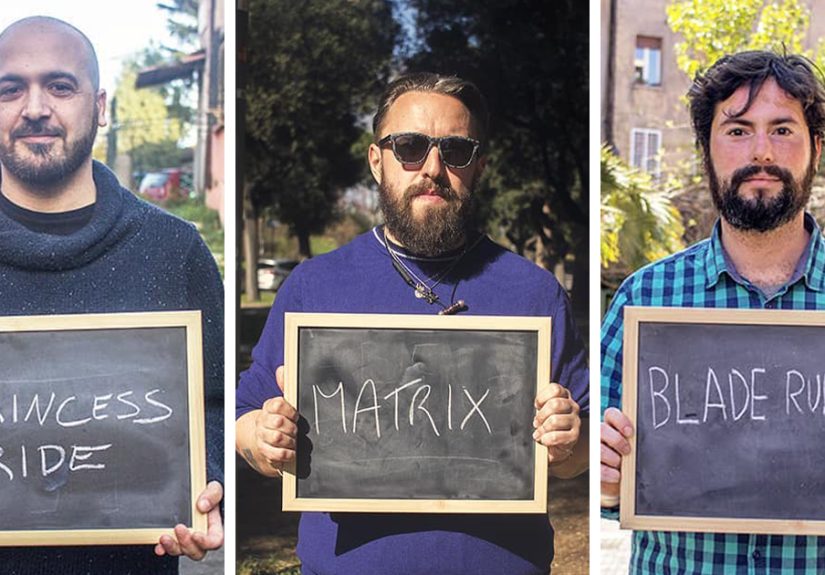
The brilliance of a project built around 30 portraits and 30 movie choices is that it combines two kinds of storytelling at once. The portrait shows the surface: posture, style, expression, age, attitude, environment. The film title shows the interior: private mythology, emotional gravity, and personal symbolism. One image says, “This is how I appear.” The other says, “This is how I feel, remember, and make sense of myself.”
Together, they create a richer portrait than either could alone. A person photographed with a serious face but paired with a whimsical film suddenly seems more layered. Someone smiling next to a bleak classic may reveal a tougher emotional history than the portrait alone suggests. The contrast becomes part of the story.
That is why this kind of visual series feels intimate without being invasive. People do not have to spill every detail of their lives. They just pick a movie. But in that one choice, they often say a lot anyway. The film acts like a proxy, doing the talking on their behalf. It becomes shorthand for longing, resilience, rebellion, comfort, tenderness, or self-recognition.
There is something almost literary about that gesture. Instead of saying, “I am this kind of person,” participants say, “Here is the story that holds me.” It is a more poetic form of self-description, and honestly, much better than listing your hobbies and favorite pizza toppings. Though to be fair, if your defining movie is Ratatouille, pizza toppings may still be relevant.
What Different Movie Attachments Might Reveal
1. The Comfort-Seeker
If a person is fiercely loyal to a warm, rewatchable movie, that often signals emotional refuge. These are the people who return to familiar dialogue, known endings, and dependable feelings when life gets noisy. Their attachment may be less about plot and more about emotional regulation. The movie gives them a stable place to land.
2. The Identity Explorer
People who attach themselves to films about self-discovery, outsiderhood, migration, love, gender, ambition, or reinvention are often drawn to narratives that help them process change. These films do not merely entertain them. They provide language for transitions they are still trying to understand.
3. The Nostalgic Heart
Some favorite films are really memory machines. The attachment comes wrapped in a specific season of life: childhood weekends, college dorm marathons, a parent’s recommendation, a first heartbreak, a friendship that ended too soon. In these cases, the movie becomes a container for time itself.
4. The Meaning-Maker
Then there are people who love films because of the themes. Morality, sacrifice, identity, family, grief, freedom, justice, redemption. Their attachment is philosophical. They adopt a movie not because it is easy, but because it keeps asking the questions they cannot stop asking either.
5. The Beautiful Chaos Enthusiast
And yes, some people choose wild, strange, highly specific films because they enjoy the thrill of not fitting into neat categories. Their attachment may reflect creativity, openness, irony, or a refusal to be predictable. These are often the people whose movie pick makes everyone say, “That is such a you answer,” which is basically the gold medal of self-branding.
Film, Memory, and the Version of Ourselves We Keep Returning To
One of the most interesting things about favorite movies is that they do not always reveal the person we are in public. Sometimes they reveal the version of ourselves we protect in private. A person with a practical, no-nonsense daily persona may secretly cherish an intensely sentimental film because it connects them to a softer self they do not always display. Someone known for being funny may identify with a tragic drama because humor has always been part shield, part survival tool.
That tension is what makes movie-based self-definition more insightful than it first appears. We do not only choose stories that reflect our surface traits. We choose stories that organize our memories, explain our contradictions, or give shape to feelings that do not fit neatly into ordinary conversation.
Think about the films people revisit over years, even decades. The rewatch is rarely accidental. It is often ritual. They return because the movie still helps them remember something important: who they were, what they survived, what they lost, what they value, or what they still want from life. In that sense, a favorite movie is less like a poster on a wall and more like a mirror that ages alongside the viewer.
That mirror can change too. A movie first loved for romance might later be loved for grief. A comedy once adored for its energy might, years later, be cherished for its tenderness. As people change, the meaning they pull from the same film shifts. The movie remains the same object, but the emotional conversation around it evolves.
Why Projects Like This Resonate So Strongly Online
The internet loves lists, pictures, and personal confessions disguised as fun prompts. This project offers all three. But beneath the scroll-friendly format is a much deeper appeal. It invites people to ask a question that feels playful yet revealing: if you had to define yourself through a movie, what would you choose?
That question works because it lets people share something real without requiring them to overshare. It creates intimacy through culture. You can reveal your emotional center without announcing your whole biography. You can say, “This film is me,” and let others fill in the emotional blanks.
It also sparks connection. People immediately begin comparing answers, spotting patterns, defending underrated classics, and reevaluating friends. Suddenly the person who chose Eternal Sunshine of the Spotless Mind becomes legible in a new way. The one who picked The Lord of the Rings starts making sense as a loyal idealist. The person who swears by Mean Girls may be communicating not just humor, but fluency in social survival.
That is the secret charm of movie attachment discourse. It is fun, yes. But it is also interpretive. It gives us a way to read one another with a little more tenderness and curiosity.
If You Had to Define Yourself Through a Movie, What Would You Be Saying?
You might be saying that you believe in second chances. Or that you are still healing from a part of your life that no one else fully sees. You might be saying that wonder matters to you more than cynicism, that family is messy but sacred, or that you have always felt slightly out of step with the world and found comfort in characters who did too.
You might also be saying something about the pace at which you move through life. Fast, intense, all feeling. Slow, reflective, observant. Your movie may reveal how you handle uncertainty, what kind of endings you can tolerate, and whether you look for beauty in the polished, the broken, or the downright weird.
Even the genre matters. Romantic drama fans may value emotional depth and meaningful connection. Horror devotees often appreciate tension, catharsis, and controlled fear. Science-fiction lovers are frequently drawn to possibility, ethics, and worlds that ask big questions. Comedy loyalists may be lovers of timing, relief, and resilience. None of these categories tell the whole story, of course, but they offer clues.
And sometimes the biggest clue is not what movie you choose, but why. Is it because the character felt like you? Because the story arrived when you needed it? Because it reminds you of someone? Because it captures the mood of your life better than any diary entry could? The explanation is where the real portrait lives.
30 Pics, Countless Personal Universes
A project built around 30 people and 30 films reminds us that cinema is not only a mass medium. It is also a personal archive. People borrow movies to express what would otherwise take pages to explain. A single title can hold an entire emotional backstory.
That is why these portraits feel larger than their frame. Each image is not just a person next to a movie. It is a compact biography. It is a declaration of taste, memory, longing, and self-recognition. It is someone pointing to a story and saying, “This one stayed. This one shaped me. This one still sounds like home.”
And perhaps that is the loveliest part of the whole idea. In a world that constantly pushes people to present polished summaries of themselves, a favorite film offers a messier, warmer, more honest introduction. It leaves room for contradiction. It accepts nostalgia. It honors feeling. It tells the truth sideways, which is often the most human way to tell it.
So yes, the film we are most attached to really can say a lot about a person. Not everything, of course. Human beings are too complicated for one title, even if it is a masterpiece. But it can reveal enough to begin a deeper conversation. And that is more than most icebreakers accomplish before the coffee gets cold.
Experiences Related to Defining People Through a Movie
There is something strangely powerful about asking people to define themselves through a movie, because the room changes the moment the question lands. At first, everyone laughs. They treat it like a party game. Then the silence begins. Eyes drift upward. Someone crosses their arms. Someone else smiles in a way that clearly means they just remembered a version of themselves they have not visited in years. What seemed like a casual prompt starts acting like a key.
In conversations built around this idea, people rarely answer with just a title. They tell a story around the title. They explain where they were when they first saw the film, who showed it to them, what part of their life it seemed to understand, and why they still carry it. A person might pick a glossy blockbuster, but the real answer is hidden in the memory attached to it. Suddenly the movie becomes less important than the emotion orbiting it.
One of the most memorable things about this kind of experience is how unpredictable the answers are. The quietest person in the room may choose something explosive and rebellious. The funniest person may pick the saddest film imaginable. The one who seems effortlessly confident may choose a story about insecurity, exile, or not belonging. These choices crack open assumptions in the best possible way. They remind us that people are always larger on the inside than they appear from the outside.
There is also a bonding effect. Once one person gives an honest answer, others usually follow. The conversation stops being about “best movies” and starts becoming a gentle exchange of identity clues. People discover shared comfort films, childhood favorites, breakup movies, family movies, and the one title they can never watch without feeling like their heart just did a somersault in slow motion.
What makes the experience linger is that it turns taste into testimony. A movie choice becomes a compact way of saying, “This is what moved me. This is what I recognized. This is the story that saw me before other people did.” That is why the idea works so beautifully in portraits, interviews, and social media posts alike. It gives people a creative way to be known.
And maybe that is the biggest takeaway: when someone defines themselves through a movie, they are not hiding behind fiction. They are often revealing themselves through it. The screen becomes a bridge. The title becomes a clue. And for a brief moment, art does what it does best: it helps people say something true without forcing them to say it the hard way.
Conclusion
The appeal of I Believe That The Film We Are Most Attached To Can Tell A Lot About A Person So I Asked People To Define Themselves Through A Movie (30 Pics) goes far beyond clever internet entertainment. It taps into something timeless: people use stories to understand themselves. A favorite film can function like a memory capsule, a personality hint, a values statement, and an emotional map all at once. That is why a project built around portraits and movie choices feels so intimate so quickly.
Whether someone chooses a nostalgic classic, an offbeat cult favorite, or a big-hearted crowd-pleaser, the attachment usually points to something meaningful. It may reveal what comforts them, what inspires them, what wounds they are still carrying, or what kind of life story they believe in. And that is exactly why this concept keeps resonating. It invites people to be seen through the art that stayed with them.