Table of Contents >> Show >> Hide
- The Cupcake Moment: Funny, Sure… Until It Isn’t
- Why Someone Might Keep “I Bought a House” Quiet
- The Unsexy Part: Leases, Notice, and Who Owes What
- Why Homebuying Can Make People Act Weird: The Money Pressure Is Massive
- The Emotional Side: What Your Roommate Might Be Feeling (Even If They’re Handling It Badly)
- How to Say “I’m Moving Out” Without Triggering a Cupcake Catapult
- If the Reaction Turns Aggressive: What to Do Next
- FAQ: The Questions Everyone Asks After the Frosting Settles
- Conclusion: Big Wins Shouldn’t Come With Flying Pastries
- Real-Life Experiences People Share When One Roommate Buys a House
- SEO Tags
There are a lot of ways to announce a life milestone. A heartfelt toast. A group text with too many emojis.
A tasteful, “Hey, I’m moving out next month.” And then there’s the viral-classic approach:
casually dropping “I bought a house” and immediately triggering a pastry-based weather event.
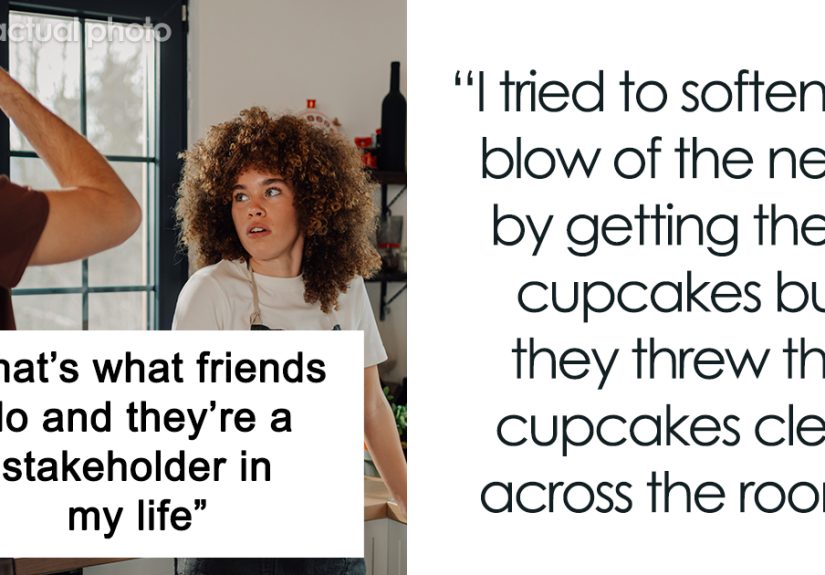
If you’re wondering how cupcakes ended up airborne, you’re not alone. Stories like this pop up online because
they’re equal parts hilarious and painfully human: money stress, fear of being left behind, messy leases,
and the emotional whiplash of realizing your living situation is about to change.
This article breaks down what’s really happening when a roommate reacts like the kitchen turned into a
dodgeball arenaplus how to share big news without turning dessert into shrapnel.
The Cupcake Moment: Funny, Sure… Until It Isn’t
On the surface, “cupcakes flying across the room” sounds like a sitcom scene with a laugh track and a
commercial break. But in real life, it’s a sign that something deeper snappedpossibly a boundary,
possibly a sense of security, and definitely someone’s patience.
When a roommate has a big, explosive reaction to your good news, it’s rarely about the house itself.
It’s about what the house represents: stability, escape, “you’re moving on,” or even “you were planning
this without me.” Sometimes it’s envy. Sometimes it’s panic. Sometimes it’s a person who was already
unstable, and your announcement just lit the match.
Why Someone Might Keep “I Bought a House” Quiet
Let’s address the question that inevitably shows up in comments: “Why didn’t they just tell the roommate?”
Because buying a home isn’t like buying a blender. It’s a multi-month process where anything can fall apart
at any timefinancing, appraisal, inspection surprises, title issues, seller drama, you name it.
1) The deal isn’t real until it closes
Many buyers keep the news close until the paperwork is signed and the keys are actually in hand. Before that,
it can feel like announcing a pregnancy at the first date: emotionally risky and premature.
2) Privacy is a boundary, not a betrayal
Not every roommate relationship is “we share shampoo and trauma.” Some are strictly logistical.
If you split rent and occasionally nod at each other while microwaving leftovers, you’re not obligated to
provide a weekly life-update newsletter.
3) Safety and emotional volatility are real factors
If someone has a history of blowups, manipulation, or guilt-tripping, delaying the news can be a form of
self-protection. In a perfect world, everyone is mature and supportive. In the real world, some people throw
baked goods like they’re auditioning for a Food Network action movie.
4) Money talk can get weird fast
Even good roommates can get squirrelly around finances. “Wait, you had money for a down payment?”
can quickly turn into passive-aggressive comments, rent resentment, or intrusive questions.
The Unsexy Part: Leases, Notice, and Who Owes What
Here’s where most roommate meltdowns actually start: not feelings, but math. If you’re on a lease together,
your move affects the rent split, utilities, and legal responsibility to the landlord.
Start with the lease (yes, the boring PDF you ignored)
- Joint and several liability: In many leases, each tenant can be responsible for the full rent if the other doesn’t pay.
- Early termination rules: Some leases allow a fee to break the lease; others require a replacement tenant or landlord approval.
- Sublet/assignment clauses: These determine whether you can find someone to take your room and how formal it must be.
Security deposits are a common roommate battlefield
Deposits usually get returned at the end of the tenancymeaning if one person leaves early, the landlord
may not cut a “partial refund” check just because you’re moving into your new place with a glorious walk-in closet.
This is why roommates should document deposit contributions and agree (in writing) on how the departing person
gets bought out.
Notice isn’t just polite; it’s strategic
Even when a lease doesn’t spell out a perfect playbook, giving reasonable notice helps protect relationships
and reduce financial chaos. A sudden “Surprise! I’m leaving in 10 days!” can feel like a betrayal even if you
technically have the right to do it.
Why Homebuying Can Make People Act Weird: The Money Pressure Is Massive
Part of why the “I bought a house” reveal can land like a grenade is that homebuying is expensive,
confusing, and emotionally loaded. Even people who genuinely like you might hear:
“I’m moving to a better life… and you’re staying here with the rent.”
Down payments: not always 20%, but still a big deal
Plenty of buyers don’t put down 20%. Some conventional loans allow lower down payments, and government-backed
loans can be even lower for qualified borrowers. But regardless of the percentage, coming up with cash up front
can look like a magic trick from the outsideespecially to someone who’s struggling month to month.
Closing costs: the “surprise” bill that isn’t actually a surprise
Closing costs commonly include lender fees, appraisal, title services, prepaid taxes/insurance, and escrow items.
They can add up fast. When you’re juggling inspections, negotiations, and paperwork, the last thing you want
is a roommate crisis that turns your kitchen into a frosting crime scene.
Paperwork, timelines, and the reason buyers keep quiet
Mortgage timelines often include a Loan Estimate early in the process and a Closing Disclosure shortly before
the closing date. Buyers may keep plans private until the finish line because delays happen. Deals fall apart.
Appraisals come in low. Underwriting asks for “one more document” like it’s a hobby.
The Emotional Side: What Your Roommate Might Be Feeling (Even If They’re Handling It Badly)
You can be thrilled for someone and still feel left behind. You can be proud of them and also terrified about
your own finances. That emotional mix is common. The problem isn’t having feelings; it’s weaponizing them.
Common triggers behind an overreaction
- Fear of instability: “How will I afford rent without you?”
- Rejection sensitivity: “You didn’t tell me because you don’t trust me.”
- Shame/Comparison: “You’re succeeding and I’m stuck.”
- Loss of control: “My living situation is changing without my input.”
But here’s the boundary line
Understanding someone’s feelings does not mean tolerating harmful behavior. If a roommate yells,
throws things, blocks doors, threatens you, damages property, or tries to sabotage your move,
you’re no longer in “communication tips” territory. You’re in “safety and documentation” territory.
How to Say “I’m Moving Out” Without Triggering a Cupcake Catapult
You can’t control someone else’s reaction, but you can reduce the odds of chaos by approaching the conversation
like a grown adult who likes living indoors and not in a cloud of buttercream.
Step 1: Pick the right setting
Do it when no one is rushed, hungry, or mid-argument about whose turn it is to buy toilet paper.
A neutral, calm moment beats a random announcement during a stressful weeknight.
Step 2: Lead with reassurance and a timeline
The roommate brain hears “I bought a house” and instantly jumps to “I’m abandoned tomorrow.”
Give them the timeline up front:
- The date you expect to move out
- What you’ll pay until then
- Your plan to help find a replacement (if needed/allowed)
- How you’ll handle utilities and the deposit
Step 3: Keep it factual, not confessional
You don’t have to justify your life choices. You can be kind and still be firm:
“This is what I’m doing. Here’s the timeline. Let’s talk about logistics.”
Step 4: Put agreements in writing
Even if you love your roommate. Especially if you love your roommate. Memory gets fuzzy when rent is due.
Follow up with a short message summarizing what you agreed on.
Step 5: If you expect volatility, bring backup
If there’s any history of aggression, consider having a friend nearby, meeting in a semi-public space,
or informing the landlord early. Your goal is safety, not a “perfect talk.”
If the Reaction Turns Aggressive: What to Do Next
Cupcakes are funny. Escalation is not. If your roommate reacts with threats, intimidation, or property damage,
focus on protecting yourself and your finances.
- Document what happened: photos, notes, dates, witnesses.
- Secure your valuables and documents: passport, laptop, keys, financial paperwork.
- Communicate in writing: keep receipts and messages organized.
- Loop in the landlord/property manager: ask about options (replacement tenant, lease modification, early termination).
- Lean on support: friends, family, building management, or local resources if you feel unsafe.
FAQ: The Questions Everyone Asks After the Frosting Settles
Do I have to tell my roommate I’m buying a house?
Not as a general rule. But you do have to follow your lease, provide required notice, and handle shared
financial responsibilities fairly. Telling them earlier can be considerateunless it risks your safety or stability.
What if my roommate says I “owe” them because I’m leaving?
You owe what your lease and agreements require: rent through the agreed period, and any fair arrangement for
replacing you (if applicable). You don’t owe them your homeownership, your bank balance, or your peace.
Should I help find a replacement roommate?
If your lease allows it and you’re able to, it can reduce tension and financial strain. Just make sure the landlord
approves the process and everything is documented.
Is it normal to feel guilty about moving out?
Yes. But guilt isn’t always a signal you did something wrong. Sometimes it’s just the emotional residue of
being a decent person who doesn’t want to inconvenience anyone.
Conclusion: Big Wins Shouldn’t Come With Flying Pastries
The “I bought a house” cupcake incident is funny in headline form, but the lesson underneath is serious:
shared housing is a financial and emotional ecosystem. When one person changes the plan, it can trigger stress,
fear, and messy conflictespecially if communication is already shaky.
The best approach is simple (not always easy): follow the lease, give a clear timeline, put agreements in writing,
and keep your boundaries strong. Celebrate your milestone, but handle the logistics like a responsible adult
because nothing kills the joy of homeownership like a deposit dispute and a roommate who treats baked goods
like projectiles.
: experiences section
Real-Life Experiences People Share When One Roommate Buys a House
When someone in a shared apartment buys a house, the reactions usually land somewhere on a spectrum:
from “Congratulations!” to “Wait… what about rent next month?” And that range makes sense, because roommates
often occupy a weird middle ground. They’re not always close friends, but they share the most intimate stage
of adulthood: bills, chores, packages, noise, weird smells, and the unspoken agreement that nobody will judge
anyone’s 2 a.m. cereal choices.
A common experience first-time buyers describe is feeling like they’re living two lives during the mortgage process.
On one side, they’re calmly loading the dishwasher and pretending everything is normal. On the other, they’re
collecting pay stubs, answering lender emails that arrive with the urgency of a firefighter, and whispering
“please don’t let the appraisal come in low” into the void. In that stage, staying quiet isn’t always secretive
it’s self-preservation. Buyers don’t want to announce a major move and then have to walk it back if financing
changes, the inspection reveals expensive repairs, or the closing date gets pushed.
Meanwhile, the roommate who isn’t buying often experiences a different kind of stress: uncertainty. Even if
they’re genuinely happy for the buyer, the practical questions show up fast. “Can I afford this place alone?”
“Will I need to move?” “How soon?” “Will I have to find a stranger on the internet to live with?” That uncertainty
can feel like a surprise tax on daily life. Some people respond by asking a million questions. Others go quiet.
And someunfortunatelyturn it into conflict, especially if they already feel financially squeezed.
Another pattern people mention is the awkward shift in household power dynamics. If one roommate buys a home,
the other might suddenly feel “less successful,” even if that comparison is unfair. Homeownership has cultural
weight in the U.S.it’s treated like a trophy, a finish line, a sign you’ve “made it.” So the roommate staying behind
may wrestle with envy or shame, even if they don’t want to. That’s where little comments can creep in:
jokes about “rich people,” subtle digs about “having help,” or weird curiosity about salary and savings.
The healthiest stories tend to share the same ingredients: early notice, a written plan, and a respectful tone.
Buyers who approach the conversation with clarity“Here’s the timeline, here’s what I’ll pay, here’s how we’ll handle
the deposit, and I’ll help find a replacement if needed”usually avoid the worst drama. Roommates who receive the news
well tend to do one key thing: separate feelings from behavior. They might be stressed, sad, or scared, but they don’t
punish the other person for moving forward.
And then there are the chaotic storiesthe ones that go viral. In many of those, the cupcake moment (or the screaming,
or the slammed doors) isn’t the true beginning. It’s the finale of months of simmering resentment, poor communication,
and unclear expectations. The takeaway people repeat is simple: the earlier you put structure around shared housing
(house rules, money agreements, chore systems, boundaries), the less likely you are to end a lease with frosting on the wall.