Table of Contents >> Show >> Hide
- Why Textiles Photograph So Well (Even When They’re Just Sitting There)
- Folds, Lace, and Weave: What You’re Really Seeing
- How to Photograph Fabric So It Looks Touchable
- The 28 Pics: Folds, Lace, and Woven Fabrics (Placeholders + Captions)
- Care and Ethics: Photographing Textiles Without Hurting Them
- Experience Section (Extra ): What It Feels Like to Chase Textile Beauty
- Conclusion
Some people collect stamps. Some people collect houseplants they swear they’ll water “tomorrow.” I collect moments when fabric looks like it’s doing magicfolds that behave like mountain ranges, lace that turns air into architecture, and woven cloth that looks calm until you get close and realize it’s a tiny engineered universe.
This post is equal parts love letter and field guide: a practical (and slightly mischievous) look at textile photographyhow to capture the drama of drape, the precision of lace, and the rhythm of woven fabrics followed by a 28-picture gallery layout you can publish (just swap in your images).
Why Textiles Photograph So Well (Even When They’re Just Sitting There)
Fabric is a shape-shifter. One second it’s a flat square, the next it’s a waterfall. That’s because textiles are basically a partnership between material and light. When light skims across a surface at an angle, every bump, thread, and fold casts a tiny shadowyour camera reads that contrast as texture and depth.
And textiles carry stories. A woven scarf can hint at craft traditions; a lace cuff can signal ceremony; a wrinkled linen napkin can whisper, “Yes, someone made lasagna here.” Photographing textiles is not only about patternit’s about turning everyday material into a portrait.
Folds, Lace, and Weave: What You’re Really Seeing
1) Folds: Gravity’s Calligraphy
Folds are where fabric becomes sculpture. The “beauty of folds” comes from drape: how a material bends, hangs, and stacks under its own weight. A crisp pleat makes sharp geometry; a soft knit makes lazy waves. Your goal in fabric texture photography is to show how the textile moves, even in a still frame.
A fun trick: think of folds as “light traps.” Deep valleys go darker; ridges glow. If you want drama, emphasize those valleys. If you want romance, soften the shadows until the folds look like whipped cream.
2) Lace: Pattern Made of Air
Lace is a visual paradox: it’s structure that relies on emptiness. Many handmade laces are broadly described as either needle lace (built from looping stitches) or bobbin lace (formed by interweaving multiple threads). That difference matters in photos: needle lace can look like drawn lines; bobbin lace can look braided and architectural.
The photographic challenge is separationmaking lace stand out without flattening it. Backlight can turn it into stained glass; side light can reveal the thread’s thickness and relief.
3) Woven Fabrics: Warp + Weft = Quiet Genius
Woven fabric is built from two thread systemswarp and weftinterlaced at right angles. A plain weave is the classic over-under pattern; it’s stable and even, which is why it shows crisp texture and predictable highlights in photos. Twill, by contrast, creates diagonal “ribs” because the interlacing pattern shiftsthose longer “floats” can catch light in streaks, giving denim and gabardine their signature vibe.
In close-ups, woven fabrics become landscapes: slubs look like boulders, fuzz looks like fog, and a jacquard weave looks like it was designed by a tiny engineer with a degree in patience.
How to Photograph Fabric So It Looks Touchable
Lighting: Choose Your Mood (Raking vs. Soft)
If you want texture to pop, use a single light from the side (often called raking light). If you want a softer, editorial feel, diffuse the light with a softbox, curtain, or bouncethis reduces harsh micro-shadows and makes the fabric look smoother. Neither is “correct.” They’re just different flavors of honesty.
- Raking/side light: emphasizes weave, embroidery, lace relief, and fold depth.
- Diffused light: flatters delicate lace and prevents shiny fibers from blowing out.
- Backlight: perfect for lace transparency and open weaves.
Color Accuracy: Don’t Let Your Camera Lie About Blue Velvet
Fabric is unforgiving with color: dyes can shift under different bulbs, and some fibers reflect light in ways that make colors look richer or duller. If accurate color matters (fashion, product, archives), photograph a color reference card at the start of your setup and correct in post so your “cream linen” doesn’t turn into “sad office beige.”
Sharpness vs. Soul: Depth of Field, Macro, and Focus Stacking
Close-up textile photography often runs into a problem: at macro distances, depth of field gets very shallow. If you want every thread sharpfrom the top ridge of a fold to the tiny shadow underneathconsider focus stacking: multiple frames focused at slightly different distances, merged into one crisp image.
If you don’t need microscope-level detail, keep it simpler: stop down your aperture (like f/8 to f/11, depending on your lens), stabilize the camera, and let the texture breathe without turning your session into a spreadsheet.
Moiré: The Fabric Pattern That Your Sensor Invented
Fine repeating weaves can create moiréwavy interference patterns caused by the camera sampling a tight pattern. The fix is usually practical, not dramatic: change angle, distance, or focal length; slightly soften focus; or reduce moiré in editing tools that offer a moiré control.
Composition Ideas That Keep Fabric From Looking Like a Tablecloth Listing
- Make folds intentional: use clips, pins, or rolled towels under fabric to “sculpt” drape.
- Show scale: include a hand, a hem, a button, or a seam detail (without stealing the scene).
- Use negative space: especially with lacelet the holes do some of the talking.
- Chase the edge: selvedges, frayed ends, and finished hems add story and craftsmanship.
The 28 Pics: Folds, Lace, and Woven Fabrics (Placeholders + Captions)
Below are 28 gallery-ready slots. Replace each placeholder with your image. Each entry includes a caption and an alt-text idea to help SEO and accessibility. (Alt text should describe what’s visiblenot your feelings, even if your feelings are “I would die for this linen.”)
Pic 01 Linen Fold Canyon. Side light turns a simple drape into a cliff face.
Alt text idea: Close-up of ivory linen folds with deep shadows and visible weave texture.
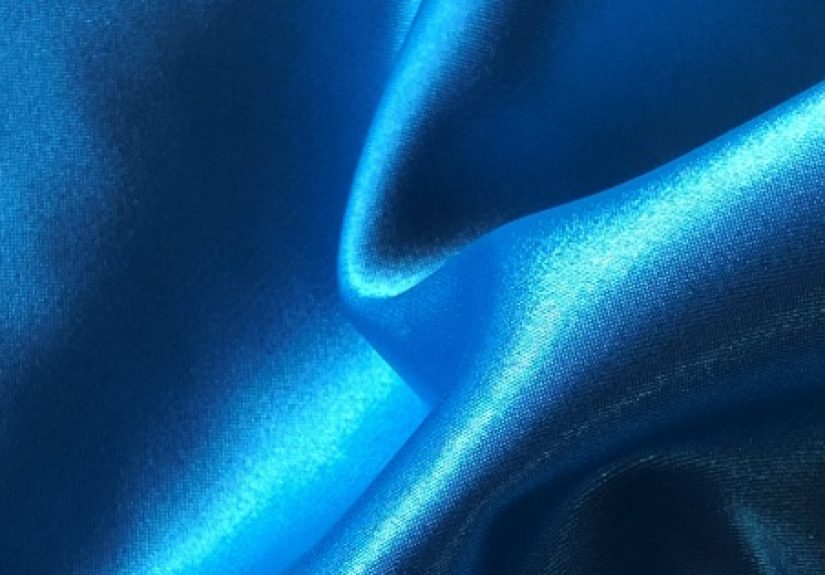
Pic 02 Satin Highlight River. One bright line shows how satin “floats” light across the surface.
Alt text idea: Shiny satin fabric with a flowing fold and a bright reflective highlight.
Pic 03 Denim Twill Diagonals. The diagonal ribs are basically a built-in leading line.
Alt text idea: Macro photo of blue denim twill weave with diagonal texture lines.
Pic 04 Lace as Architecture. Backlight makes the pattern read like a cathedral window.
Alt text idea: Backlit white lace with floral motifs and crisp negative space.
Pic 05 Fringe Drama. Threads that misbehave on purpose (the best kind of chaos).
Alt text idea: Fabric fringe detail with loose threads and textured edge.
Pic 06 Pleat Geometry. Pleats look like origami when you hit them with directional light.
Alt text idea: Repeating pleats in a textile forming sharp triangular folds.
Pic 07 Waffle Weave Craters. A grid texture that begs to be photographed from an angle.
Alt text idea: Waffle weave cotton with square pockets and soft shadows.
Pic 08 Sheer Layering. Two translucent layers create depth without bulk.
Alt text idea: Layered sheer fabric with overlapping folds and subtle translucency.
Pic 09 Embroidery Ridge Lines. Raised stitches catch light like tiny topographic maps.
Alt text idea: Close-up of embroidered fabric with raised threadwork texture.
Pic 10 Velvet Nap Shift. Tilt it and the color “changes,” like it’s flirting.
Alt text idea: Velvet fabric showing darker and lighter areas from directional pile.
Pic 11 Crochet Lace Loops. The texture reads best with gentle side light.
Alt text idea: Crocheted lace detail with looped stitches and openwork pattern.
Pic 12 Jacquard Storytelling. Woven imagery that rewards a slow zoom-in.
Alt text idea: Jacquard woven fabric with intricate pattern and visible thread structure.
Pic 13 Lace Edge Scallops. The border is where lace shows off.
Alt text idea: Scalloped lace edge with floral motifs and fine thread detail.
Pic 14 Bias Draping Swoop. Cut on the bias and fabric suddenly learns to dance.
Alt text idea: Draped fabric showing diagonal grain and smooth flowing fold.
Pic 15 Raw Selvedge Calm. A clean edge is oddly satisfying (like aligning icons).
Alt text idea: Selvedge edge of woven fabric with tight weave and neat finish.
Pic 16 Tulle Galaxy. Tiny dots or sparkles look like stars when softly backlit.
Alt text idea: Close-up of tulle with small dots and translucent layered texture.
Pic 17 Cable Knit Hills. Knit texture begs for side light and a warm mood.
Alt text idea: Cable knit fabric with raised braided stitches and soft shadows.
Pic 18 Organza Crispness. Stiffer sheers make folds that look like glass.
Alt text idea: Organza fabric with sharp translucent folds and reflective highlights.
Pic 19 Lace Shadow Print. Let lace cast a shadow on another textile for a two-layer pattern.
Alt text idea: Lace overlay casting patterned shadow on plain fabric background.
Pic 20 Wool Fuzz Atmosphere. The fibers soften edges like built-in diffusion.
Alt text idea: Macro of wool fabric showing fuzzy fibers and dense weave.
Pic 21 Metallic Thread Spark. Tiny glints need careful exposure so they don’t blow out.
Alt text idea: Woven fabric with metallic threads catching light in small highlights.
Pic 22 Shibori Ripple Memory. Resist-dyed textures look like they remember being tied.
Alt text idea: Textured dyed fabric with ripples and resist-dye pattern details.
Pic 23 Lace + Skin Tone Contrast. Gentle contrast makes the pattern read clearly and softly.
Alt text idea: Lace fabric against a warm-toned background showing delicate pattern.
Pic 24 Basket Weave Boldness. Larger repeats reduce moiré risk and look graphic.
Alt text idea: Basket weave textile with thick threads and bold woven grid pattern.
Pic 25 Button + Stitch Detail. Add one small “anchor” element to show craftsmanship.
Alt text idea: Close-up of fabric seam with stitching and a button detail.
Pic 26 Lace on Dark Ground. Dark backgrounds make pale lace glow and sharpen edges.
Alt text idea: White lace pattern photographed on a dark background for strong contrast.
Pic 27 Folded Stack “Topography.” Layer fabric like pages to show thickness and edge detail.
Alt text idea: Stacked folded fabrics showing layered edges and varied textures.
Pic 28 The Quiet Hero Shot. A simple weave, honest light, no tricksjust beauty.
Alt text idea: Evenly lit woven fabric close-up showing warp and weft thread structure.
Quick publishing note: If you’re building a real gallery page, consider adding image dimensions, compressing files, and writing unique alt text for each photo. Search engines (and readers) love clarity.
Care and Ethics: Photographing Textiles Without Hurting Them
If you’re photographing vintage, heirloom, or museum-grade textiles, treat them like they’re allergic to chaos. Light damage is cumulative and can be irreversibleespecially for dyed or fragile fibersso keep exposure low, avoid unnecessary UV, and limit time under bright lamps. If you’re shooting a borrowed or archival piece, prioritize the textile’s long-term health over your short-term “wow” shot.
- Use gentle handling: clean hands (or gloves when appropriate) and solid support under the fabric.
- Limit intense light: use the lowest brightness that still gives you clean detail; avoid prolonged exposure.
- Skip adhesives and aggressive clips: use padded supports and non-damaging styling methods.
The irony is that careful, lower-intensity lighting often looks better anyway: it gives you control, reduces glare, and keeps delicate lace from turning into a crispy white blob of overexposure.
Experience Section (Extra ): What It Feels Like to Chase Textile Beauty
If you spend an afternoon photographing textiles on purpose (not just accidentally because your sweater looked “cool” near a window), you’ll notice something funny: fabric trains your eye faster than many subjects do. At first, everything looks like… fabric. You point the camera, take the shot, and wonder why it feels flat. Then you nudge the light a few inches to the side and suddenly the weave stands up like it has a spine. That moment is the gateway. You start seeing the textile not as a surface, but as terrain.
One of the most common experiences photographers describe is how slow textile work can bein a good way. You can’t “pose” lace the way you pose a person, but you can coax it. You lift one edge with a rolled sock (glamorous!), pin a corner just out of frame, and let the fabric decide what kind of story it wants to tell. Crisp cotton tends to behave like it’s proud of its résumé: sharp corners, clean shadows. Silk is the opposite: it acts like it’s late for something and refuses to fold the same way twice. That unpredictability becomes part of the funyour job is to be ready when the “right” fold appears, like spotting a rare bird except the bird is a scarf.
Lace is its own emotional journey. It can look stunning in person and stubborn on camera. The pattern either disappears into the background or becomes so contrasty it looks like a sticker. The “aha” moment usually comes when you stop fighting it and let light do the work: a gentle backlight to outline the openwork, or a soft side light to reveal thickness. Once you get it right, lace photographs can feel almost three-dimensionallike the negative space is part of the design, not empty nothingness. It’s oddly satisfying, like perfectly loading a dishwasher on the first try.
Woven fabrics teach patience in a different way. Get close enough and you’ll notice repeating patterns that your sensor might interpret creatively, especially with tight weaves. You might take a photo and see moiré waves that were never on the cloth. The first time this happens, it feels like the fabric is gaslighting you. But it’s also a useful lesson: textiles are precision objects, and cameras are sampling machines. When you adjust distance or angle and the moiré disappears, you realize you’re not just documenting fabricyou’re negotiating between two kinds of structure: the weave and the pixel grid.
The best part of photographing folds, lace, and woven fabrics is that it changes how you live with textiles afterward. You notice hems, selvedges, and stitch tension. You appreciate the quiet engineering in a plain weave and the bold confidence in a twill diagonal. You start folding blankets like you’re styling a magazine shoot (and then you remember you’re hungry and abandon everything). But even then, the fabric is still therewaiting to become a landscape again the next time the light hits it just right.
Conclusion
Textile photography is really an exercise in attention: how light grazes threads, how folds carve shadows, and how lace turns emptiness into design. Whether you’re photographing a family heirloom, building a product gallery, or simply celebrating the artistry of woven fabrics, the goal is the same: make viewers feel like they can reach through the screen and touch the texture.