Table of Contents >> Show >> Hide
- What an ileostomy is (and why people get one)
- Preparation: what happens before ileostomy surgery
- The day of surgery: what to expect in the hospital
- Recovery timeline: from hospital to “I can do this”
- What can go wrong (and when to call for help)
- Daily life with an ileostomy: the stuff people actually worry about
- Medication and absorption: a small but important detail
- How long does recovery take?
- of real-world experiences (the “nobody told me this” section)
- Conclusion
Quick heads-up: An ileostomy can be life-saving, life-improving, andyeslife-different. This guide walks you through what usually happens before surgery, during recovery, and as you settle into your new routine. It’s educational, not medical advice, so always follow your surgical team’s instructions (they’ve seen your specific situation; this article has not).
What an ileostomy is (and why people get one)
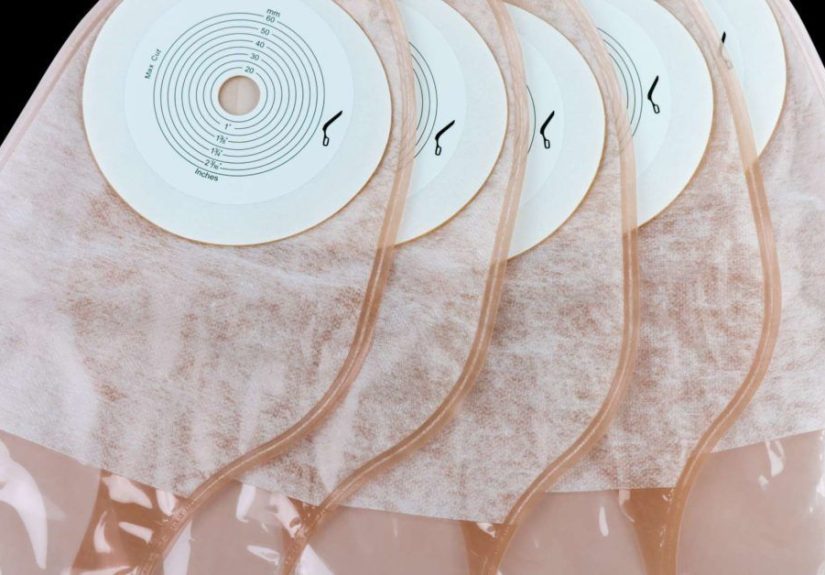
An ileostomy is a surgically created opening (a stoma) that brings the end (or a loop) of the small intestine (the ileum) out through the abdominal wall. Stool leaves the body through the stoma into an external pouching system (often casually called an “ostomy bag,” even though it’s more like a high-tech wearable container).
People may need an ileostomy when the colon and/or rectum can’t safely move stool through the usual routebecause of conditions like inflammatory bowel disease (Crohn’s disease or ulcerative colitis), colorectal cancer, severe diverticulitis complications, traumatic injury, bowel obstruction, or other problems that require part of the bowel to heal or be removed.
Temporary vs. permanent ileostomy
Temporary ileostomy is created to protect a surgical connection (an anastomosis) or allow the bowel to rest. Once healing is solid, another surgery may reverse it and restore the usual pathway. Permanent ileostomy is used when the colon/rectum/anus is removed or can’t function safely long-term.
Common ileostomy types (in plain English)
- End ileostomy: The end of the small intestine forms the stoma. This is common after removing the colon (and sometimes rectum).
- Loop ileostomy: A loop of small intestine is brought out, usually creating two openings in one stoma (one for stool, one that may pass mucus from the downstream bowel). This is often temporary.
- Continent options: Some people are candidates for internal pouch procedures (like an ileal pouch-anal anastomosis or continent ileostomy). These are specialized and not for everyone.
Preparation: what happens before ileostomy surgery
1) Pre-op planning (the underrated superpower)
If your surgery is planned (not an emergency), you’ll typically meet several members of your care team. Expect a mix of:
- Medical evaluation (history, physical exam, and labs).
- Medication review (blood thinners, diabetes meds, supplements, etc.).
- Nutrition guidance (especially if you’ve had weight loss, anemia, or active inflammation).
- Education on stoma care and pouching systems.
2) Stoma site marking (yes, placement matters a lot)
Stoma placement isn’t random. A specialized ostomy nurse often checks your abdomen while you’re standing, sitting, bending, and lying down. The goal is a spot that’s easy to see and reach, avoids scars and skin folds, and doesn’t sit right under your waistband. This one step can dramatically reduce leaks, skin issues, and daily frustration later.
Real-world example: If the stoma lands under a beltline or in a crease, a pouch seal may lift more easilyespecially when you move. Marking helps prevent that “why does my body hate adhesives?” phase.
3) Bowel prep and fasting (follow your team’s exact instructions)
Depending on your surgery type and your health, you may be asked to do a bowel prep, follow a specific diet for a day or two, take antibiotics, and/or stop eating and drinking at a certain time before surgery. Some people have minimal prep; others have a more structured regimen. The right answer is: whatever your surgeon told you.
4) Home prep: make “Week 1 You” proud of “Today You”
Before surgery, set up your home so early recovery is easier:
- Create a “care station” in the bathroom or bedroom: clean surface, trash bag, wipes, measuring guide, mirror, and supplies.
- Stock easy foods you tolerate well: broths, refined grains, smooth nut butters (if approved), yogurt, eggs, canned fruit, and other low-fiber options.
- Plan clothing that won’t rub your abdomen (soft waistbands, high-waisted options, or adjustable fits).
- Set up hydration support: keep electrolyte options on hand if your team recommends them.
The day of surgery: what to expect in the hospital
Surgery is done under general anesthesia. The approach may be laparoscopic (small incisions) or open (larger incision), depending on your condition and surgical plan. When you wake up, you’ll likely have:
- An incision dressing (and sometimes drains).
- IV fluids, possibly a catheter temporarily.
- A clear pouch over your new stoma.
- Pain control plan (medications, sometimes regional anesthesia techniques).
What your stoma looks like at first (don’t panic)
Immediately after surgery, a stoma is often swollen and may look larger than you expected. It’s typically moist and pink-to-red (because it’s intestinal tissue). Swelling usually decreases over weeks, which is why pouch sizing often changes early on.
Recovery timeline: from hospital to “I can do this”
Phase 1: The first few days (hospital recovery)
The hospital goals are simple, even if they feel like a lot:
- Get your gut moving again: You’ll progress from clear liquids to a soft diet as tolerated.
- Manage pain well enough to move: Walking helps reduce complications and wakes up the bowels.
- Start stoma education: You’ll practice emptying and changing the pouch with guidance.
- Monitor output and hydration: Early ileostomy output can be more liquid and more frequent.
Tip: Empty the pouch when it’s about one-third to half full. Overfilling increases weight, tugging, and leakage risk.
Phase 2: Weeks 1–6 (home recovery and skill-building)
This phase is where routines are born. Your intestines are healing, your stoma is changing size, and your body is adapting to fluid and electrolyte shifts. Expect some trial and errorannoying, but normal.
Diet in the first 4–6 weeks: “low-fiber, low-drama”
Many teams recommend a low-fiber / low-residue diet at first to reduce the risk of blockage while the stoma is swollen. Common guidance includes:
- Choose soft, cooked foods and chew thoroughly (think “applesauce consistency”).
- Eat smaller meals more often instead of huge meals.
- Introduce higher-fiber foods slowlyone new food at a time.
Foods often treated as “test carefully” early on: raw leafy greens, corn, mushrooms, nuts/seeds, dried fruit, coconut, beans/lentils, and chewy vegetable fibers (like celery). That doesn’t mean “never again.” It usually means “not during the swollen-stoma era.”
Hydration and electrolytes: the biggest ileostomy learning curve
With an ileostomy, the colon isn’t absorbing water and salts the way it used to. That can increase the risk of dehydration and electrolyte imbalanceespecially early on or if output is high.
Practical hydration habits that help:
- Sip steadily across the day instead of chugging large amounts at once.
- Watch urine: darker urine, low volume, dizziness, and fatigue can signal dehydration.
- Don’t fear salt (if your clinician says it’s okay): some people need more sodium than before.
- Be extra careful during hot weather, exercise, vomiting, or diarrhea.
High-output ileostomy: Many teams consider output over roughly 1.5 liters (about 6 cups) in 24 hours to be “high,” and it can raise dehydration risk. If output spikes or stays very watery, contact your surgical team promptly.
Stoma care basics: emptying, changing, and protecting skin
Stoma care looks complicated until it suddenly doesn’t. The key is preventing leaks and protecting peristomal skin (the skin around the stoma).
Emptying the pouch
- Empty when one-third to half full.
- Wipe the tail end clean to reduce odor and help closure stick well.
- If output is very liquid, empty more oftenweight and sloshing are not your friends.
Changing the pouching system
- Gently remove the barrier; avoid ripping it off like a bandage in an action movie.
- Clean skin with warm water (many people do best with minimal products).
- Pat dry completelyadhesives love dry skin.
- Measure the stoma while it’s changing size; cut the opening for a close fit without squeezing the stoma.
- Check for leakage signs (itching, burning, visible seepage under the barrier).
Skin protection rule: If stool sits on skin, skin gets angry. Fast. A good seal prevents most problems.
Phase 3: After 6 weeks (expanding your diet and your confidence)
Many people gradually return to a more normal pattern of eating after the early healing period. You’ll learn which foods thicken output, which increase gas, and which are totally fine as long as you chew like you’re auditioning for a “most responsible digestion” award.
Common patterns people notice:
- Some foods may thicken output (often refined starches and certain fruits).
- Some foods may loosen output (greasy meals, very sugary foods, or triggers unique to you).
- Gas can increase with certain foodsand with swallowing air (straws, gum, eating fast).
What can go wrong (and when to call for help)
Most people adapt well, but complications do happen. Contact your clinician urgently or seek emergency care based on the severity of symptoms and your discharge instructions.
Dehydration (the #1 “take it seriously” issue)
Signs can include intense thirst, dizziness, fatigue, dark urine, low urine output, rapid heartbeat, cramps, or feeling faint. If you can’t keep fluids down, output is very high, or symptoms are significant, get medical help quickly.
Blockage (obstruction)
A blockage may happen when undigested food or swelling narrows the passage. Warning signs can include crampy abdominal pain, bloating, nausea/vomiting, swelling of the stoma, very thin watery output, or little/no output for several hours (especially if you feel unwell). This can be urgentcall your team right away.
Skin irritation and leakage
Burning, itching, weeping skin, or frequent leaks often means the barrier fit isn’t right, the skin is irritated, or the pouching system needs adjustment. An ostomy nurse can be a game-changer heretiny tweaks can make a dramatic difference.
Other issues
- Retraction: stoma sits below skin level, increasing leak risk.
- Prolapse: stoma protrudes more than usual.
- Parastomal hernia: bulge near the stoma due to weakness in the abdominal wall.
- Infection or wound issues: fever, worsening redness, pus, or increasing pain.
Daily life with an ileostomy: the stuff people actually worry about
Clothing
You can wear what you likemost people do. Early on, you may prefer softer waistbands or higher rises. Some choose support garments for comfort, especially during activity.
Showering and swimming
Many people shower with the pouch on or off (depending on preference and your care plan). Swimming is usually possible after healingalways confirm timing with your surgeon. Water doesn’t harm the stoma; the main question is comfort, seal reliability, and incision healing.
Work, travel, and “what if I’m not near a bathroom?”
Planning reduces stress:
- Carry a small kit (extra pouch/barrier, disposal bags, wipes, and a change of underwearbecause confidence is priceless).
- Empty before long meetings or flights.
- Pack supplies in carry-on luggage when flying.
- Keep hydration options accessible.
Exercise and lifting
Walking is usually encouraged early. Heavy lifting is often limited for weeks after surgery to protect healing tissue and reduce hernia risk. Over time, many people return to running, yoga, weight training, and morejust ramp up gradually and follow your surgeon’s restrictions.
Sex, intimacy, and body image
It’s normal to have emotional whiplash after ostomy surgery. Confidence tends to return as your skill and comfort grow. Honest communication with partners helps. If anxiety or depression feels heavy or persistent, talk to your care teamsupport is part of recovery, not an optional add-on.
Medication and absorption: a small but important detail
With an ileostomy, some medications may move through faster, and certain formulations may not absorb as well (especially extended-release or enteric-coated products). Always check with your pharmacist or clinician if you notice pills in your output or if your medication seems less effective.
How long does recovery take?
Initial healing is often measured in weeks, but real confidence is built over months. Early recovery focuses on incision healing, hydration, and pouching skills. Longer-term recovery includes rebuilding strength, dialing in diet, and getting back to normal lifeyour normal, not anyone else’s.
of real-world experiences (the “nobody told me this” section)
People living with an ileostomy often say the hardest part wasn’t the pouch itselfit was the learning curve. The first couple of weeks can feel like you’re starring in a reality show called “So You Think You Can Adhesive?” Your stoma changes size, output changes consistency, and your skin may be figuring out how it feels about being part of a new system. This is why many patients keep notes: what they ate, how output looked, what time they changed the pouch, and whether a certain barrier worked better. It can feel nerdyuntil it saves you from the 2 a.m. “why is this leaking?” mystery.
A common early win is realizing that “more water” isn’t always the whole hydration answer. Many people report that they felt weak or dizzy even though they were drinking constantlybecause the body also needs electrolytes to hang onto fluids. Once hydration becomes a planned routine (steady sipping, using the right rehydration strategies recommended by the care team, and watching urine color/volume), the day-to-day tends to stabilize.
Food experiences are also famously individual. Some people reintroduce salads later with no problem; others keep raw greens in the “test in small amounts, chew like a champion” category. People often describe a handful of “confidence foods” they rely on when they need predictable outputespecially before travel or big events. And yes, chewing becomes a personality trait for a while. You may catch yourself coaching friends through dinner like, “That’s greatnow chew it 40 more times.”
Then there’s the soundtrack: stomas can make little noises, especially early on. Many folks learn to laugh it offcalling it a “digestive notification system” or pretending it’s their stomach complaining. Humor doesn’t minimize the adjustment; it just makes the awkward moments less powerful.
Emotionally, people often describe a shift from fear to competence. Early days can bring grief, anger, or embarrassment. But as skills improve, many report a surprising sense of freedomespecially if symptoms before surgery were severe (pain, urgency, bleeding, endless bathroom trips). Support helps a lot: ostomy nurses for the technical stuff, and peer communities for the “is this normal?” questions that hit at odd hours. Over time, the ileostomy becomes less of a headline and more of a footnote: a daily routine that supports the bigger goalgetting your life back.
Conclusion
An ileostomy is a major change, but it’s also a highly manageable one with the right education, supplies, and support. Focus early on stoma care technique, skin protection, and hydration. Take diet changes slowly, watch for dehydration and blockage signs, and lean on your ostomy nursebecause “figuring it out” does not have to mean “figuring it out alone.”