Table of Contents >> Show >> Hide
- What “buy again” really means in a designer’s world
- 1. Lighting that flatters everything (and everyone)
- 2. Textiles that make a room feel finished
- 3. Seating you can actually live on
- 4. Storage that doesn’t look like storage
- 5. The “bones”: paint, hardware, and the right finish
- 6. Art, vintage, and objects with a story
- 7. Daily-life upgrades designers don’t regret
- How to shop like a designer: a simple repeat-buy checklist
- : Real-Life “Repeat Buy” Moments Designers Talk About
- Conclusion
If you’ve ever wondered what interior designers actually spend their own money on (when no client is watching, no mood board is judging, and no one is asking for “just one more throw pillow”), this is that peek behind the curtain. The short version: they rebuy the unsexy stuff that makes life easier, plus a few joyful upgrades that make a home feel like homenot a showroom that whispers, “Please don’t sit.”
Below are the repeat-buy items designers keep choosing for themselvesbecause they’re reliable, versatile, and quietly do the heavy lifting. Think: lighting that makes everyone look well-rested, textiles that survive real life, storage that doesn’t scream “I gave up,” and a few splurges that earn their keep every single day.
What “buy again” really means in a designer’s world
Designers don’t rebuy things just because they’re trendy. They rebuy what passes the “forever test”: it looks good in more than one style, it works hard, it’s easy to maintain, and it still feels like a win six months later. It’s also about cost per use. A “boring” purchase you touch daily (a rug pad, a dimmer, a set of crisp sheets) can deliver more happiness than a flashy object you dust twice a year and resent every time it falls off the shelf.
So if your goal is a home that feels elevated without feeling precious, start where designers start: the pieces that improve daily life and make everything around them look better.
1. Lighting that flatters everything (and everyone)
If designers had a group chat, the pinned message would be: “Stop using the big light.” Lighting is the fastest way to make a home feel warm, expensive, and intentionalwithout moving a single wall.
Soft, diffused overhead lighting
Designers love fixtures that spread light gentlyespecially paper, linen, or fabric shades. A lantern-style pendant or a simple, airy shade can make a bedroom feel calmer and a dining area feel more inviting. The magic isn’t complicated: diffuse the bulb, soften the shadows, and suddenly your space looks like it knows what it’s doing.
Dimmers (the smallest “renovation” with the biggest payoff)
Dimmers are a repeat purchase because they let one room live multiple lives: bright for cleaning, medium for working, low for winding down. They also rescue rentals and older homes where overhead lighting can feel harsh. If you want an upgrade that makes guests say, “Your place feels so cozy,” this is the one.
Plug-in sconces and picture lights
Designers also rebuy plug-in sconces, library lights, and picture lights because they create “layers” without electrical drama. A pair of sconces flanking a bed or sofa adds a tailored look. A picture light instantly elevates artwork (even if the art is a print you bought because it matched your vibe and your budgetno judgment).
2. Textiles that make a room feel finished
Textiles are where comfort meets style. Designers rebuy textiles that hold up, feel good, and make a room look completeeven when life is messy and the dog has opinions.
Wool rugs (and the unglamorous rug pad)
A great rug is the designer equivalent of a good haircut: it makes everything else look more put-together. Wool rugs stay popular among pros because they’re resilient, they age well, and they bring warmth and texture without trying too hard. And yes, designers keep rebuying rug pads, toobecause a rug that slides around is basically a home’s version of a banana peel.
- Pro tip: Size up whenever you can. A too-small rug makes a room feel like it’s wearing pants that don’t fit.
- Another pro tip: Choose a pattern or texture that forgives lifesubtle variation hides crumbs, paw prints, and the occasional “I swear I cleaned yesterday.”
Hotel-feeling bedding you can actually wash
Designers rebuy bedding that feels crisp or breathableoften cotton percale for that cool, fresh feel, or linen for lived-in softness that gets better over time. They also keep extra throws and blankets on hand because comfort is a hosting superpower. A cozy throw is the home version of offering someone a snack: it’s not required, but it makes you instantly lovable.
Window treatments with real presence
Designers frequently rebuy solid drapery hardware and simple curtains because windows are visual real estate. Curtains soften hard lines, improve acoustics, and make rooms feel taller when hung higher. Even in a minimalist home, good curtain rods and full panels can make the whole place look more intentional.
3. Seating you can actually live on
In designer homes, the best furniture isn’t the most delicateit’s the most dependable. The repeat-buys here aren’t always the fanciest, but they tend to be the pieces that survive movie nights, family visits, and the occasional “Let’s all sit in the living room even though we have chairs literally everywhere.”
A well-made sofa with a sensible silhouette
Designers rebuy sofas that are comfortable first and pretty second (ideally both). They look for frames that feel sturdy, cushions that can be replaced, and upholstery that won’t panic at the sight of a snack. The shape matters, too: timeless silhouettes age better than overly trendy profiles, and they’re easier to restyle with pillows and throws over time.
Dining chairs that pass the “two-hour test”
Dining chairs aren’t just for eating; they’re for talking, working, playing games, and lingering long after dessert. Designers tend to rebuy chairs that feel supportiveoften with a bit of curve, upholstery, or a seat you don’t regret.
Ottomans and benches: the multitask heroes
An ottoman can be a footrest, extra seat, coffee table (with a tray), or a cozy landing spot for a book you’re absolutely going to finish. Benches do similar work in bedrooms, entryways, and at the foot of the bed. Designers love pieces that earn their footprint.
4. Storage that doesn’t look like storage
Designers aren’t magically tidythey just have systems that make tidiness easier. Their favorite storage buys tend to be attractive enough to leave out, which is the entire point: if it’s pretty, you’ll use it.
Woven baskets, trays, and lidded boxes
Baskets are designer-famous for a reason: they corral clutter instantly. One basket can swallow throws, toys, cords, or “I’ll put this away later” items and still look intentional. Trays do the same job on coffee tables and counterssuddenly your everyday stuff looks curated instead of abandoned.
Hooks and rails (because the floor is not a shelf)
Wall hooks in entryways, bathrooms, and closets get rebought constantly because they solve real-life problems: towels, bags, hats, dog leashes, tomorrow’s outfit. Designers love organization that doesn’t require motivationjust a place to hang the thing.
Under-sink organizers and hidden helpers
Designers also swear by under-sink shelves and simple organizers. No one is coming over to admire your cleaning supplies. But you will admire your own sanity when you can find them without doing a dramatic, slow-motion cabinet avalanche.
5. The “bones”: paint, hardware, and the right finish
Some purchases aren’t glamorous, but they change the whole mood. Paint and hardware are repeat buys because they’re relatively affordable compared to furnitureand they have an outsized visual impact.
Paint in a trusted neutral (and one brave color somewhere)
Designers tend to keep a short list of go-to neutralswarm whites, soft creams, balanced greigesbecause they’re adaptable under different light. Many also choose one room (a powder bath, office, or bedroom) for a bolder color that adds personality. The key isn’t chasing the “perfect” shade; it’s testing samples and seeing how the color behaves morning, noon, and night.
Cabinet pulls, knobs, and switches that feel substantial
Hardware is where your hands meet your house. Designers rebuy hardware that feels good to touch and looks intentionalespecially in kitchens and baths. Swapping basic pulls for something with weight and shape is a small change that makes a room feel upgraded fast.
Mirrors that double light
A great mirror is both decor and strategy. It bounces light, opens tight spaces, and adds depth. Designers often buy mirrors again and again because they solve awkward blank walls, brighten dim corners, and make a home feel more expansive without adding clutter.
6. Art, vintage, and objects with a story
This is where designer homes start to feel personal. Designers don’t just buy decor; they collect pieces that carry meaning, texture, and time.
One big piece of art beats five tiny “filler” pieces
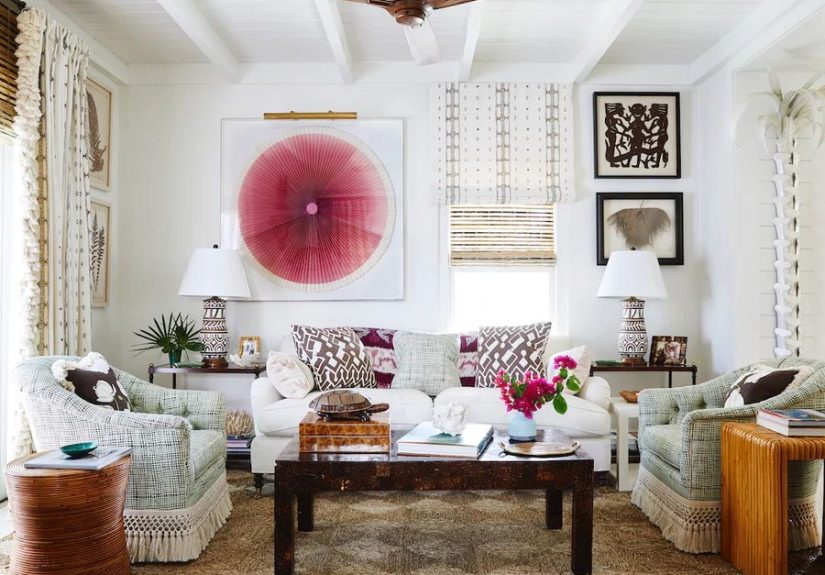
Designers frequently recommend going bigger with art when possible. A large piece anchors a room and reduces visual noise. It can be an original, a print you love, or even a framed textilewhat matters is scale and intention. If you want your home to feel less “catalog” and more “you,” this is a powerful move.
Secondhand finds: the character builders
Designers love flea markets, estate sales, and vintage shops for items that add instant depth: glassware, quilts, benches, ceramics, lighting, and frames. Vintage pieces bring patina and uniquenessplus, they usually don’t show every fingerprint like a glossy, brand-new surface. That’s not just romantic; it’s practical.
Coffee table books that aren’t just for show
Design books, photography collections, and cookbooks show up in designer homes because they’re both beautiful and useful. Stack a few on a table, and you get height, color, and personality. Bonus: guests will flip through them, which is the best kind of “entertainment” because you don’t have to do anything.
7. Daily-life upgrades designers don’t regret
Some repeat buys are about mood and routinethe things that make everyday life feel better, not just look better.
One signature scent (candles, diffusers, or room spray)
Designers often keep a favorite candle or home scent on repeat because smell sets the tone instantly. The goal isn’t to make your home smell like a department storemore like a calm, welcoming place you’d want to come back to.
Appliances that earn their keep
When designers splurge on appliances, it’s usually because the appliance does something consistently well: cooks evenly, cleans thoroughly, lasts longer, or removes daily friction. Whether it’s a reliable range, a great washer/dryer setup, or a small countertop workhorse, the repeat-buy principle stays the same: performance matters more than bells and whistles.
Real plants (and selective faux, when reality demands it)
Many designers prefer real plants for life and texture, but they’re also realistic about dark corners, travel schedules, and pets who treat greenery like salad. The “buy again” version is choosing what thrives in your actual conditionsand not taking it personally when a fern decides you’re not compatible.
How to shop like a designer: a simple repeat-buy checklist
- Prioritize touch points: Lighting, bedding, rugs, and hardware affect daily life more than novelty decor.
- Choose versatility: Neutral foundations, classic silhouettes, and natural materials mix well across styles.
- Measure twice: Keep room measurements on your phone so impulse buys become informed buys.
- Buy fewer, better: One great rug beats three “temporary” rugs you replace every year.
- Think maintenance: Washable textiles, forgiving finishes, and sturdy materials age gracefully.
- Add joy on purpose: A playful item is worth it if it makes you smile every time you see it.
: Real-Life “Repeat Buy” Moments Designers Talk About
1) The lighting fix that saves every gathering. Designers love telling the story of the first dinner party after installing layered lighting: a soft pendant over the table, a lamp in the corner, and everything on dimmers. Suddenly the room feels like a restaurant you’d gladly overpay forexcept you’re eating in socks, and the music is exactly your taste. The best part? People linger. They talk longer. They look better in photos. It’s not magic; it’s warm light and fewer shadows. Once you experience that shift, you start noticing harsh lighting everywhere elseand you’ll never go back.
2) The rug that quietly becomes the room’s MVP. A designer might fall in love with a rug for its pattern, but they rebuy rugs because of how they behave during real life: spilled coffee, muddy shoes, kids building pillow forts, pets doing that joyful sprint that sounds like a tiny stampede. The repeat-buy lesson is always the same: a rug with texture and variation hides wear better, and a good pad keeps it from creeping, wrinkling, or turning your living room into a surprise skating rink. Once you’ve lived with a rug that stays put and feels plush underfoot, it’s hard to accept anything less.
3) Guest bedding that makes you a legend. Designers often talk about the moment a guest says, “I slept so well,” like it’s a five-star review. The secret isn’t complicated: breathable sheets, an extra blanket within reach, and a bedside lamp that doesn’t require a treasure map to operate. Add a throw at the foot of the bed, and the room instantly looks styledeven if you made it five minutes before they arrived. This is why designers keep rebuying quality bedding and throws: it creates comfort fast, looks polished effortlessly, and turns “You can crash here” into “I never want to leave.”
4) The basket strategy that prevents the nightly cleanup spiral. There’s a very specific kind of tired that hits at the end of the day: you want the room tidy, but you also want to be horizontal. Designers solve this with a few “drop zones”baskets by the sofa, trays on the coffee table, lidded boxes where clutter likes to gather. It’s not about perfection; it’s about having a graceful place to put the stuff that appears daily (remotes, chargers, mail, hair ties that teleport). Designers rebuy baskets because they make cleanup a two-minute reset instead of a 20-minute project.
5) The “joy object” that keeps a home from feeling too serious. Not every repeat buy is practical. Designers will admit they love one playful thing that shifts the moodmaybe a quirky sculpture, a vintage vase, or yes, even a disco ball that turns a regular Tuesday into a tiny celebration when the light hits it just right. These items matter because homes aren’t only for functioning; they’re for living. A joyful object becomes a signature, a conversation starter, and a reminder that good design isn’t about being impressiveit’s about being delighted in your own space.
Conclusion
The items designers buy again and again aren’t always flashy, but they’re consistently meaningful: lighting that softens a room, textiles that make life comfortable, storage that keeps clutter from winning, and a few personality pieces that make you grin. If you’re building a home that lastsemotionally and practicallystart with the repeat-buys. They’re the quiet upgrades that make your space feel more you, more welcoming, and much easier to love every day.