Table of Contents >> Show >> Hide
- What “Intermittent Fasting + Protein Pacing” Actually Means
- Why This Combo Can Beat Plain Calorie Cutting
- What the Research Found (Numbers, Not Vibes)
- But WaitIsn’t Fasting the Main Thing?
- How to Try IF + Protein Pacing Without Turning Your Life Into a Spreadsheet
- A Sample Day: 16:8 With Protein Pacing (Practical, Not Perfect)
- Common Mistakes (And How to Fix Them)
- Who Should Skip Intermittent Fasting (Or Get Medical OK First)
- FAQ: Quick Answers People Actually Want
- Conclusion: A Smarter Pairing (When Done Safely)
- Real-World Experiences: What People Notice When They Combine IF + Protein Pacing
If you’ve ever tried to lose weight by “just eating less,” you already know the plot twist: your body reads that plan and replies, “Cool story. I’m going to make you hungry at 9:47 p.m.”
That’s why a newer combo is getting attention: intermittent fasting paired with protein pacing. Think of it as a two-part strategytiming your eating so you’re not grazing all day, and building meals around steady protein so your hunger doesn’t turn into a late-night snack heist.
Does it actually work better than standard calorie restriction? The short version: in some controlled studies, yespeople lost more weight and more visceral (deep belly) fat. The longer version (the one you want before you rearrange your whole life): it depends on who you are, how you do it, and whether you can make it sustainable.
What “Intermittent Fasting + Protein Pacing” Actually Means
Intermittent fasting (IF): it’s about when you eat
Intermittent fasting is an umbrella term for eating patterns that cycle between eating windows and fasting windows. Common versions include:
- Time-restricted eating (TRE): eating within a daily window (like 8–10 hours).
- 5:2 style: eating normally most days and cutting calories significantly on two days.
- Modified fasting days: “fasting” that still includes small meals or a low-calorie intake (not a total zero-calorie fast).
The appeal is simple: many people find it easier to follow rules about timing than rules about counting every calorie. But timing alone isn’t magicif total calories don’t change, weight loss may not change much either.
Protein pacing: it’s about how you distribute protein
Protein pacing means spreading protein more evenly across meals (and sometimes snacks), instead of getting a tiny amount at breakfast and a mountain of it at dinner. The practical goal many plans use is roughly 20–40 grams of protein per eating occasion (depending on body size, age, and activity), repeated across the day.
Why do this? Because protein is the “stay-full” macronutrient, and distributing it can support lean mass while dietingimportant if you want your weight loss to be more “fat loss” than “everything loss.”
Helpful mental image: Intermittent fasting sets the schedule. Protein pacing makes sure the meals inside that schedule are actually doing their job.
Why This Combo Can Beat Plain Calorie Cutting
1) Hunger control that doesn’t rely on willpower
Calorie restriction often fails because hunger grows louder over time. Protein helps because it tends to increase satiety and reduce the “I could still eat” feeling. When you pace protein across meals, you’re essentially putting guardrails around appetiteespecially helpful in a shorter eating window where you want meals to be satisfying, not snacky.
2) Better odds of protecting lean mass
When weight loss is too aggressive (or too low in protein), people can lose a meaningful amount of fat-free mass. Keeping more lean mass matters because it supports strength, function, and resting energy needs. Protein distribution is one tool that may help with this, especially when paired with resistance training.
3) Visceral fat: the “metabolically noisy” fat
Visceral fat sits deeper in the abdomen around organs and is associated with higher cardiometabolic risk than subcutaneous fat. Some research comparing IF + protein pacing to standard calorie restriction found a larger reduction in visceral fat in the IF + protein pacing group.
4) The gut microbiome angle (yes, your bacteria have opinions)
Newer research suggests that combining intermittent fasting with higher-protein pacing may shift gut microbiome patterns and metabolites in ways associated with improved metabolic outcomes. That’s excitingbut it’s also early science, and microbiome results can vary widely between individuals.
What the Research Found (Numbers, Not Vibes)
In a controlled trial comparing intermittent fasting + protein pacing versus a heart-healthy calorie-restriction pattern, both groups lost weight and improved several cardiometabolic markers. But the IF + protein pacing group tended to lose more weight and more visceral fatdespite similar weekly calories and similar physical activity energy expenditure.
- Weight loss: about 9% vs 5% in the comparison group.
- Total fat mass: larger reductions in the IF + protein pacing approach.
- Visceral fat: markedly larger reductions in the IF + protein pacing approach.
- Appetite measures: improved “desire to eat” in the IF + protein pacing group compared with the calorie-restriction group.
A related publication examining gut outcomes reported that participants following IF + protein pacing lost more body weight (about 8.8% vs 5.4%) and showed changes in gut symptoms and microbiome composition compared with calorie restriction, while average weekly energy intake and activity expenditure were similar.
Important reality check: these studies were relatively small and ran for weeks, not years. They’re helpful, not definitive. Also, these protocols can include extended modified fasting periods (36–60 hours) with low calorie intake on fasting dayssomething many people shouldn’t jump into without guidance.
But WaitIsn’t Fasting the Main Thing?
Not always. A Johns Hopkins-controlled feeding study (where calories and food quality were tightly controlled) found that changing eating timing alone didn’t automatically produce superior resultsboth groups lost about the same amount of weight when calories were matched.
So why does intermittent fasting help in “real life”? Often because it nudges people toward eating fewer calories without tracking. Pairing IF with protein pacing can make that calorie reduction more comfortable and may support better body composition outcomes.
How to Try IF + Protein Pacing Without Turning Your Life Into a Spreadsheet
Step 1: Choose a fasting style you can live with
If you’re new to fasting, start boring (boring is sustainable):
- 12:12 (12-hour fast overnight): basically “stop snacking late.”
- 14:10: often manageable for many adults.
- 16:8: common, but not required for results.
If you’re considering longer fasts or fasting days, talk with a clinicianespecially if you take medications or have a history of blood sugar issues.
Step 2: Build “protein anchors” inside your eating window
A simple pacing approach is 3 meals + 1 protein-forward snack during your eating window. Many experts and studies often reference per-meal targets around the 20–30g+ range for high-quality protein (individual needs vary).
Easy protein anchors:
- Greek yogurt + berries + chia
- Egg scramble with veggies + cottage cheese
- Chicken, tofu, or fish bowl with beans/lentils and quinoa
- Turkey chili or lentil soup with a side salad
- Edamame, jerky (watch sodium), or a protein smoothie (if it fits your digestion)
Step 3: Add strength training (even the “lazy version” counts)
If your goal is fat loss while keeping muscle, resistance training helps. This can be:
- 2–4 sessions/week of weights
- Bodyweight circuits
- Resistance bands at home
You don’t need to train like a superherojust consistently signal to your body: “This muscle is useful. Please keep it.”
Step 4: Don’t forget fiber, fluids, and fats
Protein pacing works best when meals still look like actual meals: vegetables, fruit, whole grains or beans, and healthy fats. Fiber supports fullness and gut health, and hydration matters more than people thinkespecially when eating windows get smaller.
A Sample Day: 16:8 With Protein Pacing (Practical, Not Perfect)
Eating window: 11:00 a.m. – 7:00 p.m. (example)
- 11:00 a.m. (Meal 1): Veggie omelet (2–3 eggs) + side of Greek yogurt
- 2:00 p.m. (Snack): Cottage cheese + fruit, or edamame + a piece of fruit
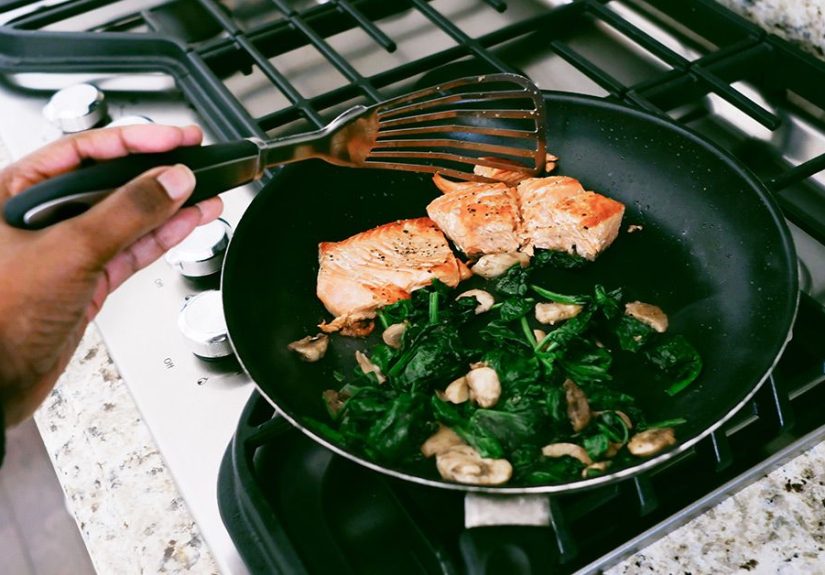
- 5:00 p.m. (Meal 2): Salmon (or tofu) + roasted vegetables + quinoa
- 6:45 p.m. (Optional mini-meal): Protein-forward option if dinner was light (ex: yogurt, milk, or a small smoothie)
If you prefer two larger meals, you can still “pace” protein by making both meals high-protein and including one snack that closes the gap. The goal is not perfectionit’s avoiding the classic pattern of “tiny protein all day, huge dinner, snack spiral.”
Common Mistakes (And How to Fix Them)
Mistake: “I fasted all day, so I earned a pizza the size of a tire.”
Fix: Break your fast with a protein-forward meal plus fiber. Big, low-protein, high-refined-carb meals can backfire by spiking hunger later.
Mistake: Too little protein because the eating window feels rushed
Fix: Use “protein anchors.” Plan the first meal and the last meal first, then fill the middle.
Mistake: Going too extreme too fast
Fix: Start with a 12–14 hour overnight fast and tighten only if it feels easy. Sustainable beats dramatic.
Mistake: Ignoring medical red flags
Fix: If you have diabetes, kidney disease, take medications that affect blood sugar, have a history of eating disorders, are pregnant/breastfeeding, or have other medical concernsget personalized guidance before fasting or dramatically changing protein intake.
Who Should Skip Intermittent Fasting (Or Get Medical OK First)
Intermittent fasting isn’t “bad,” but it’s not for everyone. Many medical sources advise avoiding or using extra caution if you are:
- Pregnant or breastfeeding
- A child or teenager (growing bodies generally need consistent nutrition; fasting for weight loss should be medically supervised)
- Managing diabetes or prone to hypoglycemia
- Living with an eating disorder history
- At risk of malnutrition
- Managing kidney disease (protein targets may need adjustment)
FAQ: Quick Answers People Actually Want
Is IF + protein pacing “better” than calorie counting?
For some people, yesbecause it’s easier to follow and may reduce hunger. But weight loss still generally requires a calorie deficit. IF can be a tool for creating it; protein pacing can be a tool for tolerating it.
Do I need extended fasts (36–60 hours)?
No. Some research protocols include longer modified fasts, but many people do well with daily time-restricted eating. Bigger isn’t always betterespecially if it makes you miserable.
How much protein do I need?
It depends on body size, age, activity, and health status. General minimum recommendations exist, but active people often aim higher. Many approaches focus on distributing protein across meals (rather than saving most for dinner), which may help satiety and muscle maintenance during weight loss.
Conclusion: A Smarter Pairing (When Done Safely)
Intermittent fasting can simplify your day by shrinking the time you eat. Protein pacing can stabilize that smaller window by making meals more filling and muscle-friendly. Together, they may improve weight loss and body composition outcomes compared with standard calorie restriction in some controlled studiesespecially for reducing visceral fat.
But the best plan is the one you can repeat without feeling like you’re wrestling your calendar and your refrigerator at the same time. Start moderate, prioritize protein and fiber, lift something heavy-ish a few times a week, and treat “consistency” as the real superpower.
Real-World Experiences: What People Notice When They Combine IF + Protein Pacing
When people try intermittent fasting with protein pacing, the first “experience report” is usually not about gut microbes or metabolic pathways. It’s about Tuesday at 3 p.m. That’s the moment someone realizes they’re either fine… or they’re staring into the fridge like it owes them money.
Week 1 often feels like a schedule adjustment. People commonly describe a short learning curve: the body expects food at certain times, and it complains when the clock changes. Hunger can come in wavesstrong for 10–20 minutes, then fading. Many people find that drinking water, herbal tea, or having a walk helps the wave pass. The key experience difference with protein pacing is that once the eating window starts, meals feel more “settling,” and there’s less urge to keep snacking because the first meal contains enough protein to actually feel like a landing pad.
Protein pacing changes the “break-the-fast” moment. A common experience with fasting alone is breaking the fast with something quick (pastry, chips, sugary coffee drink) because it’s convenient. People then report getting hungry again fastsometimes within an hourfollowed by an evening of “How did I eat four separate snacks and also dinner?” With protein pacing, the break-fast meal is built around a protein anchor (eggs, yogurt, chicken, tofu, beans). Many people describe steadier energy and fewer cravings later, not because they became a new person, but because they stopped starting the day’s eating with a hunger boomerang.
Gym performance can go either wayat first. Some people love training near the start of their eating window because they can refuel afterward with a protein-forward meal. Others prefer training mid-window so they’ve already eaten once. A very common experience is that hard workouts feel tougher during the first week or two if someone is under-eating overall or not hydrating well. Once meals are planned and protein is paced, many report better recovery and less “I’m sore forever” feelingespecially if they consistently hit protein at multiple meals rather than cramming it all at dinner.
Social life is the sneaky challenge. People often discover that the hardest part isn’t hungerit’s the calendar. Breakfast meetings, family dinners, late-night hangouts: eating windows sometimes collide with real life. The most successful “real-world” pattern tends to be flexible. Many people keep a consistent weekday window, then loosen it on weekends without turning weekends into a free-for-all. The experience-based lesson is that a plan you can adjust is usually better than a plan you can only follow in isolation like a monk with a meal-prep container.
Satiety becomes more predictable. A lot of people report a practical win: fewer “mystery cravings.” Protein pacing doesn’t eliminate cravings, but it can make them easier to interpret. Instead of “I want everything,” it becomes “I’m actually just under-fed,” or “I didn’t eat enough protein at the first meal.” That kind of pattern awareness is a big deal because it replaces guesswork with a simple adjustment: add protein earlier, add fiber, and keep meals balanced.
Some people notice digestion changes. Higher protein and different timing can affect digestionsometimes positively (less bloating from constant grazing), sometimes not (constipation if fiber and fluids drop, or discomfort if protein sources are overly processed). People who do best tend to keep protein quality high, include plants (beans, veggies, fruit), and stay hydrated. In other words: the “experience” improves when the plan looks like food, not like a supplement commercial.
The biggest takeaway people share: IF sets boundaries; protein pacing makes those boundaries comfortable. If someone feels overly tired, irritable, or obsessed with food, that’s usually not a “push through” momentit’s feedback to scale back, widen the eating window, increase meal quality, or seek professional guidance.