Table of Contents >> Show >> Hide
- Samhain in a nutshell (and an apple)
- The Samhain pantry: flavors that actually make sense
- The headline acts: fortune-telling foods
- The supporting cast: more Irish Halloween/Samhain classics
- Sweet Samhain: apples, spice, and baked comfort
- Warm drinks for cold nights
- Build a Samhain menu (without stress-sweating)
- Smart swaps: make it fit your table
- Conclusion: the real “Irish Halloween” ingredient is the season
- 500-word experience add-on: a Samhain night in your own kitchen
If you grew up thinking Halloween was invented by candy companies and people who own fog machines, Ireland would like a word.
Long before plastic skeletons started taking over front yards, the Gaelic festival of Samhain (say it like “SOW-in,” not “Sam Hain”)
marked the end of the harvest and the start of the dark half of the year. And because humans have always processed big seasonal feelings the same way
(with food), Samhain came with hearty, practical, cozy dishesplus a little mischievous fortune-telling baked right in.
This guide pulls together the most iconic Irish Halloween foods and Samhain recipes, explains why they show up on October 31,
and shows you how to make them in a modern American kitchenwithout turning your dining room into a history lecture (unless you’re into that).
Samhain in a nutshell (and an apple)
Samhain sits at the seasonal handoff: harvest is done, winter prep begins, and traditions often focus on community, protection, remembrance,
and the idea that the boundary between worlds is thinner than usual. Over centuries, parts of these customs blended with Christian observances
around All Saints’/All Hallows, and the broader Halloween story took shapeespecially after Irish immigrants brought traditions to the United States.
Food-wise, the logic is beautifully unglamorous: you cook what’s in season and what stores well. Think potatoes, cabbage/kale,
onions/scallions, apples, oats, dairy, and preserved fruit. In other words, the exact ingredients that make you feel like you could survive a long winter
and/or a scary movie marathon.
The Samhain pantry: flavors that actually make sense
Traditional Irish Halloween and Samhain cooking leans into:
- Potatoes (mashed, fried, or turned into pancakesbecause Ireland doesn’t do “choose one”)
- Greens like cabbage, kale, and leeks (cold-weather MVPs)
- Apples and nuts (also starring in seasonal games and “what does this mean for my love life?” folklore)
- Dried fruit (raisins/currants/sultanas) for baking when fresh fruit is fading
- Warm spices like cinnamon and mixed spice, plus tea and (optionally) whiskey for soaking fruit
- Butter and milk/cream, because comfort food is not here to play
The headline acts: fortune-telling foods
If you only make two things, make these. They’re iconic, seasonal, and come with built-in party tricks.
1) Barmbrack (Irish Halloween fruit bread with “charms”)
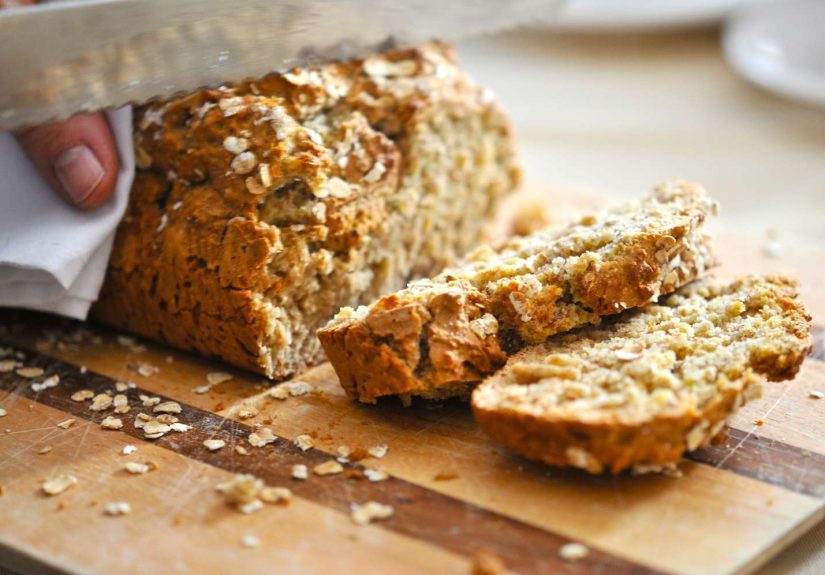
Barmbrack (also spelled bairín breac) is a lightly sweet bread or tea loaf studded with dried fruit. The Halloween twist?
Tiny items are baked inside (or added in safe, modern ways) to “predict” your year: a ring for marriage, a coin for wealth,
and other tokens depending on region and family tradition.
Modern safety note: If you’re adding charms, wrap them thoroughly (food-safe, heat-safe), sanitize them, and loudly warn everyone
that their slice contains a surprise that is not, in fact, an almond. You can also do the “no-choking-hazard” version: tuck tokens under plates
or inside folded napkins and let people reveal fortunes after eating.
Simple American-kitchen barmbrack (tea-soaked fruit loaf)
Makes: 1 loaf (8–10 slices) | Vibe: cozy, lightly spiced, perfect with butter and tea
- Dried fruit: 2 cups mixed raisins/currants/sultanas
- Hot black tea: 1 to 1 1/4 cups (optional: add a splash of whiskey)
- Flour: 2 cups all-purpose
- Brown sugar: 1/2 cup (adjust to taste)
- Baking powder: 2 tsp
- Salt: 1/2 tsp
- Spice: 1 tsp cinnamon + 1/2 tsp mixed spice/nutmeg (optional but recommended)
- Egg: 1 (or use a flax egg for a plant-based option)
- Pour hot tea over dried fruit. Let soak until plump (at least 1 hour; overnight is even better).
- Heat oven to 325°F. Grease a deep 8-inch pan or loaf pan.
- Mix flour, sugar, baking powder, salt, and spices.
- Stir in fruit (and any soaking liquid) plus egg. Mix just until combineddon’t overwork it.
- Bake until a tester comes out clean (about 60–75 minutes depending on pan). Cool before slicing.
Serve it like an Irish local: thick slice, generous butter, hot tea. If you want to get fancy, toast slices the next day.
The smell alone can make your kitchen feel like a cardigan.
2) Colcannon (mashed potatoes with greens, plus a secret ring)
Colcannon is the Irish comfort-food power couple: mashed potatoes + cooked cabbage or kale, usually with scallions,
butter, and milk/cream. It’s historically linked with Halloween night in Ireland, sometimes with a ring hidden inside for fortune-telling
(marriage predictions were apparently the original push notification).
Classic colcannon (with kale or cabbage)
Makes: 6 servings | Best for: serving alongside sausages, roast chicken, or as the main event
- Potatoes: 3 lb Yukon Gold or russet, peeled and chunked
- Greens: 3–4 cups chopped kale or shredded cabbage
- Scallions: 4, thinly sliced
- Butter: 6–8 tbsp (yes, really)
- Milk/cream: 1 to 1 1/2 cups, warmed
- Salt + pepper
- Optional: crispy bacon bits, sautéed leeks, or a little mustard powder
- Boil potatoes in salted water until very tender. Drain well and let steam-dry for a minute.
- While potatoes cook, sauté greens with a little butter until wilted and tender. (Cabbage takes longer than kale.)
- Mash potatoes with warm milk and butter until fluffy. Fold in greens and most scallions.
- Top with remaining scallions and a dramatic final knob of butter (a “butter well” is traditional for serving).
Fortune option: Skip hiding objects inside the mash (choking hazard). Instead, hide a clean ring under one bowl/plate
and let people discover their “prediction” when they sit down.
The supporting cast: more Irish Halloween/Samhain classics
Champ (colcannon’s simpler sibling)
Champ is mashed potatoes mixed with scallions (and historically, other greens like nettles in some tellings).
It’s creamy, soothing, and exactly what you want if you’re feeding people who claim they “don’t like cabbage” (we can all have our flaws).
Serve it with a pool of melted butter on top, or add a fried egg and call it dinner.
Quick method: Make buttery mash, fold in warmed scallions (or lightly sautéed), finish with pepper and a butter well.
Boxty (Irish potato pancakes with crispy edges)
Boxty is Ireland’s “why choose between mashed and fried?” solution: a potato pancake that can be made with grated potato,
mashed potato, or a combo, often bound with flour and cooked on a griddle. Think crisp, lacy edges and a tender middle.
Great for brunch, or as a side when you want your plate to whisper, “winter can’t hurt me.”
Easy boxty pancakes
- 2 cups grated potato (squeeze out moisture) + 1 cup mashed potato
- 1 egg
- 1/2 cup flour
- 1/2 tsp salt + pepper
- Butter or oil for frying
- Mix everything into a thick batter. If it’s too wet, add a bit more flour.
- Pan-fry in butter/oil over medium heat until golden on both sides.
- Serve with sour cream, smoked salmon, sautéed mushrooms, or (very on-brand) more butter.
Hearty Irish stew (because October nights get real)
While not exclusive to Samhain, a simple Irish-style stew fits the season perfectly: lamb or beef, onions, carrots,
potatoes, stock, and time. It’s the kind of pot that makes your house smell like “responsible adult who has blankets.”
Serve with soda bread or a slice of barmbrack if you enjoy confusing your guests (in a fun way).
Sweet Samhain: apples, spice, and baked comfort
Irish apple cake
Apples are a Samhain-season superstarpractical, plentiful, and central to both food and folk games. An Irish apple cake
typically leans “homey” rather than “frosting architecture,” often spiced and served warm.
Weeknight-friendly Irish-style apple cake
- 2–3 tart apples, peeled and sliced
- 2 cups flour
- 2 tsp baking powder
- 1/2 cup sugar (or a bit more if you like it sweeter)
- 1 tsp cinnamon
- Pinch of salt
- 6 tbsp butter (cut in) or neutral oil
- 1 egg + 3/4 cup milk (or buttermilk)
- Optional topping: cinnamon-sugar crumble
- Heat oven to 350°F. Grease an 8- or 9-inch pan.
- Mix dry ingredients. Cut in butter (or stir in oil), then add egg and milk to make a thick batter.
- Fold in apples, spread in pan, top with crumble if using.
- Bake until golden and set (40–55 minutes). Serve warm.
Best serving idea: warm slice + whipped cream or custard. Or keep it simple: powdered sugar and a smug sense of seasonal superiority.
Roasted apples & nuts (the “Samhain snack board” you didn’t know you needed)
Traditional Halloween games often feature apples and nuts, but they’re also great eating. Roast apple wedges with honey and cinnamon,
toast hazelnuts or walnuts, and serve with sharp cheddar. It’s not historically a “single named dish,” but it captures the seasonal spirit:
orchard + hearth + “let’s gather close because it’s getting dark at 4:45 p.m.”
Warm drinks for cold nights
Spiced apple cider (aka: the easiest way to make your home smell amazing)
A spiced cider fits Samhain’s harvest-to-winter transition perfectly. Keep it family-friendly or add bourbon/brandy for grown-up gatherings.
- 1/2 gallon apple cider
- 2 cinnamon sticks
- 4 cloves
- 1 orange, sliced
- Optional: star anise, ginger, or a splash of bourbon
- Simmer gently 20–30 minutes (don’t boil hardcider deserves respect).
- Strain if you want it tidy; serve hot.
Build a Samhain menu (without stress-sweating)
Here are three easy menu paths, depending on your energy level:
Option A: Classic & cozy
- Main: Irish stew
- Side: Colcannon
- Dessert: Irish apple cake
- Drink: Spiced cider
Option B: Fortune-night party
- Main: Sausages + champ
- Bonus: Boxty pancakes as a fun “starter”
- Dessert: Barmbrack with safe, non-edible fortunes (under plates)
- Drink: Tea (and maybe a splash of whiskey for the adults)
Option C: Modern Samhain potluck
- Bringable dish: Colcannon (travels well)
- Snack: Roasted apples, nuts, cheddar
- Dessert: Apple cake or barmbrack slices
- Drink: Thermos cider
Smart swaps: make it fit your table
Gluten-free
- Use a trusted 1:1 gluten-free flour blend for barmbrack and apple cake (texture will be a bit different, still delicious).
- Boxty can be made with gluten-free flour or potato starch.
Vegetarian
- Skip bacon in colcannon; use sautéed leeks, mushrooms, or caramelized onions for depth.
- Make stew with mushrooms, barley (if not GF), and root vegetables.
Vegan
- Use plant butter and oat milk in champ/colcannon.
- Flax egg works in quick-bread style barmbrack.
Conclusion: the real “Irish Halloween” ingredient is the season
Irish Halloween and Samhain foods aren’t about elaborate monsters made of cheese (although… give TikTok time).
They’re about honoring the harvest, leaning into what’s available, and feeding people warmly as the year turns darker.
Bake a fruit loaf, mash the potatoes with reckless butter confidence, put apples in everything, and you’ll capture the spirit:
a little reverence, a little play, and a table that makes everyone want to linger.
500-word experience add-on: a Samhain night in your own kitchen
Imagine it’s late October and the world outside has officially switched into “bring a jacket” mode. You put on a playlist that feels vaguely ancient
(or just a moody acoustic mixno judgment), and the kitchen instantly becomes the warm headquarters for your evening. The first thing you notice is smell:
black tea steeping for barmbrack, cinnamon warming up, butter melting like it has a personal mission to improve morale. This is the underrated magic of
Samhain cookingbefore anyone eats a bite, the air is already telling everyone to relax.
While the dried fruit plumps in tea, you start the comfort-food assembly line. Potatoes go on to boil, and there’s something deeply satisfying about it:
the most ordinary ingredient on Earth turning into the most reassuring food on Earth. You sauté kale or cabbage until it softens, and suddenly your kitchen
smells like something your future self will remember when life gets chaotic. If you’re serving colcannon or champ, you do the classic move: the butter well.
It’s not subtle. It’s not meant to be. It’s basically Irish culinary honesty in a single crater.
Then comes the fun partthe little rituals that make the meal feel like more than dinner. Maybe you set out apples and nuts as a snack while people arrive.
Maybe you pour spiced cider and let it steam in mugs like a tiny weather report that says: “Yes, it’s cold. No, we do not care.” And if you want to nod to
the older folklore without turning the evening into a reenactment, you can add a playful “fortune” moment that’s safe and modern: tuck a note under one plate
that says “next year brings adventure,” or hide a clean coin under a coaster for the “wealth” joke. (If your friends are competitive, they’ll absolutely try
to trade coasters. Congratulations: you’ve created a new tradition.)
When the barmbrack finally comes out, it’s humble-looking in the best waydark, fragrant, and perfectly fine with not being a five-layer cake.
Slicing it feels ceremonial even if you’re wearing sweatpants. People butter their slices, take the first bite, and you’ll see that micro-expression of
surprise: “Wait, this is REALLY good.” That’s the moment you realize why these foods lasted. They aren’t flashy; they’re grounding. They make a cold season
feel survivableand even kind of cozy.
And at the end of the night, when dishes are stacked and the kitchen is quieter, the best part is what’s left behind: not just leftovers,
but a sense that you did something seasonal on purpose. You cooked with the calendar, with the harvest, with the shift in the light.
That’s Samhain energywarm food, shared space, and just enough mystery to make October feel like more than a date on a screen.