Table of Contents >> Show >> Hide
- What Counts as “Old” Electrical Wiring?
- Signs Your Old House Wiring May Not Be Safe
- 1. Breakers trip often or fuses blow regularly
- 2. Lights flicker, dim, or act haunted
- 3. Outlets or switches are warm, discolored, or scorched
- 4. You smell burning, melting plastic, or something rubbery
- 5. You hear buzzing, sizzling, or crackling
- 6. You feel a tingle or mild shock
- 7. You rely on extension cords and power strips for daily life
- Is Old Wiring Always Dangerous?
- The Biggest Safety Risks in Older Homes
- What Should You Do If You Suspect a Problem?
- Which Upgrades Make an Older Home Safer?
- What About Insurance and Home Sales?
- How to Live More Safely With an Older Electrical System
- Final Verdict: Is My Old Electrical House Wiring Safe?
- Real-World Experiences With Old House Wiring
- SEO Tags
Old houses have charm for days. They have crown molding with opinions, hardwood floors with stories, and doors that close with the confidence of a bank vault. But behind those lovely plaster walls? That is where things can get less charming and more “why does this outlet feel warm?”
If you own an older home, the question “Is my old electrical house wiring safe?” is not dramatic. It is smart. The good news is that old wiring is not automatically unsafe just because it has celebrated a few birthdays. The bad news is that some older wiring systems, worn insulation, overloaded circuits, outdated panels, and questionable past repairs can create real fire and shock hazards.
In other words, age alone does not convict your electrical system. Condition, wiring type, grounding, electrical load, and repair history do. A 1940s home with properly maintained updates may be safer than a 1990s house with sloppy DIY electrical work. Houses, like humans, age better when someone has been paying attention.
This guide breaks down what old house wiring means, which warning signs deserve immediate attention, what kinds of upgrades matter most, and when it is time to stop Googling and call a licensed electrician.
What Counts as “Old” Electrical Wiring?
There is no magical birthday when wiring suddenly throws on a villain cape. Still, homes more than 30 to 40 years old deserve a closer look, especially if the system has never had a comprehensive inspection or upgrade. Older homes were built for a very different electrical lifestyle. Think one television, one toaster, maybe a lamp or two. Not multiple laptops, gaming consoles, air fryers, electric kettles, space heaters, smart speakers, and a garage freezer all competing for attention.
Several older wiring types show up repeatedly in safety conversations:
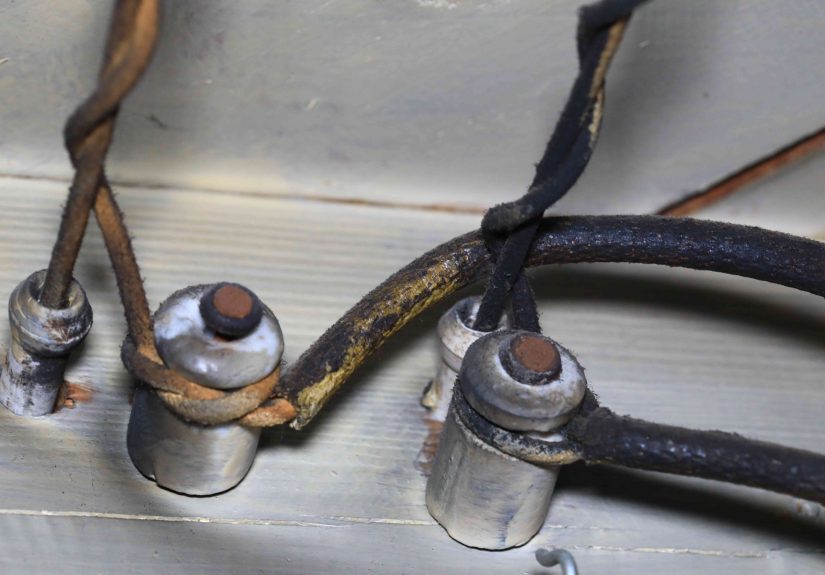
Knob-and-tube wiring
Common in homes built from the late 1800s through the 1930s, knob-and-tube wiring was innovative for its time. Today, it raises concerns because it typically lacks grounding and can be more vulnerable to damage from age, brittle insulation, and later renovations. It also was designed for a lower-demand era, which means it often struggles when modern households ask it to do the electrical equivalent of running a marathon in dress shoes.
Aluminum branch-circuit wiring
Found in many homes from the 1960s into the early 1970s, aluminum wiring is not automatically a disaster, but it does deserve special attention. Problems historically arose because certain devices and connections were not designed well for aluminum conductors, increasing the risk of loose connections, overheating, and arcing. If your home has aluminum branch wiring, the details of the connections matter a lot.
Ungrounded two-prong outlets
If your home still has two-slot outlets, that is a clue that at least part of the system may be ungrounded. Grounding helps reduce shock risk during a fault. A two-prong outlet does not mean your house is doomed, but it does mean you should not assume the system offers modern protection.
Cloth-insulated or visibly deteriorated wiring
Old insulation can crack, fray, or dry out over time. Once insulation starts breaking down, wires are far more likely to overheat, arc, or expose energized conductors where they absolutely do not belong.
Signs Your Old House Wiring May Not Be Safe
Electrical systems are often polite enough to give warning signs before things get truly ugly. The trick is recognizing them and not treating them like quirky house personality.
1. Breakers trip often or fuses blow regularly
Occasional tripping can happen. Frequent tripping usually means overloaded circuits, a faulty breaker, or a deeper wiring problem. If your panel complains every time the microwave and toaster work the breakfast shift together, your system may be undersized or overstressed.
2. Lights flicker, dim, or act haunted
One flickering bulb may just need tightening. Multiple flickering lights, dimming when appliances turn on, or lights that burn out too quickly can point to loose connections, overloaded circuits, or aging wiring.
3. Outlets or switches are warm, discolored, or scorched
Outlets and switches should be boring. Cool to the touch. Uneventful. If they are warm, cracked, loose, stained, or marked with scorch spots, that is not “old house charm.” That is a warning.
4. You smell burning, melting plastic, or something rubbery
This is a stop-everything sign. A burning odor can indicate overheating wire insulation or arcing behind the wall. If the smell appears repeatedly, especially near outlets, switches, or the panel, call an electrician promptly.
5. You hear buzzing, sizzling, or crackling
Your walls should not sound like frying bacon. Buzzing and sizzling can signal loose wiring or arcing, both of which need professional attention.
6. You feel a tingle or mild shock
Even a small shock from an appliance, switch, or outlet is a major red flag. Electricity should power your coffee maker, not provide a surprise morning handshake.
7. You rely on extension cords and power strips for daily life
Extension cords are for temporary use, not as a permanent substitute for enough outlets or circuits. If your home depends on cords snaking behind furniture like a low-budget jungle vine exhibit, your electrical system probably needs upgrading.
Is Old Wiring Always Dangerous?
No. And that is an important distinction.
Old wiring is not unsafe simply because it is old. What matters is whether it is intact, properly installed, appropriately protected, and capable of safely serving your household’s electrical demand. Some outdated systems can continue functioning for years without incident. Others become risky because of deterioration, amateur modifications, overloaded circuits, or missing safety features such as grounding, GFCI protection, and arc-fault protection.
Think of it like an old car. Age alone is not the problem. Bald tires, failing brakes, mystery wiring under the dashboard, and duct tape where parts should be? That is the problem.
The Biggest Safety Risks in Older Homes
Overloaded circuits
Many older homes were built with fewer circuits and lower total service capacity. Modern households draw more power, which can push legacy systems beyond their comfort zone. Kitchens, bathrooms, laundry areas, and home offices are frequent trouble spots.
Ungrounded systems
Grounding provides a safer path for fault current and helps reduce the risk of shock. Homes with ungrounded circuits may still function, but they do not provide the same level of protection as modern grounded wiring.
Loose connections and arc faults
Arc faults happen when electricity jumps across a gap created by damaged, frayed, or loose wiring. That tiny electrical leap can generate serious heat and start a fire inside walls where nobody sees it coming.
Unsafe past repairs
Older homes often come with decades of “creative” fixes. Hidden splices, mismatched devices, overloaded junction boxes, painted-over outlets, reversed polarity, or three-prong outlets installed without proper grounding are common troublemakers. Some homes have had more amateur electrical work than a high school theater set.
Lead dust during electrical work
In homes built before 1978, electrical repairs that open walls, cut into painted trim, or disturb old surfaces can create dangerous lead dust. That means safety planning is not just about wires. It is also about what surrounds them.
What Should You Do If You Suspect a Problem?
Start with a professional electrical inspection
If your home is older, an inspection by a licensed electrician is the smartest next step. A proper inspection typically looks at the panel, breakers or fuses, visible wiring, outlets, grounding, GFCIs, AFCIs, and signs of overheating or wear. This is especially important if you are buying an older home, planning a remodel, or noticing any of the warning signs above.
Do not assume cosmetic fixes solve electrical issues
Replacing an outlet cover does not fix bad wiring behind it. Swapping in a new light fixture does not solve a loose connection in the box. Electrical problems love to hide behind clean paint and fresh tile.
Address high-priority hazards first
If an electrician identifies warm outlets, damaged insulation, arcing, overloaded circuits, or problematic aluminum branch-circuit connections, those repairs move to the top of the list. Fast.
Which Upgrades Make an Older Home Safer?
1. Add GFCI protection
GFCIs help protect against electric shock in places where water and electricity may meet, such as kitchens, bathrooms, garages, basements, laundry areas, and outdoor locations. In many old homes, this is one of the simplest and smartest safety upgrades.
2. Add AFCI protection
AFCIs help detect dangerous arc faults that standard breakers may miss. They are especially valuable in older homes where hidden wiring damage may be more likely.
3. Upgrade ungrounded outlets correctly
Do not just swap two-prong outlets for three-prong ones and call it a day. If an outlet is not truly grounded, it must be upgraded in a code-compliant way. This may involve rewiring, adding GFCI protection where allowed, or labeling the outlet properly depending on the solution used by your electrician.
4. Replace damaged or outdated wiring
Full rewiring is expensive, but sometimes it is the right answer, especially when wiring is deteriorated, overloaded, or unsafe. In some cases, only targeted rewiring is needed. In others, piecemeal repairs become more expensive than addressing the system more comprehensively.
5. Modernize the panel
If your home still has an old fuse box or an undersized service panel, upgrading the panel can improve both safety and convenience. It can also give you room for new dedicated circuits for modern appliances and home office equipment.
6. Handle aluminum wiring the right way
If your home has older aluminum branch-circuit wiring, do not settle for a random handyman fix. Certain permanent repair methods are recognized for addressing the hazard, and this is a job for an electrician who understands aluminum wiring specifically.
What About Insurance and Home Sales?
Old wiring can affect more than safety. It can complicate insurance and real estate transactions too. Some buyers discover that knob-and-tube wiring, screw-in fuses, or visibly outdated systems trigger tougher underwriting, repair requests, or budget negotiations. That does not mean an older home is unsellable. It means electrical issues are no longer hidden expenses once an inspector starts poking around.
If you are buying or selling a house with old wiring, a recent inspection report and documented upgrades can go a long way toward lowering stress and improving confidence on both sides.
How to Live More Safely With an Older Electrical System
- Avoid overloading outlets or running multiple heat-producing appliances on one receptacle.
- Use extension cords only temporarily.
- Do not run cords under rugs or carpets.
- Test GFCIs and AFCIs regularly if your home has them.
- Install and maintain smoke alarms.
- Watch for warm plates, odors, buzzing, sparks, and loose outlets.
- Schedule periodic inspections, especially after major renovations or if the home is several decades old.
Final Verdict: Is My Old Electrical House Wiring Safe?
Maybe. But “maybe” is not a safety plan.
Old electrical house wiring can be safe if it is in good condition, properly maintained, and updated where necessary. The real danger comes from deterioration, outdated wiring methods, lack of grounding, overloaded circuits, and sketchy repairs that have piled up over the years. If your home shows signs like flickering lights, hot outlets, burning smells, buzzing switches, or frequent breaker trips, do not shrug it off.
The smartest move is to get a licensed electrician to inspect the system and tell you exactly what you are working with. That gives you facts instead of guesswork, priorities instead of panic, and a path forward that protects your home, your budget, and the people living in it.
Because old houses should keep their original trim and vintage charm. They do not need to keep their original fire risks.
Real-World Experiences With Old House Wiring
Homeowners dealing with older wiring often describe the experience the same way: everything seems fine until one small clue starts nagging at them. Maybe it is a bedroom light that flickers every time the window AC kicks on. Maybe it is an outlet in the kitchen that feels slightly warm after the toaster runs. Maybe it is the mystery of why one bathroom still has a two-prong receptacle that looks like it has seen both world wars. Old wiring issues rarely introduce themselves with a brass band. They usually begin with little warnings that are easy to excuse.
One common experience in older homes is the “we only have one usable outlet in this room” problem. That leads to power strips, extension cords, phone chargers, lamps, and a space heater all gathering in one corner like they are attending a family reunion. The homeowner may not realize the real issue is not the power strip itself, but the fact that the room was never designed for modern electrical demand. What feels like a convenience problem is often a capacity problem.
Another frequent experience happens during remodeling. A homeowner decides to replace an old vanity light or open a wall for a small kitchen refresh, only to discover brittle insulation, crowded junction boxes, or wiring that does not match anything expected. In pre-1978 homes, the surprise can come with a second layer of concern: disturbing painted surfaces may also create lead dust. Suddenly a “quick weekend project” becomes a moment of truth involving an electrician, a lead-safe plan, and a larger renovation budget.
Buyers of older homes often face their own version of electrical reality. The house looks beautiful during the tour, but the inspection reveals knob-and-tube wiring in the attic, an outdated fuse box, or aluminum branch circuits with questionable device connections. That can turn excitement into negotiation very quickly. Many buyers still move forward, but they do it with a better understanding that an old home may need electrical work soon, even if the lights currently turn on just fine.
There is also the experience of homeowners who lived with warning signs for years because nothing catastrophic happened. The breaker tripped now and then. One switch buzzed a little. The vacuum and microwave could not run at the same time, but everyone in the house had simply learned that “quirk.” Then an electrician finally inspected the system and found overheated connections, loose terminations, or unsafe outlet replacements. That is often the moment people realize their home was not quirky. It was trying very hard to get their attention.
The encouraging experience, though, is what happens after the right upgrades are made. Homeowners frequently say the house feels more dependable after adding circuits, replacing unsafe wiring, upgrading the panel, and installing GFCI or AFCI protection. Lights stop flickering. Outlets stop feeling suspiciously warm. Appliances run without drama. And perhaps best of all, people stop wondering whether the smell in the hallway is dinner or an electrical problem. Peace of mind may not be as visible as a new backsplash, but in an older home, it is one of the best improvements money can buy.