Table of Contents >> Show >> Hide
- What is an ischemic stroke (and why is it different from other strokes)?
- Causes of ischemic stroke: How blockages form
- Symptoms of ischemic stroke: What it can look and feel like
- Transient ischemic attack (TIA): the warning shot you should never ignore
- Risk factors for ischemic stroke: What increases your odds
- Modifiable risk factors (the “you can do something about this” list)
- 1) High blood pressure (hypertension)
- 2) High cholesterol and unhealthy blood lipids
- 3) Diabetes
- 4) Smoking (including secondhand smoke)
- 5) Atrial fibrillation and other heart disease
- 6) Obesity, physical inactivity, and diet patterns
- 7) Alcohol and substance use
- 8) Sleep apnea
- 9) Prior stroke or TIA
- Non-modifiable risk factors (the “you didn’t choose this” list)
- Putting risk factors together: How risk “stacks” in real life
- When to call 911 (hint: sooner than you think)
- Real-world experiences: What ischemic stroke often feels like (and what people wish they’d known)
- Conclusion
Quick reality check: An ischemic stroke is a medical emergency. If you think you or someone else is having a stroke, call 911 immediately. This article is for educationnot a substitute for medical care.
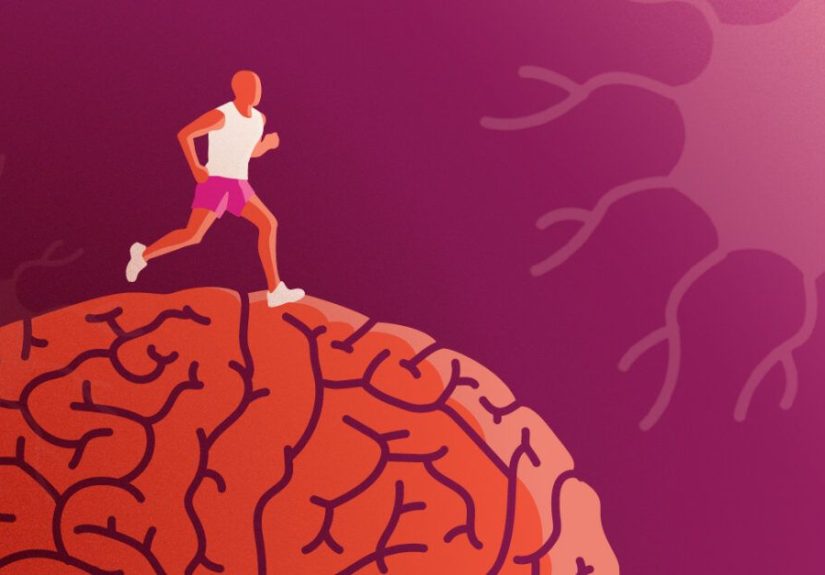
Ischemic stroke is the “blocked pipe” kind of stroke. Blood (and the oxygen it carries) can’t reach part of the brain, so brain cells start getting cranky fastthen start dying. The scary part? The symptoms can be dramatic (face droop, slurred speech) or sneaky (sudden clumsiness, vision changes). The hopeful part? Many strokes are preventable, and rapid treatment can be lifesaving.
Let’s break down the causes, symptoms, and risk factors in plain American Englishplus the real-life experiences people often describe when ischemic stroke shows up uninvited.
What is an ischemic stroke (and why is it different from other strokes)?
A stroke happens when part of the brain doesn’t get enough blood flow. There are two main categories:
- Ischemic stroke: a blockage reduces or stops blood flow to brain tissue.
- Hemorrhagic stroke: a blood vessel leaks or bursts, causing bleeding in or around the brain.
Ischemic strokes are the most common type of stroke. Think “traffic jam,” not “pipe burst.” Either way, the brain doesn’t tolerate interruptions wellso time matters.
What’s happening inside the brain during an ischemic stroke?
Your brain is a high-maintenance organ. It wants a constant delivery of oxygen and glucose, and it wants it on schedule. When a vessel is blocked, the affected area becomes starved. Nearby cells can sometimes limp along for a short time (the “at-risk” zone), but without restored blood flow, damage spreads.
That’s why stroke teams repeat the same mantra: “Time is brain.” Not because they like slogansbecause biology does.
Causes of ischemic stroke: How blockages form
An ischemic stroke happens when something blocks blood flow in an artery (or, more rarely, a vein). The “something” is usually a blood clot or debris that acts like a plug. But the reasons that plug shows up can differ.
1) Atherosclerosis: the slow-burn setup
Atherosclerosis is plaque buildup in artery wallsmade of cholesterol, fat, cellular debris, and other materials. Picture the inside of a pipe gradually narrowing over years. At some point, plaque can rupture or trigger clot formation, causing a sudden blockage.
Common places this matters for stroke include the carotid arteries in the neck (major highways delivering blood to the brain). Narrowing there can reduce flow or send clots upstream.
2) Thrombotic stroke: the clot forms where it sticks
A thrombotic ischemic stroke happens when a clot forms in an artery supplying the brainoften right on top of an atherosclerotic plaque. Imagine a lane closure (plaque) that finally causes a full-on pileup (clot). Blood can’t get through, and brain tissue downstream suffers.
3) Embolic stroke: the clot travels like a bad tourist
An embolic ischemic stroke happens when a clot (or other material) forms somewhere elseoften the heartand then travels to the brain where it gets stuck in a narrower vessel.
A classic culprit is atrial fibrillation (AFib), an irregular heart rhythm that can allow blood to pool and clot in the heart. When that clot breaks free, it can head to the brain like it’s late for a meeting and ignoring all traffic laws.
4) Small-vessel (lacunar) stroke: tiny vessels, big consequences
Not all blockages happen in big arteries. Small-vessel disease can affect tiny, deep brain arteries. These strokes (often called lacunar strokes) are strongly linked to long-standing high blood pressure and diabetes. The symptoms can be subtle or specificlike pure weakness on one side, or coordination problemsdepending on the location.
5) Less common causes: still important
Some ischemic strokes have less typical triggers, especially in younger adults or people without the usual risk factors. Examples include:
- Artery dissection: a tear in an artery wall (sometimes after trauma), which can create a flap or clot.
- Clotting disorders: conditions that make blood more likely to clot.
- Inflammatory blood vessel conditions (vasculitis): inflammation can narrow vessels.
- Rare heart issues: structural problems that allow clots to pass into circulation.
Even when the cause isn’t obvious, stroke teams work to identify itbecause the best prevention plan depends on the “why.”
Symptoms of ischemic stroke: What it can look and feel like
Stroke symptoms usually come on suddenly. The brain is not subtle when it’s losing oxygenalthough the signs can still be missed if they’re mild or mistaken for something else (fatigue, vertigo, “I just slept funny”).
The FAST test (and why it works)
FAST is a quick way to remember common stroke warning signs:
- F Face drooping: one side of the face droops or feels numb; smile looks uneven.
- A Arm weakness: one arm drifts downward or feels weak/numb.
- S Speech difficulty: slurred speech, trouble speaking, or trouble understanding.
- T Time to call 911: don’t wait to “see if it passes.”
BE FAST: catching more strokes
Some experts use BE FAST to include warning signs that FAST can miss:
- B Balance: sudden dizziness, trouble walking, loss of coordination.
- E Eyes: sudden vision changes in one or both eyes.
Bottom line: if symptoms are sudden and neurologicespecially on one sidetreat it like an emergency.
Other common stroke symptoms
- Sudden numbness or weakness of the face, arm, or legespecially on one side
- Sudden confusion, trouble speaking, or difficulty understanding speech
- Sudden trouble seeing in one or both eyes
- Sudden trouble walking, dizziness, loss of balance, or lack of coordination
- Sudden severe headache with no known cause (more common in hemorrhagic stroke, but still a red flag)
Symptoms can depend on which part of the brain is affected
The brain is like a control center with specialized departments. If the “speech department” is hit, language suffers. If the “movement department” is hit, strength or coordination changes. If the “vision department” is hit, eyesight may change. That’s why stroke symptoms can look different from person to person.
One important clue: stroke symptoms often affect one side of the body. Not alwaysbut often enough that “one-sided sudden weakness” should set off alarms.
Transient ischemic attack (TIA): the warning shot you should never ignore
A transient ischemic attack, or TIA, is sometimes called a “mini-stroke,” but that nickname can be dangerously reassuring. A TIA causes stroke-like symptoms that resolveoften within minutes to hoursbecause the blockage is temporary.
Here’s the key point: a TIA is a major warning sign. It can be the body’s way of saying, “Hey, I almost did something catastrophic. Want to fix this before I commit?”
If you have stroke symptoms that go away, that’s not a free passit’s a reason to get emergency evaluation.
Risk factors for ischemic stroke: What increases your odds
Risk factors are characteristics or conditions that increase the chance of stroke. Some are modifiable (you can change or treat them). Others aren’t (age, genetics). Most people have a mix, and risk tends to stack.
Modifiable risk factors (the “you can do something about this” list)
1) High blood pressure (hypertension)
If ischemic stroke had a “Most Valuable Player” trophy for risk factors, high blood pressure would win a lot. Over time, hypertension damages artery walls, accelerates atherosclerosis, and contributes to small-vessel disease in the brain.
Good news: blood pressure is measurable, treatable, and one of the most impactful targets for stroke prevention.
2) High cholesterol and unhealthy blood lipids
Elevated LDL cholesterol and related lipid issues contribute to plaque buildup (atherosclerosis). Plaque is the slow, quiet setup that can lead to sudden clot formation.
3) Diabetes
Diabetes increases stroke risk by damaging blood vessels and accelerating atherosclerosis. It also travels with other risk factors like high blood pressure and abnormal cholesterollike a friend group that is fun at parties but terrible for your arteries.
4) Smoking (including secondhand smoke)
Smoking damages blood vessels, increases clotting tendency, and accelerates atherosclerosis. It raises the risk for ischemic stroke in a way that’s unfortunately well established. The upside: quitting helps, and benefits start sooner than many people expect.
5) Atrial fibrillation and other heart disease
AFib increases the risk of cardioembolic (traveling clot) stroke. Other heart conditionslike coronary artery disease, heart failure, or valve problemscan also contribute to clot formation or vascular damage.
6) Obesity, physical inactivity, and diet patterns
Carrying excess weight and being inactive can raise stroke risk directly and indirectly by increasing the likelihood of hypertension, diabetes, and abnormal cholesterol. Diets high in saturated fats, trans fats, and sodium can worsen cardiovascular risk factors, especially blood pressure.
7) Alcohol and substance use
Heavy alcohol use can raise blood pressure and contribute to stroke risk. Certain drugs (for example, stimulants) can also increase risk by affecting blood pressure, heart rhythm, or blood vessels.
8) Sleep apnea
Obstructive sleep apnea is linked to high blood pressure and cardiovascular issues, which can increase stroke risk. People often overlook it because it happens while you’re asleepwhen you’re not exactly great at taking notes.
9) Prior stroke or TIA
A previous stroke or TIA strongly increases the chance of another event. That’s why follow-up care and secondary prevention (meds, lifestyle changes, and treating root causes like AFib) matters so much.
Non-modifiable risk factors (the “you didn’t choose this” list)
- Age: risk rises as people get older, though stroke can happen at any age.
- Sex: risk profiles differ across the lifespan, and some sex-specific factors (like pregnancy-related conditions) may influence risk.
- Family history and genetics: genetics can influence stroke risk directly and through conditions like hypertension, diabetes, or clotting tendencies.
- Race and ethnicity: in the U.S., stroke risk and outcomes can differ across groups due to complex interactions of biology, access to care, and social determinants of health.
Putting risk factors together: How risk “stacks” in real life
Stroke risk usually isn’t about one villain twirling a mustache. It’s more like a committee meeting where several factors agree, “Yes, let’s make this artery situation worse.”
For example, someone with high blood pressure plus smoking plus high LDL cholesterol is essentially giving atherosclerosis a three-course meal. Add AFib, and now clots can form and travel. Add untreated sleep apnea, and blood pressure control gets harder. You get the idea.
The encouraging part is that improving even one major risk factorespecially blood pressurecan meaningfully reduce risk. This is not an all-or-nothing sport.
When to call 911 (hint: sooner than you think)
Call 911 immediately if you notice sudden neurologic symptomsespecially face drooping, arm weakness, speech difficulty, sudden confusion, sudden vision changes, or sudden balance problems.
Two common reasons people delay:
- “It might be nothing.” Stroke can be intermittent early on, and TIAs can resolve. It’s still an emergency.
- “I don’t want to make a fuss.” This is exactly what emergency services are for. If it’s not a stroke, greatyou’ll be relieved in a place equipped to check.
Emergency treatment decisions depend on timing, symptoms, and imaging, so getting evaluated fast can open doors to therapies that are time-sensitive.
Real-world experiences: What ischemic stroke often feels like (and what people wish they’d known)
(This section reflects common patient and caregiver reports shared in clinical settings and stroke educationpresented as general experiences, not personal medical advice.)
Ask people who’ve lived through an ischemic stroke what it was like, and many will say something along the lines of: “It didn’t feel like what I expected.” Movies tend to show dramatic collapses and instant, obvious paralysis. Real life is often messiersometimes loud and obvious, sometimes quiet and confusing.
One common theme is suddenness. People describe feeling fine and then, within seconds, something is off. A coffee mug slips out of the hand like the grip has gone on strike. A sentence comes out scrambledeven though the words are clear in the mind. Some people describe a moment of trying to “power through,” assuming it’s fatigue, stress, or low blood sugar. That instinct is understandable. It’s also the moment that often delays care.
Another theme is weird asymmetry. Stroke symptoms frequently hit one side of the body, and that can feel bizarre. Someone might notice one side of the face isn’t cooperating, or one arm feels heavy, numb, or clumsy. A few people report realizing something is wrong only when they look in a mirror and see a crooked smile, or when a family member says, “Your speech sounds different.” In other words, strokes can be easier for bystanders to spot than for the person having one.
Balance and vision symptoms are also common sources of confusion. People sometimes assume sudden dizziness is an ear issue or dehydration. Others describe vision suddenly going blurry or dark in one eye, or losing part of their visual field, which they mistake for a migraine. The tricky part: a stroke affecting the back of the brain can show up as imbalance, coordination trouble, or vision changessymptoms that don’t always scream “stroke” to the average person. That’s a big reason “BE FAST” exists.
Caregivers often share a different perspective: the emotional whiplash. One minute it’s a normal day, the next minute you’re counting minutes in an ambulance or emergency room. Many families describe guilt after the fact“I thought it would pass” or “I didn’t want to overreact.” Stroke educators routinely emphasize that you never need to apologize for acting quickly. In stroke care, “overreacting” is often just “reacting in time.”
After the emergency, people commonly talk about the surprise of recovery. Some symptoms improve dramatically; others take months. Rehab can feel like relearning automatic skillswalking, speaking, writing, buttoning a shirtone repetition at a time. Many survivors also describe invisible symptoms that outsiders miss: fatigue, slowed thinking, mood changes, and anxiety about recurrence. It’s not uncommon for people to become hyper-aware of every dizzy spell afterward. That’s where follow-up care helps: understanding personal risk factors (like blood pressure or AFib), building a prevention plan, and learning what’s normal versus what needs urgent evaluation.
If there’s one “wish I’d known” that comes up again and again, it’s this: strokes aren’t always dramaticand waiting is rarely worth it. If symptoms are sudden and neurologic, call 911. The worst-case scenario of getting checked is inconvenience. The worst-case scenario of not getting checked is life-changing.
Conclusion
Ischemic stroke is caused by a blockage that cuts off blood flow to part of the brain. The most common mechanisms involve atherosclerosis and clotseither forming in place (thrombotic) or traveling from elsewhere (embolic, often from the heart). Symptoms are usually sudden and can include face droop, arm weakness, speech difficulty, vision changes, and balance problems. The biggest risk factors include high blood pressure, diabetes, high cholesterol, smoking, and heart rhythm problems like atrial fibrillation.
The takeaway is both serious and empowering: recognize symptoms fast, act immediately, and manage risk factors proactively. That combination saves brainsand lives.