Table of Contents >> Show >> Hide
- What are “clear liquid bumps,” exactly?
- A quick self-check: the 60-second detective game
- Common causes of itchy clear blisters (and what they look like)
- 1) Dyshidrotic eczema (tiny “tapioca” blisters on hands/feet)
- 2) Allergic contact dermatitis (including poison ivy/oak/sumac)
- 3) Irritant dermatitis (the “my skin is tired of my lifestyle choices” rash)
- 4) Heat rash (miliaria): clear bumps in hot, humid, sweaty situations
- 5) Insect bites (including “papular urticaria” style reactions)
- 6) Viral rashes with blisters
- 7) Scabies (intense itchoften worse at night)
- 8) Impetigo (including bullous impetigo)
- 9) Autoimmune blistering conditions (less common, but important)
- What you can do at home (safe steps while you figure it out)
- When to see a clinician soon (or urgently)
- How clinicians usually confirm the cause
- Prevention: fewer flares, fewer surprises
- Real-life experiences (what people commonly describe) 500+ words
- Conclusion
You’ve got tiny itchy bumps. They’re filled with clear fluid. And now you’re staring at your skin like it owes you money.
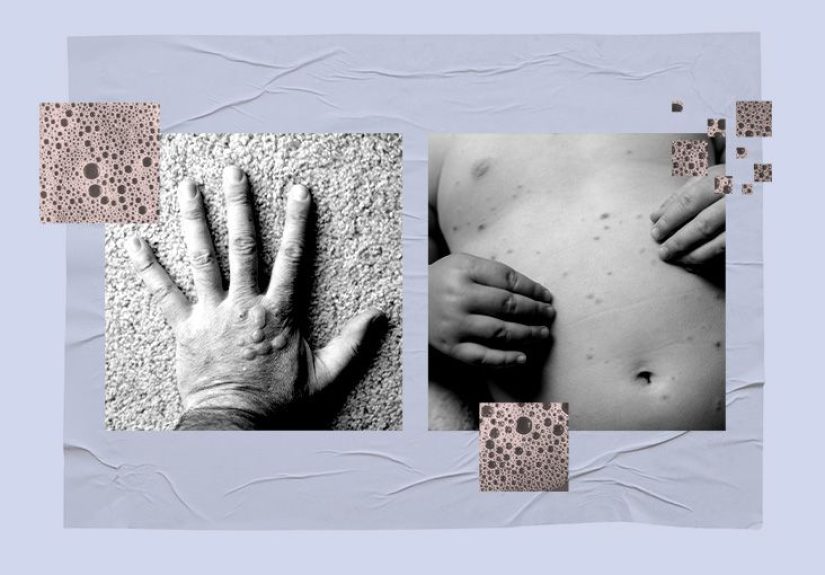
First: you’re not alone, and you’re not “gross.” These fluid-filled bumps (often called vesicles or small blisters)
can pop up for a bunch of reasonssome minor, some contagious, and a few that deserve a faster call to a clinician.
This guide walks you through the most common causes of itchy clear blisters, how to tell them apart, what you can do at home,
and when it’s time to let a professional take the wheel.
What are “clear liquid bumps,” exactly?
When skin gets irritated, inflamed, infected, or injured, fluid can collect between layers of skin. That creates a bump that looks like it’s
holding a tiny drop of water. If it’s small, it’s usually called a vesicle. If it’s bigger, it’s a bulla.
Either way, the goal is the same: figure out why it happened and stop the itch-scratch spiral.
A quick self-check: the 60-second detective game
Before you try every cream in your bathroom cabinet, ask these questions:
- Where are the bumps? Hands/feet? One side of the body? Skin folds? Face?
- Is it mostly itchy, or painful/burning? Pain can point toward certain viral rashes.
- Any recent exposure? New soap, detergent, gloves, plants (hello, poison ivy), metal jewelry, or cleaning products?
- Any fever or feeling sick? That leans infectious (like chickenpox or hand-foot-and-mouth disease).
- Is anyone else itchy? If your household is scratching at night, scabies becomes a suspect.
Common causes of itchy clear blisters (and what they look like)
1) Dyshidrotic eczema (tiny “tapioca” blisters on hands/feet)
If the bumps are mainly on the sides of fingers, palms, or soles, dyshidrotic eczema is a top contender.
People often describe deep, tiny, intensely itchy blisters that can come in flares. After a few days,
the skin may peel, crack, or feel tender.
Common triggers include frequent handwashing, sweating, stress, and irritating products. Some people notice flares after exposure to metals
(like nickel) or certain workplace chemicals.
What helps:
- Cool compresses to calm itch and inflammation
- Fragrance-free thick moisturizer (creams/ointments tend to work better than watery lotions)
- Over-the-counter 1% hydrocortisone for mild flares (hands/feet), or prescription topical steroids for stronger flares
- Avoid irritants (harsh soaps, solvents), and wear protective gloves for wet work
2) Allergic contact dermatitis (including poison ivy/oak/sumac)
Allergic contact dermatitis happens when your immune system decides a substance is the enemy. The rash often shows up where the skin touched
the triggersometimes in lines or streaks (classic for poison ivy), and it can form itchy blisters.
Common triggers: poison ivy/oak/sumac, fragrances, preservatives, hair dye, latex, nickel jewelry, and certain topical products.
The itch can be intense, and scratching can invite a secondary infection.
What helps:
- Wash exposed skin as soon as possible after suspected contact (and wash clothing/tools too)
- Cool compresses, colloidal oatmeal baths, and calamine for itch
- Topical steroids (OTC or prescription depending on severity and location)
- For widespread or severe blistering, clinicians may prescribe oral steroids
3) Irritant dermatitis (the “my skin is tired of my lifestyle choices” rash)
Unlike an allergy, irritant dermatitis is more like your skin’s protective barrier getting overwhelmedby frequent washing, sanitizers,
cleaning products, friction, or sweat under gloves. You can see redness, dryness, tiny blisters, and itching or burning.
What helps: Reduce exposure, switch to gentle fragrance-free cleansers, moisturize often, and protect hands with gloves (cotton liners can help).
4) Heat rash (miliaria): clear bumps in hot, humid, sweaty situations
Heat rash can look like clusters of tiny bumps. One form can be clear, fluid-filled bumps, while another can be redder and itchier.
It often shows up in skin folds or anywhere sweat gets trapped.
What helps: Cool the skin, get out of heat/humidity, wear loose breathable clothing, and avoid heavy occlusive products until it clears.
5) Insect bites (including “papular urticaria” style reactions)
Bug bites don’t always look like a single bump. Some people develop clusters of itchy bumps, and in stronger reactions,
bumps can become blister-like. The “tell” can be exposed areas (ankles, arms), seasonal timing, or a new pet/flea situation.
What helps:
- Cool compresses
- OTC hydrocortisone for itch
- Oral antihistamines (especially at night) if itching is keeping you awake
- Address the source: insect control, laundering bedding, pet flea treatment (if relevant)
6) Viral rashes with blisters
Chickenpox (varicella)
Chickenpox causes a rash that becomes itchy, fluid-filled blisters that eventually crust over. It often comes with feeling unwell
and the bumps can appear in different stages at the same time (some new, some crusting).
What helps: It’s often supportive carecool baths, calamine, trimming nails, and avoiding scratching. Some higher-risk people may need antiviralsthis is a clinician decision.
Hand-foot-and-mouth disease (HFMD)
HFMD usually includes mouth sores plus a rash on hands and feet that can look blister-like. Kids get it most,
but adults can catch it toobecause viruses do not respect your calendar.
What helps: Symptom relief (fluids, pain/fever reducers as appropriate, soft foods). Call a clinician if dehydration risk is high or symptoms are severe.
Herpes simplex (HSV)
HSV often causes grouped blisters that can itch, tingle, or burn and may be painful. It can occur around the mouth, genitals,
or other areas. Antiviral prescription meds can shorten outbreaks and reduce symptoms.
Shingles (herpes zoster)
Shingles typically causes a blistering rash on one side of the body, often in a stripe. Many people feel pain, burning,
or sensitivity before the rash appears (itch can happen too). Because early treatment matters, shingles is a “don’t wait and see forever” situation.
Important: If the rash is on the faceespecially near the eyeseek urgent care.
7) Scabies (intense itchoften worse at night)
Scabies is caused by mites that burrow into skin. The rash can look like small bumps and sometimes tiny blisters, often in places like
between fingers, wrists, elbows, waistline, and genitals. The signature feature is very intense itching,
frequently worse at night, and it can spread in close-contact settings.
What helps: Scabies needs prescription treatment (topical scabicides or sometimes oral meds), and close contacts usually need
treatment too to prevent “ping-pong reinfection.”
8) Impetigo (including bullous impetigo)
Impetigo is a contagious bacterial skin infection. Classic impetigo often has honey-colored crusts, while bullous impetigo can start
as blisters with clear or yellowish fluid. It commonly affects children but can happen at any age.
What helps: Antibiotics (topical or oral depending on extent) and keeping lesions covered to reduce spread.
9) Autoimmune blistering conditions (less common, but important)
Dermatitis herpetiformis (linked to celiac disease)
Dermatitis herpetiformis can cause intensely itchy, grouped bumps and blisters, often on elbows, knees, buttocks, back, or scalp.
Despite the name, it’s not caused by herpes virus. It’s associated with gluten sensitivity/celiac disease.
What helps: A clinician may prescribe medication (often dapsone) and recommend a strict gluten-free diet.
Bullous pemphigoid
Bullous pemphigoid tends to cause larger blisters and can be very itchy. It’s more common in older adults and needs medical evaluation,
since untreated disease can lead to complications like infection.
What you can do at home (safe steps while you figure it out)
- Don’t pop the blisters. The “roof” protects the skin underneath. If one breaks, gently wash with soap and water and cover it.
- Cool compresses for 10–15 minutes when itch flares.
- Colloidal oatmeal baths or cool baths can calm itchy, inflamed skin.
- OTC hydrocortisone 1% can help mild inflammation (avoid using on the face/groin unless a clinician says it’s okay).
- Fragrance-free moisturizers (thick creams/ointments) to support the skin barrier.
- Oral antihistamines can help itching (especially at night), but choose based on your health profile and drowsiness risk.
- Trim nails short and consider cotton gloves at night if you scratch in your sleep.
- Avoid “kitchen sink skincare.” Throwing five new products on angry skin can make the mystery worse.
When to see a clinician soon (or urgently)
Get medical care promptly if you notice any of the following:
- Fever, feeling very unwell, or a rapidly spreading rash
- Severe pain, a one-sided stripe of blisters (possible shingles), or rash near the eye
- Pus, honey-colored crusting, warmth, swelling, or increasing redness (possible infection)
- Widespread blistering, blisters in the mouth/eyes/genitals, or skin peeling
- Suspected scabies (because it’s contagious and needs prescription treatment)
- You’re pregnant, immunocompromised, or the rash is on a baby/young child
How clinicians usually confirm the cause
A diagnosis often comes from pattern recognition: where the rash is, how it started, exposures, and symptoms. Sometimes clinicians add tests like:
- Skin scraping (for scabies)
- Swabs (for HSV or bacterial infections)
- Patch testing (for allergic contact dermatitis)
- Skin biopsy (for autoimmune blistering diseases or unclear cases)
Prevention: fewer flares, fewer surprises
- Protect your skin barrier: moisturize regularly, especially after washing
- Use gentle products: fragrance-free cleansers and detergents
- Wear protective gear: gloves for cleaning/gardening; breathable clothing in heat
- Wash quickly after plant exposure: and clean clothes/tools that may carry oils
- Keep bugs in check: repellents, screens, and pet flea control when relevant
- Stay current on vaccines when appropriate (for example, chickenpox and shingles prevention)
Real-life experiences (what people commonly describe) 500+ words
One reason itchy clear blisters feel so unsettling is that they can look dramatic while being caused by something surprisingly ordinary.
Here are a few “this sounds familiar” experiences people often reportso you can compare patterns without spiraling into the internet’s scariest search results.
The “tapioca hands” week: Someone notices tiny, deep blisters along the sides of their fingers after a stressful stretch at work.
The itch is intenselike the skin is buzzing. They wash their hands more (because they’re stressed), which dries the skin more (because skin has a flair for irony),
and suddenly the bumps multiply. A few days later, the blisters calm down, but then the skin peels and cracks. This cycle is a classic story for dyshidrotic eczema:
flare, itch, dryness, peeling, repeat. Many people say the biggest turning point was switching to a gentle cleanser, using thick fragrance-free moisturizer like it’s a job,
and treating flares early rather than “waiting it out.”
The “gardening souvenir”: Another common tale starts with a normal outdoor daypulling weeds, trimming bushes, or hiking.
Two days later, a line of itchy, blistery bumps appears on the forearm. Then another streak shows up on the wrist. Cue the suspicion:
“Is this poison ivy?” The streaky pattern happens because the plant oil can brush across skin in lines, and it can also hitch a ride on gloves, shoes,
pet fur, or garden tools. People often say they made it worse by scratching (understandable) and by not realizing they needed to wash clothing and gear too.
Once the oil is off the skin and the itch is managed with cool compresses and anti-itch products, the rash usually runs its coursethough severe cases may need prescriptions.
The “why is it only on one side?” moment: With shingles, people often describe a weird lead-up: tingling, sensitivity, or pain
in a patch of skin that feels sunburnedeven before any rash appears. When blisters show up in a stripe on one side of the torso,
the story clicks into place. The emotional experience here is often anxiety (totally fair) mixed with relief at having an explanation.
Many people wish they’d called sooner because antiviral treatment works best when started early. The key vibe: if it’s one-sided and painful,
don’t play chicken with your nervous systemget evaluated.
The “everyone’s itchy at night” household: Scabies stories often sound like this: one person gets itchy, then another, then suddenly
bedtime becomes a scratch-fest. People frequently report itching that ramps up at night and bumps in places like wrists, finger webs, or waistline.
A common frustration is thinking it’s “dry skin” and treating it with moisturizers aloneuntil weeks go by. Once diagnosed, the experience shifts into logistics:
treatment for close contacts, laundering bedding/clothes as instructed, and managing the lingering itch that can last even after mites are gone.
The “kid brought it home” classic: For HFMD or other viral rashes, families often describe a mild fever and crankiness first,
then mouth sores and a rash on hands/feet that can look blistery. Adults sometimes get it too and are shocked (and offended) because they “aren’t in daycare.”
The experience is mostly about comfort care: keeping hydrated, choosing soft foods, and waiting out the viruswhile keeping an eye out for dehydration.
Across all these experiences, people commonly say two things helped the most: (1) calming the itch without over-treating the skin, and
(2) recognizing patterns that signal “this needs a prescription” (like scabies, impetigo, or shingles). Your skin may be loud right now,
but it’s also giving clues. Listen to the patternnot just the panic.
Conclusion
Itchy clear-fluid bumps can come from eczema, allergies, irritants, heat, bites, infections, or (less commonly) autoimmune blistering diseases.
The most helpful next step is matching the patternlocation, timing, exposures, and symptomsto the likely cause.
Use safe itch-relief strategies at home, avoid popping blisters, and get medical care quickly if there’s pain, fever, spreading redness, facial/eye involvement,
household spread, or significant blistering.