Table of Contents >> Show >> Hide
- Who Is John Pawson, and Why Do His Tables Feel So… Inevitable?
- Meet Matin: The Under-the-Radar LA Source for Pawson Tables
- What Makes These Tables Special? Start with the Backstory
- The Design Language: Quiet, Architectural, and Weirdly Emotional
- Materials and Finishes: Wood Choices That Actually Change the Mood
- Form Options: Rectangular, Round, and the “Cantilever Moment”
- Why These Tables Work So Well in Los Angeles Homes
- How to Commission a John Pawson Table Through Matin
- Styling Tips: Making a Minimal Table Feel Warm (Not “Waiting Room”)
- Care and Living With the Table: Patina Is the Point
- Is It Worth It? A Short, Honest Answer
- Real-World Experiences (500+ Words): What Living With a John Pawson Table Tends to Feel Like
- Conclusion
There are dining tables, and then there are statements. Not the “look at my new marble waterfall edge” kind of statement. More like: “I value calm. I value craft. I value a surface so quietly perfect it makes everything else in the room behave.” That’s the vibe behind John Pawson tables commissioned through Matin in Los Angelesminimalist furniture that somehow feels both monk-like and movie-star handsome.
If you’ve ever walked into a room and felt your shoulders droplike the space itself exhaledthat’s the Pawson effect. The tables Matin offers aren’t mass-produced “minimalist-looking” pieces. They’re bespoke, numbered, and made by a craft lineage that reads like a greatest-hits album of serious modernism. In other words: this isn’t a table you “add to cart.” This is a table you commit to.
Who Is John Pawson, and Why Do His Tables Feel So… Inevitable?
John Pawson is a British architect and designer celebrated for a rigorously pared-back aestheticspaces and objects reduced to what’s essential, with proportion, shadow, and material doing the heavy lifting. Minimalism is often misunderstood as “nothingness,” but Pawson’s version is more like “only the right things, in the right place, at the right scale.” The goal isn’t emptiness; it’s clarity.
That architectural mindset shows up in his furniture. A Pawson table isn’t trying to impress you with tricks. It impresses you by being relentlessly resolved: edges, thickness, joinery, overhang, leg placement, and heightall tuned to create quiet intimacy and visual order.
Meet Matin: The Under-the-Radar LA Source for Pawson Tables
Matin in Los Angeles is known in design circles as a discreet, highly curated gallery/workshop that works with collectors, curators, architects, and interior designers. It’s the kind of place that doesn’t yell; it whispers. And if you’re looking for John Pawson’s table designs in the U.S., Matin has long been positioned as the key point of access.
Matin’s role matters because the experience is not retail in the conventional sense. You’re commissioning a piecechoosing a wood, a finish, and a configuration that fits your space, your habits, and your appetite for living with something quietly demanding (in the best way).
What Makes These Tables Special? Start with the Backstory
A big part of the allure is that the tables offered through Matin are associated with meticulous fabrication and a serious craft pedigree. The tables have been described as bespoke, stamped/numbered, and made with an attitude of restraint: craftsmanship that “disappears” so the design can be the star.
The maker frequently connected to these commissions is Jeff Jamieson, a California-based sculptor and master craftsman known for his relationship to the world of Donald Judd and “specific furniture”a lineage where precision is not a flex; it’s the baseline. When a table is born out of that ecosystem, you can expect surfaces that feel considered from every angle, including the angles you don’t normally think about (until you see them done right).
The Design Language: Quiet, Architectural, and Weirdly Emotional
Let’s decode what your eyes pick up before your brain does:
1) The proportions do the talking
Pawson tables often feel calmer than typical dining tables because of how proportion is treatedthickness, leg placement, and overhang work together to create balance. Nothing feels pinched. Nothing feels bulky. The table doesn’t “sit” in the room; it anchors it.
2) The height is part of the intimacy
Table height sounds boring until you eat at one that’s slightly lower than expected and suddenly conversation feels closer. Pawson has been known to specify a lower table height than the industry normsubtle, but it changes the social geometry. You don’t perch; you settle.
3) The joinery is both hidden and honest
Minimalism doesn’t eliminate structureit exposes it. Some Pawson table configurations include a sleek metal bar at the join, a detail that reads like a structural underline: “Yes, this is how it’s held together. No, we’re not going to decorate the fact.”
Materials and Finishes: Wood Choices That Actually Change the Mood
One reason these tables photograph so well (and live even better) is the emphasis on real hardwoods and finishes that let material be itself. Matin-associated descriptions have included made-to-order tables available in multiple hardwoods and finish options. While availability can vary, the commonly referenced palette includes woods like:
- Walnut (often the “warm minimalism” favorite)
- Ebony-stained walnut (for drama without gloss)
- Douglas fir (lighter, more architectural, very West Coast)
- Limed Douglas fir (a pale, airy look with visible grain character)
- White oak (classic, stable, and quietly authoritative)
- Limed white oak (softened tone, Scandinavian-adjacent)
- Alaskan Yellow Cedar (light, distinctive, and less common)
- Teak (naturally resilient, especially appealing for indoor-outdoor lifestyles)
Finishes are often described in terms that sound understated until you live with themhand-rubbed oils, liming, staining. The point is not shine; it’s depth. A Pawson table should look better at 7 p.m. with low light than at noon under a showroom spotlight. (If your furniture only looks good under fluorescent lighting, it’s basically an office supply.)
Form Options: Rectangular, Round, and the “Cantilever Moment”
Pawson tables commissioned through Matin are often shown in a few recognizable directions:
Rectangular dining tables
The rectangular format is the classic “architect’s table”clean planes, long lines, and a presence that makes even a simple bowl of fruit look like it’s in a gallery exhibition (in a good way).
Round tables
The round versions soften the minimalism and lean into sociability. Round tables can feel less formal, and they’re great when you want conversation to circulate naturallyno “power seat,” no head of table, no drama. (Unless your group brings the drama. The table can’t fix everything.)
Cantilevered tables with benches
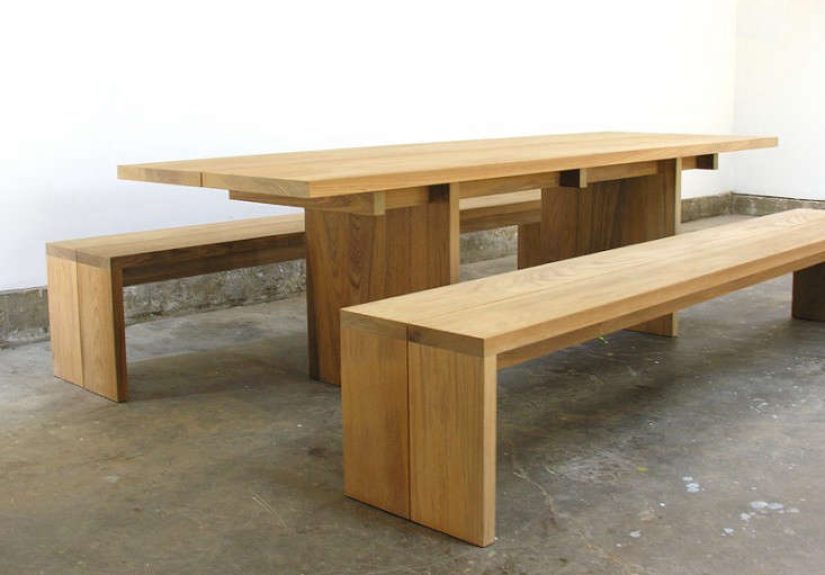
Some designs introduce a striking cantileveran overhang that looks almost impossible until you notice the structural logic underneath. Paired with benches, it reads like a modern refectory table: communal, grounded, and unapologetically simple.
Why These Tables Work So Well in Los Angeles Homes
Los Angeles is a city that loves light, openness, and indoor-outdoor living. Pawson’s approach plays beautifully with that: clean silhouettes, honest materials, and surfaces that don’t compete with views, art, or architectural volume.
In practice, a Pawson table can do two very LA things at once: it can look perfectly at home in a glassy modern hillside house and feel surprisingly warm in a more relaxed, textured interior with linen, plaster, and vintage pieces. It’s not a trend table. It’s a “this will still make sense in 15 years” table.
How to Commission a John Pawson Table Through Matin
Commissioning is the opposite of impulse buyingand that’s part of the appeal. Here’s a realistic, no-fairytale outline of how the process typically goes:
Step 1: Measure like you mean it
Don’t just measure the room. Measure how people move around the table, how chairs pull out, and where pathways actually exist. Minimalist tables are unforgiving in a helpful way: they reveal when a space is tight or cluttered.
Step 2: Decide on the “temperature” of wood
Walnut and ebony-stained walnut read warmer and moodier. Oak and limed finishes read brighter and more daylight-forward. Douglas fir can feel quietly West Coast. Teak can bridge indoor-outdoor sensibilities.
Step 3: Choose the pairingchairs, benches, or both
Benches amplify the communal feel and keep the silhouette extra clean. Chairs bring flexibility and softness. Many designers like a mix: bench on one side, chairs on the other, so the room doesn’t feel like a minimalist boarding school.
Step 4: Plan for lead time
Made-to-order work takes time. The point is not speed; it’s execution. If your timeline is “I need it by next weekend,” you’re shopping a different category.
Styling Tips: Making a Minimal Table Feel Warm (Not “Waiting Room”)
The biggest fear people have about minimal furniture is that it will feel cold. The fix is simple: pair restraint with texture. Try these:
- One sculptural centerpiece (ceramic, wood, stone)not a clutter parade.
- Textiles with character: linen napkins, a subtle runner, or even placemats in natural fiber.
- Soft lighting: a warm pendant or a pair of low lamps nearby to add glow.
- Chairs with tactility: leather, woven seats, or upholstered backs can add comfort without noise.
Think of the table as a stage. You don’t want the stage to be busy; you want the performance (meals, gatherings, life) to be the thing.
Care and Living With the Table: Patina Is the Point
A real wood table with an oil finish is meant to be lived with, not entombed. You’ll want to use coasters and trivets, but you also shouldn’t panic if the table develops character. Over time, wood picks up a soft patina that makes it feel less “new object” and more “part of the house.”
Practical habits that help:
- Wipe spills promptly (especially winebecause wine has no respect for your design choices).
- Use gentle cleaners; avoid harsh chemicals that strip finishes.
- Embrace periodic maintenance: oil finishes can often be refreshed rather than “repaired.”
- Accept that perfection is not the goalpresence is.
Is It Worth It? A Short, Honest Answer
If you want a table that disappears into the background, you can buy plenty of nice, quiet tables. If you want a table that makes the whole room feel more intentionaland you appreciate craft, material honesty, and design disciplinethen yes, a John Pawson table commissioned through Matin can be deeply satisfying.
You’re not just buying a surface. You’re buying a philosophy: fewer things, better things, and a daily reminder that calm can be designed.
Real-World Experiences (500+ Words): What Living With a John Pawson Table Tends to Feel Like
People who commission a John Pawson table through Matin often describe the experience as a slow-burn luxurythe opposite of the dopamine hit of quick shipping. The waiting period becomes part of the story. Instead of “It arrived,” it’s “It’s being made,” which changes how you think about the object before it ever enters your home. Designers frequently note that clients start editing their dining area while they wait: extra chairs disappear, clutter gets re-homed, and suddenly the room is being prepared like a guest bedroom for a favorite relativeonly the relative is a piece of furniture with strong opinions about visual noise.
When the table finally arrives, the first surprise is often scale. Because Pawson’s approach leans on proportion, the table can look deceptively simple in photosalmost like a drawing. In person, owners commonly notice the thickness of the top, the exactness of the edges, and how the legs relate to the overhang. Nothing feels accidental. Even people who don’t “care about design” (they always say that, right before caring about design) tend to run a hand along the surface like they’re checking whether it’s real. It is. That’s the point.
In daily use, the table tends to change habits. Because the surface is visually calm, it becomes obvious when it’s buried under mail, unopened packages, or the random objects that migrate during the week. Many owners say it nudges themgently but persistentlytoward clearing the tabletop at the end of the day. Not in a strict way. More like, “This table deserves better than being a parking lot for life admin.” It’s a strange phenomenon: a minimal table encouraging more intentional living without ever giving a motivational speech.
Entertaining is where the table shines. A Pawson table doesn’t compete with food, ceramics, glassware, or candlelight; it frames them. Hosts often describe a kind of visual “quiet” that makes gatherings feel elevated even when the menu is aggressively casual. (Pizza tastes fancier on a table that looks like it could live in a gallery. Science probably can’t explain it, but your friends will.) Round versions tend to encourage long conversations, while long rectangular tables paired with benches create that communal, everyone-stays-a-while feelinglike a modern refectory without the vow of silence.
Over time, owners also talk about patina with surprising affection. The first tiny mark can be stressfulespecially for people who are used to factory-perfect finishesbut a well-made hardwood table with an oil finish can evolve gracefully. Light wear becomes part of the surface’s story rather than a failure. People who embrace this mindset tend to love the table more each year, because it stops feeling like an object and starts feeling like a companion to daily life: breakfast, homework, late-night talks, holiday meals, the whole human playlist.
The most consistent “experience note” from designers is this: Pawson tables don’t just fill spacethey set the tone. In projects where the table is the anchor, other choices become easier. Art stands out more. Lighting feels more intentional. The room reads calmer even when it’s fully lived in. It’s the rare furniture piece that doesn’t shout “look at me,” but still ends up being the most powerful voice in the room.
Conclusion
John Pawson tables from Matin in Los Angeles sit at the intersection of minimalist design and deep craftsmanship: made-to-order pieces where proportion, material, and quiet structural honesty take center stage. If you’re drawn to spaces that feel clear, warm, and intentional, commissioning one can be less about buying a table and more about choosing a long-term design philosophyone meal at a time.