Table of Contents >> Show >> Hide
- What Was the Cracker Barrel “Logo Fiasco,” Exactly?
- Why Josh Johnson Was the Perfect Comedian for This Moment
- Josh Johnson’s Best Joke Beats About the Cracker Barrel Logo Change
- 1) “If you don’t know Cracker Barrel, you’re doing great.”
- 2) The “exit ramp inevitability” joke
- 3) The logo “does the job” (and that’s why people were weirdly attached to it)
- 4) “Heritage” and the unexpected intensity of the backlash
- 5) The “money math” of outrage (and why a logo can move a stock chart)
- 6) The quiet genius: pauses, understatement, and letting the audience catch up
- Why These Jokes Worked So Well
- What the Cracker Barrel Logo Drama Says About Branding in 2025
- How to Enjoy the Bit Without Missing the Point
- Conclusion: A Logo, a Lesson, and a Laugh
- Experiences That Make Josh Johnson’s Cracker Barrel Jokes Hit Even Harder (About )
A restaurant logo change shouldn’t feel like a national emergency. And yet, in late August 2025, the internet briefly acted like a beloved piece of roadside
Americana had been placed on life support: Cracker Barrel introduced a simplified logo, people panicked, the stock market flinched, politicians
yelled across the digital dinner table, and thenalmost as quicklyCracker Barrel waved a white napkin and said, “Okay, okay, the old guy can stay.”
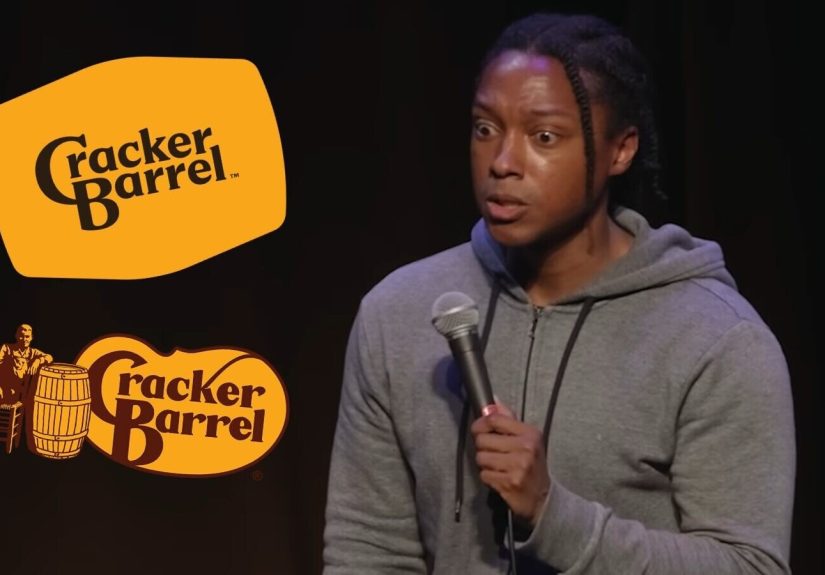
Enter Josh Johnson, stand-up comedian and sharp cultural observer, who took this oddly loud moment and did what great comics do: he turned it into
a story about identity, nostalgia, highway exits, and the very specific way Americans treat brands like distant relatives. What made his Cracker Barrel material
pop wasn’t just the punchlinesit was the way he explained the “why” behind the outrage while still letting the absurdity stand there in broad daylight,
rocking gently in a wooden chair like it’s waiting for a table.
What Was the Cracker Barrel “Logo Fiasco,” Exactly?
Here’s the quick and real-world context, without the internet smoke machine. In August 2025, Cracker Barrel rolled out a more minimalist logo that removed the
iconic illustrated “Old Timer” figure (often identified as Uncle Herschel) and leaned into a simpler wordmark style. The reaction was immediate and
intensecustomers complained, social media escalated it into a full-blown cultural fight, and business coverage noted a sharp negative market reaction.
Within days, Cracker Barrel announced it would bring back the classic look, explicitly saying the new logo was going away and the “Old Timer” would remain.
If you’re wondering why a logo could trigger that kind of reaction, it’s because Cracker Barrel’s branding isn’t just a signit’s a promise. The old logo
didn’t just say “food.” It said “road trip,” “grandparents,” “gift shop candy,” “rocking chairs,” and “someone’s going to order pancakes at 3 p.m. and nobody
will judge them.” When a brand is that tied to ritual, a redesign can feel like somebody repainted your childhood home… during Thanksgiving dinner… while
maintaining eye contact.
The part everyone forgets: a logo change isn’t only designit’s identity
A simplified logo can be smart for digital platforms and modern marketing, but the tradeoff is emotional. Cracker Barrel didn’t just remove a drawing; it
removed a familiar cue that people used to recognize the brand instantly. And once the story got framed as “they’re erasing tradition,” it became
irresistible bait for the outrage economyespecially in a moment when companies often get dragged into culture-war narratives whether they want to be there or not.
Why Josh Johnson Was the Perfect Comedian for This Moment
Josh Johnson’s comedy often works like a guided tour through a messy headline. He doesn’t just dunk on the surface-level absurdity; he narrates the human logic
beneath it. He’s also known for mixing sharp social commentary with relaxed storytellinglike the funniest person at the table who still remembers everyone’s
name and who ordered what.
That style matters here, because the Cracker Barrel rebrand controversy had two layers:
(1) the business/branding layer, and (2) the emotional/cultural layer. Johnson’s material lives in the space between those layerswhere the facts are true,
the reactions are intense, and the whole thing is still objectively hilarious.
Josh Johnson’s Best Joke Beats About the Cracker Barrel Logo Change
Since stand-up is meant to be heard (and a joke’s rhythm matters), the best way to talk about these bits is by describing the beatsthe setups,
turns, and punchline logicrather than reproducing full lines. Think of this as a “comedy breakdown” that keeps the flavor without copying the whole recipe.
1) “If you don’t know Cracker Barrel, you’re doing great.”
Johnson opens with a deceptively simple premise: not knowing what Cracker Barrel is might actually be a sign you’ve had a peaceful life. That’s funny because
it flips the usual “you’re missing out!” framing into “no, you’ve been protected.” It’s also an instant invitation for two audiences at once:
the people who treat Cracker Barrel as a landmark, and the people who’ve somehow escaped it like it’s a side quest they never unlocked.
The punch isn’t just the jokeit’s the social mapping. He sets up Cracker Barrel as a cultural symbol, not just a restaurant chain, which makes the later
outrage make more sense (and therefore funnier).
2) The “exit ramp inevitability” joke
One of Johnson’s funniest observations is about placement: Cracker Barrel isn’t a restaurant you “discover.” It’s a restaurant that appears at the exact
moment you’re hungry, tired, and 11 miles past the point of good decision-making. He jokes about the way it’s positioned like a trapdoor option:
eat here now, or roll the dice on whatever sadness is waiting at the next exit.
This works because it’s painfully specific. Most Americans have lived that road-trip moment where your standards plummet and you start making serious plans
around whatever sign shows up first. Johnson turns that shared experience into a laugh because he says the quiet part out loud: convenience is a love language.
3) The logo “does the job” (and that’s why people were weirdly attached to it)
Another strong bit is his breakdown of the original Cracker Barrel logo as almost aggressively literal:
the name, the barrel, and the old-timer figure. It’s branding as a picture book. And that’s the pointCracker Barrel’s whole vibe is clarity.
You’re not walking in expecting foam, smoke, and an entrée described as “a deconstructed memory.” You’re expecting biscuits.
Johnson mines the humor in how a “simple” logo became sacred. Not because it’s high art, but because it’s familiar. The joke lands because we recognize
ourselves: humans will form emotional attachments to anything that reliably shows up when we’re hungry.
4) “Heritage” and the unexpected intensity of the backlash
One of Johnson’s smartest angles is how he frames the backlash as a kind of cultural ownershippeople treating the logo like it’s part of their personal
history. He points out the intensity with a tone that’s half-amused, half-“wait, are y’all okay?” That tension is comedic gold.
The reason it works is that he never pretends the emotion is fake. He’s saying: the reaction is real, but the object of the reaction is wild.
That’s a classic comedic enginevalidating the feeling while roasting the logic.
5) The “money math” of outrage (and why a logo can move a stock chart)
Johnson also connects the fiasco to the broader pattern of companies making highly visible brand moves, getting slammed online, and then trying to manage the
fallout. His “race to lose money” framing is funny because it sounds exaggerateduntil you remember that businesses can lose real value on perception,
momentum, and consumer confidence.
The bit plays like a scoreboard: brands do something, the internet reacts, and suddenly everybody’s acting like the logo is a constitutional amendment.
Johnson’s humor here is less about dunking on one company and more about highlighting how fragile modern brand trust can be.
6) The quiet genius: pauses, understatement, and letting the audience catch up
Some of the funniest moments in his Cracker Barrel jokes aren’t “big punchlines.” They’re the micro-beats: a pause, a look, a deadpan tag that gives the crowd
time to realize what’s being implied. That’s a sign of a comic who trusts the audience.
When a topic is already absurd, the best move is often to underplay it. Johnson’s delivery makes it feel like he’s reporting the news from inside a diner booth,
which is exactly the tone the story deserves.
Why These Jokes Worked So Well
He treated Cracker Barrel like a character, not a company
In Johnson’s material, Cracker Barrel isn’t just a businessit’s a recurring character in the American road trip. The logo is part of that character’s face.
When you change the face, people feel like they’re being introduced to a stranger wearing their friend’s name tag. Comedy loves that kind of discomfort.
He made the audience feel “in on it”
The best observational comedy is a conspiracy between performer and audience:
“You’ve noticed this too, right?” Johnson’s Cracker Barrel jokes work because the references are common enough to be relatable but specific enough to feel earned:
the signage, the highway exits, the nostalgia, the gift shop maze, the vibe of “grandpa decor, but make it retail.”
He didn’t need to exaggerate muchthe story did it for him
A logo rollout, backlash, financial drop, reversal, and national commentary is already a comedy outline. Johnson’s skill is choosing the angles that reveal how
strange the situation is without forcing it. The jokes feel natural because the material is built from real behavior and real reactions.
What the Cracker Barrel Logo Drama Says About Branding in 2025
The bigger lesson (and the reason this story traveled) is that branding is now a public sport. A logo change isn’t just a design updateit’s a narrative move,
and the audience responds like they’re watching a season finale.
- Nostalgia is a business asset. When your aesthetic is part of the product, changing it can feel like changing the product itself.
- Social media collapses nuance. A design choice gets translated into “they hate tradition,” “they’re pandering,” or “they’re saving money,”
and then those theories fight in the comments section. - Consumers are loyal to symbols. The “Old Timer” wasn’t just a mascot; it was a shortcut for an entire experience.
- Culture-war framing spreads fast. Once a rebrand gets labeled as political, it stops being about design and becomes a proxy argument.
Josh Johnson’s jokes hit because they acknowledge all of that while still keeping the focus where it belongs: on how funny it is that we all briefly acted like a
logo redesign was a crisis requiring emergency casseroles.
How to Enjoy the Bit Without Missing the Point
If you only see a short clip, you might think Johnson is just clowning a restaurant chain. But the best version of the joke is the longer story arcbecause the
deeper theme is about American identity and the weird things we treat as sacred. Watch it as a piece of storytelling:
he’s not just telling you “this is dumb,” he’s showing you why it became such a loud story in the first place.
Also, if you’re writing or talking about this topic, remember: jokes live in delivery. A transcript can’t capture timing, tone, and the way a room responds.
That’s why a “best jokes” roundup is most useful when it explains what’s funnynot when it tries to photocopy the punchlines.
Conclusion: A Logo, a Lesson, and a Laugh
The Cracker Barrel logo fiasco was the perfect storm of modern branding: a beloved symbol, a sudden change, instant backlash, financial consequences, and a quick
reversal. Josh Johnson’s best jokes about it work because they’re built on real behaviorhow we travel, how we eat, how we attach meaning to symbols, and how we
react when something familiar gets swapped out.
In the end, the “Old Timer” stayed (or came back), the internet moved on to the next outrage buffet, and Josh Johnson got a clean, hilarious case study in how
Americans treat brands like familyannoying, beloved family that you will absolutely defend… while also roasting them mercilessly at the table.
Experiences That Make Josh Johnson’s Cracker Barrel Jokes Hit Even Harder (About )
Even if you didn’t follow the rebrand news in real time, there’s a good chance you’ve lived some version of the “Cracker Barrel moment” that Johnson is talking
about. It starts on the road, usually when you’ve been driving long enough that your spine has filed a formal complaint. Someone says, “I’m not that hungry,”
which is the first lie of any road trip. Then the highway begins offering options that feel less like restaurants and more like moral tests. Fast food. A gas
station with suspiciously proud signage. A diner you’ve never heard of that may or may not be real.
And then it happens: the Cracker Barrel sign. It’s not just an advertisementit’s a proposal. A suggestion. A gentle push from the universe that says,
“You could stop doing this to yourself.” That’s why Johnson’s “exit ramp inevitability” angle is so funny: the brand doesn’t feel like a choice, it feels like
relief. You’re not debating culinary excellence; you’re negotiating peace.
If you’ve ever pulled in, you know the routine is part of the experience. There’s the line outside (because of course there’s a line), and the rocking chairs
on the porch where people sit like they’re waiting to hear the verdict of a jury. There’s the gift shop maze that forces you to walk past nostalgic candy,
seasonal decor, and at least one object that makes you whisper, “Why do they sell this here?” before you end up holding it like you’re considering adopting it.
Then you smell breakfast. Not a specific breakfastthe idea of breakfast. It’s 2:47 p.m. and your brain goes, “Pancakes are reasonable.”
That’s where the logo matters more than it should. When you’ve associated a symbol with a reliable ritualstop, breathe, eat, resetyour mind treats that symbol
like a shortcut to comfort. So when the internet acted like removing the old-timer figure was a betrayal, it wasn’t only about design taste. For some people,
it felt like somebody edited their memory without asking. That’s also why the whole drama became such a magnet for larger arguments: a familiar image becomes a
stand-in for “the way things used to be,” even if the actual stakes are… a sign on a building.
Johnson’s jokes land because they capture these everyday experiences without pretending they’re profound. They’re human. We’re tired, hungry, sentimental, and
a little ridiculousand the moment you admit that, the whole Cracker Barrel logo saga becomes what it always was: a weirdly emotional story about a restaurant,
told through laughter because that’s the only reasonable response.