Table of Contents >> Show >> Hide
- What Kelly Clarkson Actually Asked Fans to Do
- Why Fans Responded So Quickly
- The Bigger Talk Show News Behind the Headline
- Why the Story Resonated Beyond Entertainment News
- How the Show Built Such Strong Viewer Loyalty
- What This Says About Daytime TV Right Now
- So, Was This About Trouble or Triumph?
- Experiences Related to “Kelly Clarkson Calls on Fans for Support Amid Talk Show News”
- Conclusion
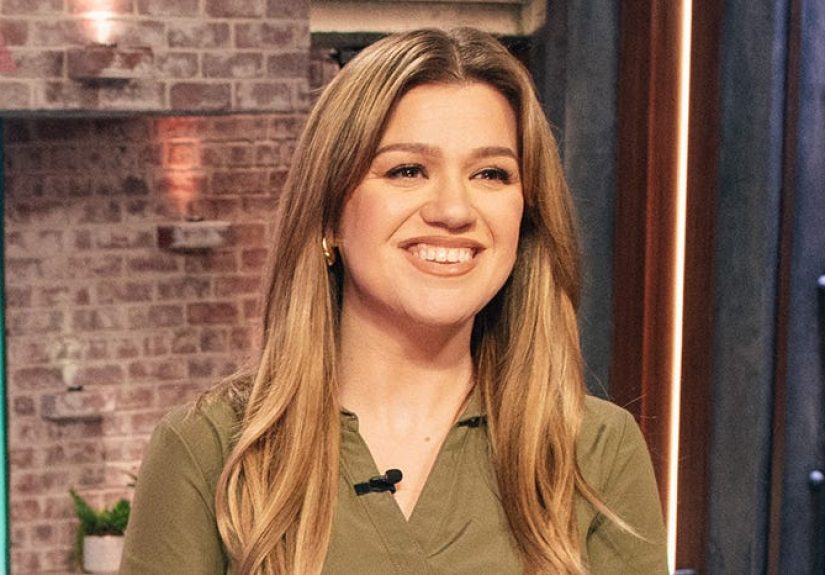
Celebrity headlines love a little drama. Add daytime TV, a beloved host, a loyal fan base, and the internet’s favorite sportwild speculationand suddenly every update starts sounding like the trailer for a prestige docuseries. That is exactly why the phrase “Kelly Clarkson calls on fans for support amid talk show news” landed with such force.
On the surface, the story was cheerful: Kelly Clarkson popped up with a direct request for viewers to rally behind The Kelly Clarkson Show after the program earned major digital recognition. Simple enough. But in the larger context of daytime television, shifting audience habits, social media-fueled rumors, and Clarkson’s own evolving priorities, the moment became about much more than an online vote. It became a snapshot of how modern talk shows survive: not just through ratings, but through loyalty, community, clips, comments, reposts, and fans who treat a daytime show like part of the family calendar.
And honestly, that makes sense. Clarkson has never hosted like a polished robot programmed in a blazer. She hosts like someone who can sing your face off, make a celebrity laugh, cry over a sweet family montage, and then casually remind the audience that life is messy for everybody. That mix of talent and relatability is a big reason her talk show has stood out in a crowded field.
So what exactly happened, what did Kelly ask fans to do, and why did this seemingly upbeat moment hit differently once bigger talk show news entered the picture? Let’s unpack it without the fluff, without the rumor confetti, and without pretending the internet ever knows how to calm down.
What Kelly Clarkson Actually Asked Fans to Do
The original fan-support moment was tied to a very specific win for the show’s digital brand. In April 2025, Clarkson shared that The Kelly Clarkson Show had been nominated for three Webby Awards. The categories reflected exactly what makes the show feel fresh online: social video, social series, and overall social presence. In the video shared by the show, Clarkson praised her digital team and encouraged fans to vote.
That matters because it was not a vague “please support me” plea designed to stir sympathy. It was a clear, upbeat call to action. Clarkson was celebrating the work of the people behind the scenes and giving viewers a way to participate. In other words, this was less “send help” and more “our team crushed it, now go make some noise.” That distinction matters in a celebrity ecosystem where every sentence can get stretched into a crisis headline.
The nominations also lined up with the show’s evolving identity. The Kelly Clarkson Show is not just a broadcast-hour talk show anymore. It is a clip machine, a music destination, a social-media performer, and a viral-content engine. Segments like Kellyoke Sound Check and Walk to Stage are custom-built for modern viewing habits. People may not always sit down at the same time every weekday with a cup of coffee and a cinnamon roll, but they will absolutely watch a killer vocal clip while pretending to answer emails.
Why the Webby recognition was a big deal
For Clarkson’s team, the nominations were more than a shiny internet trophy chase. They validated a digital strategy that helped the show feel current in a media environment where old-school daytime formats often struggle to break through. The program had already built momentum in the awards space before, so this was not a one-off fluke. It was another sign that the show’s online presence had become one of its strongest assets.
And that’s the key to understanding the headline. Kelly Clarkson called on fans for support, yesbut she did so from a position of momentum, not desperation. The tone was celebratory, communal, and very much in keeping with the show’s brand.
Why Fans Responded So Quickly
Clarkson’s audience is unusually responsive because the relationship feels earned. She is not simply a celebrity who appears on a set and reads cue cards between commercial breaks. She has spent years building a style that feels candid, warm, and unforced. Her interviews tend to breathe. Her humor lands because it sounds natural. Her musical performances give the show a built-in wow factor. And her emotional honesty has kept viewers invested beyond the usual celebrity cycle.
That kind of connection creates what every daytime producer wants and what every algorithm secretly rewards: repeat engagement. Fans do not just watch. They comment. They share. They defend. They celebrate milestones. They bring the show into their daily routines, which is one reason support requests from Clarkson feel less transactional than they might from a host with a more distant persona.
There is also the Kellyoke effect. Let’s be honest: many talk shows would love to have a signature segment so strong that viewers search for it on purpose. Clarkson does. When she sings, the clip becomes news. When she riffs with her band, it spreads. When she turns a cover into a mini-event, the show gains cultural oxygen. That gives fans something concrete to rally around. They are not just supporting a brand. They are supporting moments they genuinely enjoy.
The Bigger Talk Show News Behind the Headline
Now for the larger story, the one that gives this headline extra weight in hindsight.
At the time Kelly was asking fans to vote, the show was still very much alive and creatively active. In fact, it had already reached major milestones, including its 1,000th episode. That milestone underscored how far the show had come since its 2019 debut. But by early 2026, the conversation around The Kelly Clarkson Show shifted from awards and fan excitement to the show’s long-term future.
Rumors swirled first, because of course they did. That is basically the internet’s cardio. Reports and speculation about whether the series might end began circulating before any official announcement arrived. Then Clarkson confirmed the real news: The Kelly Clarkson Show would end after its seventh season.
That announcement reframed everything. Suddenly, earlier moments of fan support looked bigger than a vote campaign. They looked like part of a farewell-era timeline, even though they had not started that way.
Why Kelly Clarkson said the show is ending
Clarkson’s stated reason was personal, not professional panic. She explained that stepping away from the daily schedule would allow her to prioritize her children. Later, she made it even clearer that the choice was not driven by the show failing. Quite the opposite. By her own telling, that was part of what made the decision hard. The show was working. The team was strong. The audience was there. But life had shifted, and she wanted more space for family and a less relentless daily grind.
That explanation rings true precisely because it is not a flashy scandal narrative. It is a grown-up decision wrapped in real-life logistics, grief, parenting, and the very unglamorous truth that successful things can still become unsustainable on a human level. You can love a project, be good at it, and still decide that your life needs a different shape. Hollywood does not always reward that kind of honesty, but audiences often do.
Why the Story Resonated Beyond Entertainment News
There is a reason this story traveled beyond typical celebrity coverage. It tapped into something millions of people understand: the tension between professional success and personal bandwidth.
Clarkson’s explanation did not sound like a carefully polished corporate memo. It sounded like what people say when their calendars become a form of emotional warfare. Too much on the plate. Not enough room for the people who matter most. A realization that being booked solid and being fulfilled are not the same thing.
That is why the headline worked. “Kelly Clarkson calls on fans for support amid talk show news” is not just about celebrity fandom. It is about modern work culture. It is about how audiences relate to public figures who admit that success can still come with a cost.
And Clarkson has long been strongest when she sounds like a real person instead of a press release with highlights.
How the Show Built Such Strong Viewer Loyalty
The loyalty did not appear out of nowhere. The Kelly Clarkson Show arrived as a bright, upbeat entry in daytime television and quickly carved out an identity that felt both familiar and modern. It had heart without turning syrupy, celebrity interviews without becoming stiff, and music without feeling like filler. That combination helped it stand apart in a genre that often lives or dies on consistency.
The move to New York in season 5 also became part of the show’s story. Clarkson spoke openly about needing a fresh start, and she later thanked NBC for supporting the relocation in a way that acknowledged mental health and family well-being. That transparency gave fans another reason to invest. The show was not pretending life behind the scenes was frictionless. It allowed real life to be part of the narrative.
Then there is the awards track record. The program earned serious industry recognition, including multiple Daytime Emmy wins. That does not guarantee eternal survivaltelevision history is littered with acclaimed shows that still endedbut it does reinforce the point that Clarkson was not stepping away from a sinking ship. She was stepping away from a successful one.
What This Says About Daytime TV Right Now
Clarkson’s story also lands in a bigger industry moment. Daytime television is changing fast. Stations are reconsidering what works. Local programming remains valuable. Digital distribution matters more than ever. Clips often travel farther than full episodes. Fan communities can keep a show culturally alive even as the business model becomes harder to sustain in traditional form.
That helps explain why Clarkson’s request for fan support mattered so much. In today’s media world, support is measurable. It is votes, shares, views, engagement, award campaigns, and sustained conversation. Fans are not standing politely on the sidelines anymore. They are part of the promotional ecosystem whether they realize it or not.
Clarkson, to her credit, seems to understand that dynamic better than a lot of legacy TV personalities. She did not treat digital recognition like a cute side hobby. She treated it like real work done by a real team. That is one reason the moment felt genuine rather than manufactured.
So, Was This About Trouble or Triumph?
The honest answer is: both, depending on the timeline.
When Kelly Clarkson first asked fans for support, it was a triumphant moment tied to award recognition and gratitude for her show’s digital team. Later, after official news confirmed that the show would end after season 7, that earlier fan appeal took on a more emotional meaning. It became part of a larger final-chapter story about appreciation, transition, and the bond between host and audience.
That layered reading is what makes the topic so compelling. It is not a fake-drama headline if you understand the full arc. It is a story about a star who built a winning talk show, invited fans into its success, and then made a difficult personal decision to step away while the show was still respected, visible, and loved.
Experiences Related to “Kelly Clarkson Calls on Fans for Support Amid Talk Show News”
One reason this story keeps connecting with people is that it mirrors the way many viewers actually experience television now. Fans do not just consume a show once and move on. They form routines around it. A morning scroll turns into a Kellyoke clip. A lunch break becomes a two-minute interview segment. A rough day gets softened by a funny monologue, a surprise cover song, or one of those weirdly moving moments where a celebrity says something unexpectedly human. For a lot of viewers, that is not trivial entertainment. That is emotional texture.
So when Kelly Clarkson asks for support, fans often hear more than a promotional request. They hear it as an invitation to return the favor. She has given them a soundtrack for commuting, cooking, folding laundry, avoiding spreadsheets, and pretending they are definitely not watching one more clip before getting back to work. Supporting the show feels personal because the show has already lived in the background of their own personal moments.
There is also something familiar in the way people reacted to the broader talk show news. Many viewers have had the experience of loving a workplace, project, or routine and still realizing that life is asking for a different arrangement. That is why Clarkson’s explanation resonated. It sounded like something regular people say every day, just with better lighting and a killer band. The details are celebrity-sized, but the emotional logic is not. Family shifts. Priorities change. Time suddenly feels more expensive. Even a good thing can become too much thing.
Fans also experienced this story in real time, which changed the tone. First came the excitement around nominations and milestones. Then came speculation, rumor cleanup, official updates, and later reflection. That arc is deeply familiar in the social media era. Viewers no longer wait for a magazine cover story six weeks later. They watch the story evolve through clips, interviews, reposts, headlines, fan comments, and endless mini-reactions. It is part entertainment, part community theater, part detective board with red string.
And yet the most lasting part of the experience may be simpler than that. Many fans saw in Clarkson someone trying to hold together ambition, creativity, parenting, grief, and public expectation without pretending any of it is perfectly balanced. That honesty gives the story staying power. It also explains why support came so quickly. People were not just backing a TV show. They were backing a person who, in a very public career, has still managed to sound surprisingly real.
That is why this headline works beyond gossip. It speaks to the shared experience of rooting for someone who seems grateful, talented, funny, overbooked, and human all at once. In a media world full of over-engineered celebrity narratives, that still feels refreshingly rare.
Conclusion
Kelly Clarkson calling on fans for support amid talk show news was never just one thing. It began as a positive push for Webby votes and recognition for the show’s digital team. Then, as bigger news unfolded around the future of The Kelly Clarkson Show, that same moment started to symbolize something more emotional: the strength of Clarkson’s bond with her audience and the loyalty the show had built over seven seasons.
The lasting takeaway is not that fans panicked or that headlines spiraled. It is that Clarkson created a talk show strong enough to inspire real support, both in celebratory moments and transitional ones. She asked, fans responded, and the response revealed just how much the show meant. For a daytime program in a changing media landscape, that is no small achievement. That is legacy territory.