Table of Contents >> Show >> Hide
- What Makes a Cookie “Keto” (Without Making It Weird)?
- Ingredient Strategy: The Keto Cookie Equation
- Keto Chocolate Chip Cookie Recipe (Chewy, Bakery-Style)
- Estimated Nutrition and Net Carbs (Plus a Simple Way to Calculate)
- Troubleshooting: Fix the Usual Keto Cookie Problems
- Easy Variations (Because Cookie Mood Swings Are Real)
- Storage and Make-Ahead Tips
- FAQ: Keto Chocolate Chip Cookies
- Kitchen Notes: The Real-Life Keto Cookie Experience (500+ Words)
- Conclusion
Keto desserts have a reputation: either they taste like sweetened cardboard, or they’re so good you check the label like it’s a magic trick.
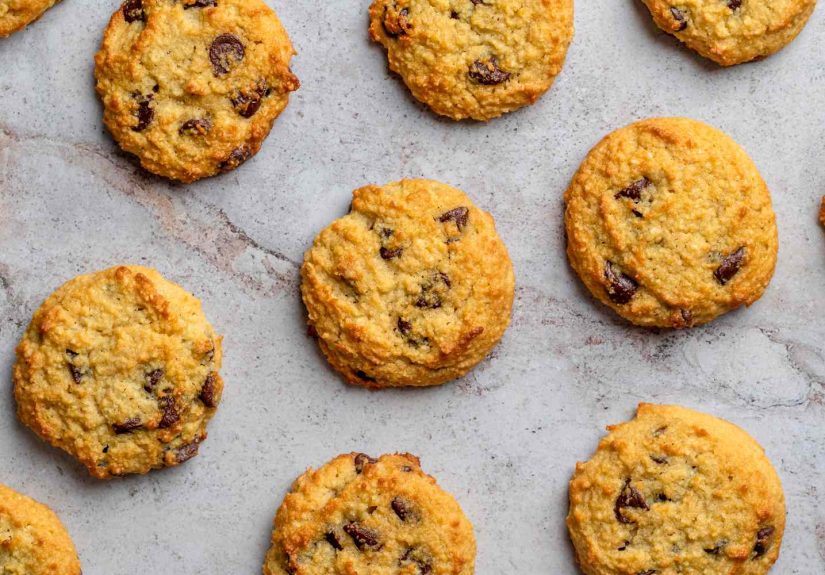
These cookies aim for option #2chewy centers, crisp-ish edges, melty chocolate, and the kind of “wait, this is keto?” moment you’ll want to repeat.
This guide gives you a reliable keto chocolate chip cookie recipe plus the “why it works” details:
the best low-carb sweeteners for cookies, how to avoid gritty texture, how to keep cookies thick and chewy, and how to store them so they don’t turn into sad little pebbles by tomorrow.
What Makes a Cookie “Keto” (Without Making It Weird)?
A classic chocolate chip cookie is basically a greatest-hits album of carbs: flour, sugar, and more sugar pretending to be brown sugar.
A keto version keeps the cookie vibes but swaps the high-carb ingredients for low-carb alternatives:
almond flour instead of wheat flour, and keto-friendly sweeteners instead of sugar.
The big goal is keeping carbs low enough for your day’s plan. Many keto eaters target a very low carb range overall, so a cookie that lands around
1–3g net carbs can fit more comfortably than a traditional cookie that blows past that in a couple of bites.
Ingredient Strategy: The Keto Cookie Equation
1) Flour: Almond Flour Is the MVP (But It Has Rules)
Almond flour is the go-to for low carb cookies because it’s naturally lower in carbs than wheat flour and adds a rich, slightly buttery flavor.
It also behaves differently: it doesn’t form gluten, so you’re not building stretchyou’re building structure with fat, egg, and smart mixing.
- Use blanched, finely milled almond flour for the most “bakery cookie” texture.
- Almond meal (with skins) is coarser and can taste a bit more “nutty granola bar.” Not badjust different.
- If your dough feels overly soft, a small amount of coconut flour can help. It’s very absorbent, so a tablespoon or two goes a long way.
2) Sweeteners: How to Avoid the “Minty Cold” Surprise
Keto cookies live or die by sweetener choice. You want sweetness, yesbut also texture.
Sugar doesn’t just sweeten; it helps cookies spread, brown, and set with that classic bite.
Keto sweeteners each bring a different superpower (and occasionally a weird side quest).
-
Erythritol / monk fruit blends: Great for structure and a classic cookie-style crispness. Can cause a “cooling” sensation for some people,
especially if the crystals don’t dissolve well. - Allulose: Acts more like sugar in baking (browns well, keeps cookies soft/chewy longer). It can make cookies spread more, so chilling the dough helps.
- Powdered sweetener: If you’ve ever bitten into a cookie and felt like it lightly sandblasted your molars, switching to powdered sweetener can help.
Practical rule: if you want crisper edges, lean toward erythritol blends. If you want soft and chewy for days, allulose is your friend.
If you want a “best of both worlds,” use a blend (example: half allulose + half monk fruit/erythritol).
3) Chocolate Chips: Choose the Right “Sugar-Free”
The best cookies use sugar-free chocolate chips sweetened with keto-friendly options like stevia, monk fruit, erythritol, or allulose.
Many keto bakers avoid chips made with maltitol because it can impact blood sugar more than other sugar alcohols and can upset some stomachs.
(Translation: it may not be worth it for a handful of chocolate.)
4) Fat + Egg: The Chewy Cookie Builders
Butter gives the best classic flavor, while coconut oil or plant-based butter can work if you’re dairy-free.
Eggs provide structure and help bind almond flour dough so it doesn’t crumble into “cookie gravel.”
5) Leavening + Salt: Small Ingredients, Big Payoff
A little baking soda (or baking powder) helps lift and spread. Salt is non-negotiableit makes chocolate taste more chocolatey.
If your cookies taste “flat,” it’s often not a sweetness issueit’s a salt issue.
Keto Chocolate Chip Cookie Recipe (Chewy, Bakery-Style)
This recipe is designed for the most-requested keto cookie texture: thick, chewy centers with edges that don’t feel like a protein bar.
It’s a one-bowl-friendly approach, but chilling the dough is the secret handshake.
Quick Details
- Prep time: 15 minutes
- Chill time: 20–30 minutes (recommended)
- Bake time: 9–11 minutes
- Yield: about 14–16 cookies (depending on scoop size)
- Oven: 350°F
Ingredients
- 2 cups (about 200g) finely milled blanched almond flour
- 1/2 cup granulated keto sweetener (see sweetener notes below)
- 2 tablespoons brown-style keto sweetener (optional, for “classic” cookie flavor)
- 1/2 teaspoon baking soda
- 1/2 teaspoon baking powder
- 1/2 teaspoon fine salt
- 1/2 cup (113g) unsalted butter, softened (or plant-based butter)
- 1 large egg, room temperature
- 1 large egg yolk (extra chew + richer texture)
- 2 teaspoons vanilla extract
- 3/4 cup sugar-free chocolate chips
- Optional (for extra chew): 1/2 teaspoon xanthan gum
Sweetener Notes (Pick One Path)
- Chewier + softer longer: allulose (use 1/2 cup)
- More classic crisp edges: monk fruit/erythritol blend (use 1/2 cup; powdered works best)
- Balanced: 1/4 cup allulose + 1/4 cup monk fruit/erythritol blend
Instructions
-
Prep. Heat oven to 350°F. Line a baking sheet with parchment paper.
(Silicone mats work too, but parchment often gives slightly better browning.) -
Mix dry ingredients. In a medium bowl, whisk almond flour, sweetener(s), baking soda, baking powder, and salt.
If using xanthan gum, whisk it in now so it distributes evenly. -
Cream the butter. In a large bowl, beat softened butter until smooth. Add the egg and yolk, then beat again.
Stir in vanilla. -
Make the dough. Add the dry mixture to the wet mixture and stir until a thick dough forms.
Fold in sugar-free chocolate chips. -
Chill (recommended). Cover and chill the dough 20–30 minutes.
This helps the almond flour hydrate and makes thicker cookies (less surprise spreading). -
Scoop. Scoop dough into 1 1/2-tablespoon balls and place them 2 inches apart.
Lightly press the topsjust a littleto help them bake evenly. -
Bake. Bake for 9–11 minutes, until edges look set and lightly golden.
The centers should look slightly underdone (that’s how you get chewy). -
Cool (important). Let cookies cool on the pan for 10 minutes before moving them.
Keto cookies firm up as they coolmoving them too early can cause breakage.
How to Tell They’re Done (Without Overbaking)
If you wait for the cookie to look fully firm in the center, you’ll usually end up with a drier result.
Look for set edges and a center that still looks a bit soft. Cooling does the rest.
Estimated Nutrition and Net Carbs (Plus a Simple Way to Calculate)
Keto baking nutrition can vary a lot based on your sweetener brand, chocolate chips, and cookie size.
As a rough estimate, many cookies made with almond flour and sugar-free chips land around:
1–3g net carbs per cookie when portioned into 14–16 cookies.
To calculate more accurately:
- Add up total carbs for all ingredients (from labels).
- Subtract fiber.
- For sugar alcohols and allulose, follow your label and your personal tracking method.
- Divide by number of cookies.
If you manage blood sugar (or have any medical concerns), it’s smart to treat “net carbs” as a toolnot a magic spelland check what works for you.
Troubleshooting: Fix the Usual Keto Cookie Problems
Problem: Cookies are gritty or have a cooling aftertaste
- Use powdered erythritol/monk fruit instead of granulated.
- Try a blend (half allulose + half erythritol blend).
- Let the dough rest/chill longer so sweetener can dissolve more during baking.
Problem: Cookies spread too much
- Chill the dough 30–60 minutes.
- Make sure butter isn’t melted or overly warm.
- Add 1–2 tablespoons more almond flour if dough seems loose.
Problem: Cookies are dry or crumbly
- Don’t overbakepull them when centers still look a little soft.
- Try adding the extra egg yolk (already included here) or 1 tablespoon butter.
- Consider the optional xanthan gum for a more classic chew/bind.
Problem: They taste “meh” even though the texture is fine
- Add an extra pinch of salt (seriously).
- Use a brown-style sweetener for more classic cookie flavor.
- Try a higher-cacao sugar-free chip for a deeper chocolate hit.
Easy Variations (Because Cookie Mood Swings Are Real)
Crispy Keto Chocolate Chip Cookies
Use an erythritol/monk fruit blend, flatten the dough balls a bit more, and bake 1–2 minutes longer.
Cool completely before eating for maximum crispness.
Extra-Soft “Stay Chewy” Cookies
Use allulose (or a half-and-half blend), chill the dough, and bake on the lower end of the time range.
Store airtight so they keep that soft bite.
Nut-Free Option (If You Need It)
Almond flour is a nut product, so for a nut-free version, many bakers experiment with sunflower seed flour.
Note: it can sometimes turn baked goods slightly green due to a natural reaction with baking soda.
It’s harmlessjust surprising, like cookie cosplay.
Dairy-Free Option
Swap butter for refined coconut oil or plant-based butter. Chill the dough well to control spreading.
Storage and Make-Ahead Tips
Room Temperature
Store cookies in an airtight container for 3–4 days. If using allulose, they may stay softer longer.
Freezing
Freeze baked cookies up to 2 months. Thaw at room temperature, or warm briefly for that fresh-baked feel.
You can also freeze cookie dough balls and bake from frozenjust add a couple extra minutes.
FAQ: Keto Chocolate Chip Cookies
Can I use coconut flour instead of almond flour?
Not 1:1. Coconut flour absorbs much more liquid, so you’d need a different recipe.
If you want to add it for structure, start with 1–2 tablespoons max.
Why do my keto cookies taste less sweet than regular cookies?
Keto sweeteners vary in sweetness level and how they “hit” your taste buds.
Also, regular sugar brings caramel notes when baked. Using a brown-style sweetener or a touch of allulose can help mimic that classic flavor.
What’s the best sweetener for the most “real cookie” vibe?
Many home bakers find a blend works best: allulose for chew + a monk fruit/erythritol blend for structure.
If you’re sensitive to cooling effects, lean more toward allulose.
Kitchen Notes: The Real-Life Keto Cookie Experience (500+ Words)
If you’ve ever made your first batch of keto cookies, you know the emotional arc is dramatic.
Step one is optimism. Step two is staring at almond flour like it owes you money. Step three is Googling “why do keto cookies crumble”
while holding a cookie that’s basically a delicious sandcastle.
Here’s the thing: the “experience” of keto chocolate chip cookies is less about secret ingredients and more about learning what to watch forlike a cookie detective,
but with chocolate on your sleeve. The first big lesson most bakers notice is that dough temperature matters more than it does with regular cookie dough.
With wheat flour and sugar, you can get away with a warm dough and still land somewhere cookie-adjacent. With almond flour and keto sweeteners, warm dough can spread fast,
giving you cookie thins that look like they’re trying to become lace.
Chilling dough feels like an annoying extra step until you taste the payoff: thicker cookies, better chew, and a more predictable bake.
It’s also where the dough texture changes in a helpful way. Almond flour needs time to hydrate, and sweeteners (especially granulated ones) benefit from a little rest.
After 20–30 minutes in the fridge, the dough often goes from “soft and slightly sticky” to “scoopable and cooperative.”
Cooperative dough is underrated. It’s basically therapy.
The second big experience-based moment is realizing that keto cookies finish baking as they cool.
This is the opposite of the “bake until done” instinct that regular cookies teach you.
If you pull them when they look perfect in the oven, they can cool into something a little too firm.
Pull them when the centers look slightly underdone, let them sit on the baking sheet, and suddenly you’ve got that chewy middle you were chasing.
It’s like the cookie is saying, “I’m not ready yet,” and you’re learning to respect its journey.
Then there’s the sweetener personality test. Some people bite into an erythritol-sweetened cookie and think, “Amazingtastes like a classic cookie.”
Others get the cooling effect and feel like their dessert is gently whispering, “Toothpaste, but make it chocolate.”
If you’re in that second group, you’re not doomed. Switching to powdered sweetener can reduce grit, and blending with allulose often softens the cooling sensation.
Allulose also tends to keep cookies softer for longer, which is a practical win if you’re the kind of person who likes “one cookie now, one cookie later.”
(Later meaning 20 minutes, obviously.)
Finally, the best keto cookie experience happens when you stop trying to make a keto cookie behave exactly like a traditional cookieand instead,
you learn the keto cookie’s rules. Use enough salt. Don’t overbake. Pick chocolate chips you actually like. Chill the dough.
And if you want to feel like a baking wizard, press a few extra chocolate chips on top right before baking so the cookies come out looking like a magazine cover.
Are you doing it for aesthetics? Yes. Is it also a morale boost? Also yes.
In short: keto chocolate chip cookies are absolutely worth making, especially once you’ve made them once.
The second batch is where you feel confident. The third batch is where you start “just making a double batch for the freezer,” which is the cookie version of planning ahead.
And the fourth batch is where you realize you’ve become the person who brings keto cookies to gatherings and watches people do a double-take after the first bite.
That’s not just baking. That’s a public service.