Table of Contents >> Show >> Hide
- What Is Ketosis, Exactly?
- Ketosis vs. Ketoacidosis: Not the Same Thing
- Potential Benefits of Ketosis
- Downsides and Risks You Shouldn’t Ignore
- Who Should Be Extra Careful (or Avoid Strict Keto)
- How to Do Ketosis More Safely (If You Choose It)
- Common Ketosis Myths (Quick Reality Check)
- Is Ketosis Right for You?
- Extended Experience Section: Real-World Ketosis Stories
- Final Takeaway
If nutrition trends had a red carpet, ketosis would arrive in sunglasses, carrying a butter coffee, and pretending it didn’t call the paparazzi.
But behind the hype, ketosis is a real metabolic state with real clinical uses, real potential benefits, and very real trade-offs.
This guide breaks it all down in plain American English: what ketosis is, what it can do, what it can’t do, and how to approach it safely without turning your kitchen into a biochemistry lab at 6 a.m.
The short version: ketosis is not magic, and it’s definitely not a personality trait.
It’s a fuel shift. You reduce carbohydrates enough that your body starts making ketones from fat, and those ketones become an alternate energy source.
Some people feel great in that state. Others feel like they got hit by a truck named “keto flu.”
Both experiences can be true.
What Is Ketosis, Exactly?
Ketosis is a metabolic state in which your body relies more on fat-derived molecules called ketone bodies for energy.
Normally, your body prefers glucose (from carbohydrates) as its main fuel.
When carbohydrate intake drops low enoughor during fastinginsulin levels fall, stored fat is mobilized, and your liver produces ketones.
Your brain and other tissues can then use these ketones for fuel.
How ketosis starts
- Carbohydrate intake drops significantly (often below about 50 grams/day, sometimes lower).
- Liver glycogen stores decline.
- Fat breakdown increases.
- The liver converts fatty acids into ketones (beta-hydroxybutyrate, acetoacetate, and acetone).
Think of glucose as your home’s main power line and ketones as a backup generator.
The generator works. In some cases, it works very well. But it changes how the whole system behaves.
Ketosis vs. Ketoacidosis: Not the Same Thing
This distinction matters a lot. Nutritional ketosis (from low-carb eating or fasting) is usually a controlled, mild rise in ketones.
Diabetic ketoacidosis (DKA) is a dangerous medical emergency associated with severe insulin deficiency and very high blood glucose.
Confusing these two is like confusing a campfire with a house fire because both involve flames.
Nutritional ketosis
- Typically planned and monitored through diet.
- Blood ketones are elevated but generally within nutritional ranges.
- Common in low-carb or ketogenic approaches.
Diabetic ketoacidosis (DKA)
- Usually occurs in people with diabetes when insulin is insufficient.
- Can involve nausea, vomiting, abdominal pain, rapid breathing, dehydration, and fruity breath.
- Requires urgent medical attention.
If someone has diabetes and symptoms suggestive of DKA, this is not a “wait and see” situation.
It is an emergency.
Potential Benefits of Ketosis
1) Weight loss and appetite control
Many people lose weight in the first weeks of a ketogenic diet.
Part of that early drop is water (glycogen carries water), but fat loss can happen tooespecially if total calorie intake falls.
Some people naturally eat less because keto meals are often more satiating (higher protein/fat, fewer ultra-processed snacks).
Here’s the key reality check: long-term weight loss success depends less on trendy macros and more on adherence, food quality, sleep, stress, movement, and consistency.
In several head-to-head comparisons of low-carb vs low-fat patterns, average long-term weight-loss differences are often modest.
Translation: the “best” diet is the one you can follow without feeling miserable.
2) Blood sugar management (especially in insulin-resistant adults)
Lower carb intake can reduce post-meal glucose spikes and may improve glycemic markers in some adults, particularly those with insulin resistance or type 2 diabetes.
Some people can reduce medication burden under clinician supervision.
But this is not a DIY medication experiment.
If glucose-lowering meds are involved, medical supervision is essential to prevent hypoglycemia.
3) Therapeutic use in epilepsy
Ketogenic therapy has a long clinical history in drug-resistant epilepsy, especially in pediatric settings.
In specialist programs, structured ketogenic protocols can reduce seizure frequency in selected patients.
This is one of the strongest established medical uses of ketosis.
4) Possible metabolic effects
Some individuals see improvements in triglycerides, HDL cholesterol, and appetite regulation.
Others report clearer focus once adapted.
But “possible” is the operative word.
Human response varies a lot, and outliers are common.
The same protocol can make one person feel incredible and another person feel like a low-battery smartphone.
Downsides and Risks You Shouldn’t Ignore
1) The infamous “keto flu”
During the first days to weeks, people may experience fatigue, headache, irritability, brain fog, cramps, constipation, poor sleep, and low mood.
This often improves, but not always.
Electrolyte and fluid shifts are usually part of the story.
2) Fiber and micronutrient gaps
Very restrictive low-carb patterns can crowd out fruits, legumes, and whole grains, which may reduce fiber and key nutrients.
If keto is built on bacon, butter, and wishful thinking, constipation and nutrient shortfalls are not surprising.
A well-formulated plan should emphasize non-starchy vegetables, nuts, seeds, and carefully selected foods to maintain nutrient density.
3) Lipid changes can go either way
This is where nuance matters.
Some people improve triglycerides and HDL.
Some also experience substantial increases in LDL cholesterol or ApoB, which may raise cardiovascular concern depending on the full risk profile.
The composition of fat sources matters: unsaturated-fat-forward patterns generally look better than saturated-fat-heavy patterns.
Monitoring is not optional if you care about long-term risk.
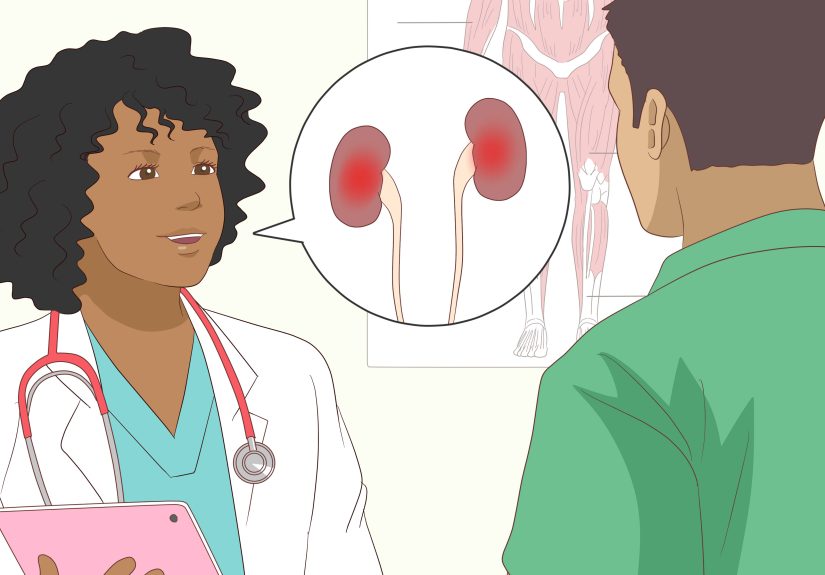
4) GI and kidney-related concerns
GI issues (constipation, nausea) are common early complaints.
In specific clinical contexts, kidney stone risk can increase, especially if hydration and mineral management are poor.
Individuals with kidney disease, liver disease, pancreatitis history, or complex medical conditions should not self-prescribe strict ketogenic diets.
5) Social and psychological burden
Keto can be hard to sustain at birthday parties, family dinners, school cafeterias, and holidays where pie exists and politely refuses to be ignored.
Overly rigid food rules can also trigger all-or-nothing eating patterns in some people.
A plan that “works” physiologically but destroys your social life and mental bandwidth may not be a win.
Who Should Be Extra Careful (or Avoid Strict Keto)
- People with type 1 diabetes unless closely supervised by a specialist team.
- Anyone with a history of eating disorders or severe food restriction patterns.
- People who are pregnant or breastfeeding unless medically directed otherwise.
- Those with kidney, liver, pancreatic, or gallbladder disease who have not cleared the plan with a clinician.
- Children and teens outside medical programs (growth and nutrient needs are high; strict restriction can backfire).
If you are under 18, do not start a strict ketogenic diet without a qualified healthcare professional and guardian support.
Growing bodies need reliable energy and nutrient diversity.
How to Do Ketosis More Safely (If You Choose It)
1) Prioritize food quality over macro obsession
Build meals around fish, eggs, tofu/tempeh, olive oil, avocado, nuts, seeds, and plenty of low-carb vegetables.
“Low carb” does not mean “zero plants.”
2) Keep protein adequate
Protein supports muscle, immune function, and satiety.
Too little protein is a common mistake when people over-focus on fat targets.
3) Hydrate and mind electrolytes
Early carb restriction shifts fluid and sodium handling.
Hydration and electrolytes can ease adaptation symptoms.
If you have blood pressure, kidney, or heart issues, ask your clinician before making major sodium changes.
4) Track outcomes, not internet promises
- Energy, sleep, hunger, mood, exercise performance
- Weight and waist trends over time
- Labs with your clinician: glucose metrics, lipids, kidney function, and other relevant markers
5) Use an exit strategy
Not everyone needs lifelong strict ketosis.
Some do better transitioning to a less restrictive, lower-refined-carb pattern that preserves benefits with better sustainability.
Common Ketosis Myths (Quick Reality Check)
Myth 1: “Ketosis melts fat no matter how much I eat.”
Energy balance still matters. Ketosis is not a calorie force field.
Myth 2: “If I’m in ketosis, my diet is healthy.”
You can be in ketosis on nutrient-poor foods. Ketosis status does not equal diet quality.
Myth 3: “Everyone should do keto.”
Different people respond differently. Personalized nutrition beats one-size-fits-all.
Myth 4: “Higher ketones always mean better results.”
Not necessarily. More ketones do not automatically mean better fat loss, better labs, or better health.
Myth 5: “Carbs are evil.”
Carbs are a tool. Quality, amount, and context matter more than dogma.
Is Ketosis Right for You?
A practical decision framework:
- Goal clarity: Are you targeting weight loss, glycemic control, seizure management, or curiosity?
- Medical context: Any conditions or medications that change safety?
- Lifestyle fit: Can you sustain this pattern socially, financially, and psychologically?
- Data feedback: Are symptoms, performance, and labs improving?
- Long-term plan: Is this a phase, a therapy, or a permanent eating style?
If your answer to #3 is “I hate every bite,” ketosis may not be your pathand that is perfectly fine.
There is no single golden diet.
There is only the pattern that supports your health outcomes and your real life.
Extended Experience Section: Real-World Ketosis Stories
The following are composite, educational experience snapshots based on common patterns seen in practice and reported by adults.
They are not individual medical advice, but they can help you picture how different responses to ketosis can look in real life.
Experience 1: “The Fast Starter”
Alex, a 34-year-old desk worker, switched from frequent takeout and sugary drinks to a structured ketogenic plan.
In the first week, weight dropped quickly, motivation shot up, and confidence was sky-high.
Week two was rough: headaches, low energy, and crankiness made every email feel personal.
After adjusting fluid intake, sodium, and meal timing, symptoms eased.
By month two, Alex had better appetite control and fewer late-night snack raids.
The biggest lesson: the first seven days were not the final verdict.
Adaptation mattered, and so did planning.
Keto worked for Alex not because it was trendy, but because it replaced chaotic eating with predictable routines.
Experience 2: “Great Glucose, Mixed Feelings”
Maria, age 49, had insulin resistance and wanted fewer blood sugar swings.
Under clinician guidance, she used a lower-carb ketogenic approach and monitored glucose trends closely.
Her post-meal spikes improved, and she felt less “afternoon crash.”
But socially, the plan was exhausting.
Restaurant meals became strategy meetings.
Family gatherings turned into carb math contests.
After several months, she transitioned to a moderate low-carb Mediterranean-style pattern.
Her glucose remained better than baseline, and the new approach felt sustainable.
Her takeaway: ketosis can be a useful tool, but a sustainable middle ground may win long term.
Experience 3: “The Lipid Surprise”
Jordan, a fit 29-year-old, expected all biomarkers to improve on keto.
Energy did improve.
Triglycerides improved.
But LDL cholesterol rose sharply.
This was frustrating because Jordan felt physically great and assumed “feeling good” and “all labs perfect” were the same thing.
They aren’t.
With clinical follow-up, Jordan shifted fat sources toward olive oil, nuts, seeds, and fatty fish, reduced saturated fat load, and rechecked labs.
Numbers partially improved, but not fully.
Final decision: continue a less extreme low-carb plan with ongoing monitoring.
Lesson learned: your body does not read internet slogans; it responds to biology.
Experience 4: “Performance Dip, Then Recovery”
Devin, a recreational athlete, tried keto for body composition.
The first month was a performance messinterval workouts felt harder, and sprint power dipped.
Endurance sessions became manageable after adaptation, but high-intensity output stayed inconsistent.
Devin eventually used targeted carbohydrate timing around hard sessions while keeping overall carbs lower than pre-keto.
This hybrid approach restored training quality and preserved appetite control.
Main insight: metabolic adaptation can help steady-state performance, but high-intensity demands may require strategic flexibility.
One macro rule for all sports and all bodies is usually a bad bet.
Experience 5: “The Minimalist Fix”
Renee did not want strict ketosis, finger-prick monitoring, or recipe complexity.
Instead of full keto, she removed sweet drinks, cut refined snacks, prioritized protein, and loaded half her plate with vegetables.
Carbs dropped naturally, but not into strict ketogenic levels.
Her weight trend improved, hunger became manageable, and labs moved in the right direction.
Renee’s experience is a useful reminder: many benefits people seek from keto can also happen with less restrictive approaches if diet quality improves.
Sometimes the “best” plan is the one that requires less willpower and more repeatable habits.
Experience 6: “Why Supervision Matters”
A parent of a child with drug-resistant epilepsy joined a specialist ketogenic program.
Unlike social-media keto, this was precise medical nutrition therapy with measured meals, family education, and close follow-up.
It required discipline, but seizure burden improved.
The family also learned to manage side effects and maintain safety through regular monitoring.
Their biggest insight: therapeutic ketosis is not a casual trend; in medical contexts, it is structured, supervised, and individualized.
Trying to copy a clinical protocol from random online posts would have been risky.
Across all these experiences, the same pattern appears: ketosis is a tool, not an identity.
For some people, it is transformative.
For others, it is too restrictive or biologically mismatched.
Success usually comes from personalization, monitoring, and honest sustainability checksnot from extremes.
Final Takeaway
Ketosis can be effective for specific goals, especially when done intentionally and monitored appropriately.
It may improve appetite control, glycemic stability, and, in clinical settings, seizure outcomes.
But it can also bring side effects, adherence challenges, and in some individuals, unfavorable lipid responses.
If you choose ketosis, focus on food quality, hydration, adequate protein, and objective follow-upnot just ketone numbers.
If ketosis doesn’t fit your life or labs, that is not failure; that is good decision-making.