Table of Contents >> Show >> Hide
- Why Kitchen Color Schemes Matter More Than You Think
- How to Choose the Right Kitchen Color Scheme
- Best Kitchen Color Schemes to Try
- Color Strategies for Different Kitchen Styles
- Mistakes to Avoid With Kitchen Color Schemes
- How to Make a Kitchen Color Scheme Feel Expensive
- Real-Life Experiences With Kitchen Color Schemes
- Conclusion
Note: This is clean, web-ready HTML body content in standard American English, written as an original article for publication.
The kitchen may be where dinner happens, but let’s be honest: it is also where design opinions go to fight. One person wants a bright white kitchen that looks like it meditates at sunrise. Another wants moody green cabinets, brass hardware, and the emotional depth of a prestige drama. Both are valid. That is exactly why choosing the right kitchen color scheme matters so much.
A great kitchen color scheme does more than make cabinets look handsome. It sets the mood, influences how spacious the room feels, and helps tie together countertops, backsplash tile, flooring, hardware, and lighting. The best palettes are not just “pretty.” They are practical, flattering in natural and artificial light, and flexible enough to survive trend shifts without making you sigh every time you reach for a coffee mug.
Today’s most successful kitchen color schemes lean warmer, more layered, and more personal than the stark all-white kitchens that dominated for years. Think creamy whites, earthy greens, deep blues, warm wood tones, soft taupes, and two-tone combinations that break up visual bulk. In other words, kitchens are getting more character and less “dental office with a toaster.”
Why Kitchen Color Schemes Matter More Than You Think
Color is the first thing people feel in a kitchen, even before they consciously notice the countertop edge profile or the shape of the faucet. Warm shades can make a large kitchen feel friendlier. Cool colors can calm a busy household. High-contrast combinations add energy and structure. Soft, tonal palettes create an easy, collected look that reads expensive even when your budget politely disagrees.
Kitchen color schemes also solve design problems. A lighter wall color can help a compact kitchen feel more open. Dark lower cabinets can ground a room with soaring ceilings. A painted island can add personality without forcing you to commit to a fully colorful kitchen. And when cabinets, walls, tile, and wood finishes share complementary undertones, the whole room feels intentional instead of accidentally assembled between three home improvement stores and a panic spiral.
How to Choose the Right Kitchen Color Scheme
1. Start with the fixed elements
Before you fall in love with sage green on social media, look at what is not changing. Your floor, countertops, backsplash, and appliances all affect which kitchen paint colors will work. If your counters have warm veining, a cold blue-gray cabinet color may feel slightly off. If your flooring has orange or red undertones, super-cool whites can look strangely icy.
2. Study the lighting like it owes you money
Natural light changes everything. A north-facing kitchen may make some grays look chilly and some whites look flat. A sunny south-facing room can warm up creams, taupes, and yellows beautifully. Always test samples on multiple walls and view them in morning, afternoon, and evening light. Yes, this is mildly annoying. Yes, it is worth it.
3. Decide how much color commitment you want
Not every homeowner wants a ruby-red kitchen. Some people want color in a polite, well-mannered way. Others want their island to enter the room before they do. Decide whether your color scheme should be subtle, balanced, or bold. That choice will guide whether you keep color on walls, cabinets, the island, tile, or accents.
4. Think in undertones, not just names
“White,” “green,” and “blue” are not useful enough on their own. A creamy white behaves very differently from a bright white. An olive green feels more grounded than a mint green. A navy with gray undertones feels tailored, while a navy with teal undertones feels livelier. Undertones are where kitchen color schemes either become magic or quietly fall apart.
Best Kitchen Color Schemes to Try
Warm White and Natural Wood
This is one of the most dependable kitchen color schemes for a reason. Warm white cabinets or walls paired with white oak, walnut, or butcher block create a kitchen that feels clean but not sterile. It works in farmhouse, Scandinavian, transitional, and modern kitchens. Add matte black hardware for contrast or brass for warmth. This palette is ideal if you want timeless appeal with a softer personality than crisp all-white kitchens.
Sage Green, Cream, and Brass
Sage green remains popular because it sits in that sweet spot between color and neutrality. It has enough presence to feel fresh, but it does not scream for attention like a caffeinated lemon yellow. Pair sage cabinets with creamy walls, warm white tile, and unlacquered brass or brushed brass hardware. The result is relaxed, welcoming, and slightly elevated, like a kitchen that bakes bread but also knows what a linen apron costs.
Navy Blue and Crisp White
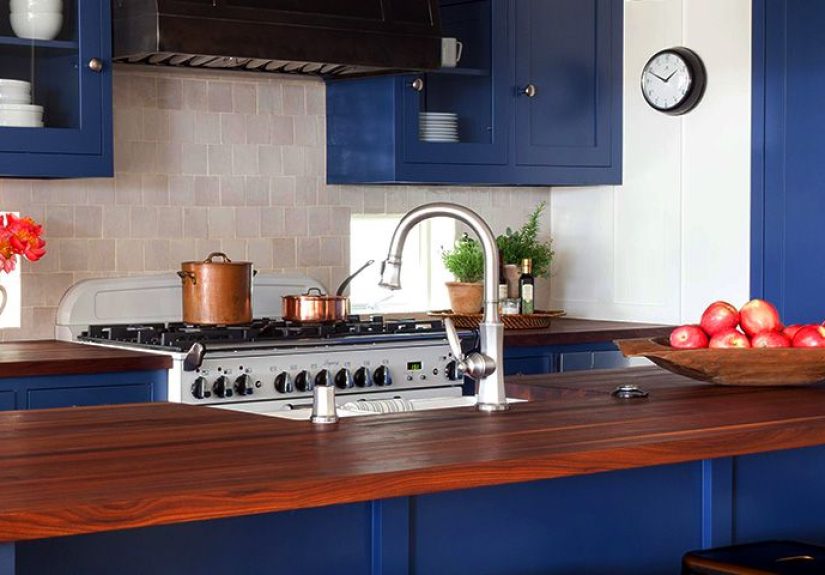
If you want a classic kitchen color scheme with a little formality, navy and white are hard to beat. Navy lower cabinets or a navy island bring depth, while white uppers or walls keep the space open. This combination works beautifully with marble-look counters, polished nickel hardware, and medium-tone wood floors. It is bold enough to feel intentional and traditional enough to age well.
Greige, Black, and Oak
For homeowners who want neutral but not boring, greige is the overachiever of kitchen paint colors. A warm greige cabinet color paired with black fixtures, black-framed lighting, and oak accents creates a refined, architectural look. This scheme feels especially strong in contemporary and transitional kitchens where texture matters as much as color.
Charcoal, Warm White, and Gold
Dark kitchens can be gorgeous when balanced correctly. Charcoal cabinets bring drama and sophistication, while warm white walls or backsplash tile prevent the room from feeling cave-like. Add gold or champagne bronze hardware for a little glow. This palette works best in kitchens with good natural light or layered lighting, because beautiful color still needs help after sunset.
Blue-Green and Soft White
Blue-green is perfect for anyone who finds pure blue too cold and pure green too earthy. It feels coastal, collected, and just interesting enough. Use it on cabinetry or the island, then soften it with off-white walls and subtle stone surfaces. This is one of those kitchen color schemes that feels cheerful without becoming loud.
Terracotta, Putty, and Walnut
Earthy colors are having a moment, and honestly, it is a deserved comeback. Terracotta accents, clay-toned islands, or even a warm backsplash paired with putty walls and walnut elements create a kitchen that feels grounded and memorable. This palette is especially strong in homes that lean Mediterranean, rustic, or vintage-inspired.
Black and White with Wood Accents
Yes, black and white is classic. No, it does not have to feel stark. The trick is adding wood, woven textures, or a warmer white to soften the contrast. Black lower cabinets, white uppers, and a wood island stool or floating shelf setup can create a kitchen that feels graphic yet livable. This is a strong choice if you want a high-contrast look without committing to trendy color.
Butter Yellow, Cream, and Light Oak
For years, yellow kitchens got a bad reputation thanks to overly intense shades that felt like a caution sign. But softer buttery yellows are making a gentler, more sophisticated return. Paired with cream and pale wood, they create a cheerful kitchen that feels sunny and nostalgic rather than cartoonish. This scheme is especially charming in smaller kitchens that need warmth.
Two-Tone Cabinets with a Statement Island
Two-tone cabinetry is one of the smartest kitchen color ideas because it adds depth without overwhelming the room. Try light upper cabinets with darker lowers, or keep perimeter cabinets neutral and paint the island in a richer shade like navy, forest green, charcoal, or muted terracotta. This approach helps define zones and makes large kitchens feel more layered.
Color Strategies for Different Kitchen Styles
For small kitchens
Lighter kitchen color schemes usually work best, especially warm whites, soft greiges, pale greens, and creamy taupes. These shades reflect light and keep the room from feeling boxed in. If you want contrast, use it sparingly on the island, open shelving, or hardware rather than on every cabinet.
For large kitchens
Bigger kitchens can handle more visual weight. Darker cabinet colors, deeper islands, richer wall tones, and mixed materials often look better in a spacious room than they would in a compact one. A large kitchen can also support more dramatic contrasts without feeling crowded.
For traditional kitchens
Try warm whites, navy, deep green, mushroom, taupe, or cream paired with wood and classic hardware finishes. Traditional kitchens benefit from color schemes that feel rooted and elegant rather than overly sharp.
For modern kitchens
Consider streamlined palettes such as greige and black, warm white and oak, charcoal and brass, or monochromatic beige. In a modern kitchen, the magic often comes from restraint, texture, and clean contrast rather than a rainbow of competing finishes.
Mistakes to Avoid With Kitchen Color Schemes
The first mistake is choosing paint before understanding the room’s undertones. The second is copying a photo without considering your own lighting. The third is treating every surface like it has to “match.” A great kitchen color scheme should coordinate, not clone itself into submission.
Another common mistake is using a trendy color everywhere. A color you love on an island may feel exhausting across 30 cabinet doors. If you are nervous, put the boldest shade on the easiest element to repaint. Your future self may send a thank-you note. Or at least stop muttering while making coffee.
How to Make a Kitchen Color Scheme Feel Expensive
Expensive-looking kitchens usually rely on restraint, layering, and consistency. Use no more than two or three major colors. Repeat your metal finish thoughtfully. Pair painted surfaces with natural materials like wood, stone, linen, or handmade-looking tile. Favor colors with softness and depth over anything too harsh or one-note.
Also, remember that sheen matters. The same color can look flat, elegant, or plasticky depending on the finish. Cabinet paint should feel durable and furniture-like, while walls should be easy to clean without turning your kitchen into a reflective science experiment.
Real-Life Experiences With Kitchen Color Schemes
One of the most interesting things about kitchen color schemes is how differently they live in real homes compared with perfectly styled photos. A creamy white kitchen may seem simple online, but in daily life it can feel calm, bright, and incredibly forgiving when paired with warm wood and textured finishes. It is the difference between “plain” and “peaceful,” which becomes obvious the moment sunlight hits the cabinets at 8 a.m. and the whole room starts looking like it has its life together.
Green kitchens are another great example. People often worry that sage or olive cabinets will feel too trendy, but many homeowners end up describing them as surprisingly neutral. Green plays nicely with wood cutting boards, plants, brass hardware, white dishes, and stone counters. In real use, it often reads less like a “statement color” and more like a backdrop that makes everything else in the kitchen look better. It is a rare overachiever.
Navy kitchens tend to create a different experience. They feel polished, tailored, and a little dramatic in the best way. But they also teach an important lesson: dark color needs balance. In homes with strong natural light, navy can look rich and crisp all day. In darker spaces, it may need warmer whites, good under-cabinet lighting, and reflective surfaces to keep the room from feeling too heavy by evening. That is why testing color in real conditions matters more than falling in love with a tiny paint chip under store lighting that has all the emotional warmth of an airport.
Two-tone kitchens often get the most positive long-term reviews because they are easier to live with. Homeowners like having the visual interest of color without feeling boxed into one dominant shade. A wood island with painted perimeter cabinets, or dark lowers with light uppers, tends to feel dynamic while still flexible. It also hides everyday wear more gracefully, which is useful if your kitchen is less “showroom reveal” and more “family headquarters with snack-related emergencies.”
Warm neutrals also deserve more respect than they usually get. Beige, greige, taupe, and putty may not sound thrilling on paper, but in practice they can make a kitchen feel settled, elegant, and easy to decorate season after season. They work beautifully with changing textiles, art, ceramics, and hardware finishes. Homeowners who choose these softer tones often say the kitchen feels more inviting over time, not less. That is a huge win, especially in a room you use every single day.
The biggest real-world takeaway is this: the best kitchen color schemes are not always the boldest or the most trend-forward. They are the ones that make the room feel good in motion, in changing light, on rushed mornings, during holiday cooking chaos, and on ordinary Tuesday nights when you are just trying to reheat leftovers with dignity. A beautiful kitchen should look good in photos, yes. But it should also make real life feel a little better. That is the color test that actually counts.
Conclusion
The best kitchen color schemes balance personality with practicality. Warm whites and wood are timeless, green and blue kitchens offer color without chaos, earthy tones bring comfort, and two-tone cabinetry adds depth without committing the whole room to one idea. The smartest approach is to respect your lighting, work with undertones, and choose a palette that feels good both visually and emotionally. A kitchen is not just a place to cook. It is a place to live, gather, and occasionally overthink paint swatches. Choose colors that can handle all three.