Table of Contents >> Show >> Hide
- What Pink Eye Actually Is
- What Pink Eye Looks Like at First Glance
- How Pink Eye Looks by Type
- Symptoms That Usually Travel With the Look
- What Pink Eye Does Not Always Look Like
- When You Should Get Medical Care Promptly
- How Pink Eye Is Usually Treated
- How Long the Look Lasts
- How to Tell if It Is Time to Stop Guessing
- Common Experiences People Have With Pink Eye
- Conclusion
Pink eye has one of those medical nicknames that sounds almost cute, like a harmless cartoon problem. Then you wake up with a red eye, sticky lashes, and the strange feeling that someone replaced your tears with craft glue, and suddenly it is not cute at all. The good news is that pink eye, also called conjunctivitis, is usually easy to recognize once you know what to look for. The less-good news is that not every red eye is pink eye, and sometimes a “simple” case of redness can be something that needs prompt medical care.
If you have ever wondered whether pink eye always looks bright pink, whether discharge means it is bacterial, or whether itchy eyes point to allergies instead of infection, you are asking exactly the right questions. This guide breaks down what pink eye looks like, how its appearance changes depending on the cause, what symptoms tend to travel with it, and when a red eye deserves more than a wait-and-see approach.
What Pink Eye Actually Is
Pink eye is inflammation of the conjunctiva, the thin, clear tissue that covers the white part of your eye and lines the inside of your eyelids. When that tissue gets irritated or infected, tiny blood vessels become more visible. That is why the eye looks pink, red, or just plain angry. It is not always dramatic. Some cases look mildly flushed, while others look like the eye spent the night binge-watching sad movies and rubbing itself the whole time.
The most common causes of pink eye are viral infections, bacterial infections, allergies, and irritants such as smoke, chlorine, or chemicals. Contact lens wear can also play a role, especially if lenses are worn too long, cleaned poorly, or used while the eye is already irritated. In babies, pink eye can have special causes and deserves extra caution.
What Pink Eye Looks Like at First Glance
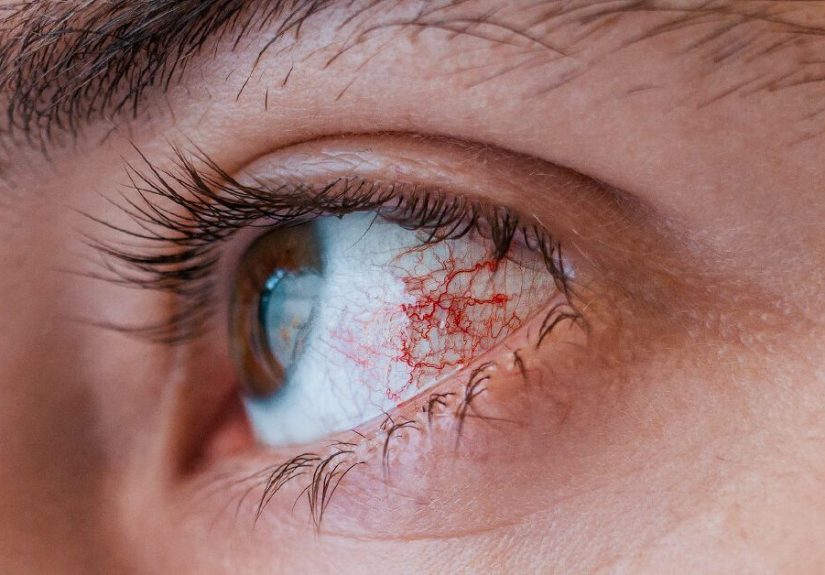
The classic appearance of pink eye is redness in the white of the eye, but that is only the beginning. A true case often comes with a few other visual clues. The eye may look watery, glossy, puffy, crusty, or mildly swollen around the lids. In some people, the redness is mostly near the lower lid or in the inner corner. In others, the whole white part of the eye becomes flushed.
Common visible signs include:
Red or pink coloring in the white of the eye. Swelling of the conjunctiva or eyelids. A watery or mucus-like discharge. Crusting on the eyelashes, especially after sleep. A “goopy” look that can make the lids stick together in the morning. Sometimes one eye is affected first, and then the other joins the party a day or two later.
Pink eye can also make the eye look irritated rather than deeply red. That is why people sometimes miss it early on. They think it is lack of sleep, seasonal allergies, or a little dust. Then the tearing, stickiness, or itching ramps up, and the mystery solves itself.
How Pink Eye Looks by Type
Viral Pink Eye
Viral pink eye is the most common type. It often shows up with a watery eye, mild swelling, and a pink-to-red color that can spread from one eye to the other. The discharge is usually thinner and clearer than with bacterial cases. Many people describe a gritty feeling, like there is sand in the eye even though there is not. If you have a cold, sore throat, runny nose, or recent upper respiratory infection, viral conjunctivitis becomes more likely.
What it looks like in real life: the eye may seem shiny, tearful, and irritated rather than thickly crusted. The lashes may not be glued shut, but the eye can still look messy and inflamed. Some people also notice mild light sensitivity and puffiness around the lids.
Bacterial Pink Eye
Bacterial pink eye often looks goopier. That is the glamorous medical term we all deserve. The discharge is more likely to be thick, yellow, white-yellow, or greenish. It can build up during the night and leave the eyelashes stuck together by morning. The white of the eye is red, the lids may look swollen, and wiping the discharge away may help only temporarily because it can return fairly quickly.
What it looks like in real life: instead of simple watering, there is obvious drainage. The eye may look glued, crusted, or smeared with mucus. Some people notice it mostly in one eye at first, though it can spread to the other eye too.
Allergic Pink Eye
Allergic conjunctivitis has its own personality, and that personality is “itchy.” If the eyes are red and watery but the itch is intense, allergies move higher on the list. This form usually affects both eyes at the same time. The lids can look puffy, the eyes can water a lot, and the redness may come and go depending on exposure to pollen, dust, pet dander, or mold.
What it looks like in real life: both eyes look irritated, watery, and swollen, but not necessarily infected. The discharge is usually clear or stringy rather than thick and pus-like. Rubbing is common, which can make the redness even worse.
Irritant or Chemical Pink Eye
Sometimes pink eye is not an infection at all. Smoke, chlorine, air pollution, cosmetics, eye drops, or accidental exposure to a chemical can inflame the conjunctiva. In that case, the eye may look suddenly red and watery, with burning or stinging being more noticeable than itch. If only one eye was exposed, only one eye may react.
What it looks like in real life: sudden redness, lots of tearing, and irritation after a clear trigger. If symptoms are severe or a chemical was involved, this is not the moment to experiment with internet courage. Immediate medical advice matters.
Symptoms That Usually Travel With the Look
Pink eye is not diagnosed by color alone. Doctors pay attention to the full pattern. Beyond redness, common symptoms include tearing, burning, itching, a gritty feeling, discharge, crusting, and mild swelling of the eyelids. Some people say it feels like they have an eyelash trapped in the eye. Others say it feels sore but not exactly painful.
That distinction matters. Mild discomfort can fit pink eye. Significant pain is more concerning. Blurry vision that does not clear with blinking, major light sensitivity, severe swelling, or trouble keeping the eye open can point to something more serious than routine conjunctivitis.
What Pink Eye Does Not Always Look Like
This is where things get interesting. Not every red eye is pink eye. A few conditions can mimic it and deserve more urgent attention. Keratitis, which affects the cornea, can cause redness but is more likely to come with pain, light sensitivity, and vision changes. Iritis can also cause redness with deeper pain and sensitivity to light. Blepharitis can create crusting and irritation around the eyelids. A blocked tear duct, especially in children, can lead to watery or goopy eyes that look suspiciously similar. Dry eye can make the eyes red, scratchy, and watery too, which feels unfair but is medically very on-brand.
In other words, pink eye is common, but it is not the only reason an eye turns red. If the symptoms do not fit the usual pattern, get checked instead of playing detective for three days with a mirror and false confidence.
When You Should Get Medical Care Promptly
There are moments when a red eye should not be handled as casual home drama. Seek medical advice promptly if you have moderate or severe eye pain, sensitivity to light, blurred vision that does not improve when you blink, intense swelling, symptoms that are worsening instead of improving, or a weakened immune system. Contact lens wearers should be extra careful because eye redness in lens users can sometimes signal more serious corneal problems.
Newborns with pink eye symptoms need medical attention right away. In very young babies, eye discharge and redness can be linked to infections or blocked tear ducts, and the evaluation should not be delayed.
How Pink Eye Is Usually Treated
Treatment depends on the cause, which is why guessing can backfire. Viral pink eye often clears on its own with time and supportive care. Antibiotics do not help viruses, even if we all wish eye drops possessed magical emotional support powers. Bacterial pink eye may be treated with antibiotic drops or ointment, especially when discharge is thick or symptoms are significant. Allergic pink eye usually improves with allergy-focused treatment such as antihistamine eye drops, oral allergy medicine, and avoiding triggers.
Helpful home-care basics
Cool or warm compresses can ease discomfort. Artificial tears may help dryness and irritation. Contact lenses should be stopped until the eye is back to normal and a clinician says it is safe to resume. Avoid sharing towels, pillowcases, eye makeup, or washcloths, and wash your hands often. Also, do not touch the dropper tip of eye medication to the eye, and do not use someone else’s leftover eye drops. Hand-me-down jeans are one thing. Hand-me-down eye medicine is another.
How Long the Look Lasts
The timeline depends on the cause. Viral pink eye often improves over days to a couple of weeks. Bacterial cases may improve quickly with treatment, though some mild cases also resolve without much intervention. Allergic pink eye may stick around or flare repeatedly as long as the trigger remains in your world, which is awkward if the trigger is spring itself.
Contagious pink eye is usually the viral or bacterial kind. Allergic conjunctivitis is not contagious. Good hygiene matters because touching the eyes and then touching surfaces, towels, or makeup can help spread infection.
How to Tell if It Is Time to Stop Guessing
If the eye is simply a little pink, a little watery, and clearly tied to allergies or a recent cold, you may have a pretty good clue. But if the discharge is thick, the lids are sealing shut, the symptoms are worsening, or vision feels off, it is time to let a healthcare professional take over. The eye is not a place for improv medicine.
The biggest lesson is this: pink eye usually looks like redness plus a pattern. Watery and gritty often leans viral. Thick discharge and stuck lashes can lean bacterial. Intense itching in both eyes often suggests allergies. Burning after exposure can point to irritation. But appearance alone does not diagnose every case, and serious eye problems can wear a convincing disguise.
Common Experiences People Have With Pink Eye
One of the most common experiences people describe is waking up and immediately knowing something is off before they even make it to the bathroom mirror. The eyelids feel sticky, the lashes seem glued together, and opening the eye takes patience, warm water, and a level of morning grace that few people possess. When they finally look in the mirror, the white of the eye is red, the lid is a little puffy, and the whole thing looks as if sleep somehow turned into a tiny eye rebellion overnight.
Another familiar experience is the viral version that shows up right after a cold. A person starts with a sore throat or runny nose, then notices one eye watering more than usual. By afternoon, that eye looks pink and irritated. By the next day, the second eye may join in. People often say it feels less like sharp pain and more like constant annoyance, as though a grain of sand is camping under the eyelid and refuses to pay rent.
Parents often notice pink eye first in a child at the breakfast table. A kid comes downstairs with one eye half-open, lashes crusted, and a look that says, “I do not know what happened, but I blame sleep.” Children may not explain the feeling clearly. They might just rub the eye, squint, or complain that it itches. The eye may look dramatic, but the child otherwise seems fine, which is one reason pink eye can create so much guesswork at home.
Allergy-related pink eye brings a different kind of experience. Instead of thick discharge, people describe nonstop itching. They rub, the eyes get redder, they rub again, and the cycle continues like a bad sequel nobody requested. The lids can puff up, tears keep streaming, and both eyes usually look irritated at once. Many people realize the pattern only after they notice it happens during pollen season, after cleaning a dusty room, or while spending quality time with a beloved but very fluffy pet.
Contact lens wearers sometimes have their own version of the story. The first sign may be that lenses suddenly feel unbearable. The eyes burn, water, and look redder than usual. Some people assume they just overwore the lenses, but persistent redness can be a sign that the problem needs more attention. That experience is a good reminder that red eyes and contact lenses are not a combination to shrug off casually.
There is also the social experience, which is real and surprisingly memorable. People with pink eye often become deeply aware of how often they touch their face, share towels, or rub their eyes without thinking. They start washing hands like a surgeon, hiding pillowcases in the laundry, and giving their mascara a suspicious side-eye. Pink eye may be common, but it turns ordinary routines into a surprisingly strategic operation.
In the end, most people remember pink eye less for serious pain and more for the inconvenience: the crusting, the tearing, the itch, the mirror checks, the dramatic redness, and the awkward question of whether they can go to school, work, practice, or dinner looking like they lost a fight with a bottle of shampoo. It is an eye condition with a very visible personality, and once you have seen it up close, you usually recognize the look again.
Conclusion
Knowing what pink eye looks like can help you respond faster and smarter. The hallmark signs are redness, watering, discharge, swelling, and irritation, but the exact look depends on whether the cause is viral, bacterial, allergic, or irritant-related. Viral cases often look watery and gritty. Bacterial cases are more likely to look crusted or gooey. Allergic cases usually involve both eyes and a lot of itching. And if there is severe pain, blurred vision, strong light sensitivity, or contact lens use in the picture, it is wise to stop guessing and seek care. A red eye can be simple, but it should never be treated as automatically harmless just because it happens to have a cute nickname.