Table of Contents >> Show >> Hide
- What a Convection Steam Oven Actually Does (and Why Your Chicken Cares)
- Meet Küppersbusch: The Under-the-Radar Luxury Brand With Serious Roots
- Key Features You’ll Actually Use on a Kuppersbusch Convection Steam Oven
- What Steam + Convection Does Better (With Real Food Examples)
- Is a Kuppersbusch Convection Steam Oven Worth It?
- Installation and Maintenance: The Unsexy Stuff That Saves You Money
- How to Cook With a Convection Steam Oven Without Overthinking It
- Kuppersbusch vs Other Convection Steam Ovens: A Practical Perspective
- Buying Checklist: 9 Questions to Ask Before You Commit
- Conclusion
- Real-World Experience: 7 Things You Learn After Living With a Kuppersbusch-Style Convection Steam Oven
- 1) You stop being afraid of reheating
- 2) Bread becomes your new personality trait (briefly)
- 3) Vegetables finally get invited to the main event
- 4) Timing gets easierbecause moisture buys forgiveness
- 5) You learn the “two-stage finish” trick for everything
- 6) Maintenance is easy… if you do it like brushing your teeth
- 7) The biggest upgrade is confidence, not features
A convection steam oven is basically what happens when a classic European wall oven and a wellness retreat have a very productive meeting.
You get crisp edges, juicy centers, better reheating, and bread that looks like it trained in a French bakery. And when that oven happens to be
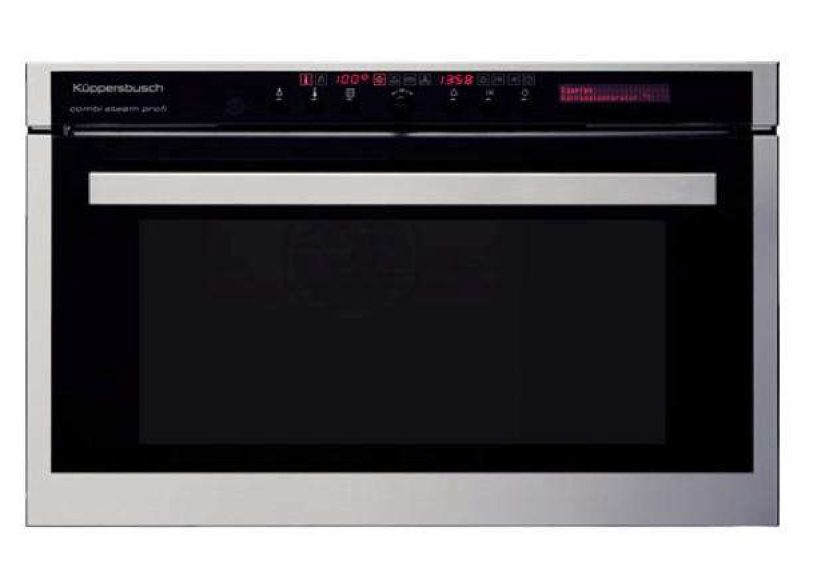
a Küppersbusch, you’re not just buying heat and steamyou’re buying a whole vibe: German engineering, premium design, and the quiet confidence of an appliance that doesn’t need to shout to be impressive.
This guide breaks down what a Kuppersbusch convection steam oven is, what it’s great at, what to watch out for, and how to use it without turning dinner into a science fair.
We’ll keep it practical, a little funny, and very focused on real results.
What a Convection Steam Oven Actually Does (and Why Your Chicken Cares)
Let’s demystify the name. A standard oven cooks with hot air. A convection oven adds a fan to move that hot air around, improving browning and helping food cook more evenly.
A steam oven adds moisture by heating water into steamyes, the “boiling point” moment most of us remember from school. Steam ovens heat water to create steam (around 212°F at sea level), then use that moist heat to cook food gently.
A convection steam oven (also called a combi steam oven) combines both worlds: convection for browning and structure, steam for moisture and tenderness.
Think “roast chicken that stays juicy” and “reheated pizza that doesn’t turn into a sad cracker.”
Combo-steam ovens can often run in pure steam, pure convection, or a mix, depending on the mode and the model.
Meet Küppersbusch: The Under-the-Radar Luxury Brand With Serious Roots
Küppersbusch has been around since 1875, with a legacy tied to professional kitchens and a reputation built on quality, design, and advanced cooking tech.
In the U.S., it’s a bit of a connoisseur’s pick: you’ll hear the name most often from designers, appliance specialists, and people who say things like “panel-ready” without blinking.
The brand leans heavily into clean-lined design and customization (including different handle styles on certain lines), and it has promoted innovations like its ökotherm® catalytic convection approach for reducing grease and odors.
Translation: it’s built to look good, work hard, and not perfume your kitchen with yesterday’s salmon.
Key Features You’ll Actually Use on a Kuppersbusch Convection Steam Oven
Specific features vary by model and series, but here are the highlights commonly associated with Küppersbusch’s convection steam lineupespecially the well-known EKDG-style combi steam concept that helped put the category on the luxury map in the U.S.
1) Combi cooking: steam + hot air (your “professional baking mode” moment)
One of the signature promises is the ability to combine steam with hot air convection. Küppersbusch has described a “professional baking mode” that uses steam and hot air so dough rises well and bread stays lighter and fresher longer.
If you’ve ever baked bread that turned into a beautiful, delicious brick… this is the feature you’ll brag about.
2) Pure convection when you want classic roasting and browning
Sometimes you just want “normal oven” behavior: crisped vegetables, browned casseroles, roasted meats. Küppersbusch’s combi steam positioning typically includes a pure hot-air convection option for family favorites.
3) Smart assistance: sensors, probes, and “please don’t dry out my dinner” insurance
In U.S.-referenced product descriptions of the EKDG6800-style convection steam oven, you’ll see features like a climatic sensor, a roasting thermometer,
and conveniences such as a limescale indicator and altitude adjustment for higher elevations.
In normal-person terms: it’s designed to help manage moisture and doneness without you babysitting the oven like it’s a teething toddler.
4) Size and build: compact capacity, premium intent
Some well-known U.S.-listed iterations have been described around a 34-liter capacity, aimed at being a high-performance “specialist” oven rather than the biggest cavity in town.
That’s plenty for weeknight dinners, sheet-pan vegetables, artisan loaves, and multi-course entertainingespecially when you learn how to stack or sequence foods.
What Steam + Convection Does Better (With Real Food Examples)
Bread that looks like it belongs in a bakery window
Steam is famous for one reason: it helps bread expand before the crust fully sets. In the early phase of baking, steam keeps the surface moist and flexible so the loaf can rise (“oven spring”) instead of tearing or locking up too soon.
Wolf’s convection steam education materials also emphasize steam’s role in delaying crust formation and improving volume and finish.
Practical move: use a steam-forward mode at the beginning, then finish with convection to set crust and color. It’s like giving your bread a warm-up and a finale.
Reheating leftovers that don’t taste like punishment
Steam-assisted “regenerate” style reheating is a big reason people fall in love with combi steam. The idea is to restore moisture so yesterday’s roast or risotto doesn’t become dry and cranky.
Once you get used to steam reheating, the microwave starts feeling like that friend who always flakes.
Vegetables with better color, texture, and flavor
Steam helps vegetables stay vibrant and moist, while convection can add light browning when you want it. In practical cooking tests and comparisons, convection steam tends to keep more flavor and moisture than “speed” cooking methods that rely on microwaves.
And if you’ve ever served roasted broccoli that somehow became both burnt and dry, you already understand why moisture matters.
Seafood and lean proteins: less overcooking, more forgiveness
Moist heat is gentler on fish and chicken breast. Steam can reduce the margin for error, and convection can finish the surface so your food still has appetizing color.
This is also why convection steam ovens are often positioned as “do-it-all” tools for healthier cooking with less added fat.
Is a Kuppersbusch Convection Steam Oven Worth It?
A Küppersbusch convection steam oven makes the most sense if you:
- Bake (bread, rolls, pastries) and care about texture and rise
- Cook lean proteins and want juicier results without complicated hacks
- Entertain and want smarter timing + better holding/reheating
- Meal prep and actually want to enjoy day-two food
- Prefer premium design and are building a cohesive luxury kitchen
It’s a “maybe” if you mostly bake cookies, rarely reheat leftovers, and think “humidity control” sounds like a basement problem.
Steam ovens are incredible, but only if you’ll use the steam part more than twice a year.
Installation and Maintenance: The Unsexy Stuff That Saves You Money
110V vs 220V: choose your power story
Many steam ovens come in different electrical requirements. A common buying guideline: 110V units can be easier to install and work well for lighter tasks like reheating and vegetables,
while 220V models heat faster and handle full cooking more confidently.
For a built-in luxury appliance, planning the electrical side early is the difference between “smooth install” and “why is my contractor sighing?”
Water source: tank vs plumbed
Convection steam ovens can use a refillable reservoir (tank) or be plumbed-in, depending on the product line. Tanks are simpler to install; plumbed options are convenient for frequent steam cooking.
Either way, expect routine refills (tank) or attention to filtration (plumbed). Brand-specific requirements varyalways match the model to your kitchen plans.
Descaling: not glamorous, but your oven will thank you
Steam means water, and water can mean mineral buildup. Some Küppersbusch descriptions call out an automatic limescale indicator, which is basically the oven politely reminding you to descale before performance suffers.
If your area has hard water, this matters. A lot.
Cleaning: avoid the extremes
For general oven care, manufacturers and home-care experts typically recommend following the manual, using appropriate cleaning methods, and treating high-heat self-clean cycles with respect.
For example, major home-care guidance explains how self-cleaning cycles work and how often to use them based on real household needs.
Steam ovens add extra cleaning considerations (water tank, steam pathways), so plan on a little routine maintenance, not heroic once-a-year scrubbing.
How to Cook With a Convection Steam Oven Without Overthinking It
The easiest way to feel confident fast is to treat steam like a dial, not a mystery.
Many steam oven guides describe using different “amounts” of steam (or humidity) depending on the goalmore steam for gentle cooking and moisture, less steam for browning and finishing.
A simple “mode map” you can steal
- Pure steam / high steam: vegetables, fish, dumplings, reheating, proofing
- Combi steam (steam + convection): roasts, casseroles, baked pasta, bread
- Pure convection: browning, crisping, finishing, classic baking
Bonus: If you’re baking bread, remember that steam is your friend early on, but too much steam for the entire bake can lead to a thick, rubbery crust.
The winning move is usually “steam first, dry heat later.”
Kuppersbusch vs Other Convection Steam Ovens: A Practical Perspective
In the U.S. luxury market, convection steam ovens are offered by brands like Wolf and Thermador, and the feature sets can overlap: steam modes, convection modes, guided programs, temperature probes, and specialized functions.
Küppersbusch’s appeal tends to center on its European heritage, premium design language, and its positioning as a specialist luxury suite where aesthetics and engineering both matter.
If you’re shopping across brands, compare:
- Steam delivery (tank vs plumbed, refill access, maintenance reminders)
- Control style (touch, knobs, guided cooking, clarity of display)
- Service support in your region
- Real cooking modes you’ll use (reheat/regenerate, proof, roast, bake)
- Fit and finish with your overall kitchen design
Buying Checklist: 9 Questions to Ask Before You Commit
- Is this the right size (24″ / 30″ / compact) for how you cook?
- Do I want tank-based steam or a plumbed connection?
- Is my kitchen set up for 110V or 220Vand what does this model require?
- Does it include a temperature probe, and will I use it?
- How easy is descaling and water-tank access?
- Do the modes match my habits (reheat, bake, roast, proof)?
- Is there local service support for this brand?
- Does the design match my cabinetry and other appliances?
- Will I actually use steam weeklyor am I just buying a shiny dream?
Conclusion
A Kuppersbusch convection steam oven is for cooks who want more than “hot box makes food warm.”
It’s for people who care about texture, moisture, and the kind of results that make guests ask, “Wait… how did you reheat this?”
The steam-and-convection combo can elevate bread, protect lean proteins from drying out, and make leftovers taste alive again.
If you’ll use those strengths regularlyand your kitchen is planned for the installthis is the kind of appliance that quietly earns its keep.
Real-World Experience: 7 Things You Learn After Living With a Kuppersbusch-Style Convection Steam Oven
Let’s talk about the part no brochure can fully capture: the day-to-day relationship you build with a convection steam oven.
Not the “first week honeymoon” where you steam everything in sight (including, briefly, your ego), but the longer-term habits that actually stick.
1) You stop being afraid of reheating
Before steam, reheating was a gamble. Pasta turned chalky, rice turned into tiny gravel, and chicken breast became an edible apology.
With steam-assisted reheat, leftovers get their moisture back. The first time you revive a slice of lasagna and it tastes like it was made today,
you’ll look at your microwave like it betrayed you personally.
2) Bread becomes your new personality trait (briefly)
You’ll bake bread. You’ll tell people you bake bread. You’ll consider naming a sourdough starter.
Steam in the early bake gives you that glossy crust and a taller rise, and the oven makes it feel almost unfairlike you found a cheat code.
Then you’ll calm down and go back to being a normal adult, but with better toast.
3) Vegetables finally get invited to the main event
Steam + convection is the “respectful” way to cook vegetables: steam keeps them tender and vibrant, convection adds just enough caramelization to make them interesting.
Weeknight broccoli stops being a side you tolerate and becomes a side you actually want.
It’s wild how quickly “I should eat more vegetables” turns into “I made these on purpose.”
4) Timing gets easierbecause moisture buys forgiveness
Dry heat is dramatic. Five extra minutes and your dinner is suddenly auditioning for a role as “crispy sadness.”
Steam gives you a little cushion. Roasts stay juicier, fish stays gentler, and you’re less likely to overcook while juggling sides.
It doesn’t eliminate skill, but it lowers the penalty for being human.
5) You learn the “two-stage finish” trick for everything
This becomes your signature move: cook with steam or combi to preserve moisture, then switch to convection to brown and crisp.
Chicken thighs? Casseroles? Roasted potatoes? You start thinking in stagestenderize first, crisp later.
It’s the same logic behind great bread: steam helps structure and expansion, convection seals the deal.
6) Maintenance is easy… if you do it like brushing your teeth
Ignore descaling and water-tank hygiene for months and the oven will eventually remind you (sometimes not subtly).
But if you treat it like a routinerefill, empty, wipe, descale when promptedyou’ll barely notice the effort.
The trick is consistency: small actions often beat “Sunday afternoon deep-clean despair.”
7) The biggest upgrade is confidence, not features
The funny thing about a premium convection steam oven isn’t that it turns you into a chef.
It’s that it makes you more willing to try: a nicer loaf, a better roast, a gentler fish dinner, a reheated meal that still feels intentional.
Over time, the oven becomes less of a “special appliance” and more like your default tool for cooking food that tastes like you meant it.