Table of Contents >> Show >> Hide
- A quick origin story: industrial roots with celebrity friends
- So… what is the Model 304, exactly?
- The design details that make it “Lampe Gras”
- Light quality: what it’s like when it’s actually on
- Where the Lampe Gras 304 looks and works best
- How to choose the right Model 304: a practical checklist
- Installation tips: make it look custom, not accidental
- Is it worth it? Pricing, value, and what you’re really paying for
- Buying in the U.S.: how to shop smart
- Conclusion
- Experience section : what living with a Lampe Gras 304 feels like
Some wall lights are like background actors: they show up, do their job, and quietly disappear into the wallpaper. The Lampe Gras Model 304 sconce lamp is not that kind of wall light. It’s more like the friend who can help you move, fix your Wi-Fi, and still look good in photos. Designed to be useful first (and gorgeous by accident), the Model 304 has become a modern classic because it solves a timeless problem: you want light exactly where you need itwithout turning your room into an operating theater.
In this guide, we’ll unpack what makes the Lampe Gras 304 wall sconce so collectible, so practical, and so weirdly charming. We’ll cover the design DNA, the variations you’ll see when shopping in the U.S., how to pick the right configuration, where it shines (literally), and what living with one is actually like.
A quick origin story: industrial roots with celebrity friends
The “Lampe Gras” name comes from designer and inventor Bernard-Albin Gras, who developed a series of adjustable lamps originally intended for offices and industrial settings. What’s wild is how modern the concept still feels: a durable, articulated light that can be aimed with precision, built around straightforward mechanics rather than decorative fluff. Many retailers still highlight the series’ early 1920s origins and its emphasis on practical working lightbasically, it was born to make people more productive before “productivity” became a lifestyle brand.
Over time, the design migrated from workshops into homes and design magazinesbecause once you realize a lamp can be both handsome and helpful, it’s hard to go back. Today, the 304 is one of the most recognizable wall-mounted options in the lineup: compact, directional, and easy to live with.
So… what is the Model 304, exactly?
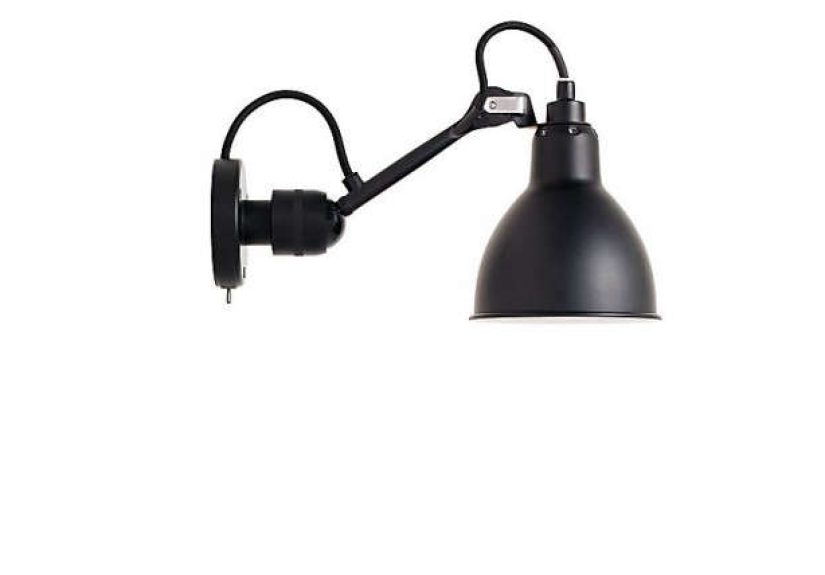
The Lampe Gras Model 304 is best described as a directional wall sconce with an adjustable head and a signature joint system that lets you aim light without fuss. Picture a clean wall plate, a short (or long) arm, and a shade that looks like it’s ready to focus on whatever you’re doingreading, cooking, painting, working, or just dramatically staring at your journal like you’re in an indie film.
Common 304 configurations you’ll see in the U.S.
- Standard 304 wall sconce: compact profile with a short arm, ideal for bedside, hallway, or task lighting.
- 304 Long Arm (often “L40”): extended reach for over-a-desk lighting, reading nooks, or wall-mounted task use.
- Plug-in versions: a corded option for renters or anyone who doesn’t want to open a wall (emotionally or literally).
- Bathroom / wet-area variants: versions marketed for bath use with higher moisture protection and a diffuser.
- Shade shapes: round (classic) or conic (a slightly sharper silhouette, still glare-friendly).
The design details that make it “Lampe Gras”
Plenty of sconces are adjustable. The difference here is how the 304 balances adjustability with restraintno visual clutter, no fussy ornamentation, no “look at me” hardware. It’s confident. Like it knows it’s the smartest lamp in the room, but it doesn’t need to bring it up at brunch.
The famous joint: small part, big personality
U.S. retailers frequently call out the 304’s distinctive Bakelite ball system at the backplate or arm joint. In human terms: it’s a clever pivot point that helps you reposition the lamp smoothly while keeping the silhouette clean. The 304 isn’t a floppy noodle; it’s stable, aimable, and holds its position like a champ.
The shade: why it looks “right” in so many rooms
The classic round shade is part of why people recognize the lamp from across a room. It reads as industrial, but not cold. It’s minimal, but not sterile. And because the shade is directional, it’s naturally suited for task lighting and controlled pools of illumination rather than blasting light everywhere.
Finishes and colorways: from stealthy to spicy
Shopping in the U.S., you’ll see everything from matte black and white to bolder colors and warmer metals. Many listings also include copper/brass options, plus combinations like dark exteriors with warm metallic interiorsgreat if you want light that feels slightly softer and more flattering.
Light quality: what it’s like when it’s actually on
A good sconce isn’t just about how it looks when it’s off (although yes, the 304 can absolutely win that contest). The point is the beam: the Model 304 is designed to deliver directed, glare-reduced light that you can aim exactly where you want itbook pages, countertops, artwork, or that one houseplant that’s clinging to life out of spite.
Bulbs, bases, and the “why does my cart say E12?” question
In U.S. listings, you’ll commonly see a candelabra base noted for certain 304 configurations (often E12), while international specs sometimes reference E14. The practical takeaway: buy from a U.S. retailer and follow the product’s stated bulb base and wattage guidance. If you want the best mix of brightness and comfort, a quality LED bulb with warm-to-neutral color temperature typically complements the 304’s task-focused beam.
Dimming and switches
Some versions are hardwired and meant to work with a wall dimmer. Others (especially plug-in models) may include an inline dimmer or switch depending on configuration. If you’re lighting a bedside reading spot, dimming is a gift to your future self. If you’re lighting a kitchen work zone, you might prioritize clean, consistent brightness instead.
Where the Lampe Gras 304 looks and works best
The 304 is a “do one thing well” designexcept the one thing is being useful in a lot of different scenarios. Here are the most popular placements, plus what to consider in each.
1) Bedside reading sconce
If you’re replacing table lamps, the 304 is a strong candidate. Mounted correctly, it frees up nightstand space and puts light exactly where you want it. Choose a placement that aligns with where your head and book actually are (not where you imagine they are in your best self fantasy life).
2) Home office and desk lighting
The long-arm versions are especially handy when you want adjustable light over a desk but don’t want a floor lamp crowding your chair. Designers often specify the longer reach to cover a work surface cleanlywithout that “I’m being interrogated” vibe that some task lamps bring.
3) Kitchen task zones
A pair of 304 sconces can be fantastic near a coffee station, open shelving, or a prep areaespecially if you want targeted illumination without adding more ceiling fixtures. The directional head helps you keep light on the counter, not in your eyes.
4) Hallways, art walls, and “quiet drama”
In a hallway, the 304 can deliver those tidy, museum-like pools of light that make a space feel intentional. Near artwork, it can act as a subtle picture light alternativeespecially if you want a more industrial edge.
How to choose the right Model 304: a practical checklist
Hardwired vs. plug-in
- Hardwired: cleaner look, best for permanent installs, often paired with wall switches or dimmers.
- Plug-in: ideal for renters, quick upgrades, or anyone who prefers “two screws and done.”
Arm length: standard or long?
Standard arm versions are great when the light source is close to the target (bedside, small desk, corridor). If you need the beam to reach fartherlike across a wider desk, over a reading chair, or toward the center of a wallgo long-arm. When in doubt, measure the distance from the wall to where you want the light to land. Then pick the arm length that gets you there without forcing the lamp into an awkward pose.
Shade shape: round vs. conic
Round shades feel iconic and slightly softer. Conic shades read a touch sharper and can feel more architectural. Both are directional and practicalthis is more about taste than performance.
Bathroom suitability
If you’re shopping for a bath or wet-area install, look for versions marketed specifically for that use and check the moisture rating. These variants often include a diffuser and are designed to tolerate humidity and splashes better than a standard dry-location sconce.
Installation tips: make it look custom, not accidental
The Model 304 is forgiving, but placement still matters. A few guidelines that typically lead to great results:
- Bedside: mount so the beam hits the center of your reading position (often above shoulder height when seated in bed).
- Desk: position to reduce shadows from your dominant hand (right-handed? mount slightly left of center, and vice versa).
- Hallway: repeat at consistent intervals for a gallery feelclean, intentional, calming.
- Art lighting: aim from above and slightly forward to reduce glare and show texture.
Is it worth it? Pricing, value, and what you’re really paying for
In the U.S. market, the Lampe Gras 304 typically lands in the “investment sconce” category. Depending on configuration, finishes, and whether you’re buying a specialty version (like long-arm or bath-rated), pricing commonly ranges from the mid-hundreds upward. That’s not pocket changebut you’re paying for a design with real lineage, quality hardware, and a form that doesn’t go stale when trends shift.
If you’re deciding between a cheaper adjustable sconce and the 304, ask yourself:
- Do I need a sconce that holds its aim without drooping over time?
- Do I want a classic design that will still look good after the next three trend cycles?
- Would I rather buy one excellent light than replace a “good enough” light twice?
Buying in the U.S.: how to shop smart
Because the 304 is widely sold through design-focused retailers, you have options. The smartest buying strategy is simple: pick a reputable seller, confirm your configuration (hardwired vs plug-in, arm length, shade shape), and double-check bulb base, voltage compatibility, and any certification notes shown on the listing.
What to verify before you click “Add to Cart”
- Dimensions: especially depth for long-arm versionsmake sure it won’t conflict with doors, shelves, or headboards.
- Bulb base: follow the product’s U.S. specification (don’t assume all 304s are identical).
- Switching/dimming: confirm whether a switch is included, and whether dimming is supported in your setup.
- Location rating: dry vs damp/wet, particularly for bathrooms.
- Lead time: some marketplaces list custom production windows, especially for certain finishes.
Conclusion
The Lampe Gras Model 304 sconce lamp is one of those rare design objects that earns its reputation the boring way: by working extremely well for a very long time. It’s adjustable without feeling flimsy, minimal without feeling cold, and iconic without trying too hard. Whether you’re lighting a bedside reading zone, a home office wall, or a hallway that needs a little “this home has taste” energy, the 304 brings both function and personalityquietly, confidently, and with excellent posture.
Experience section : what living with a Lampe Gras 304 feels like
Let’s talk about the part product pages don’t capture: the everyday relationship you build with a wall sconce. A Lampe Gras 304 doesn’t feel like “decor” after the first weekit feels like a tool you casually rely on. Owners often describe the same small moment of satisfaction: you aim it once, it stays aimed, and you stop thinking about it because it simply does the job. That sounds unromantic until you realize how many lamps are basically needy pets that require constant adjustment.
In a typical bedroom setup, the 304 becomes the anti-clutter hero. No more nightstand lamps hogging space where your phone, book stack, water glass, and emotional support lip balm are fighting for real estate. With a wall-mounted sconce, the surface clears, the room looks calmer, and you start pretending you’re the kind of person who always makes the bed. (You might even do it. No promises, but the vibe improves.)
The real magic is how the lamp behaves during the “three lighting moods of a human evening.” Mood one: you want enough light to read without squinting. Mood two: you want softer light because your brain is trying to power down. Mood three: you should be asleep, but you’re still scrolling. The 304 supports all threeespecially if you’ve paired it with a dimmable setup or a bulb that’s kind to your eyes. Aim it at the page, then swing it slightly away when you’re done. It’s a tiny ritual, like closing a book… except you might still open your phone. Again: no judgment.
In a home office, the long-arm versions feel like the grown-up alternative to “random desk lamp that’s always in the way.” You gain workspace because the light source isn’t sitting on your desk, and you gain control because you can direct the beam where your task iskeyboard, sketchpad, paperwork, or the one corner where your webcam makes you look slightly less tired. People who do detail work (drawing, sewing, model-making, even puzzle-building) tend to love the way the 304 puts light right on the activity without lighting up the entire room like you’re filming a tutorial.
There’s also an underrated emotional benefit: the lamp makes spaces feel “assigned.” A 304 by a reading chair silently says, “This is the reading spot.” A pair in the hallway says, “This is a home where someone cared enough to plan the lighting.” In the kitchen, one near a coffee station says, “Yes, this is where the morning happens.” These are small signals, but they add up. Good lighting doesn’t just show your decorit shapes your habits.
Maintenance-wise, the day-to-day experience is refreshingly low-drama. Dust it occasionally, treat the finish with basic care, and it keeps looking sharp. If you choose a warmer metal finish, you might notice subtle patina over time (especially in high-touch environments). Some people love that lived-in character; others prefer a quick wipe-down routine to keep everything crisp. Either way, the lamp doesn’t feel fragile. It feels engineeredlike it was designed back when “built to last” wasn’t a marketing slogan.
The best “ownership compliment” you can give a 304 is this: after a while, you stop noticing it as an object and start noticing how much better the room works. And then, inevitably, you begin plotting where the next one should gobecause apparently, adjustable wall light competence is contagious.