Table of Contents >> Show >> Hide
- Who Is Leatherface, Really?
- Ranking the Texas Chainsaw Massacre Movies
- Ranking the On-Screen Leatherfaces
- Is Leatherface a Monster or a Victim?
- Where Leatherface Ranks Among Horror Icons
- Personal Take: The Best and Worst of Leatherface
- Fan Experiences: Living With Your Leatherface Rankings
- Final Chainsaw Thoughts
In the horror hall of fame, Leatherface is that one guest who shows up late to the dinner party
with a chainsaw and a face mask made out of, well, other guests. He’s brutal, he’s chaotic, and
strangely, he’s also one of the most misunderstood characters in horror history. When fans argue
about the greatest horror villains, the Texas Chainsaw icon almost always makes the list, yet
nobody can quite agree on which movie, which version, or which actor did him best.
This guide breaks down Leatherface from every angle: how critics and fans rank the
Texas Chainsaw Massacre movies, which portrayals of Leatherface stand above the rest, and
why some viewers see him not just as a monster, but as a frightened, tragic figure pushed into
violence. Consider this your opinionated, chainsaw-friendly roadmap through decades of cinematic
carnage.
Who Is Leatherface, Really?
Leatherface first appears in the 1974 classic The Texas Chain Saw Massacre, lumbering
out from a back room with a sledgehammer in hand and zero interest in small talk. At surface
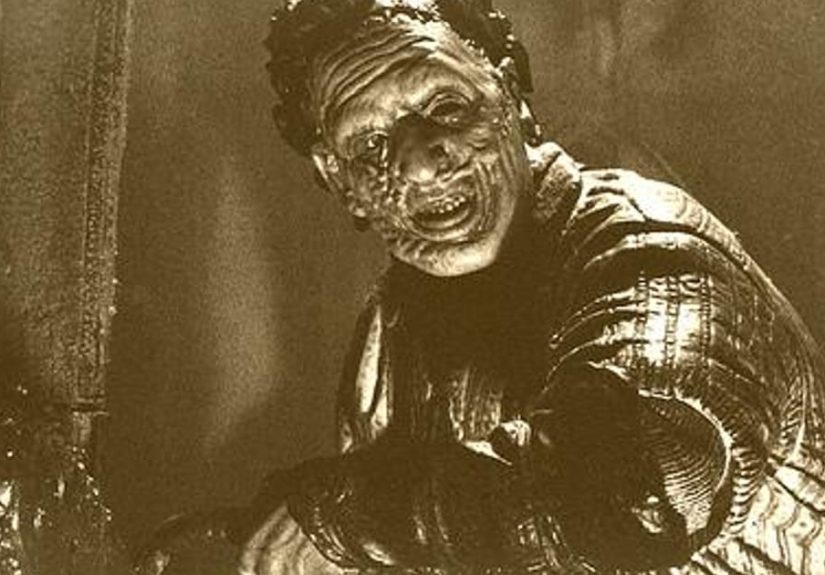
level, he’s a hulking killer in a butcher’s apron, wearing masks stitched from human skin and
wielding a roaring chainsaw. That image alone was enough to shock audiences and reshape the
slasher genre.
But beneath the gore, many critics and filmmakers have pointed out that Leatherface isn’t a
typical “evil mastermind.” He’s often portrayed as mentally disabled, childlike, and terrified
of outsiders. In the original film, his frantic movements and panicked reactions make him look
less like a cold strategist and more like a terrified person doing what his family tells him to
do. Instead of a confident villain, he’s portrayed as a “big baby” who lashes out when he feels
threatened and then freaks out about what he’s done.
The character was also loosely inspired by real-life killer Ed Gein, whose horrifying use of
human skin and bones helped shape Leatherface’s flesh mask and “house of horrors” aesthetic.
That mix of semi-realistic horror with a psychologically damaged, manipulated man is part of
what makes Leatherface so disturbing. He’s not supernatural. He’s not immortal. He’s a human
being, which makes his violence feel uncomfortably close to reality.
Ranking the Texas Chainsaw Massacre Movies
Horror fans love ranking things almost as much as they love screaming at the screen, and the
Texas Chainsaw Massacre franchise is a prime target. Different outlets shuffle the
titles around, but there’s a strong pattern: the 1974 original rules, the wild 1986 sequel has a
devoted fanbase, and the better remakes and prequels hover near the top. The more chaotic
spin-offs usually sink to the bottom of the list.
Here’s a consolidated, opinion-driven ranking based on a blend of critic lists and fan
reactions, from best to worst. Exact positions vary by outlet, but this order reflects the
overall consensus that emerges when you compare major rankings and audience lists.
| # | Film | Year | Why It Matters |
|---|---|---|---|
| 1 | The Texas Chain Saw Massacre | 1974 | Raw, relentless, and still one of the scariest horror films ever made; defines Leatherface. |
| 2 | The Texas Chainsaw Massacre Part 2 | 1986 | A gonzo, darkly comedic sequel that leans into satire while expanding the mythos. |
| 3 | The Texas Chainsaw Massacre | 2003 | Slick, grim remake with a feral, physically imposing Leatherface that introduced him to a new generation. |
| 4 | The Texas Chainsaw Massacre: The Beginning | 2006 | Prequel that digs into Leatherface’s twisted family origin and doubles down on brutality. |
| 5 | Texas Chainsaw Massacre | 2022 | Modern legacy sequel with an older, meaner Leatherface and one of the franchise’s gnarliest bus scenes. |
| 6 | The Texas Chainsaw Massacre 2 | 1986 | Often ranked very high or mid-tier; its off-the-wall tone makes it a cult favorite. |
| 7 | Texas Chainsaw 3D | 2013 | Leans into “Leatherface as antihero,” polarizing fans with its sympathetic spin. |
| 8 | Leatherface: The Texas Chainsaw Massacre III | 1990 | Gritty, mean-spirited entry with a memorable saw but inconsistent tone. |
| 9 | Texas Chainsaw Massacre: The Next Generation | 1995 | Infamous for its bizarre plot and early roles for Matthew McConaughey and Renée Zellweger. |
| 10 | Leatherface | 2017 | Origin story that plays more like a crime road movie than a traditional chainsaw fest. |
The exact order is endlessly debatable, but almost every ranking puts the 1974 original at
number one. Its impact was recently cemented even further when it was added to the U.S. National
Film Registry, officially recognized as culturally and historically significant. That’s the
rare horror movie that goes from banned in some places to preserved by the Library of Congress.
Why the 1974 Original Still Reigns Supreme
The first Texas Chain Saw Massacre feels less like a polished Hollywood production and
more like a fever dream someone dug out of a box of cursed VHS tapes. The grainy visuals, the
documentary-style camera work, the suffocating heat and noiseeverything conspires to make you
feel trapped in that farmhouse with Leatherface.
Importantly, Leatherface’s first entrance is one of the most shocking in horror history:
a sudden slam of a metal door, a hammer blow, a twitching body dragged away, and then silence.
No explanation, no villain monologue, no fancy setupjust instant, disorienting violence. It’s a
big reason he’s frequently ranked among the greatest horror villains of all time.
Ranking the On-Screen Leatherfaces
The chainsaw might be loud, but the debate over which actor played Leatherface best is even
louder. Different performances emphasize different sides of the character: brute strength,
tragic vulnerability, or pure, feral animal rage.
Here’s a fan-friendly ranking of notable Leatherface portrayals, blending critic takes and fan opinions:
1. Gunnar Hansen – The Original Blueprint (1974)
Hansen’s Leatherface is the prototype. His performance is physical, strange, and almost
heartbreakingly confused. The iconic final sceneLeatherface swinging his chainsaw in the rising
sun, almost dancing in frustrationis still one of the most chilling images in horror. Hansen
set the tone: Leatherface isn’t just a killer; he’s a frightened child in a giant body, trapped
in a family that weaponizes him.
2. Andrew Bryniarski – Brutal Powerhouse (2003 & 2006)
Bryniarski’s version is what happens when you take the core idea of Leatherface and feed it
protein shakes and pure rage. His hulking frame and aggressive movement emphasize the
unstoppable, brute-force side of the character. In the 2003 remake and its prequel,
Leatherface feels like a human wrecking ballless sympathetic, more terrifyingly efficient.
3. Bill Johnson & the 1980s Era (Part 2)
In The Texas Chainsaw Massacre Part 2, Bill Johnson takes Leatherface into bizarre,
darkly comic territory. His scenes with Stretch (the radio DJ) mix horror with awkward, almost
romantic tension in a way that shouldn’t work but kind of does. This Leatherface is scary and
deeply weird, which fits the sequel’s gonzo energy.
4. Mark Burnham – The Elder Monster (2022)
By the time we reach the 2022 legacy sequel, Leatherface is older but absolutely not softer.
Mark Burnham plays him as a silent storm: a grieving, aging man who snaps after losing the last
person tethering him to any semblance of normal life. The infamous bus sequencewhere he stalks
through a crowd of influencersis one of the most talked-about scenes in modern horror, and his
performance is a big reason why.
5. Other Portrayals and the Eternal Debate
Various other actors have stepped into the flesh mask across sequels, prequels, and reboots.
Some emphasize Leatherface’s tragic potential; others lean fully into raw brutality. While fans
will never fully agree on the definitive ranking, most conversations orbit the same idea:
Hansen created the soul of the character, and every other actor is either echoing that
blueprint, exaggerating it, or reacting against it.
Is Leatherface a Monster or a Victim?
One of the most interesting threads in modern horror discussion is whether Leatherface is
simply “evil” or a product of extreme abuse and manipulation. Many analyses argue that he’s the
least malicious member of his family, more tool than mastermind. He kills because he’s ordered
to, or because he panics when strangers show up at the house.
In several films and essays, Leatherface is framed as:
- A mentally disabled man who doesn’t fully understand the morality of his actions.
- A victim of lifelong indoctrination by a sadistic, cannibalistic family.
- A frightened, reactive person whose violence is triggered by fear rather than thrill-seeking.
- A tragic figure whose humanity leaks through in brief, confused moments of vulnerability.
Some later movies go even further, tilting him toward antihero status. Texas Chainsaw
3D, for instance, positions Leatherface as a kind of brutal protector of his bloodline.
Meanwhile, fan theories and recent documentary commentary have even suggested cosmic or symbolic
explanations for his behavior, interpreting his iconic chainsaw dance as a frantic attempt to
fight a deranged world rather than just a tantrum of rage.
That tensionbetween monster and victimis a huge reason Leatherface inspires so many
think-pieces. He’s terrifying, but you can also feel a tiny knot of pity for him, which is not
something you usually say about a man with a chainsaw and a face mask.
Where Leatherface Ranks Among Horror Icons
Across horror villain lists from magazines, blogs, and fan polls, Leatherface almost always
lands somewhere near the top tier. You’ll frequently see him sharing space with the likes of
Michael Myers, Jason Voorhees, Freddy Krueger, and Ghostface. What makes him stand out is that
he’s not supernaturalno dream powers, no resurrection spell, no mystical curse. Just a human
being pushed to monstrous extremes.
Common reasons he ranks so high include:
- The unforgettable first film, which still shocks even modern viewers.
- The iconic visual design: apron, flesh mask, and roaring chainsaw.
- The unsettling blend of pity and terror his character evokes.
- His influence on later slashers who borrow the “silent, unstoppable killer” template.
If you’re building a personal list of the greatest horror villains, it’s hard to justify
leaving Leatherface out. You might debate exactly where he falls, but he’s almost always in the
conversation.
Personal Take: The Best and Worst of Leatherface
So where does all this leave us in terms of rankings and opinions? Here’s a balanced, big-picture take:
- Best overall Leatherface experience: The 1974 original. It’s the purest,
rawest version of the character and the one that still feels dangerously real. - Best “modern” Leatherface: The 2003 remake and its prequel deliver a
physically terrifying version that fits the grimy 2000s horror revival. - Most underrated entry: The Texas Chainsaw Massacre Part 2, which
goes full dark comedy and gives Leatherface some of his strangest, most memorable moments. - Most divisive portrayal: The sympathetic/antihero versions in later films,
which some fans love for their nuance and others reject as too soft.
Ultimately, Leatherface works best when he’s allowed to be both terrifying and tragic.
When the movies remember that he’s not a clever mastermind but a manipulated, broken person
channeling his fear through extreme violence, the character hits much harder than a standard
masked slasher.
Fan Experiences: Living With Your Leatherface Rankings
If you hang around horror circles long enough, you’ll notice something funny: people can watch
the exact same Leatherface movie and walk away with wildly different rankings. One fan’s “top
three masterpiece” is another fan’s “I turned it off halfway through.”
Part of this comes down to when and how you first encounter Leatherface. Viewers who discover
the original 1974 film in a dark theater or late at night on a grainy stream often talk about it
like a cinematic trauma. The lack of polish and the suffocating atmosphere make it feel almost
too real. For those fans, everything else in the franchise is measured against that first,
horrifying impact.
For others, the gateway was the 2003 remake. They got a Leatherface who was bigger, meaner, and
framed with slick modern cinematography. To them, the remake’s sheer intensity and aggressive
style make it the definitive chainsaw experience. When they go back to the 1974 film, they still
respect itbut it feels more like a historical artifact than a personal nightmare.
Then there are the fans who live for the weirdness. They’ll champion Part 2 or
The Next Generation because those movies swing for the fences with bizarre subplots,
cartoonish violence, and tonal whiplash. Their rankings prioritize originality and personality
over consistency or even “quality” in the traditional sense. For them, a messy, unpredictable
Leatherface is more fun than a polished, predictable one.
As you build your own ranking, it helps to ask yourself a few questions:
- Do you prefer horror that feels gritty and realistic, or stylized and heightened?
- Are you more interested in being scared, grossed out, or just entertained?
- Do you like Leatherface better as a mindless force, or as a tragic, manipulated figure?
- How much weirdness are you willing to tolerate for the sake of originality?
Your answers will shape how you see each film and each portrayal. Someone who loves tight,
serious horror might rank the original and the 2003 remake at the top, with the goofier sequels
near the bottom. A fan of strange cult cinema might push Part 2 way up their list and
defend The Next Generation as misunderstood chaos.
Over time, rankings can also shift with rewatches. A movie you once dismissed as “too weird” may
suddenly click when you’re in the right mood. A film that felt edgy in your teens might lose
some of its power once you’ve seen more extreme horror. Leatherface, as a character, benefits
from this re-evaluation. The more you revisit the films, the more you pick up on small details:
the nervous body language, the confused squeals, the way he reacts to his family. What starts
out as a one-note boogeyman can gradually transform into one of horror’s most tragic figures.
In the end, “Leatherface Rankings And Opinions” are less about finding one objective, final
list and more about mapping your own relationship with this bizarre, terrifying character. Your
list says as much about you as it does about himabout the kind of horror you value, the tones
you respond to, and how you feel about a killer who might also be a victim. The only universal
rule is simple: if a Leatherface movie makes you feel unsettled, a little queasy, and weirdly
sympathetic all at once, it’s probably doing exactly what it was meant to do.
Final Chainsaw Thoughts
Leatherface is one of horror’s strangest icons: a killer who’s terrifying precisely because he’s
human, not in spite of it. When you line up the movies, rank the portrayals, and dive into the
debates, a pattern emerges. The best versions of Leatherface don’t just show a monsterthey show
a broken person weaponized by a monstrous world.
Whether your number-one pick is the 1974 original, the 2003 remake, the off-the-rails
Part 2, or the brutal 2022 entry, one thing is clear: Leatherface has earned his spot
near the top of horror’s villain rankings. The chainsaw might be loud, but the conversation
about him is even louderand it’s not quieting down anytime soon.