Table of Contents >> Show >> Hide
- What “Ultimate Greengrocer” Actually Means (And Why It’s Rare)
- Meet Leila’s Shop: Tiny Footprint, Big Standards
- How to Shop Leila’s Like a Regular (Even If You’re Just Visiting)
- The “Curated Produce” Difference: Why It Matters More Than You Think
- From Shop to Kitchen: Keep Your Haul Fresh (And Safe)
- The Café Next Door: The Secret Weapon
- Why Leila’s Matters Beyond the Shopping Bag
- Planning Your Visit: Practical Tips for a Small Shop With Big Pull
- Experience Notes: What It Feels Like to Shop at Leila’s (Extra )
- Conclusion: Why Leila’s Earns the “Ultimate” Title
London has plenty of places to buy a banana. But only a handful of places can make you feel like you’re buying
the bananahandpicked, perfectly ripe, and somehow more interesting than your entire group chat.
That’s the magic of a great greengrocer: part produce wizard, part seasonal therapist, part “trust me, you want
this one.”
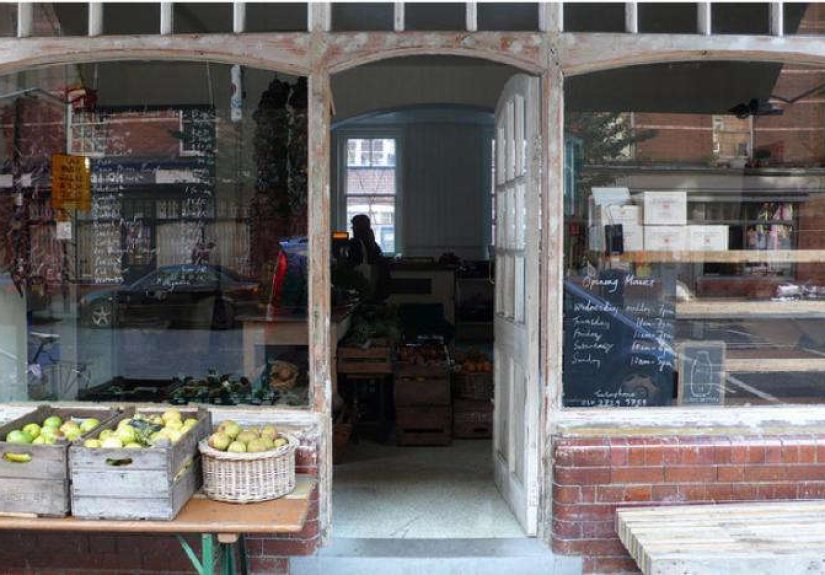
Leila’s Shop, tucked on Calvert Avenue near the Boundary Estate in East London, has built a reputation for doing
the simple things obsessively well: impeccably curated fruit and vegetables, a tight selection of pantry and deli
staples, and a café next door that makes it dangerously easy to “just pop in” and accidentally plan your whole day
around lunch.
What “Ultimate Greengrocer” Actually Means (And Why It’s Rare)
The phrase ultimate greengrocer can sound like marketing fluffuntil you meet a shop that proves the
point with one bite of a tomato that tastes like July. The best greengrocers don’t try to stock everything. They
stock what’s best. That means:
- Seasonal discipline: fewer “meh” options, more “how is this so good?” moments.
- Supplier relationships: the shop knows the growers, the batches, and when something’s peaking.
- Quality control: the difference between “fine” fruit and fruit that deserves applause.
- Useful curation: produce + staples that help you cook without a scavenger hunt.
In other words: an ultimate greengrocer saves you from buying beautiful ingredients you don’t know how to useand
from sad ingredients you can’t save.
Meet Leila’s Shop: Tiny Footprint, Big Standards
Leila’s Shop sits on Calvert Avenue in Shoreditch/Bethnal Green territoryone of those London borderlands where
neighborhoods blend, styles collide, and everyone is either carrying a tote bag or pretending they don’t carry a
tote bag.
A Shop With a Real Backstory (Not the “We’re Passionate About Produce” Kind)
This isn’t a random storefront that became trendy last Tuesday. The building was purpose-built to be a grocer, and
the site has a long history as a fruit-and-veg shop going back to the early 1900s. In the early 2000s, Leila
McAlister reopened it as a modern greengrocer with an old-school backbone: seasonal produce, independent sourcing,
and a small-but-mighty range of essentials that feel chosen rather than merely stocked.
What You’ll Find Inside (Hint: Not a 14-Aisle Marathon)
Leila’s doesn’t do warehouse energy. It does “every inch is doing a job.” Expect crates of fruit and vegetables
that look like they’ve been edited by someone with extremely good taste. Beyond produce, there’s typically a smart
supporting castthink bread, cheeses, dry goods, and specialty items that make sense for how people actually cook:
pasta, grains, oils, tinned things you’ll be grateful for on a Tuesday night, and occasional surprises that are
hard to find elsewhere.
One of the joys of Leila’s is that the selection can feel personallike someone is stocking for a specific kind of
eater: curious, picky (in a good way), and not interested in bland ingredients pretending to be “fresh.”
How to Shop Leila’s Like a Regular (Even If You’re Just Visiting)
1) Start With the Season, Not the Recipe
If you walk in with a rigid plan“I’m making strawberry tart in January!”Leila’s will gently (or not-so-gently)
encourage you to evolve. The more rewarding approach is to let the season lead and build meals from what’s at its
peak.
Try this seasonal mindset:
- Spring: asparagus, tender greens, herbs that smell like optimism.
- Summer: tomatoes, berries, stone fruitproduce that barely needs cooking.
- Fall: squash, apples, pears, mushrooms, sturdy greens.
- Winter: citrus, brassicas, roots, alliumsingredients built for roasting and slow cooking.
The “ultimate greengrocer” trick is that seasonality isn’t restrictionit’s a shortcut to flavor. When produce is
in season, it tends to taste better and can be easier on your budget, too.
2) Ask One Smart Question (Not Twenty)
Great shops like Leila’s often have people who can steer you wellespecially if you ask the right question. Keep
it simple:
- “What’s best today if I want to eat it tonight?”
- “What’ll be perfect in two days?”
- “What’s the can’t-miss seasonal thing right now?”
You’ll get better answers than “Where are the avocados?” (Also: if you ask where the avocados are, you’ll still
get an answer. You’re not being kicked out. Probably.)
3) Build a Basket That Turns Into Dinner
The easiest way to “win” at a greengrocer is to shop in combinations. Here are a few low-effort, high-reward
baskets that translate directly into meals:
- Salad that feels like a restaurant: bitter leaves + citrus + a good cheese + olive oil + a loaf
of bread. - Roast-anything dinner: carrots or squash + onions + herbs + a lemon (for brightness at the end).
- Pasta night with dignity: greens + garlic + a decent tin of tomatoes or a seasonal veg that can
be sautéed. - Snack plate you’ll pretend is “light lunch”: fruit at peak ripeness + cheese + bread + something
briny from the pantry shelf.
The “Curated Produce” Difference: Why It Matters More Than You Think
At a big supermarket, the goal is consistency and volume. At a shop like Leila’s, the goal is excellence and
timing. The result is produce that behaves better in the kitchenmore flavor, better texture, and ripeness that
makes sense.
This is especially noticeable with:
- Tomatoes: the difference between watery and wonderful is not subtle.
- Stone fruit: properly ripe peaches and nectarines should smell like they mean it.
- Citrus: winter fruit can be electric when it’s sourced well.
- Herbs: fresh herbs should look alive, not like they’ve accepted defeat.
A curated shop is also more likely to carry interesting, high-quality pantry items that help you cook around the
produceso you’re not left with gorgeous veg and nothing to do with it besides stare.
From Shop to Kitchen: Keep Your Haul Fresh (And Safe)
The fastest way to disrespect great produce is to store it like it’s immortal. It is not. It is extremely
talented, but it is not immortal.
Food Safety Basics That Don’t Feel Like Homework
- Wash hands and surfaces before prep, and rinse produce under running water (no soap needed).
- Keep produce separate from raw meat/seafood in your bag and in your fridge to avoid
cross-contamination. - Refrigerate cut produce promptly, and keep your fridge cold enough for safety.
If you’re traveling and cooking in a rental kitchen, these basics matter even more. Tiny cutting board, big
responsibility.
Storage Like a Greengrocer: Ethylene Is the Sneaky Villain
Some fruits give off ethylene gas as they ripen (think apples, pears, bananas, stone fruit). Ethylene is normal
and naturalbut it can speed up ripening and spoilage in ethylene-sensitive vegetables and fruits. Translation:
that one overachieving banana can mess up your whole fridge.
Simple fixes:
- Separate fruits and vegetables in different drawers when possible.
- Use the crisper properly: higher humidity for greens; lower humidity for many fruits.
- Don’t refrigerate everything: some items keep better at cool room temp until ripe (like certain
tomatoes or stone fruit), then move to the fridge to slow them down. - Handle herbs with care: treat them like flowerstrim ends, stand in a little water, and loosely
cover if needed.
These small moves can stretch your shopping haul longerless waste, more “I’m so glad I bought this.”
The Café Next Door: The Secret Weapon
Leila’s isn’t only a place to buy ingredients; it’s also a place to eat. The café element changes how the whole
experience feels. You can shop, then immediately see seasonal ingredients turned into lunchan edible reminder of
what’s possible with good produce and a few smart staples.
The vibe is calm, pared-back, and grown-up without being stiff. The food tends to lean seasonal and comfort-driven
rather than fussy: the kind of cooking that lets ingredients speak but still makes sure they have something
interesting to say.
Why Leila’s Matters Beyond the Shopping Bag
Great greengrocers aren’t just “nice places to buy vegetables.” They’re part of a neighborhood’s everyday culture.
They help define what people eat, how they cook, and how a local high street feels. A shop like Leila’s supports a
more seasonal way of eating and makes quality feel normallike good ingredients aren’t a luxury so much as the
baseline.
And because places like this often operate on tight margins (small space, high standards, limited volume), they
can be vulnerable to rising costs and rent pressure. When a neighborhood loses a true specialist shop, it’s not
replaced by “the same thing but newer.” It’s replaced by something else entirelyand the difference shows up in
everyday life.
Planning Your Visit: Practical Tips for a Small Shop With Big Pull
Go With a Short Listand a Little Flexibility
Leila’s is not the place to arrive with a 37-item spreadsheet and a mission. It’s the place to arrive with a
short list (“I need dinner vegetables and something snacky”), then let the season finish the sentence.
Bring a Tote Bag and a Sense of Humor
This is London. A tote is basically a passport. And a sense of humor helps anywhere people care deeply about what
they do. Leila’s isn’t trying to be a theme park. It’s trying to be excellent. If you respect the space and move
with purpose, you’ll do great.
A First-Timer’s “Ultimate Greengrocer” Shopping List
- 1–2 standout fruits that smell amazing right now (ask what’s peaking).
- 1 leafy thing (greens, herbs, or something you’ll use within two days).
- 1 roastable veg (roots or squash for an easy dinner base).
- 1 pantry helper (good olive oil, tinned fish, grains, pasta, or something briny).
- 1 “why is this here and why do I want it?” item (trust the surprise shelf).
Experience Notes: What It Feels Like to Shop at Leila’s (Extra )
Here’s the part nobody tells you about a truly great greengrocer: you don’t just buy foodyou borrow someone else’s
standards for a moment. You step off the street and into a space where the apples look like they were picked with
intention, not forklifted into existence. The shop is compact, so you immediately become aware of your elbows, your
tote bag situation, and the universal truth that you should not block the good citrus while deciding who you are as
a person.
The first thing you notice is that the produce isn’t trying to impress you with quantity. It’s confident. A small
selection can be a flex when it’s this good. The second thing you notice is how quickly your brain starts making
plans. You see a stack of something seasonalmaybe greens that look painfully fresh, or fruit that smells like it’s
already halfway to dessertand suddenly you’re mentally rearranging your week: “Okay, tonight we roast this. Tomorrow
we slice that. The next day we pretend we’re the kind of person who makes lunch on purpose.”
If you’re used to supermarkets, the rhythm feels different. There’s no wandering in a trance. You move with intent.
You’re also more likely to ask a question, because the point here isn’t speedit’s getting the right thing at the
right moment. “Is this ready tonight?” is the kind of question that turns an ingredient into a plan. And once you
start thinking that way, you realize how many groceries you’ve bought in the past that were basically “future you’s
problem.” At Leila’s, future you gets a break.
Then there’s the supporting cast: the pantry and deli-type items that make the produce make sense. Maybe it’s a
bottle you didn’t know you needed, a tin you’ll be grateful for later, or a loaf that makes you wonder why bread is
sometimes disappointing when it absolutely doesn’t have to be. These aren’t random add-onsthey’re the shortcuts
that turn “nice ingredients” into “actual dinner.”
And if you time it right, the café next door completes the loop. You shop, you eat, you learnwithout anyone giving
you a lecture. You taste what seasonal cooking can be when it’s confident and unfussy: not a performance, not a
trend, just good decisions made consistently. You leave with a bag that isn’t necessarily heavy, but it feels
valuable. Not because it’s expensive (though quality usually costs something), but because it’s specific. It’s not
generic “groceries.” It’s a set of ingredients that already have a story and a purpose. You walk back onto the
street feeling like you’ve been briefly upgraded as a human beingat least until you remember you still have to do
the dishes.
Conclusion: Why Leila’s Earns the “Ultimate” Title
Leila’s Shop is “ultimate” in the way the best neighborhood institutions are: not loud, not sprawling, not trying
to be everything. It’s ultimate because it’s intentionalabout what it stocks, how it thinks about seasonality, and
how it makes quality feel like a daily habit instead of a special occasion.
If you want a London food experience that’s both grounded and memorable, Leila’s delivers. You can walk in for a
couple of ingredients and walk out with a better plan for dinner, a sharper sense of what’s in season, and a new
baseline for what “fresh” is supposed to taste like.