Table of Contents >> Show >> Hide
- What Are Lentils, Exactly?
- Lentil Nutrition: What You’re Actually Getting
- Benefits of Lentils (The Evidence-Backed Version)
- 1) Heart support: fiber and a smarter protein choice
- 2) Blood sugar steadiness (especially when they replace refined carbs)
- 3) Gut health: fiber that your digestive system will notice
- 4) Weight management: fullness that feels like “I’m good,” not “I’m deprived”
- 5) Micronutrients that matter: folate, iron, potassium
- Types of Lentils: Which Ones to Buy (and Why)
- How to Cook Lentils (Without Stress)
- Common Lentil Problems (and Quick Fixes)
- Easy Ways to Eat More Lentils (Without Getting Bored)
- Storage, Meal Prep, and Food Safety
- Who Should Be a Little Careful with Lentils?
- Conclusion: The Lentil Takeaway
- Real-Life Lentil Experiences ( of “Been There” Energy)
Lentils are the quiet overachievers of the pantry. They’re inexpensive, shelf-stable, and weirdly good at
showing up in a meal like, “Don’t worry everyone, I brought protein and fiber.” If you’ve ever wanted a
weeknight ingredient that’s nutritious, flexible, and not secretly plotting to take two hours (looking at you,
dried chickpeas), lentils are your new best friend.
In this guide, we’ll break down lentil nutrition, the most evidence-backed benefits, the differences between
types (yes, color matters), and the easiest ways to cook lentils so they come out tendernever crunchy, never
sad, never “why is this soup basically gravel?”
What Are Lentils, Exactly?
Lentils are a type of pulse, meaning the edible dried seed of legumes. In regular-human terms:
they’re small, flat, quick-cooking legumes that have fed entire civilizations and still manage to feel modern
in everything from salads to tacos to cozy winter soups. They’re common in Mediterranean, Middle Eastern,
Indian, European, and American cookingpartly because they’re tasty, and partly because they’re the definition
of “budget-friendly nutrition.”
Lentil Nutrition: What You’re Actually Getting
Lentils earn their “nutritional powerhouse” reputation the honest way: by being packed with the stuff many
people don’t get enough offiber, plant protein, folate, iron, potassiumwhile staying low in
saturated fat and sodium (as long as you’re not drowning them in salty broth).
Quick nutrition snapshot (cooked lentils)
- Calories: about 230 per cooked cup
- Protein: about 18 grams per cooked cup
- Fiber: about 15–16 grams per cooked cup
- Key micronutrients: folate, iron, potassium, magnesium, and B vitamins
Lentils also contain helpful plant compoundslike polyphenolsand carbohydrates that digest
more slowly, including resistant starch. Translation: they can be gentler on blood sugar than
many refined carbs and can support gut microbes (the tiny roommates you didn’t know you had).
How lentils fit into a balanced plate
A cup of lentils can function like a “base layer” for a meal: protein + fiber + complex carbs. Pair them with
colorful vegetables and a healthy fat (olive oil, avocado, nuts), and you’ve got a satisfying bowl that doesn’t
require a culinary degree or a second mortgage.
Benefits of Lentils (The Evidence-Backed Version)
No ingredient can do everything (lentils cannot pay your rent, despite their best efforts). But lentils are
strongly associated with health advantages because they improve overall diet qualitymore fiber, more plants,
more nutrients, fewer ultra-processed swaps.
1) Heart support: fiber and a smarter protein choice
Lentils belong to the legume family, and legumes are regularly recommended in heart-healthy eating patterns.
Their soluble fiber can help support healthy cholesterol levels, and replacing some animal proteins with plant
proteins often reduces saturated fat intaketwo habits cardiology folks tend to like a lot.
2) Blood sugar steadiness (especially when they replace refined carbs)
Lentils have a low glycemic impact compared with many starchy side dishes. Because they’re rich in fiber and
contain slow-digesting starches, they tend to digest more gradually. Practically speaking: swapping lentils for
some white rice or pasta in a meal may help reduce big blood sugar spikes for many people.
3) Gut health: fiber that your digestive system will notice
Lentils are fiber-forward. Fiber supports regularity, helps you feel full, and feeds beneficial gut bacteria.
If your usual diet is low on fiber, lentils can be a gentle way to climb toward healthier targetsjust introduce
them gradually so your digestive system doesn’t file a complaint.
4) Weight management: fullness that feels like “I’m good,” not “I’m deprived”
Protein and fiber are a powerful combo for satiety. Lentils can make meals feel hearty without relying on huge
portions of high-calorie ingredients. That’s a useful tool whether your goal is weight management or simply not
being hungry again 47 minutes after lunch.
5) Micronutrients that matter: folate, iron, potassium
Lentils supply nutrients your body uses for everyday essentials: red blood cell support (iron), cell growth and
DNA-related processes (folate), and fluid balance/blood pressure support (potassium). If you’re pregnant, trying
to become pregnant, or managing a health condition, it’s worth discussing your overall nutrient plan with a
clinicianlentils can be part of it, but they’re not a stand-alone multivitamin.
Types of Lentils: Which Ones to Buy (and Why)
Lentils aren’t one-size-fits-all. Different types cook differently, and choosing the right one can be the
difference between a perfect salad and a bowl of accidental lentil paste.
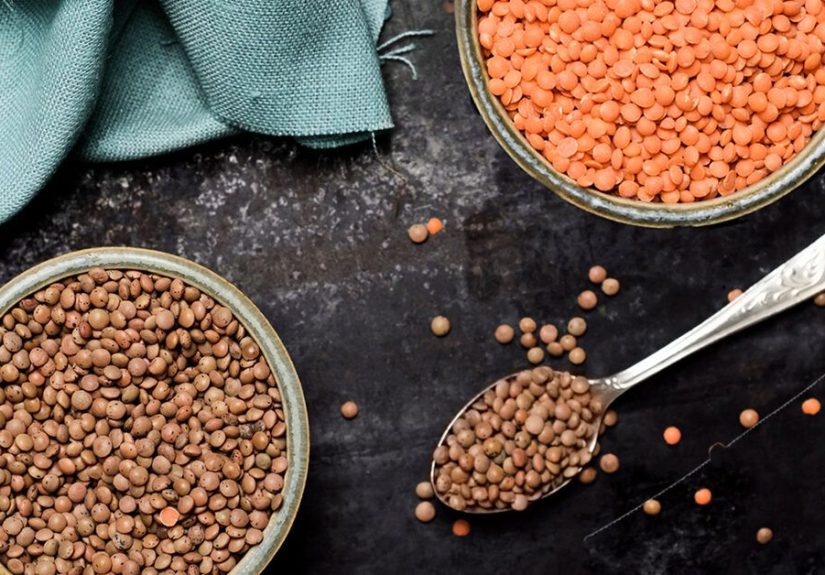
Brown lentils (the everyday MVP)
Mild, earthy, widely available, and forgiving. They soften nicely and work well in soups, stews, and “let’s
clean out the fridge” recipes.
Green lentils (a little firmer, great for texture)
Green lentils generally hold their shape better than brown, so they’re excellent for salads, bowls, and side
dishes where you want distinct lentilsnot a mash.
French green (Puy) lentils (peppery and elegant)
Smaller and firmer with a slightly peppery taste. These are the “bring to a dinner party” lentilsexcellent in
salads with vinaigrette, herbs, and roasted vegetables.
Black (beluga) lentils (tiny, glossy, and sturdy)
They look like little caviar beads and hold their shape well. Great for salads and plates where contrast and
texture matter.
Red/yellow/orange lentils (the fast-cooking smooth operators)
Often sold split, they cook quickly and break down easily. Perfect for dals, thick soups, and creamy stews.
Not ideal when you need lentils to stay intact.
How to Cook Lentils (Without Stress)
Here’s the good news: lentils usually don’t require soaking, and most varieties cook in under 30 minutes.
Here’s the even better news: you don’t need fancy equipment. A pot. Water. Heat. You’ve got this.
Step 1: Sort and rinse
Pour lentils onto a plate or into a bowl and scan for tiny stones or debris (rare, but not mythical). Then rinse
in a fine-mesh strainer under cool water until the water runs mostly clear.
Step 2: Choose your method: “drain after” or “absorb all”
- Drain-after method: Cook lentils in plenty of water, then drain when tender (best for salads).
- Absorb-all method: Use a measured ratio so most liquid absorbs (best for soups/dals).
Step 3: Use the right liquid ratio
For most whole lentils (brown/green), a reliable starting point is about 3 cups of water per 1 cup dry
lentils. For split red lentils, you can use a bit less liquid (they soften fast and thicken dishes).
Step 4: Simmer gently (don’t bully the lentils)
Bring water and lentils to a boil, then reduce to a gentle simmer. A furious boil can break lentils apart, which
is great if you want creaminess and not great if you want a salad.
Cooking times by type
- Red/yellow/orange (split): about 5–10 minutes (often breaks down)
- Brown/green: about 20–30 minutes (tender, some shape)
- French green (Puy) / black beluga: about 25–30 minutes (best shape retention)
When to salt (important!)
Many cooking guides recommend salting after cooking, because adding salt too early can make the
skins tougher and slow down tenderizing. Instead, build flavor with aromatics (onion, garlic, bay leaf) during
cooking, then season to taste at the end.
Flavor upgrades that make lentils feel like a meal
- Aromatics: onion, garlic, shallot, scallion
- Herbs: thyme, rosemary, bay leaf, parsley, cilantro
- Spices: cumin, smoked paprika, curry powder, turmeric
- Acid at the end: lemon juice, vinegar, diced tomatoes (acid early can slow softening)
- Finishers: olive oil, tahini, yogurt, crumbled feta, toasted nuts
Common Lentil Problems (and Quick Fixes)
Problem: Lentils are still hard after forever
- Likely cause: Very old lentils or cooking in overly hard/acidic water.
- Fix: Keep simmering and add hot water as needed. Next time, buy from a store with good turnover and store them airtight.
Problem: Lentils turned to mush
- Likely cause: Too high a boil or the wrong lentil type (red lentils love to dissolve).
- Fix: For salads, choose green/Puy/beluga and keep the simmer gentle.
Problem: They taste bland
- Fix: Add aromatics while cooking, then salt and add acid at the end. Lentils wake up when lemon or vinegar shows up.
Easy Ways to Eat More Lentils (Without Getting Bored)
Lentil “starter” ideas
- Soup upgrade: Add a handful of brown lentils to vegetable soup for body and protein.
- Taco filling: Cook lentils with taco seasoning; mix with sautéed onions and peppers.
- Salad booster: Toss cooked green or beluga lentils with olive oil, lemon, salt, herbs, and chopped veggies.
- Quick bowl: Lentils + roasted vegetables + a sauce (tahini-lemon or yogurt-garlic) = dinner.
- Pasta partner: Stir cooked lentils into marinara for a hearty, meatless sauce.
Canned lentils: the cheat code
Canned lentils are fully cooked, so they’re perfect when you want the benefits without the simmering. Drain and
rinse to reduce sodium, then toss them into salads, soups, and wraps. (Your future self will call this “meal
prepping,” even if you call it “being tired.”)
Storage, Meal Prep, and Food Safety
Dry lentils
Store dry lentils in a cool, dry place in an airtight container. They’ll keep for a long time, but older lentils
may take longer to soften, so aim to rotate through them instead of treating the bag like a museum exhibit.
Cooked lentils
Cool cooked lentils promptly and refrigerate in a sealed container. For best safety, many food-safety guidelines
recommend using cooked leftovers within 3–4 days. Lentils also freeze well; freeze in
portion-sized containers so you can thaw exactly what you need.
Who Should Be a Little Careful with Lentils?
Lentils are generally a healthy choice, but context matters:
-
Digestive sensitivity: If you’re new to high-fiber foods, start with smaller portions and
increase gradually. Cooking lentils until very tender can also help. -
Kidney disease or potassium/phosphorus limits: Lentils can be high in certain minerals, so
follow your clinician’s or dietitian’s guidance if you’re on a kidney-specific eating plan. -
Iron needs: Lentils contain non-heme iron (plant iron). Pair them with vitamin C foods
(bell peppers, citrus, tomatoes) to improve absorption.
Conclusion: The Lentil Takeaway
Lentils are the definition of practical nutrition: high in fiber, rich in plant protein, packed with key
micronutrients, and genuinely easy to cook. Choose the type that matches your goal (salad? soup? creamy dal?),
simmer gently, season at the end, and you’ll have an ingredient that makes healthy eating feel less like a
chore and more like “wow, I did something right today.”
Real-Life Lentil Experiences ( of “Been There” Energy)
If you’re new to lentils, your first experience might be a tiny bit chaoticin a very normal, very human way.
Many people start with the same optimistic plan: “I’ll make lentils for the week!” Then reality shows up with a
timer, an empty stomach, and a pot that’s either too enthusiastic (boiling like it’s mad at you) or too gentle
(simmering so quietly you forget it’s even on).
One classic lentil moment: you forget to rinse them. It doesn’t ruin dinner, but it can make the cooking liquid
look cloudy and the flavor slightly “dusty pantry.” After you rinse once or twice, it becomes a habitlike
washing rice or checking your pockets before laundry. Another common lesson is that lentils have opinions about
heat. Cook them at a hard boil and they may split or turn mushy (fine for a thick soup, not great for a salad).
Cook them at a calm simmer and they’ll reward you with that perfect tender bite that feels intentional, like you
meant for dinner to be this good.
Then there’s the salt debate. Someone always salts early because that’s what we do with pasta water, right?
But lentils are not pasta. Plenty of cooks learn the “salt-later” trick the first time they wonder why their
lentils are taking forever to soften. The upgrade is simple: cook with aromatics (onion, garlic, bay leaf), then
salt at the end. Suddenly, lentils taste like something you’d happily eat twice in a weekwhich is impressive
for any bean-adjacent food.
Meal prep is another real-life win. Cook a pot of green or brown lentils, and you’ve basically made a flexible
ingredient that can “become” multiple meals with small changes. Day one: warm lentils with olive oil, lemon, and
herbs. Day two: lentils tossed into a salad with crunchy cucumbers and feta. Day three: lentils stirred into
marinara and poured over pasta. It feels like you’re making new dinners, but you’re really just remixing one
smart baselike a DJ, but with a spoon.
And yes, the fiber is real. If you go from “hardly any fiber” to “two cups of lentils” overnight, your stomach
may have… feedback. Many people do better starting with smaller portions and building up over a week or two,
especially if they’re not used to legumes. The good news is that once your body adjusts, lentils can become a
go-to that makes you feel satisfied, energized, and pleasantly fullwithout the post-meal slump.
The biggest “lentil experience” takeaway is this: lentils are forgiving. Even when they’re imperfect, they’re
usually still tasty. A pot that’s too thick can become soup with extra broth. Lentils that got soft can become a
creamy dal. A bland batch can be rescued with salt, lemon, and spices. In other words: lentils are the rare
healthy ingredient that doesn’t punish you for being a normal person in a busy kitchen.